Thirty years ago, around 1995, everyday life looked very different from today. The internet was still new, most people used landline telephones, and many modern technologies that are now common had not yet been invented or widely available. Over the past three decades, technological innovation and global connectivity have transformed how people communicate, travel, shop, learn, and work.
Smartphones
In 1995, mobile phones existed, but they were mainly used only for making phone calls and sending simple text messages. They did not have touchscreens, mobile applications, or advanced internet features. The concept of a modern smartphone, which combines the functions of a computer, camera, internet browser, and communication device, became popular much later. Although the IBM Simon Personal Communicator, released in 1994, is often considered the first early smartphone, it was expensive and not widely used. The real smartphone revolution began when Apple introduced the iPhone in 2007, followed by Android-based smartphones developed by companies such as Samsung and HTC. Today, smartphones are used worldwide for messaging, video calls, social media, navigation, photography, and online shopping.
Social Media Platforms
Thirty years ago, social media platforms did not exist. Communication between friends and family mainly occurred through phone calls, letters, or emails. The idea of connecting millions of people online through social networking platforms emerged in the late 1990s. The first recognized social networking website, SixDegrees, was launched in 1997, allowing users to create profiles and connect with friends. Later, more advanced platforms were introduced, including Facebook in 2004, YouTube in 2005, Twitter in 2006, Instagram in 2010, and TikTok in 2016. Today, social media plays a major role in global communication, marketing, entertainment, and information sharing.
Online Streaming Services
In 1995, people mainly watched movies and television shows using cable television, VHS tapes, or DVDs. Watching videos instantly over the internet was not possible because internet speeds were very slow. The idea of online streaming became practical only after broadband internet became widely available in the 2000s. YouTube was launched in 2005, allowing users to upload and watch videos online. Later, Netflix introduced its streaming service in 2007, transforming how people watch movies and television shows. Today, streaming platforms allow users to watch content instantly on smartphones, computers, and smart televisions without downloading files.
Ride-Sharing Apps
Thirty years ago, transportation services mostly consisted of taxis, buses, or private cars. People had to call taxi companies or wait on the street to find a taxi. The concept of ride-sharing through mobile applications did not exist. This changed when Uber was founded in 2009 and launched its service in 2010, allowing people to request rides directly through a smartphone application. Another similar service, Lyft, was introduced in 2012. These platforms use GPS technology to connect passengers with drivers nearby and allow digital payments. Today, ride-sharing services are used in many cities around the world.
Also Read: Chuck Norris: 20 Best Memes to Honor a Legend
Cloud Storage
In the mid-1990s, people stored digital files on physical storage devices such as floppy disks, CDs, and hard drives. Sharing files often required transferring these devices physically or sending them through email attachments. Cloud storage technology, which allows people to store data on internet servers and access it from anywhere, developed later. Services such as Dropbox, launched in 2007, Apple iCloud in 2011, and Google Drive in 2012 made cloud storage widely accessible. Today, millions of individuals and businesses use cloud storage to back up files, collaborate on documents, and access information from multiple devices.
GPS Navigation Apps
Before modern navigation apps existed, drivers relied on printed maps, road atlases, or written directions to find locations. The United States military originally developed the Global Positioning System (GPS) technology and became fully available for civilian use in 1996. However, mobile navigation applications appeared later. Google Maps was introduced in 2005, providing digital maps and directions through the internet. Later, apps such as Waze, launched in 2008, added real-time traffic information and crowd-sourced updates. Today, GPS navigation apps are essential tools for drivers, travelers, and delivery services.
Online Shopping Marketplaces
In 1995, most shopping occurred in physical stores, shopping malls, or local markets. Online shopping was almost nonexistent. The development of e-commerce began in the mid-1990s when Amazon was founded by Jeff Bezos in 1994 and launched its website in 1995, initially selling books online. Another early platform, eBay, was founded in 1995, allowing individuals to buy and sell products through online auctions. Over time, online marketplaces expanded globally, allowing people to purchase clothing, electronics, groceries, and many other products through the internet.
Digital Payment Wallets
Thirty years ago, financial transactions were mainly completed using cash, checks, or credit cards. Digital wallets, which allow people to send and receive money through smartphones or the internet, did not exist. One of the earliest online payment services, PayPal, was founded in 1998 and became widely used for internet payments. Later, companies introduced mobile payment systems such as Apple Pay in 2014 and Google Pay in 2015, allowing contactless payments using smartphones. These technologies have simplified financial transactions and made digital payments common worldwide.
Smart Home Devices
In the 1990s, household appliances such as lights, thermostats, and security systems were operated manually. The idea of connecting home devices to the internet and controlling them remotely was not yet available. Smart home technology became popular in the 2010s. Devices such as the Amazon Echo, introduced in 2014, and Google Nest smart home devices, launched in 2016, allow users to control lights, thermostats, and other appliances using voice commands or mobile apps. Smart home systems have improved convenience and energy efficiency in modern households.
Video Conferencing Platforms
Before the widespread use of the internet, long-distance meetings were conducted mainly through telephone calls or physical travel. Video communication over the internet became possible only after improvements in internet speed and digital communication technologies. Skype was launched in 2003, allowing people to make voice and video calls through computers. Later, platforms such as Zoom, founded in 2011, and Google Meet, introduced in 2017, made online meetings easier for businesses, schools, and individuals. These tools became especially important during the COVID-19 pandemic in 2020, when many organizations shifted to remote work and online education.
Artificial Intelligence Voice Assistants
Thirty years ago, computers could not easily understand natural human speech or respond to voice commands. Advances in artificial intelligence and speech recognition technology led to the development of voice-controlled digital assistants. Apple introduced Siri in 2011, followed by Amazon Alexa in 2014 and Google Assistant in 2016. These systems allow users to perform tasks such as setting reminders, searching for information, controlling smart devices, and playing music simply by speaking to their devices.
Electric Vehicles for Mass Consumers
Electric vehicles existed in experimental forms before the 1990s, but they were not widely available to consumers. Most cars depended on gasoline or diesel engines. The modern electric vehicle market expanded significantly when Tesla released the Tesla Roadster in 2008, demonstrating that electric cars could be powerful and practical. Later models, such as the Nissan Leaf in 2010 and the Chevrolet Bolt in 2016, made electric vehicles more affordable and accessible. Today, electric vehicles are promoted worldwide as a way to reduce air pollution and greenhouse gas emissions.
Also Read: Meet Katharine Burr Blodgett: The Scientist Who Helped Cameras See More Clearly
Online Learning Platforms
Thirty years ago, education was primarily delivered in traditional classrooms, and distance-learning options were limited. The rise of the internet made it possible for students to access educational materials online. Platforms such as Khan Academy, founded in 2008, Udemy in 2010, and Coursera in 2012 allow learners to take courses from anywhere in the world. These platforms provide lessons in subjects such as mathematics, computer programming, business, and languages. Online learning has expanded access to education for millions of people globally.
Cryptocurrencies
In 1995, digital currencies that operated independently of governments or banks did not exist. The first successful cryptocurrency, Bitcoin, was introduced in 2009 by a person or group using the name Satoshi Nakamoto. Bitcoin operates using a technology called blockchain, which records transactions in a decentralized digital ledger. Since then, thousands of cryptocurrencies have been developed, including Ethereum and Litecoin. Cryptocurrencies have influenced financial technology, digital payments, and discussions about decentralized financial systems.
Food Delivery Apps
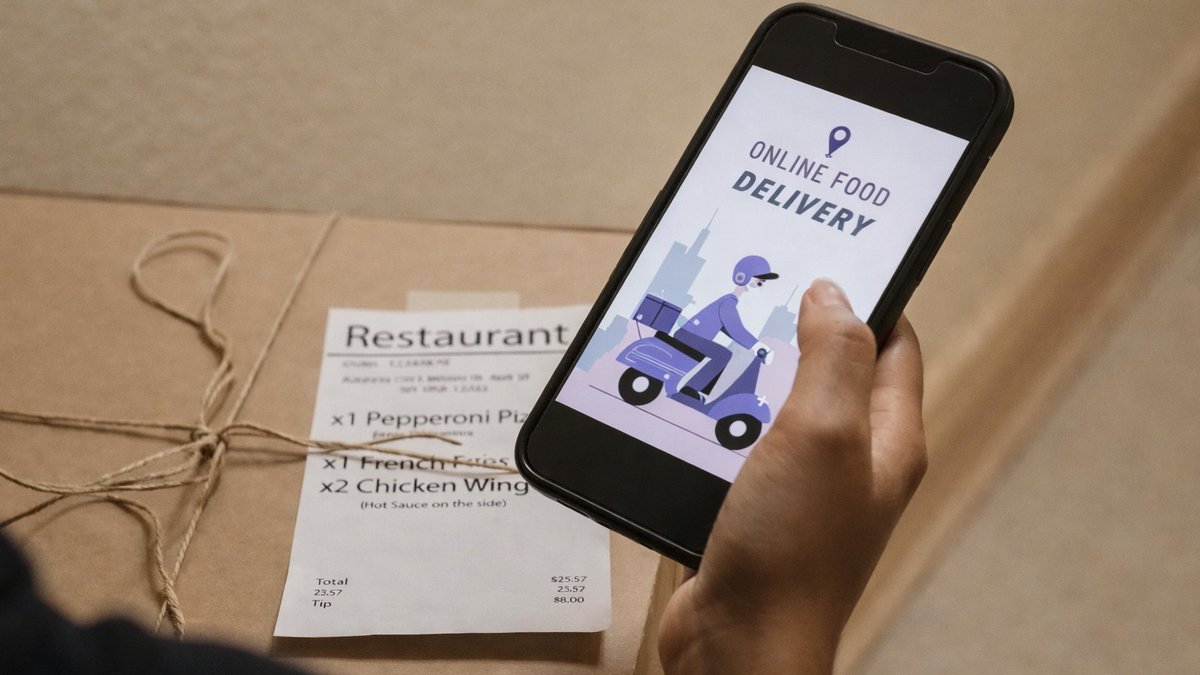
Before smartphones and internet-based delivery systems, ordering food usually required calling a restaurant directly. Customers could only order from a limited number of nearby restaurants that offered delivery services. The development of smartphone applications changed this process. Platforms such as DoorDash, founded in 2013, Deliveroo in 2013, and Uber Eats in 2014 allow customers to browse menus from multiple restaurants, place orders online, track delivery drivers in real time, and pay digitally. Today, food delivery apps are widely used in cities around the world.
Comments (0)
Log in to share your thoughts
No comments yet
Be the first to share your thoughts!