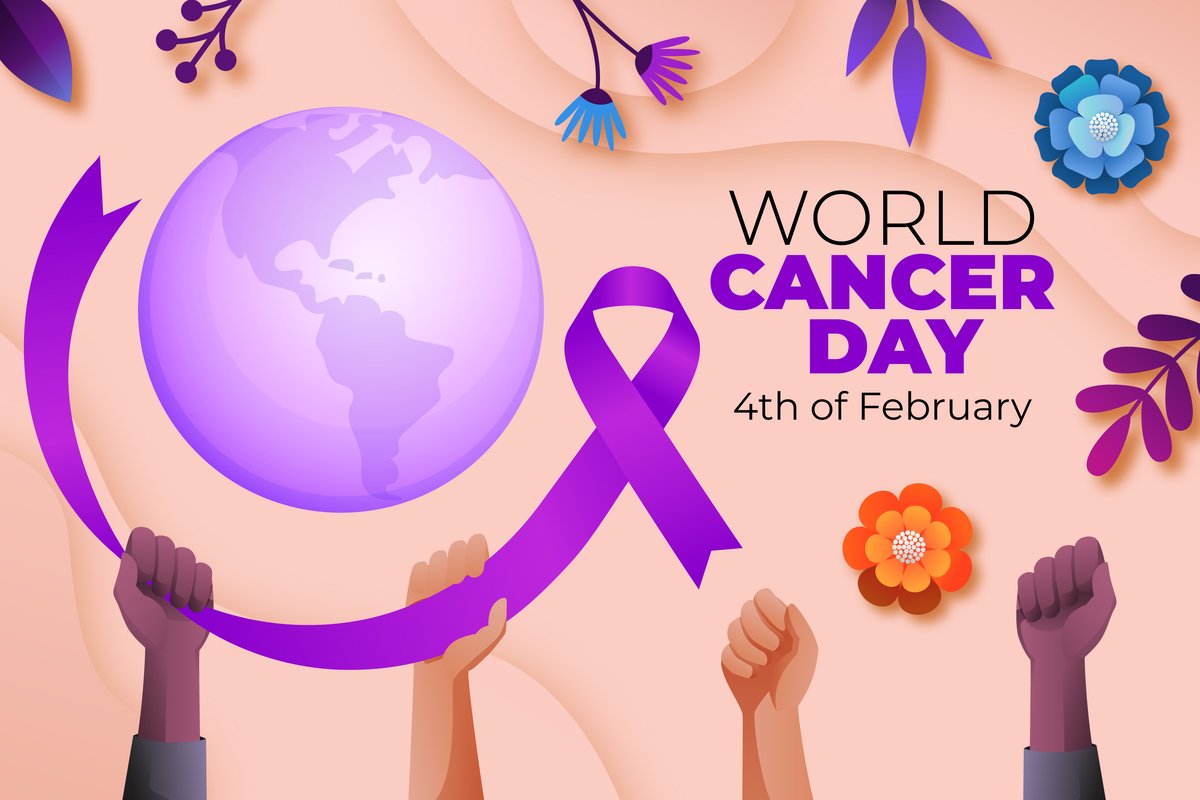
World Cancer Day 2026 is observed across the world on 4 February 2026.
It is a globally recognized international health awareness day dedicated to increasing awareness about cancer, improving public understanding of the disease, promoting prevention, encouraging early detection, supporting effective and timely treatment, and expressing solidarity with people living with cancer, survivors, caregivers, and families.
The observance emphasizes that cancer is not only a medical condition but also a social, emotional, and economic challenge that affects societies at every level.
Meaning and Purpose of World Cancer Day
The core meaning of World Cancer Day lies in global unity against cancer. The day aims to bring together governments, international organizations, healthcare institutions, civil society, and individuals to reduce the global cancer burden.
It focuses on spreading accurate and science-based information, addressing myths and stigma associated with cancer, and encouraging action at individual, community, national, and international levels.
World Cancer Day reinforces the understanding that many cancers can be prevented, detected early, and treated successfully when healthcare systems are accessible, affordable, and people-centered.
Organizations and International Health Agencies Leading the Initiative
World Cancer Day is led by the Union for International Cancer Control, which coordinates the global campaign and represents more than 1,100 cancer-related organizations in over 170 countries and territories.
The initiative is supported by key international health agencies, including the World Health Organization and the International Agency for Research on Cancer, along with support from the United Nations system.
These bodies work closely with national governments, cancer research institutions, hospitals, and non-governmental organizations to strengthen cancer prevention, early diagnosis, treatment, survivorship care, and palliative services worldwide.
History and Origin of World Cancer Day
World Cancer Day was established in the year 2000 during the World Summit Against Cancer for the New Millennium, held in February 2000 in Paris, France. The summit resulted in the adoption of the Paris Charter Against Cancer, which called for international cooperation to reduce cancer-related deaths and improve the quality of life of people affected by cancer.
Following this commitment, World Cancer Day has been observed every year since 4 February 2001, growing into one of the most prominent global public health awareness days.
World Cancer Day Themes Over the Years
World Cancer Day follows multi-year global campaign themes to ensure long-term focus and sustained global engagement. Over time, these themes have reflected changing priorities in cancer control. Earlier campaigns focused on childhood health, collective responsibility, and global cooperation.
The theme “I Am and I Will”, observed from 2019 to 2021, emphasized personal responsibility and individual action. The theme “Close the Care Gap”, observed from 2022 to 2024, highlighted global inequalities in cancer care and outcomes.

Theme of World Cancer Day 2026
World Cancer Day 2026 falls under the global campaign theme for 2025 to 2027, which focuses on people-centered cancer care. This theme emphasizes that cancer care should focus on the individual rather than only on the disease.
It highlights dignity, compassion, emotional and psychological well-being, respect, and the lived experiences of patients, survivors, and caregivers.
The theme also stresses that equitable access to quality cancer prevention, diagnosis, treatment, survivorship services, and palliative care is a fundamental right for everyone, regardless of income, gender, ethnicity, geographic location, or social background.
Global Cancer Burden and Current Statistics
Cancer remains one of the leading causes of death worldwide. According to consolidated global estimates released from 2022 to 2024, approximately 20 million new cancer cases were diagnosed globally in 2022, while around 9.6 to 10 million people died from cancer in the same year.
Current data indicate that about one in five people worldwide will develop cancer at some point during their lifetime. Nearly 70 percent of cancer deaths, as reported in 2024, occur in low- and middle-income countries, largely due to late diagnosis, limited screening programs, and restricted access to effective treatment and palliative care.
Future Cancer Trends and Projections
Global cancer trends indicate a significant rise in the coming decades. Based on projections published by international cancer research agencies in 2024, the number of new cancer cases worldwide could increase to 30 to 35 million cases per year by 2050 if current trends continue.
Factors contributing to this increase include population growth, aging populations, urbanization, tobacco use, harmful alcohol consumption, unhealthy diets, physical inactivity, obesity, and environmental and occupational exposures.
Common Types of Cancer Worldwide
World Cancer Day raises awareness about all forms of cancer. Based on global data from 2022 to 2024, the most commonly diagnosed cancers worldwide include breast cancer, lung cancer, colorectal cancer, prostate cancer, and cervical cancer.
Lung cancer remains one of the leading causes of cancer-related deaths globally. Breast cancer has been the most frequently diagnosed cancer among women worldwide since 2020.
Cervical cancer is largely preventable through vaccination and regular screening, yet it continues to cause significant mortality in low-resource regions. Childhood cancers, although less common, require early diagnosis and specialized treatment to improve survival outcomes.

Cancer Prevention and Risk Reduction
Cancer prevention is a central focus of World Cancer Day. Evidence from global health research up to 2024 shows that a substantial proportion of cancers can be prevented through effective public health measures and healthy lifestyle choices. Avoiding tobacco use significantly reduces the risk of several cancers, while limiting alcohol consumption lowers cancer risk.
A balanced and nutritious diet, regular physical activity, maintaining a healthy body weight, protection from excessive ultraviolet radiation, and vaccination against human papillomavirus and hepatitis B play crucial roles in cancer prevention.
Importance of Early Detection and Screening
Early detection remains one of the most effective strategies for reducing cancer-related deaths. Global health data up to 2024 confirm that cancers diagnosed at early stages are easier to treat and have higher survival rates.
World Cancer Day promotes regular health checkups and participation in screening programs for breast, cervical, colorectal, and prostate cancer, while encouraging timely medical consultation when unusual or persistent symptoms occur.
Cancer Treatment and Comprehensive Care
Cancer treatment in 2026 depends on the type, stage, and location of the disease and may involve surgery, chemotherapy, radiation therapy, targeted therapy, hormone therapy, immunotherapy, or a combination of these approaches.
Supportive care helps manage pain and treatment-related side effects, while palliative care, recognized globally as an essential component of cancer care since 2014, focuses on comfort, dignity, and quality of life. Emotional, psychological, and social support remain integral elements of comprehensive cancer care.
Inequality in Cancer Care Across the World
Despite medical progress, inequalities in cancer care persist globally as of 2026. Many populations face late diagnosis, high treatment costs, limited health insurance coverage, shortages of trained oncology professionals, and restricted access to essential medicines and radiotherapy services.
World Cancer Day 2026 highlights the urgent need to strengthen health systems, expand universal health coverage, and reduce disparities in cancer care between and within countries.
How World Cancer Day Is Observed Globally
World Cancer Day is observed every year on 4 February, including 4 February 2026, through awareness campaigns, educational initiatives, community outreach programs, public discussions, health camps, charity events, and digital advocacy.
Iconic landmarks around the world are illuminated to show solidarity with people affected by cancer, while governments and international organizations use the day to review cancer policies, publish data, and announce new commitments.
Role of Individuals and Communities
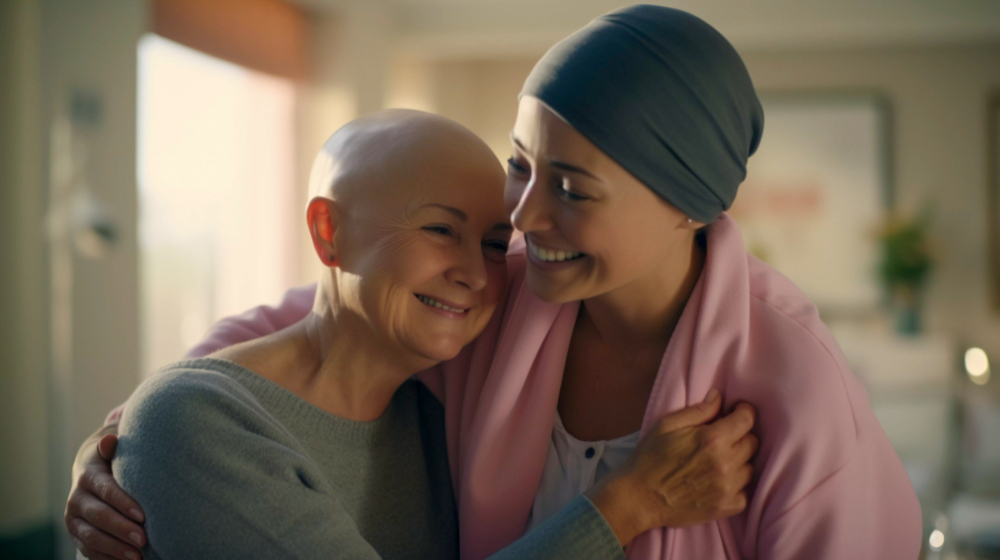
Individuals and communities play a vital role in achieving the objectives of World Cancer Day. By educating themselves with reliable information, encouraging regular screenings, supporting cancer patients and survivors emotionally and socially, adopting healthy lifestyles, and advocating for better healthcare services, people contribute directly to reducing the global cancer burden.
Conclusion
World Cancer Day 2026, observed on 4 February 2026, serves as a powerful global reminder that cancer affects millions of lives every year. With around 20 million new cases annually and cancer-related deaths approaching 10 million each year, coordinated global action in prevention, early detection, treatment, and equitable access to care is more important than ever.
By placing people at the center of cancer care and strengthening collaboration among international health agencies, governments, and communities, the world can move toward a healthier, more equitable, and more hopeful future for all.