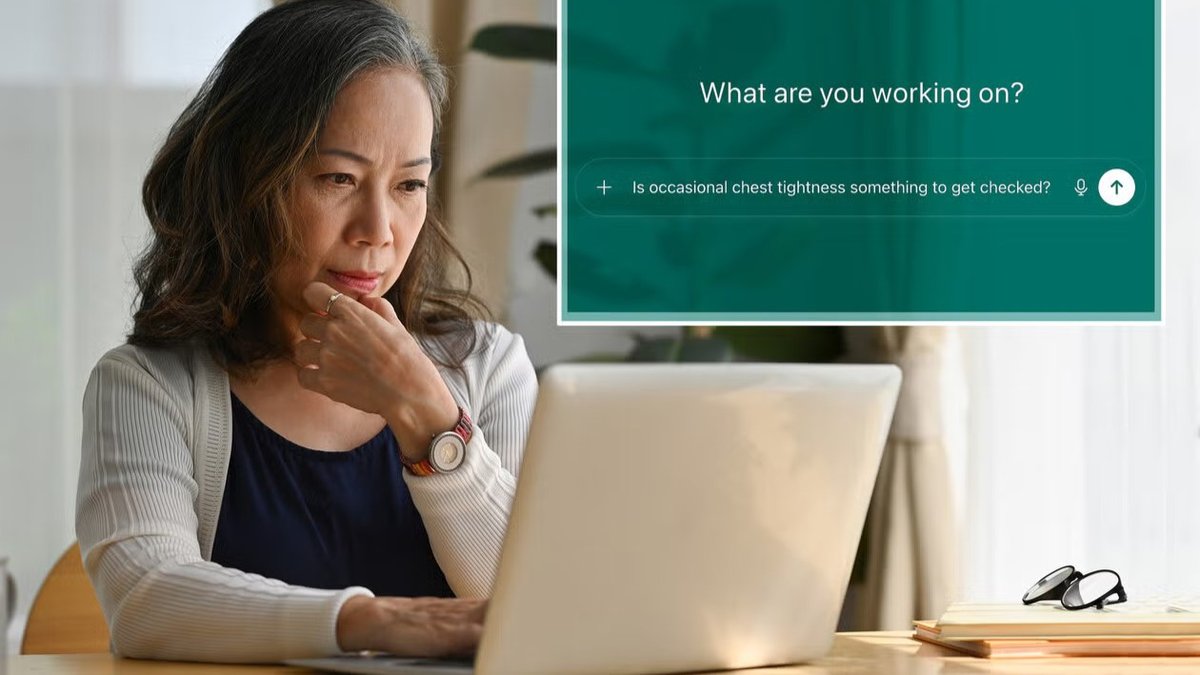
Artificial intelligence (AI) chatbots are becoming increasingly common in everyday life. Many people use them to ask questions, search for information, or learn about different topics. One area where AI chatbots are often used is health. People ask chatbots about symptoms, medicines, diet, exercise, and mental health. Because chatbots provide quick answers and are available at any time, they can be a convenient source of information.
However, it is important to understand that AI chatbots are not doctors. They are computer programs designed to provide general information, and they cannot replace professional medical care. Before asking a chatbot for health advice, people should be aware of both the benefits and the limitations of these tools.
Why People Use AI Chatbots for Health Information
One of the main reasons people use AI chatbots is convenience. A person can type a question and receive an answer within seconds without visiting a hospital or making an appointment. Chatbots are also available 24 hours a day, which means people can ask questions whenever they want.
Another reason is that chatbots often explain information in simple language. Medical terms can sometimes be difficult to understand, but AI chatbots can help by breaking down complex topics into easy explanations. This can help people better understand their health and medical information.
Some individuals also feel more comfortable asking private or sensitive questions to a chatbot. Topics related to mental health, body changes, or personal health concerns can sometimes feel uncomfortable to discuss with others, so people may prefer the privacy of an online conversation.
Limitations of AI Chatbots
Although AI chatbots can provide helpful information, they also have several limitations. AI systems cannot examine patients, conduct medical tests, or observe physical symptoms. Doctors use these methods to diagnose illnesses and recommend treatments.
AI chatbots also depend on the information they were trained on. Sometimes the information may be incomplete or outdated because medical knowledge continues to change and improve over time.
Another limitation is that chatbots may not fully understand personal medical histories. A person's age, allergies, past illnesses, or medications can affect medical decisions. AI chatbots may not have access to this information, which makes it difficult for them to provide accurate medical advice.
Risks of Relying Too Much on AI
Relying too much on AI chatbots for health advice can sometimes lead to problems. People may misunderstand their symptoms or assume that a serious health condition is minor. This could delay proper medical care.
For example, someone experiencing ongoing pain might ask a chatbot about possible causes and assume the problem is not serious. However, some symptoms require medical evaluation and testing to determine the correct diagnosis.
Another concern is privacy. When users share personal health information online, that information may be stored by the platform. People should be careful about sharing sensitive medical details through online tools.

AI Chatbots and Mental Health
AI chatbots are sometimes used to discuss emotional concerns such as stress, anxiety, or sadness. Some chatbots provide supportive responses and suggestions for managing stress or improving mood. These tools can sometimes help people reflect on their feelings or learn basic coping strategies.
However, AI chatbots are not trained therapists. They cannot fully understand complex emotional situations or provide professional mental health treatment. Individuals who experience serious emotional distress should seek help from qualified professionals such as counselors, psychologists, or doctors.
Responsible Use of AI Health Chatbots
Health experts recommend using AI chatbots mainly for general health information and education. Chatbots can help explain medical terms, provide information about healthy habits, and help people learn about common health conditions.
For example, someone preparing for a doctor’s appointment might use a chatbot to learn about possible symptoms or questions to ask during the visit. This can help patients have more informed conversations with healthcare professionals.
At the same time, it is important to remember that AI should not be used to diagnose illnesses or decide on treatments. Medical emergencies should always be handled by healthcare professionals.