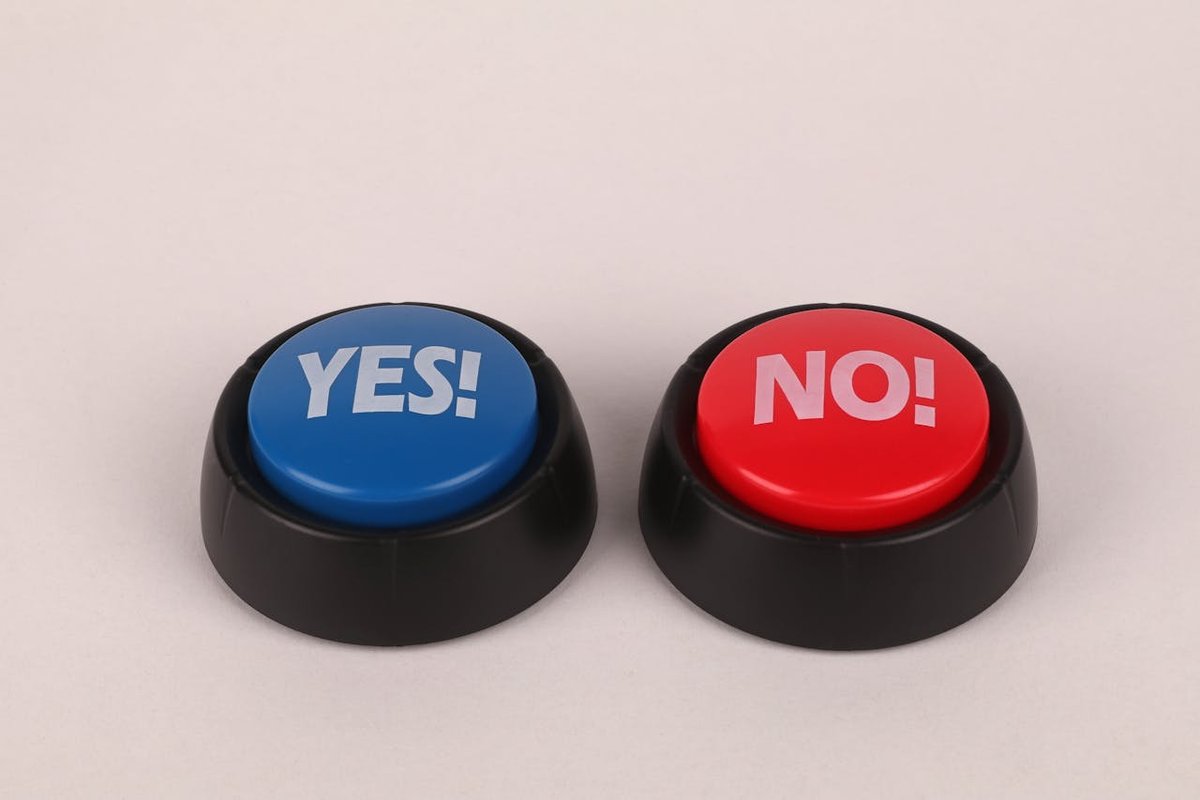
You get into your car and head towards the office, and forget which route to take to get there on time. Similarly, your partner asks you, "What do you want for dinner?" and your brain freezes. All these situations are examples of decision fatigue. In simpler words, it is the mental exhaustion you feel after making a long series of choices.
When you are forced to make too many decisions, decision fatigue sets in, and the quality of your decisions deteriorates. Think of it like a "decision battery". Every time you decide something, whether it is what to eat for lunch, which email to respond to first, or how to phrase a message, you lose some of your mental energy. At the end of the day, your brain battery is nearly empty, leading you to make poor decisions.
Also read || How Much Sleep Is Enough for Your Age?
Decoding Decision Fatigue and Why Every Day Choices Matter?
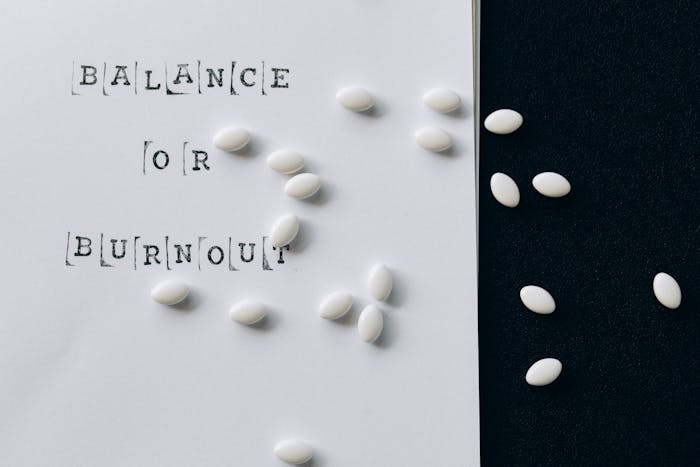
The concept of Decision Fatigue was popularized by an American social psychologist, Roy Baumeister. He showed that self-control and decision-making draw from a limited pool of mental energy. Big or Small, every decision uses some of this capacity, and by the end of the day, your brain has no energy to think clearly and make trivial decisions.
Modern life demands high-quality decision-making, yet we end up with decision fatigue due to constant choice overload. Whether it is your clothes to wear, food to eat, route to take, or an app to delete, an average person makes hundreds of decisions daily. Unlike physical fatigue, decision fatigue is not very visible. People may feel zoned out, irritable, or unfocused without understanding why.
Also read || Digital Detox, Realistically: 6 Small Daily Habits That Protect Your Brain Without Quitting Your Phone
Neither do all your decisions need equal attention, nor do they have equal weight. However, the brain does not differentiate between decisions. If you keep switching your decision from choosing between meals, replying to messages, or doing multiple tasks simultaneously, your mental resources can be drained much more quickly.
Research suggests that when decision fatigue increases, people tend to pick the easiest option, i.e., doing nothing, following habits, or making wild, impulsive choices. It explains why many people are procrastinators, overspenders, and binge eaters. Our cognitive load is highest in the 21st century, thanks to open cultures, digital multitasking, and digital stimulation. However, this overstimulation leads to bad decision-making and affects our lives.
Are decision fatigue and mental health related?

Though there is no direct relation between the two, decision fatigue can worsen your symptoms of depression, anxiety, and chronic stress. It is hard to regulate your emotions when your mental energy is depleted. You eventually feel overwhelmed by minor issues, lose motivation, and even struggle to make simple decisions. Thus, decision fatigue can put you in a never-ending feedback loop, leaving you stressed and anxious.
When you are in a state of decision fatigue for a long time, it can affect your self-esteem and confidence. The rushed or poor decisions lead individuals to doubt their competence and abilities. Sadly, if you are already managing mental health challenges, decision fatigue adds extra cognitive load, making it harder to cope with uncertainty or change. And that's how decision fatigue indirectly impacts your mental wellbeing over time.
Also read || A 2026 Guide To The Foods That Actually Reduces Anxiety
Who is Affected by Decision Fatigue and how to reduce it?
Decision fatigue can be a genuine concern when you don't have many choices and have to make the best of limited options. Whether you are a parent, caregiver, manager, or healthcare worker, you have to make multiple decisions without many breaks. People who don't make enough money have to trade off time and money, which also causes decision fatigue. Further, students and employees may also feel it when they are obliged to respond to constant emails and quick replies.
Unfortunately, you can not change the established systems. So, you have to create your own system. To fight decision fatigue, build your routine by skipping small decisions or setting meals. Prioritize big decisions early at your work. Minimize overthinking, take regular short breaks, sleep well, and eat right. Moreover, you can set your work limits and ditch phone notifications. And when you do all these things together, it holistically improves your life. This is the era of saving your brainpower to make wise choices with minimal stress.