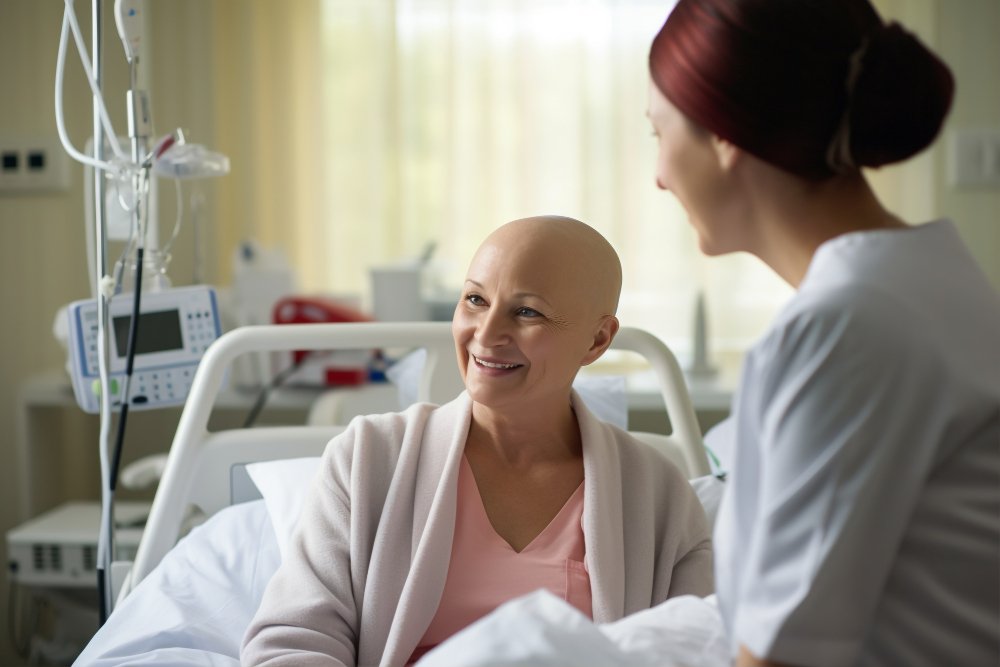
U.S. cancer survival rates have reached a historic high of 70%. People are living longer after a cancer diagnosis than ever before. A new report from the American Cancer Society (ACS) says that 70% of people diagnosed with cancer now survive for five years or more. In the mid-1970s, only 49% of people survived that long.
The report also shows that people with cancers that were once very deadly are now living much longer than they did in the 1990s. For myeloma, survival increased from 32% to 62%. For liver cancer, survival increased from 7% to 22%. For lung cancer, survival increased from 15% to 28%. The report is based on people diagnosed from 2015 to 2021, and experts say cancer is increasingly becoming something people can live with for a long time.
Why Survival Rates Are Improving
Three major reasons are driving this progress. These reasons are research and treatment innovations, better screening and early detection, and decades of declining tobacco use.
Cancer Research and Treatment Innovations
Cancer research has helped treatments become more effective and more targeted. In the 1990s, doctors often used less precise treatments that affected the whole body. Today, therapies can target specific cancer mutations and can also use the immune system to fight cancer. Experts say that understanding the cancer genome has greatly changed cancer treatment, and combining targeted therapies with immunotherapy has had a strong effect on survival rates.
Improved Cancer Screening and Early Detection
Screening and early detection have also helped improve survival. The ACS report says screening has improved survival for breast, cervical, prostate, colorectal, and lung cancers. Finding cancer early makes it much easier to treat.
However, lung cancer screening is still very low, even though lung cancer is the deadliest cancer. According to the ACS, only about 19% of eligible Americans get screened. The organization says this is because many people do not have access to screening, and many do not know if they qualify.
Some experts also say current guidelines miss more patients, including people who never smoked or smoked only lightly. Doctors believe early detection through screening could reduce lung cancer deaths by 20%, and expanded guidelines may come in the next few years.
Declining Tobacco Use Leads to Fewer Deaths
Declining tobacco use has also played a major role in reducing cancer deaths. The ACS reports that smoking dropped from 42% in the 1960s to 11% today. The CDC says tobacco causes 80% to 90% of lung cancer deaths. Experts say that fewer people smoking has reduced tobacco-related cancers, which has helped increase survival.
Nearly 20 Million Cancer Survivors
Today, nearly 20 million Americans are living with a cancer diagnosis. Even after treatment ends, many survivors still face long-term physical side effects, financial stress from long-term care, and emotional fear that cancer could return. Some survivors say they still feel constant uncertainty, and many believe mental health support for survivors needs more attention.
Challenges for Childhood Cancer Survivors
Childhood cancer survival has also improved, and childhood leukemia now has a cure rate close to 90%. However, aggressive treatments can cause long-lasting damage. Doctors say childhood cancer survivors can face higher risks later in life, including cardiovascular disease and second cancers.

Health Disparities in Cancer Care and Treatment
Even with this progress, cancer care is not equal for everyone. The report says Native Americans and Black Americans have higher cancer death rates than White Americans. Alaska Native people have the world’s highest rates of colorectal cancer, with rates two to three times higher than any other racial or ethnic group in the United States.
Many people still face barriers such as distance from providers, inability to take time off work, lack of childcare, and high costs. Experts say new technology and cancer treatments should be available to everyone, not only a few.
Steps to Prevent or Survive Cancer
Experts say there are important steps people can take to prevent cancer or improve survival. Quitting smoking and limiting alcohol lowers cancer risk. Maintaining a healthy weight through diet and exercise can also reduce risk. Getting regular screening for breast, colon, cervical, lung, and prostate cancers helps catch cancer early, when it is most treatable.