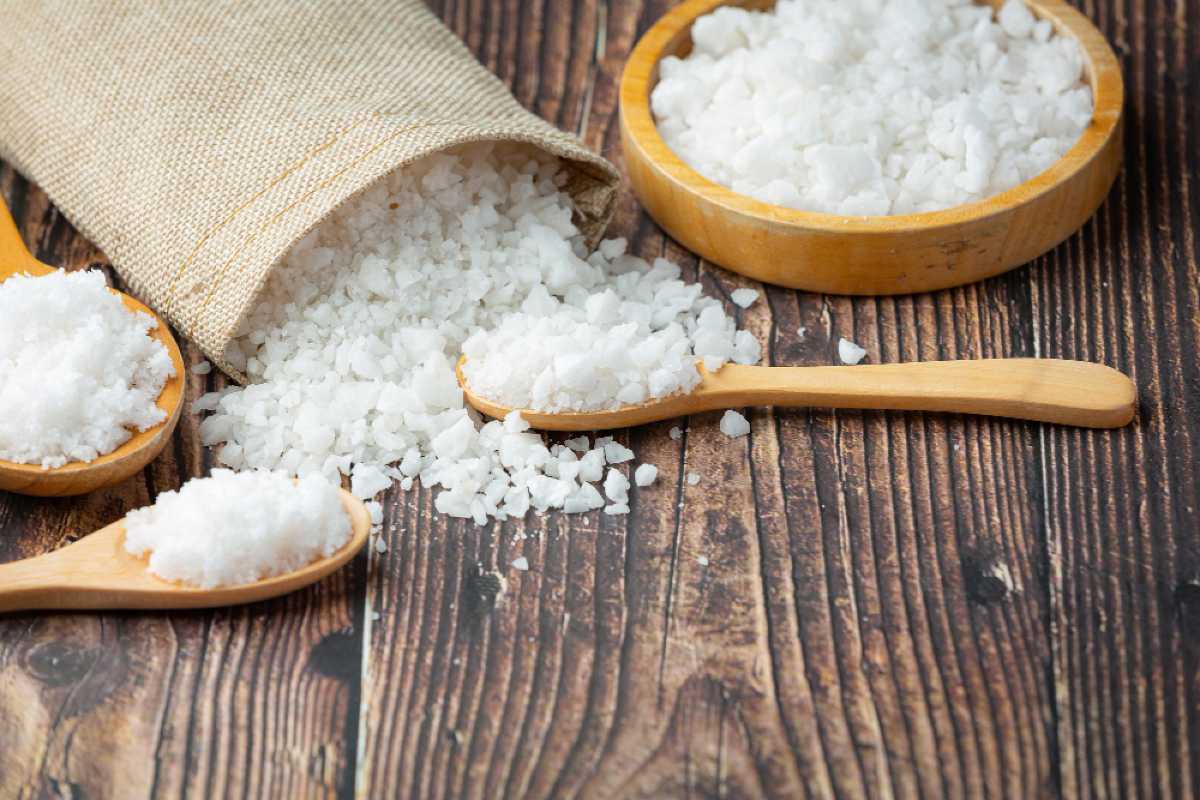
Salt, or sodium chloride, is far more than just a kitchen ingredient, it is considered as one of the most transformative minerals in the entire human history. Biologically, it is a non-negotiable requirement for survival of the living being. How interesting it is to know that every decision or every move that the living beings make is powered by the electrical pulses that rely on sodium to stimulate the nervous system.
Mechanism Of Salt
Modern health trends and guidelines labels salt as a dietary villain, it is actually a vital electrolyte. It works tirelessly in the background to help in regulating your fluid balance, ensuring your cells stay hydrated and your blood pressure remains stable. Without the intake of adequate amounts of salt, your muscles have to face frequent episodes of cramping and your brain will have to struggle to communicate with the rest of the body.
What The Health Associations Say
Health authorities like the American Heart Association and the WHO recommends that most adults consume not more than 2300 mg of sodium per day. This measure is equivalent to one teaspoon of standard table salt. For those who are suffering from hypertension or existing heart conditions, the ideal limit often drops to 1500 mg. However, the average consumption for a normal human being is limited to 3400 mg daily, found mostly in breads, cured meats and restaurant sauces, etc. making it easier to consume salt indirectly without even touching the salt directly.
Varieties Of Salt
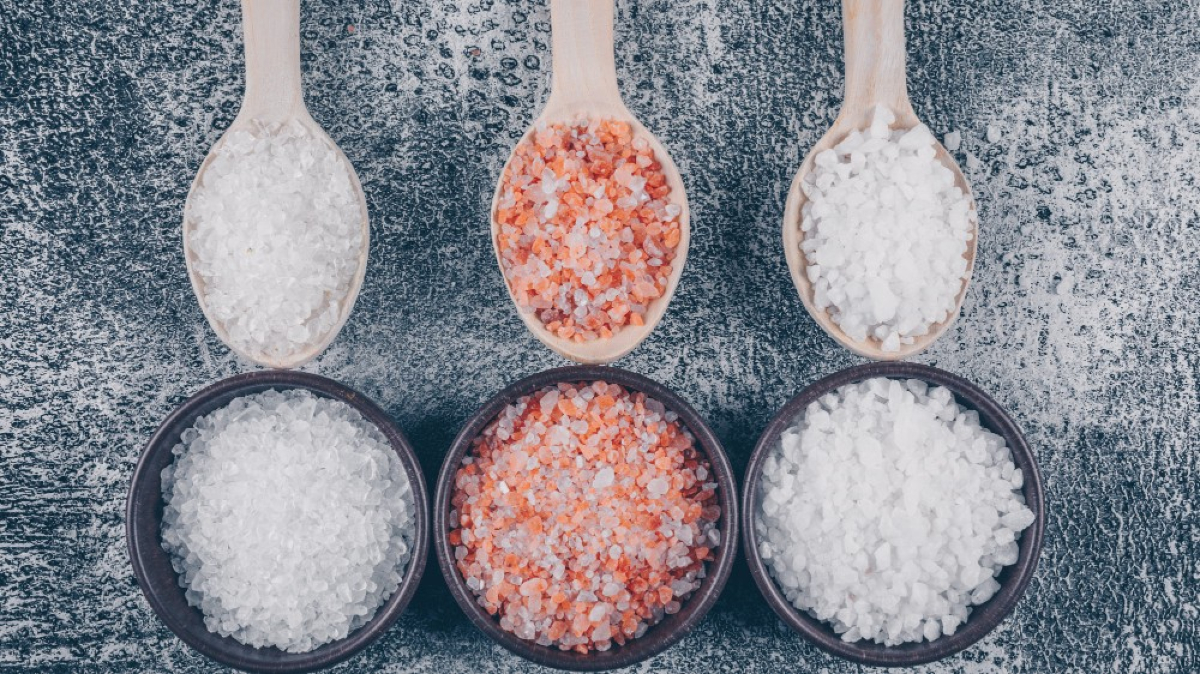
The culinary world offers a vast spectrum of salt, each with its own “personality.” Table salt is the most reliable kitchen ingredient that we use on a daily basis, often fortified with iodine to support thyroid health. Sea salt and Himalayan pink salt offer coarser textures and trace minerals like magnesium and potassium, making them favorites for finishing a dish with a satisfying crunch. On the other hand, Kosher salt has become the golden standard for professional chefs because its large, light flakes allows for precise control over seasoning, preventing the accidental over-salting that often occurs with fine grains.
Achieving “salt harmony” is all about mindfulness rather than avoiding it totally. The key is to focus on whole, home-cooked meals rather than relying on pre-packaged goods. By properly balancing your sodium intake with potassium rich foods like leafy greens and bananas, you can support your kidneys in flushing out the excess salt from your body. Ultimately, when the salt is consumed in the right amount, it is never a threat to your healthy body but the spark that keeps your body alive and your food delicious.