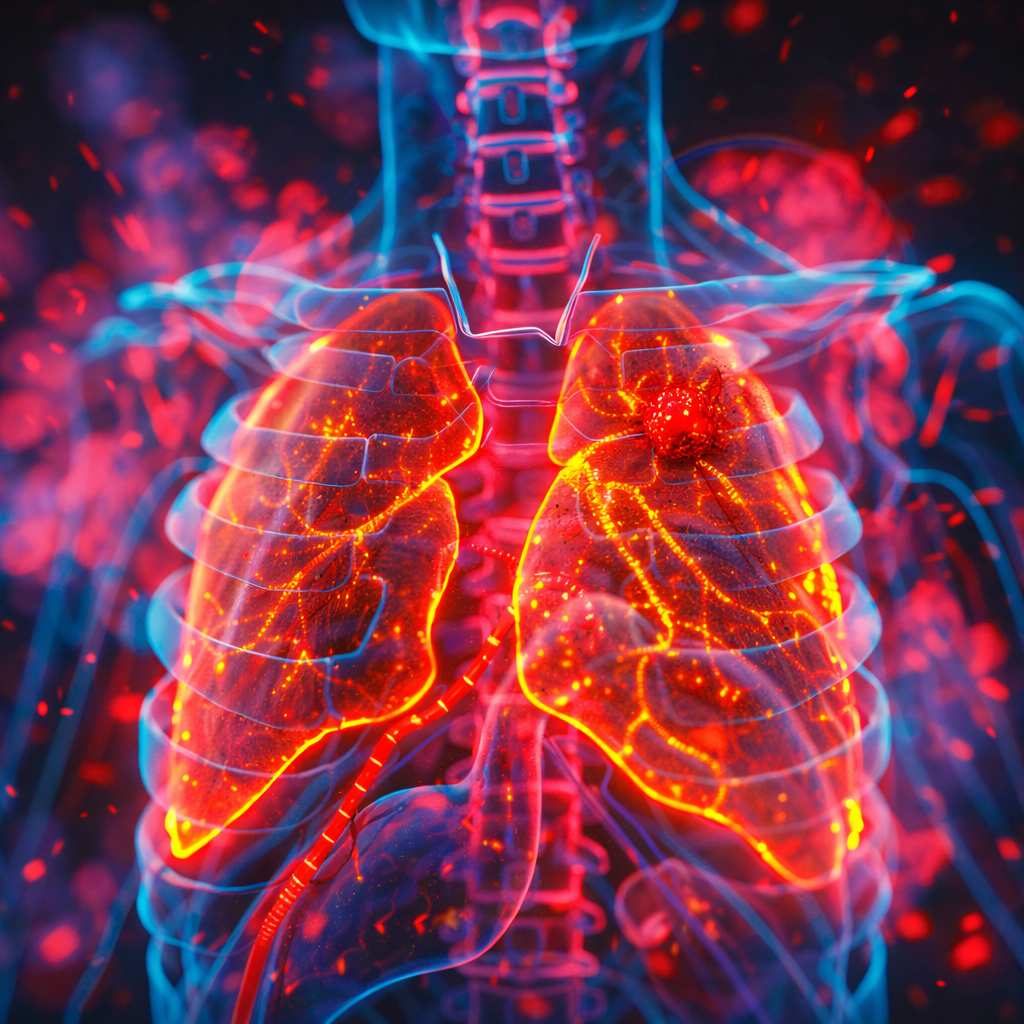
Pulmonary embolism is a serious medical condition that can become life-threatening if not treated quickly. In early 2026, the death of actress Catherine O’Hara brought renewed attention to this condition. According to her death certificate issued on February 9, 2026, the immediate cause of her death on January 30, 2026, was a pulmonary embolism, while rectal cancer was listed as the underlying long-term cause.
What Is Pulmonary Embolism?
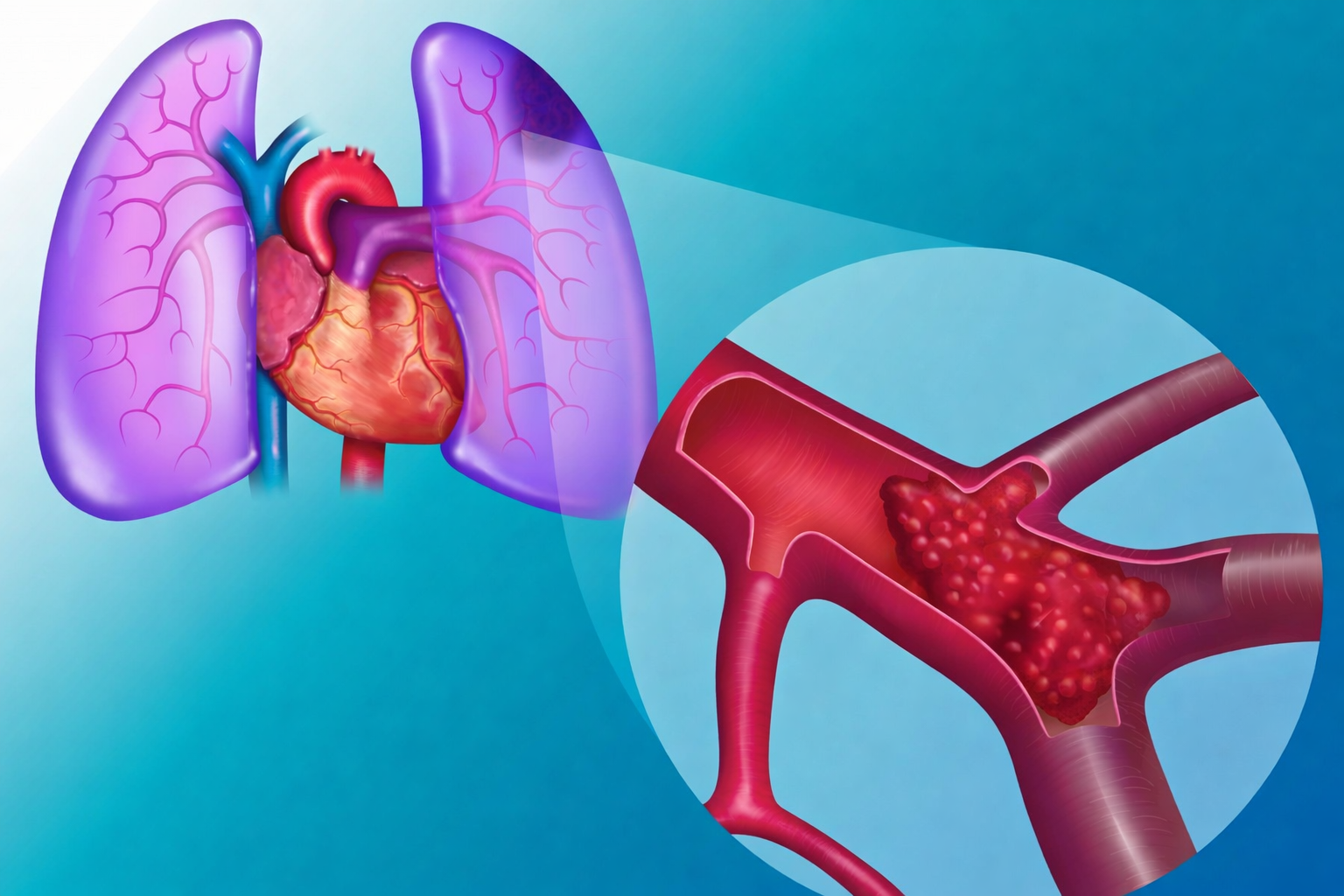
Pulmonary embolism (PE) is a condition in which a blood clot blocks an artery in the lungs. This happens when a clot, usually formed in another part of the body, most often in the deep veins of the legs, travels through the bloodstream and becomes lodged in the lungs. When this blockage occurs, it limits blood flow and oxygen supply to the body.
How Pulmonary Embolism Develops
Blood clots form when blood thickens and clumps together. A common way this happens is through deep vein thrombosis (DVT), where a clot develops in deep veins, typically in the legs. If this clot breaks off, it can travel through the bloodstream and reach the lungs, where it becomes stuck and blocks blood flow. This blockage disrupts the normal flow of oxygenated blood to organs and can put severe strain on the heart.
Causes and Risk Factors
Pulmonary embolism most often stems from blood clots in the legs (DVT) that travel to the lungs. Several factors increase the risk of clot formation. These include prolonged immobility, such as long periods of bed rest after illness or surgery, long-distance travel without movement, cancer, obesity, smoking, and older age. Some medical conditions and certain medications can also raise the risk.
In the case of Catherine O’Hara, her ongoing battle with rectal cancer, which doctors had been treating since March 2025, was noted as a major risk factor that likely contributed to the development of a blood clot that led to the pulmonary embolism.
Symptoms of Pulmonary Embolism
The symptoms of pulmonary embolism can vary from person to person, and sometimes they appear suddenly. Common warning signs include sudden shortness of breath, sharp chest pain that may worsen with breathing deeply, rapid heartbeat, coughing, sometimes with blood, feeling dizzy or faint, and anxiety or sudden sweating.
Some people may have symptoms of a deep vein clot before lung symptoms appear, such as leg pain, swelling, or redness, especially in the lower legs.
Diagnosis of Pulmonary Embolism
Because the symptoms of PE can resemble those of other serious conditions like heart attack or pneumonia, doctors use a combination of medical history and tests to diagnose it. They may start with blood tests to check for clotting markers, such as D-dimer, and follow this with imaging tests such as CT pulmonary angiography, which can reveal clots in the lungs. Doctors may also use an ultrasound to check for clots in the legs.
Accurate and fast diagnosis is essential, as pulmonary embolism can worsen rapidly without treatment.
Treatment of Pulmonary Embolism
Treatment focuses on stopping the clot from growing, preventing more clots from forming, and allowing the body to gradually break down the existing clot. The most common treatment is anticoagulant medicines, often called “blood thinners,” which reduce the blood’s ability to form new clots.
In more severe cases, doctors may use thrombolytic medicines to help dissolve large clots. In rare and critical situations, surgical procedures or catheter-based treatments may be performed to remove clots.
Why Pulmonary Embolism Can Be Fatal
Pulmonary embolism can be life-threatening because it blocks blood flow to part of the lungs. When oxygenated blood cannot circulate effectively, the heart must work harder, and vital organs may not receive enough oxygen. This can lead to heart strain, organ damage, collapse, or sudden death. Without quick medical intervention, especially for large clots, the risk of fatality increases.
The sudden death of Catherine O’Hara from pulmonary embolism on January 30, 2026, highlights how quickly this condition can become fatal even in people who otherwise appear strong.
Prevention and Risk Reduction
Preventing pulmonary embolism means reducing the risk of clot formation. Staying active, especially during long travel or recovery from surgery, helps maintain good blood flow. Drinking enough fluids and avoiding long periods of sitting or lying down can also help reduce risk. For people at high risk, such as after surgery or those with cancer, doctors may prescribe preventive blood-thinning medicines.
Conclusion
Pulmonary embolism is a serious condition caused by a blood clot blocking blood flow in the lungs. It can develop suddenly and progress quickly, making rapid diagnosis and treatment vital. Symptoms such as shortness of breath, chest pain, and rapid heartbeat should never be ignored. The death of Catherine O’Hara from pulmonary embolism on January 30, 2026, with cancer as an underlying cause, shows how important it is to recognize the risk factors, know the warning signs, and seek urgent medical help when needed.