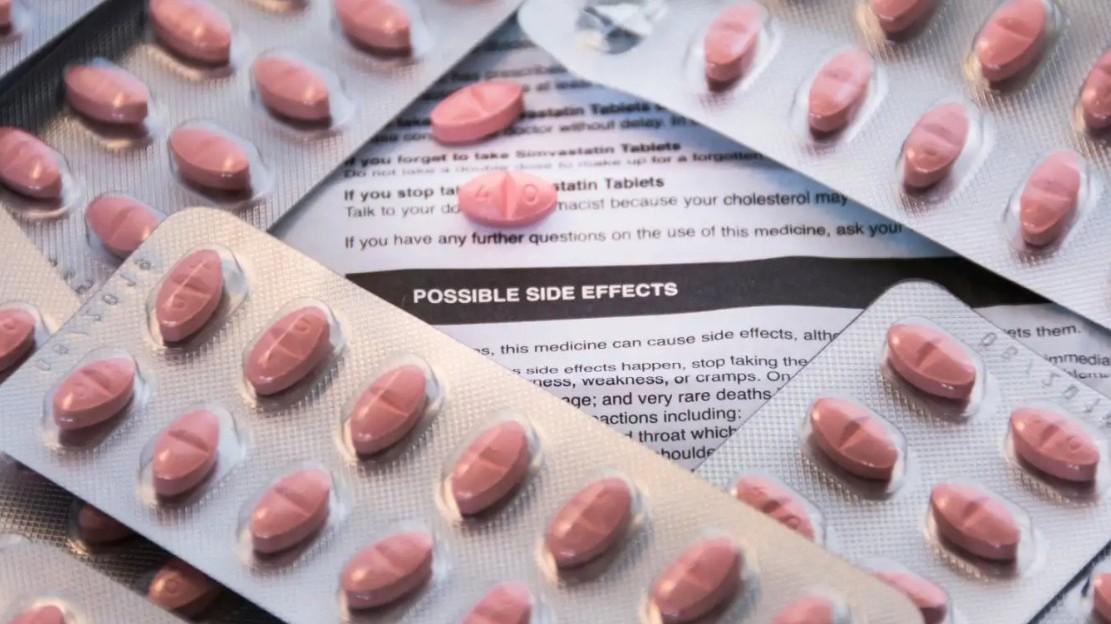
For years together, the term “statin,” has been synonymous with a long list of scary side effects, including muscle paining to brain fog, the constant fear of these cholesterol lowering drugs has led millions of patients to stop taking it, or avoid them entirely, despite their proven ability to prevent heart attacks and strokes.
Recently, groundbreaking research conducted by the University Of Oxford, published in “The Lancet” in February 2026, is turning the medical world upside down. The research revealed a surprising truth: “The majority of side effects attributed to statins aren't actually caused by the drug itself.”
The “Nocebo” Effect
One of the most powerful facts of the Oxford research is the role of the “Nocebo Effect.” While a “placebo-effect” can make you feel better because you expect it to do so, a “nocebo-effect” can make you feel worse only because you expect negative outcomes of it, even if it doesn't have any.
In previous landmark research studies such as “SAMSON,” researchers have discovered that 90% of the symptoms that patients have experienced while taking a statin were also reported by the patients who were taking a placebo(a sugar pill). The new 2026 Oxford data reinforces this, suggesting that “muscle aches” or “fatigue” are often real physical sensations, but they are frequently triggered by the act of taking a pill or the anxiety surrounding it's reputation, rather than the chemical compound itself.
New 2026 Oxford Research
The Oxford researchers, led by Associate Professor Christina Reith, examined 66 different health conditions currently listed as “undesirable outcomes” on statin labels. The researchers found out from the study that for 62 out of 66 conditions, there was no statistically significant difference between those taking the drug and those taking a placebo.
Commonly feared symptoms such as memory loss, dementia, depression and anxiety, etc. showed identical rates in both the groups. For instance, the rate of cognitive and memory impairment related issues was exactly 0.2% every year for both statin users as well as placebo users. This is indicative of the fact that these symptoms might occur while a patient is on this medication, but the medication is certainly not the cause of behind the occuring of these symptoms. The data also debunked that the side effects experienced by few patients who were on statin, showed no relevant connection between statins and symptoms like, sleep disturbances, nausea or weight gain.
The Real And Rare Experiences By Oxford Studies
Though the study of the Oxford University revealed that the symptoms experienced by patients is not because of statin; it didn't claim that statins are completely side-effects free, the statin therapy is often associated with excessive risk of various health ailments such as, liver dysfunction, changes in urine composition and oedema(fluid accumulation in the ankles and legs). However, even these risks are minimal and the researchers also observed that there is no risk of an increase in serious diseases like hepatitis or liver failure. Taking statins can increase the patient’s blood glucose levels, slightly increasing the risk for the early onset of diabetes.
Why This Is Important To Your Health

Mismanagement of cholesterol levels can significantly increase the risk of heart diseases, leading cause of death globally. It causes nearly 20 million deaths every year. Professor Rory Collins, a senior author of the Oxford study, argues that the drug is not the real cause behind the symptoms experienced by the patient creating “ongoing confusion and concern” and as a result, it prevents millions of people from accessing life-saving treatment.
Taking Initiative
If you have been prescribed statins and you notice any side-effects, do not stop your medication abruptly. This can lead to an increase in your cholesterol levels and if not managed on time, it can result in heart failure or heart attack. Instead, you can take the initiative of having a meaning conversation with your healthcare advisor regarding the latest Oxford findings and always consult with them before moving forward with any decision of stopping this medication.