The people of Kent are going through a tough time as two young people tragically died of a meningitis outbreak. One of the students was an 18-year-old student at Queen Elizabeth's Grammar School, while the other was an old student of the University of Kent. An outbreak of invasive meningococcal meningitis was reported between March 13 and March 15, 2026, in the vicinity of the University of Kent and the Club Chemistry nightclub.
The UK Health Security Agency (UKHSA) and the NHS quickly notified thousands of contacts and provided antibiotics where needed. Their fast, efficient work has kept it from spreading and becoming an epidemic. As of now, there are no ongoing threats, and the situation is believed to be under control. However, out of 13 confirmed cases, 11 people are seriously ill, and 2 have died.
University of Kent staff are in constant touch with students, staff, and families to offer support. Long, orderly lines are visible on campus. It is thought that chatting, close dancing, and sharing drinks at the club likely helped the germ spread faster among the group. Health experts traced all contacts cautiously to contain the outbreak.
Also read || Everything You Need To Know About 2026 “Nipah Outbreak!"
What is Meningococcal Meningitis?
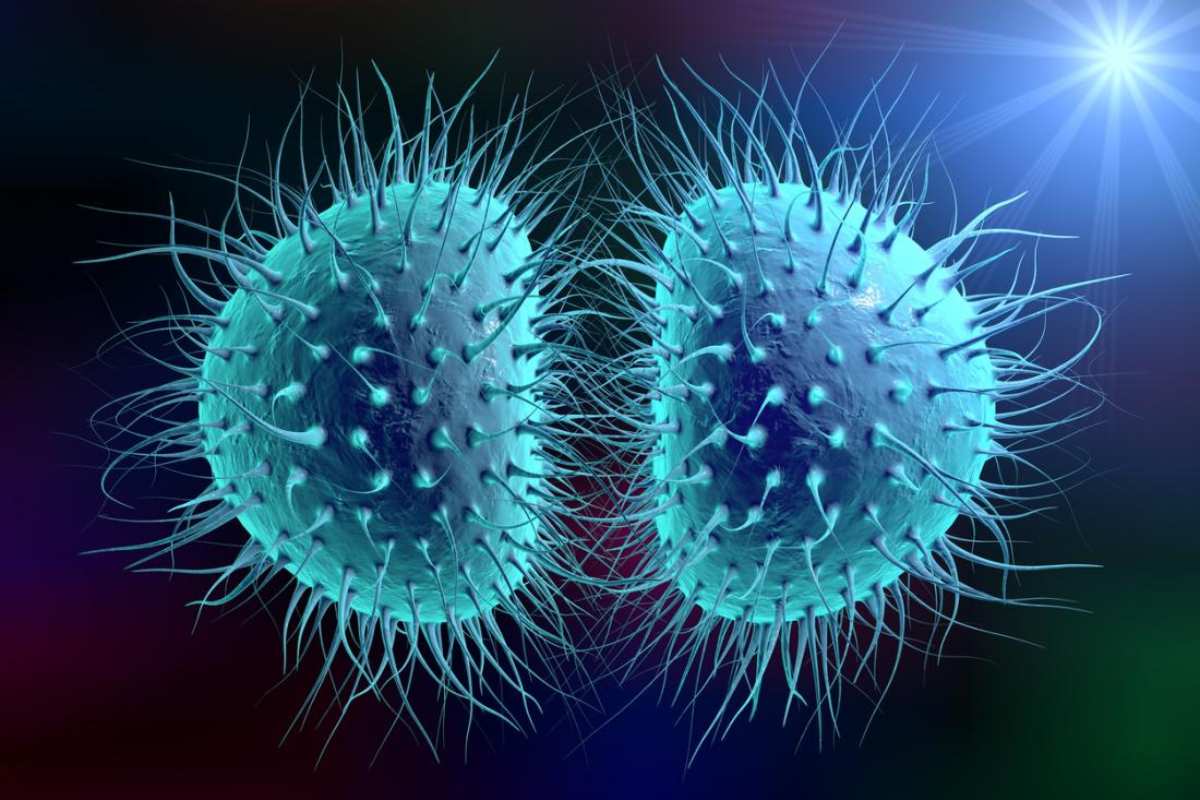
The Neisseria meningitidis bacterium causes meningococcal meningitis. These germs attack the thin membranes around your brain and spine, causing swelling. It can also infect the blood, called meningococcemia. This bacterial type is rare but dangerous, especially among young people in crowds, as seen in the Kent outbreak.
It starts fast with flu-like signs that teens might think is just a rough night out. Early action makes all the difference in beating it. All you need to do is look for sudden high fever, extreme headache, neck stiffness, sleepiness, upset stomach, confusion, and a rash of purple spots that fade when pressed with a glass. Interestingly, some symptoms mix up with a hangover, leading to a late diagnosis of illness. Fortunately, quick antibiotics can help recover 90%, which is a sigh of relief.
Also read || World Cancer Day 2026: Meaning, Facts, and Global Importance
Understanding the outbreak
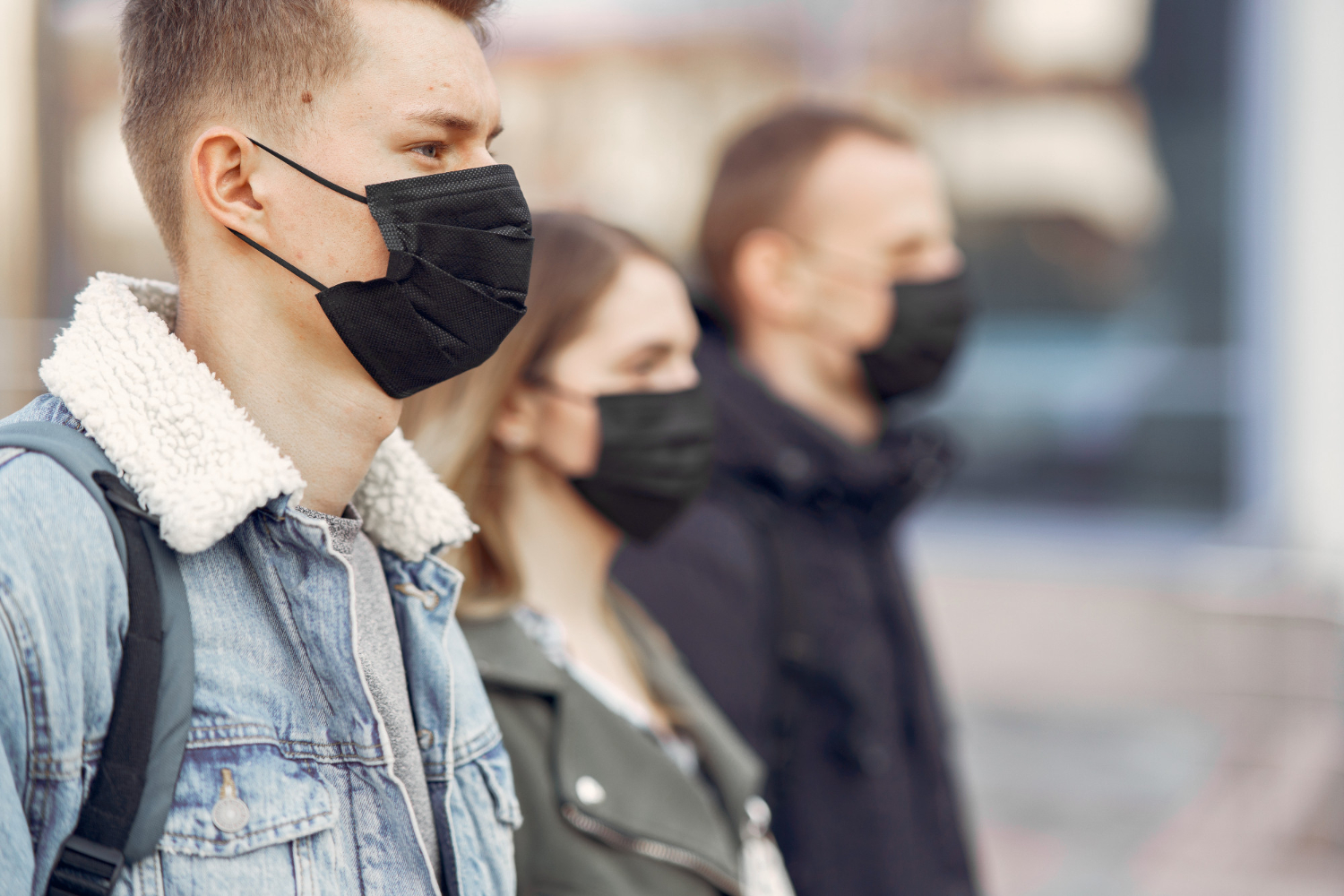
Like most communicable diseases, Meningococcal meningitis spreads primarily via direct contact with respiratory or oral secretions. One needs to be aware during close interactions, such as sneezing, kissing, coughing, or sharing food items or drinks, vapes, or cigarettes. Interestingly, some people may not get sick but can act as carriers, while others can get seriously ill. So, if someone has a compromised immune system, they should try to wear a mask or avoid such gatherings.
One needs to avoid crowded environments, such as social clubs and packed dance floors, as they are breeding grounds for bacteria to spread between people. Unlike the flu, this specific bacterium does not survive long on surfaces and is not airborne or travels long distances. Since it spreads through proximity, simple hygiene practices are highly effective. So, washing your hands regularly and not sharing personal items can save lives and reduce the risk.
Also read || Is Pollution Creating Chronic Diseases?
Major Past Meningococcal Meningitis Outbreaks

Meningococcal meningitis has historically caused devastating epidemics, particularly within the "Meningitis Belt" of sub-Saharan Africa. The most severe one was in 1996-98, where it affected over 250,000 people, and killed 25,000 across different African nations. Most of these cyclical surges are driven by the Serogroup A bacterium, which thrives during the dry season. This specific case prompted global health organizations to accelerate the development of affordable, effective vaccines to protect the millions of people living in these high-risk areas.
Notable outbreaks outside Africa have occurred in crowded settings such as military barracks and at large international events. Serogroup W-135 spread worldwide during the 1987 Hajj pilgrimage in Saudi Arabia. Similarly, during the 1970s, Serogroup B clusters proliferated in Brazil. These incidents demonstrate the disease's capacity to spread across national boundaries, calling for coordinated international surveillance and vaccination requirements for visitors and students to stop its spread.
Saving yourself from Meningococcal Meningitis
%20by%20~20%25.%20%20CDCPexels.png)
Every time an outbreak occurs, the first question is "Will I be affected?" While understanding health guidelines and maintaining basic hygiene can save lives, risk analysis is equally important. So, if you are a young adult between 15 and 24 years old, you're at high risk, probably because you spend time in crowded environments or have socialising habits. Moreover, people with a non-functioning spleen or those who are smokers also have a higher risk when the germ circulates.
So, if you notice fever, stiff neck, headache, or anything unusual, seek medical help right away. You can prevent the disease by getting the MenACWY and MenB vaccines if eligible. Besides, all you need are simple hygiene habits, such as not sharing food or drinks, washing your hands regularly, and avoiding close contact when possible. Just stick to the rules, and you'll stay healthy and safe.
Comments (0)
Log in to share your thoughts
No comments yet
Be the first to share your thoughts!