
Pollution is not only an environmental issue, but it is also one of the most serious public health problems today. Many people think pollution only makes the air look smoky or rivers look dirty, but its real danger is how it silently affects the human body over time. Chronic diseases such as asthma, heart disease, diabetes, stroke, kidney problems, and some types of cancer are increasing in many parts of the world. While lifestyle habits and genetics play a role, medical research and public health studies show that pollution is also a major cause that can create these long-term illnesses and make them worse.
What Are Chronic Diseases?
Chronic diseases are health problems that last for a long time and usually develop slowly. Unlike infections such as fever or cold, chronic diseases may continue for months or even years. They often require long-term treatment, regular medicines, and lifestyle changes. Examples include asthma, chronic bronchitis, heart disease, high blood pressure, diabetes, chronic kidney disease, and cancer. Many chronic diseases do not appear suddenly. Instead, they build up due to long-term damage in the body, and pollution is one of the reasons this damage begins and continues.
What Is Pollution?
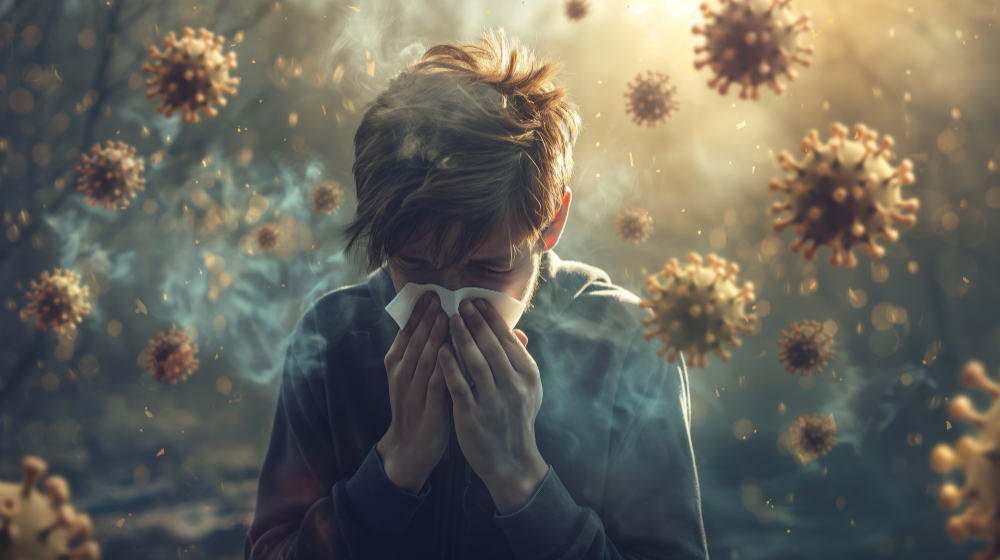
Pollution means harmful substances entering the environment in a way that affects living organisms. It can be present in the air we breathe, the water we drink, the soil in which crops grow, and even in the form of constant loud noise. Pollution may come from vehicles, factories, burning of waste, construction dust, chemicals used in farming, sewage water, plastic dumping, and many household products. Some pollution is visible, such as smoke and dirty water, but a lot of it is invisible, like tiny particles in the air and harmful chemicals in water.
How Pollution Affects the Human Body
Pollution harms the human body mainly because it enters the body and slowly damages cells, tissues, and organs. When polluted air is inhaled, tiny particles and gases travel into the lungs. Some of these pollutants are so small that they can pass into the bloodstream and spread through the body. Polluted water and food can carry chemicals, heavy metals, and germs into the digestive system, which then reach organs like the liver and kidneys.
Pollution also causes long-term inflammation in the body, which means the immune system stays active for too long and begins to harm healthy cells. Another major effect is oxidative stress, where pollutants create harmful molecules called free radicals that damage cells and DNA, increasing the risk of diseases like cancer and early organ weakness.
Air Pollution and Chronic Diseases
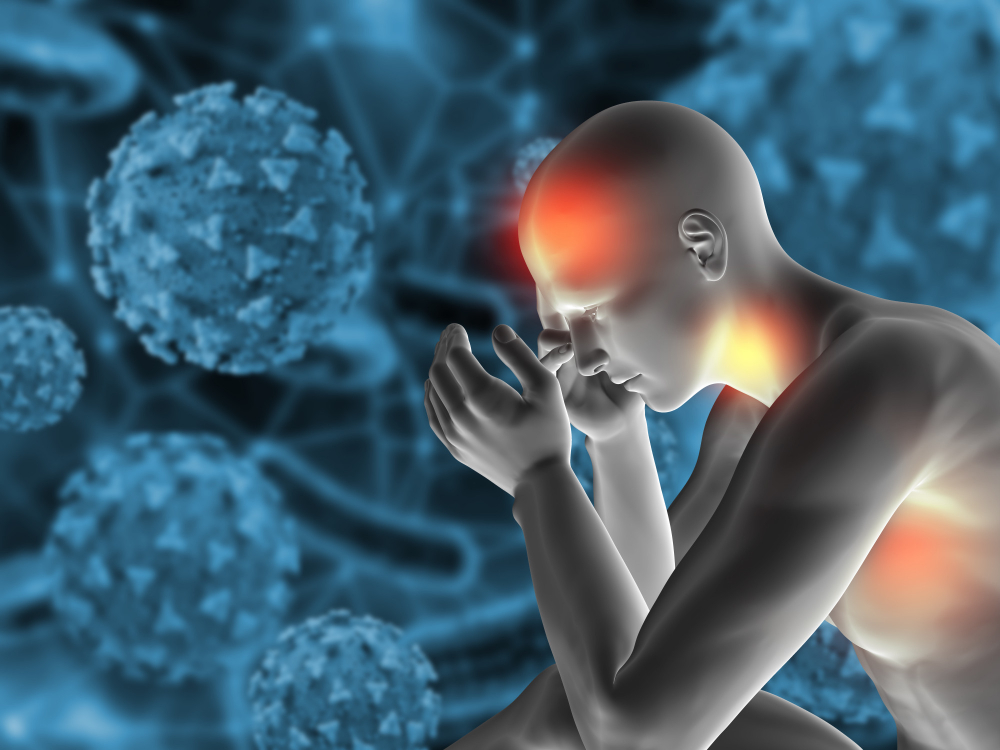
Air pollution is one of the strongest environmental causes of chronic disease. It mainly comes from vehicle smoke, factory emissions, burning of coal and wood, crop burning, firecrackers, and dust from construction sites. A major part of air pollution is made up of fine particles called PM2.5 and PM10. These particles are dangerous because they are extremely small and can travel deep inside the lungs. PM2.5 is especially harmful because it can enter the bloodstream after reaching the lungs.
When air pollution continuously irritates the lungs, it can create breathing disorders such as asthma and chronic bronchitis. In children, polluted air can slow lung growth and increase the chance of developing asthma early in life. In adults, it can worsen asthma attacks and create long-term breathing difficulty. Air pollution also affects the heart because once pollutants enter the blood, they can damage blood vessels and increase the risk of clotting. This can lead to chronic problems such as high blood pressure and heart disease.
Over time, air pollution increases the risk of stroke as it weakens blood vessels and affects blood flow to the brain. Studies also suggest that long-term exposure to pollution can increase the risk of Type 2 diabetes because inflammation affects how the body uses insulin. Another serious long-term effect is cancer, especially lung cancer, because the lungs face constant exposure to harmful chemicals in polluted air.
Water Pollution and Chronic Diseases
Water pollution happens when harmful substances mix into rivers, lakes, and groundwater. It is caused by sewage discharge, industrial waste, pesticides and fertilisers from farms, and plastic dumping. Many harmful pollutants in water do not change the taste or smell, so people may drink contaminated water without even knowing it.
Water pollution can create chronic diseases because toxic substances slowly harm organs. Heavy metals like arsenic, lead, and mercury can damage the kidneys, which are responsible for cleaning waste from the blood. When the kidneys are damaged for years, it may lead to chronic kidney disease.
Water pollution also affects the liver because the liver filters toxins from food and water, and continuous exposure can weaken its ability to function properly. Certain industrial chemicals present in water can increase cancer risk when exposure continues for many years. Polluted water can also cause repeated stomach infections and diarrhoea, and when this happens again and again, it weakens the body, affects nutrition, and may create long-term digestive issues, especially in children.
Soil Pollution and Health Issues
Soil pollution happens when toxic materials enter the land. It is caused by excessive pesticides and chemical fertilisers, industrial waste dumping, plastic waste, and electronic waste. Soil pollution is dangerous because it enters our bodies through the food we eat. Crops grown in polluted soil can absorb harmful chemicals and metals, and these toxins then reach humans through fruits, vegetables, grains, and even animal products.
Long-term soil pollution can create chronic diseases by harming the nervous system, reducing immunity, and disturbing hormones. Some chemicals interfere with the body’s hormonal system and can lead to developmental problems in children. Heavy metals can harm brain functioning and may reduce memory, attention, and learning ability when exposure continues. Over time, these toxins can increase the risk of cancer because they damage cells and may cause abnormal growth.
Indoor Pollution: A Hidden but Serious Risk
Indoor pollution is often ignored, but it can be equally dangerous as outdoor pollution. Many homes have indoor pollution due to cooking smoke, tobacco smoke, mosquito coils, incense sticks, dampness, mould, and chemical sprays such as air fresheners or cleaning liquids. If a house has poor ventilation, pollutants remain trapped inside, and people keep breathing them for hours.
Indoor air pollution can lead to chronic breathing diseases, especially in families that use wood, coal, or biomass for cooking. Continuous inhalation can cause asthma, long-term cough, and chronic lung conditions. Tobacco smoke is also a major indoor pollutant and increases the risk of heart disease, lung disease, and cancer. Indoor pollution is especially harmful to children and elderly people because they spend more time at home, and their immunity may be weaker.

Noise Pollution and Chronic Diseases
Noise pollution may not seem dangerous like smoke or dirty water, but it affects health in serious ways. Continuous loud sounds from traffic, machines, horns, and crowded places keep the brain in a stressed state. This stress increases the release of hormones like cortisol and adrenaline, which can raise blood pressure and affect heart health.
If noise continues daily, it can create chronic stress, sleep problems, anxiety, and difficulty concentrating. Over time, constant stress and disturbed sleep increase the risk of chronic conditions like high blood pressure and heart disease. Noise pollution can also worsen mental health by increasing irritability, tiredness, and depression.
Who Is Most at Risk?
Pollution affects everyone, but some people are at higher risk because their bodies are more sensitive. Children are at higher risk because their lungs and immune systems are still developing, and they breathe faster than adults. Pregnant women are also at risk because pollutants can affect the growth and health of the unborn baby.
Older people are vulnerable because their organs may already be weaker, and their immunity may not fight damage easily. People who already have asthma, heart disease, or diabetes suffer more because pollution makes their symptoms worse. Workers who spend long hours near traffic, construction sites, or factories also face higher exposure and higher long-term health risks.
Is Pollution Really Increasing Chronic Diseases?
Yes, pollution is strongly connected to the rise of chronic diseases. While lifestyle factors like unhealthy food, lack of exercise, smoking, and stress contribute to chronic illness, pollution adds an extra layer of damage that people cannot easily avoid. It weakens the lungs and heart, affects blood circulation, increases inflammation, and harms organs slowly.
Many people do not notice the effects early because the damage builds quietly over the years. This is why pollution is often called a “silent killer,” because it may not cause immediate illness, but increases the chance of serious long-term diseases.

What Can We Do to Protect Ourselves?
Although pollution is a big problem and needs government and community action, individuals can still reduce their exposure and protect their health. Wearing a good-quality mask in heavy traffic areas can reduce inhalation of harmful particles. Avoiding outdoor exercise during highly polluted hours can also help. Keeping indoor spaces well ventilated and reducing smoke inside the home is important.
Drinking clean filtered water, washing fruits and vegetables properly, and avoiding food grown in polluted areas can reduce the intake of toxins. At a larger level, reducing vehicle pollution, controlling industrial emissions, managing waste properly, limiting plastic use, and planting more trees can greatly reduce pollution and protect society from chronic diseases.
Conclusion
Pollution is a major cause of chronic diseases because it harms the body slowly and continuously. Air pollution damages lungs and heart, water pollution affects organs like kidneys and liver, soil pollution enters through food and weakens the body, indoor pollution creates long-term breathing problems, and noise pollution increases stress-related chronic illness.
The increase in chronic diseases is not only because of lifestyle changes, but also because pollution exposure has become common in daily life. Reducing pollution is not just about protecting nature; it is also about saving human health and preventing long-term disease.