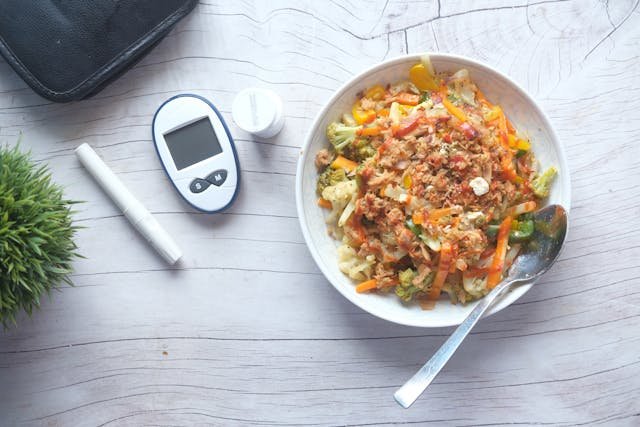
A compelling study conducted by the research scientists at the University of Colorado, suggests that intake of common sweetener might be doing something more than just satisfying the sweet cravings. It can lead to physically weakening the “Blood-Brain Barrier.”
The Study Between Fructose And Blood Brain Barrier
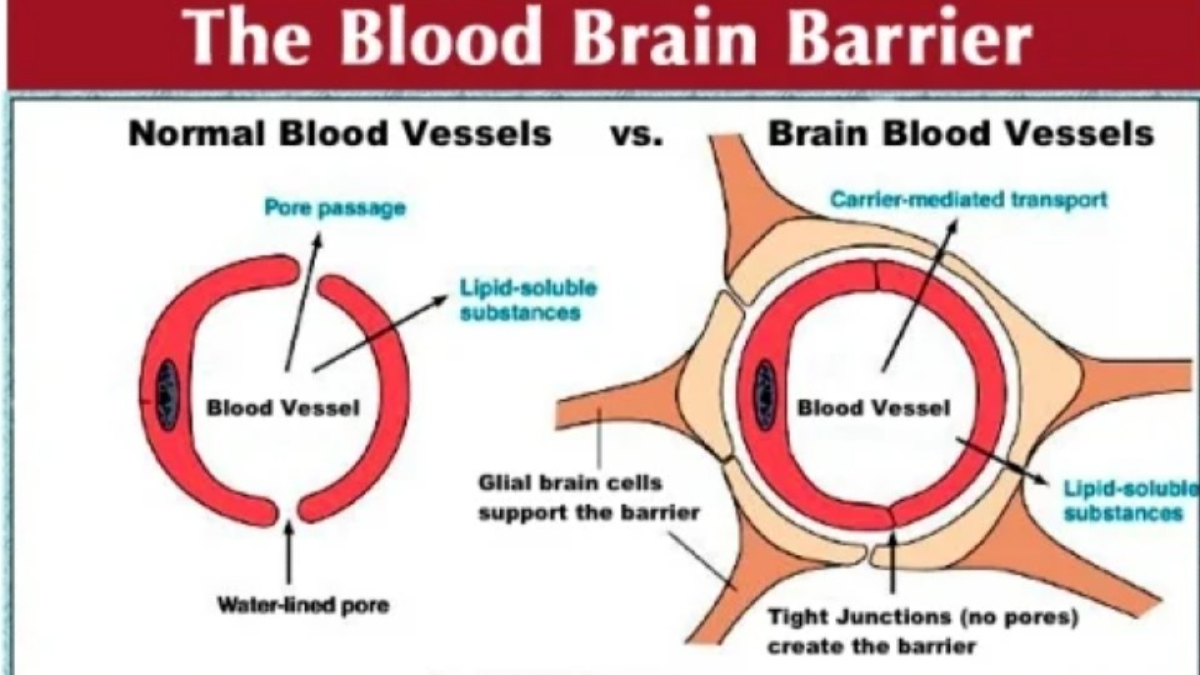
The University of Colorado’s research studies specifically points out the impact of fructose on the brain’s protective systems. The Blood-Brain Barrier is a highly selective semipermeable border of endothelial cells. You can think of it as the brain’s “security detail” as it prevents the entry of harmful toxins, pathogens and inflammation causing molecules from entering the central nervous system while allowing essential nutrients to remain.
As per the researchers, intake of high levels of fructose can cause a trigger of metabolic pathway that leads to:
•Increased Permeability: Due to the intake of high amounts of fructose content foods, the “tight junctions” of the BBB loosens up, resulting in making the barrier “leaky.”
•Neuroinflammation: Once the barrier is compromised, substances that are known to be causing harm to the brain functioning, triggers an immune response leading to chronic inflammation.
•Oxidative Stress: Oxidative stress happens due to the break down of high amounts of fructose in the body that produces “byproducts” damaging the vascular health.
Long-Term Impact On Health

A “leaky brain” is increasingly being linked to various neurological conditions. When the BBB is damaged, our brain becomes prone to getting affected by chronic conditions:
•Alzheimer’s Disease And Dementia: Having chronic inflammation is a precursor to a significant cognitive decline.
•“Brain Fog” And Cognitive Fatigue: Metabolic stress in the brain can have a negative impact on our power of focus and mental clarity.
•Metabolic Disorders: The research study is of the suggestion that a vicious cycle where a damaged BBB, further causes a disruption in how the brain regulates our hunger and energy levels, potentially increasing risk in metabolic diseases like obesity and Type 2 diabetes.
Foods Containing Sweetener
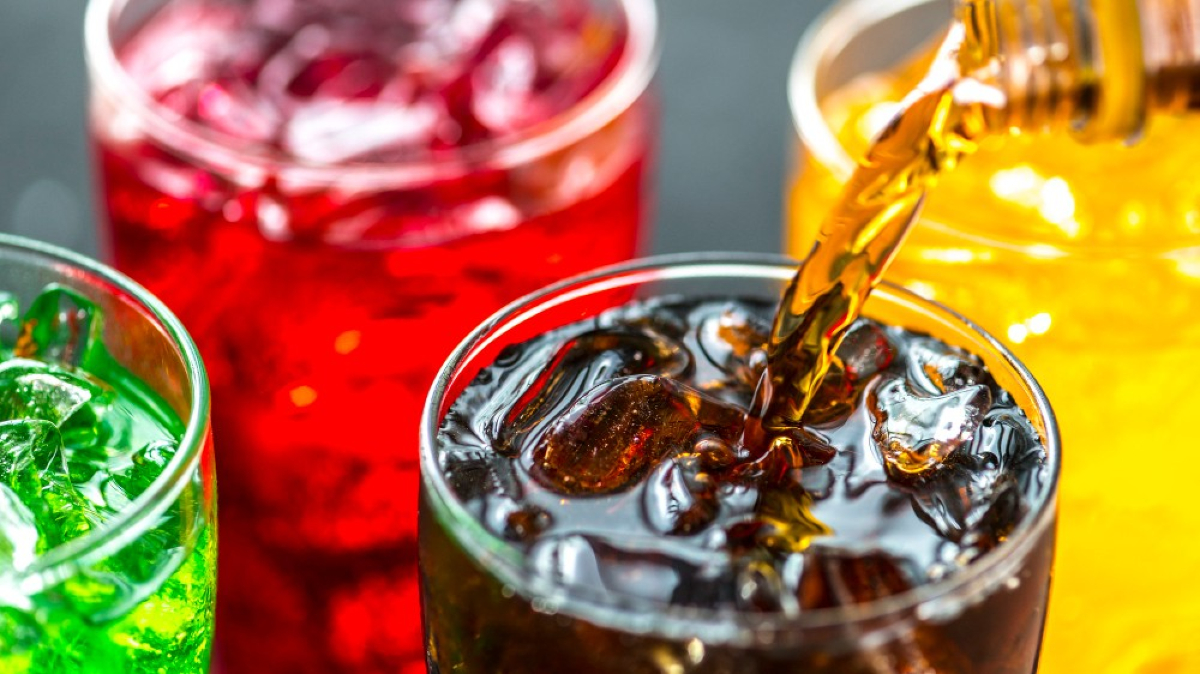
The research study suggests that the fruits containing fructose are not the real culprit here. Fiber content in some fruits slows down the power of absorption, making it manageable for our body. The real danger lies in refined as well as in concentrated fructose foods, which are generally found in:
•Sugar-sweetened beverages(sodas and energy drinks),
•Processed snacks and “low-fat” packaged foods,
•High-fructose corn syrup used in bakeries to make bread and other bakery items.
Protecting Your Brain Barrier
If you crave sweets or sugary foods, it is not necessary to give up on these foods entirely. The best way to tackle this is to follow a strategized diet that focuses primarily on your brain-heath.
•Prioritize On Whole Foods: You can consume whole fruits instead of fruit juices.
•Check The Labelling: Whenever you are eating fructose in the form of a yoghurt, granola bars etc. make sure to check the labelling.
•Boosting Antioxidants: You can also eat foods rich in Omega -3 fatty acids and antioxidants, helping to improve the functioning of the vascular health and reinforce the BBB.