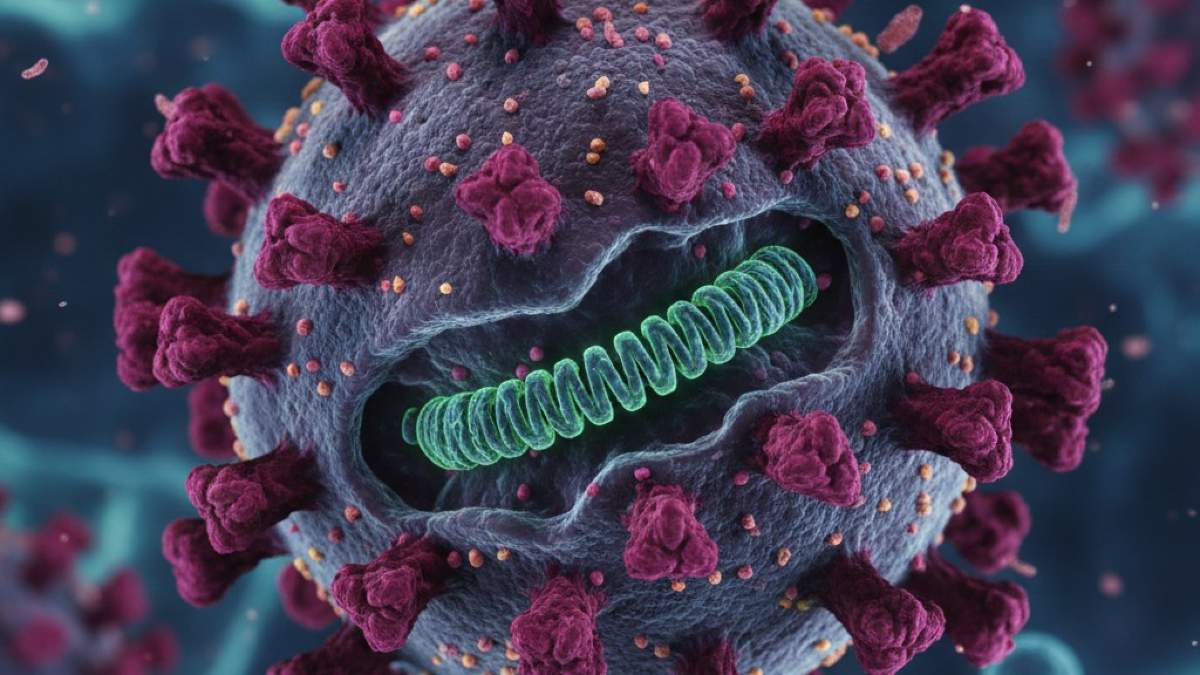
As per the latest health alerts issued by World Health Organization and other health agencies in January 2026, "Nipah Virus" has started affecting people of West Bengal, India. So, the advisory has launched few guidelines for the people worldwide to stay alert and cautious to prevent it from affecting us.
What Is Nipah Virus
According to scientists, Nipah is a “zoonotic” virus, meaning it jumps from animals to humans. Its natural hosts are fruit bats, also referred to as “flying foxes.” It is believed that bats carry this virus without getting affected, making them the silent carriers, hence contaminating the food sources or result in an infection to domestic animals such as pigs, etc.
Transmission Routes
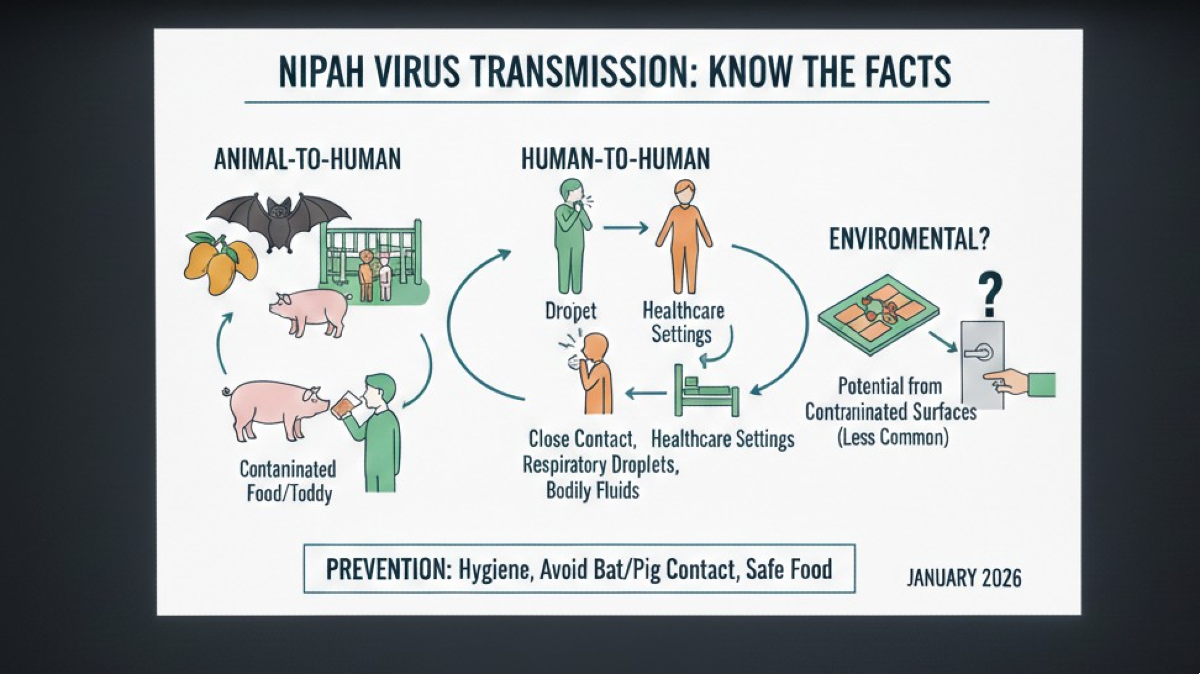
The year 2026 outbreak has highlighted three primary ways the virus enters the human population:
Contaminated Foods: It is considered as the most common route. Bats often feed on date palm sap or fruits. Eating raw date palm juice or fruit that has “bat bites” or is contaminated with bat saliva or urine can result in this dangerous infection.
Animal To Human: Establishing direct contact with infected pigs or other domestic animals.
Human to Human: As per the latest cases in West Bengal, it was confirmed that the virus can even spread through a close contact with the bodily fluids like respiratory fluids, urine or blood of an infected person.
Recognising The Symptoms
Nipah Virus is considered extremely dangerous because it can copy the symptoms of a common cold, but can progress rapidly causing life-threatening brain inflammation.
Early Stage
The virus can show symptoms in early stages, such as:
High Fever and persistent headache that doesn't heal even after taking rest of medications,
Experiencing muscle pain and extreme fatigue,
Sore throat and a feeling of dry cough,
Nausea and Vomiting.
The Final Stage
The final stage is also known as the “danger zone.” Patients can show symptoms like:
"Encephalitis," is an hallmark symptom of Nipah. It causes swelling of the brain, which leads to disorientation, drowsiness and mental confusion.

The affected patient can also show issues related to respiratory distress such as “atypical pneumonia” where the normal breathing process becomes extremely difficult.
In severe cases, patients can lapse into coma within 24 to 48 hours of the onset of neurological symptoms.
Prevention & Response
As per the latest medical sources of January 2026, there is still no licensed vaccine or a specific antiviral cure for the treatment of Nipah Virus. An individual affected from nipah virus is advised to remain in intensive support care, remaining hydrated and managing the symptoms of brain swelling.
Current Global Precautions
Airports of major countries like Thailand, Singapore and Nepal have re-introduced thermal screenings for passengers, who are arriving from prone areas or regions.
Authorities are also urging people to avoid raw date palm sap. If you are planning to consume it, always make sure to boil it before eating to kill the virus.
Make it a habit of maintaining the fruit-hygiene. You can do this by washing and peeling off the fruits in the right manner before eating them. Never eat the fruit if found in ground or also the fruits that appear to have bite marks.
Important: If you have recently travelled to a place which is a affected region and also you have symptoms of common cold or flu, then contact your nearest medical facility immediately. Never wait and delay.