An average sedentary person needs 0.36 grams of protein per pound of body weight to prevent deficiency; this means a 176-pound person should consume at least 64 grams of protein per day. You, me, and everyone want to have protein for more energy, muscle building, and longer satiation. Whether you are a vegan or not, plant-based protein is a sustainable choice for the environment. The fiber in plant proteins supports your gut health and keeps you fuller, without causing inflammation.
Most of the foods mentioned above have 10 to 25 grams of protein per serving and cost no more than $5. They are fibre- and vitamin-rich, with minimal or zero cholesterol, which helps manage conditions such as cardiovascular issues, diabetes, and high blood pressure. By combining these foods with salads, bowls, and smoothies, you can hit your daily protein goals, whether it is 50 or 75 grams. These foods are backed by nutrition science and seem like a perfect choice for busy lives, budget diets, and workouts. Check it out.
Also read || 7 Best Diabetes-Friendly Foods for 2026: Cheap, Healthy Meals to Stabilize Blood Sugar & Boost Energy
Chickpeas: The king of versatility
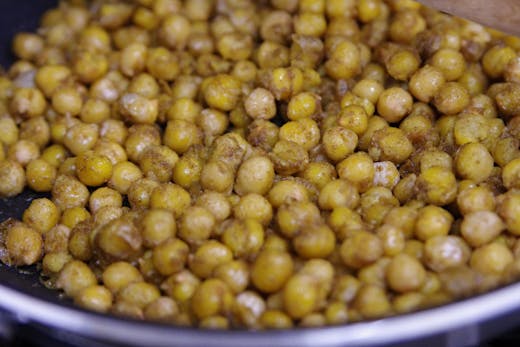
When thinking about the most versatile food that can take your health and taste to the next level, chickpeas are the best of all. They have 14.5 grams of protein and 12.5 grams of fiber per cooked cup (approx. 164 grams). Chickpeas can lower your cholesterol levels and enhance your gut health. According to the NHANES I Epidemiologic Follow-up Study, regular legume consumption can reduce your risk of heart disease by up to 22%, making them an ideal choice for your daily vegan diet. You can roast them with spices, mash them into hummus, or form them into falafel; they are the best option for your weight goals.
Lentils: The legume cousin

Like chickpeas, lentils also belong to the same botanical family, legumes. They offer 18 grams of protein and 15.5 grams of fiber per cooked cup (approx. 198 grams). It comes loaded with iron, folate, and fiber. It can stabilize your blood sugar levels and reduce cardiovascular risk by around 14-20%. The most remarkable thing about lentils is their convenience. You can boil red lentils in 15 minutes for soups or patties, or use green lentils for salads. Further, you can pair with rice for complete meals that fill you up for hours. They are an exceptional food for longevity and weight management.
Tofu: The soy superstar
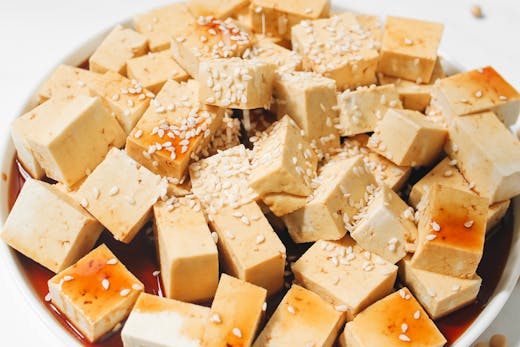
Benjamin Franklin is said to have introduced tofu to the United States in 1770. Still, it remained largely hidden from most Americans until the 1970s. Tofu has 8–10 grams of protein per 100 grams and contains all the essential amino acids present in meat. Cheaper than chicken, it has 70–90 calories and is low in fat. You can marinate it in soy-ginger, stir-fry it, grill it, or scramble it like eggs. This food contains isoflavones that may ease menopausal symptoms in women. Further, it is best suited for your heart and costs less than $3 if cooked smartly.
Edamame: Best of green protein
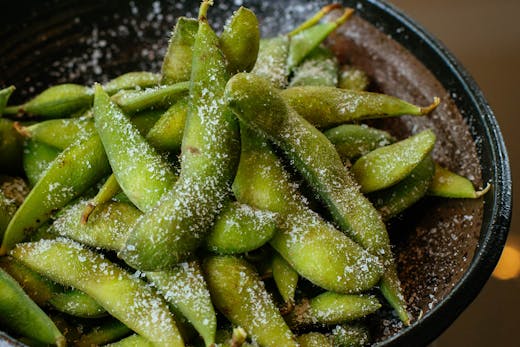
These young green soybeans were first mentioned in Japanese records in 1275. Edamame is a nutrient-dense snack with 11-12 grams of protein per 100 grams. It contains all of the essential amino acids, making it a complete protein. It has a higher nutrient density than tofu and provides 120-140 calories. The richness of healthy polyunsaturated fats makes them an ideal food for lowering cholesterol, improving brain function, supporting cell growth, and reducing inflammation. You can toss them into your grain bowl or eat them with garlic and chilli. This snack is packed with fiber and antioxidants, such as kaempferol, which support your longevity and overall health.
Quinoa: Full-Protein Pseudo-Grain

Quinoa is here to prove you wrong about traditional grains. Technically, it is a seed rather than a grain, providing 8 grams of protein per cooked cup (approx. 185 grams), and is one of the rare plant sources of all nine essential amino acids. In addition to being vegan-friendly, it is naturally gluten-free and provides 222 calories per cup. It is exceptionally rich in magnesium, which helps prevent muscle cramps, and iron, which is excellent for building endurance and stamina. However, one should rinse the seeds to remove bitter saponins before boiling them for 15 minutes. A perfect addition to salads or sides, it has a low glycemic index. It is packed with fiber to support digestion and steady health.
Peanuts & Natural Peanut Butter: The best spread to get
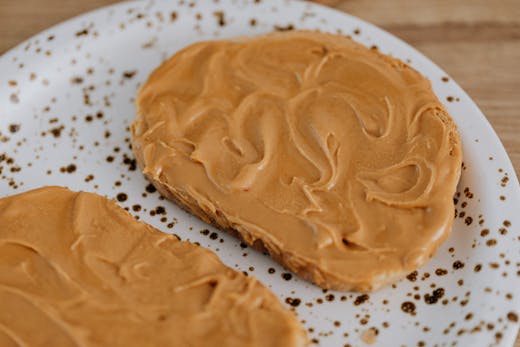
If you love butter spreads, nothing can beat a good natural peanut butter. It is a powerhouse for both your wallet and your health. Just two tablespoons of natural peanut butter can give you 8 grams of protein (approx. 25 grams per 100 grams), along with healthy monounsaturated fats that can cut heart disease risk by nearly 20%. The $3 to $5 jar typically offers around 14-15 servings (at about 25–35 cents each). Moreover, you can add it to your oats, spread it on an apple, or blend it into smoothies to have the most delightful experience. Nevertheless, always pick the no-sugar, no-salt variety to keep your weight in check and manage blood pressure and diabetes.
Also read || Processed Foods That Are Not as Bad as You Think
How to use vegan foods to the fullest?
The myths of consuming animal protein stop many people from adhering to a healthy vegan diet. Animal protein undoubtedly contains the most essential amino acids, helping you maximize your gains, build muscle, and stay lean. However, there are vegan ways that can be great for your health without causing much inflammation or other risks.
If you are aiming for 1.2g per kilogram of body weight, you can bulk buy these foods and track them via smart apps. Eating whole foods absorbs better than shakes, and you can still build powerful muscles and perform well by eating vegan foods. From Venus Williams to Novak Djokovic, there are plenty of examples who adhere to a majorly plant-based diet and nail it in life.