Modern smart hydration focuses on “how” and “when” rather than just focusing on “how much.” By properly syncing your water intake with your body's unique biological and daily requirement levels, you can avoid the mid-day energy slump and keep your metabolic processes running at the peak of efficiency.
The Science Behind Cellular Absorption
Drinking a gallon of water doesn't guarantee that you are hydrated. In fact, if you drink too much plain water too quickly, you risk flushing out essential minerals. Bioavailability is the “secret sauce” or smart hydration. For water to enter your cells effectively, it often requires a precise balance of electrolytes, specifically sodium, potassium and magnesium.
This is where the concept of “structured” or “functional” hydration comes in. By sipping water consistently throughout the day rather than drinking large amounts of water at once, you allow your kidneys to filter out toxins from your body effectively. This also ensures that the water actually reaches your tissues instead of just passing through your system.
High-Tech Tools For Tracking
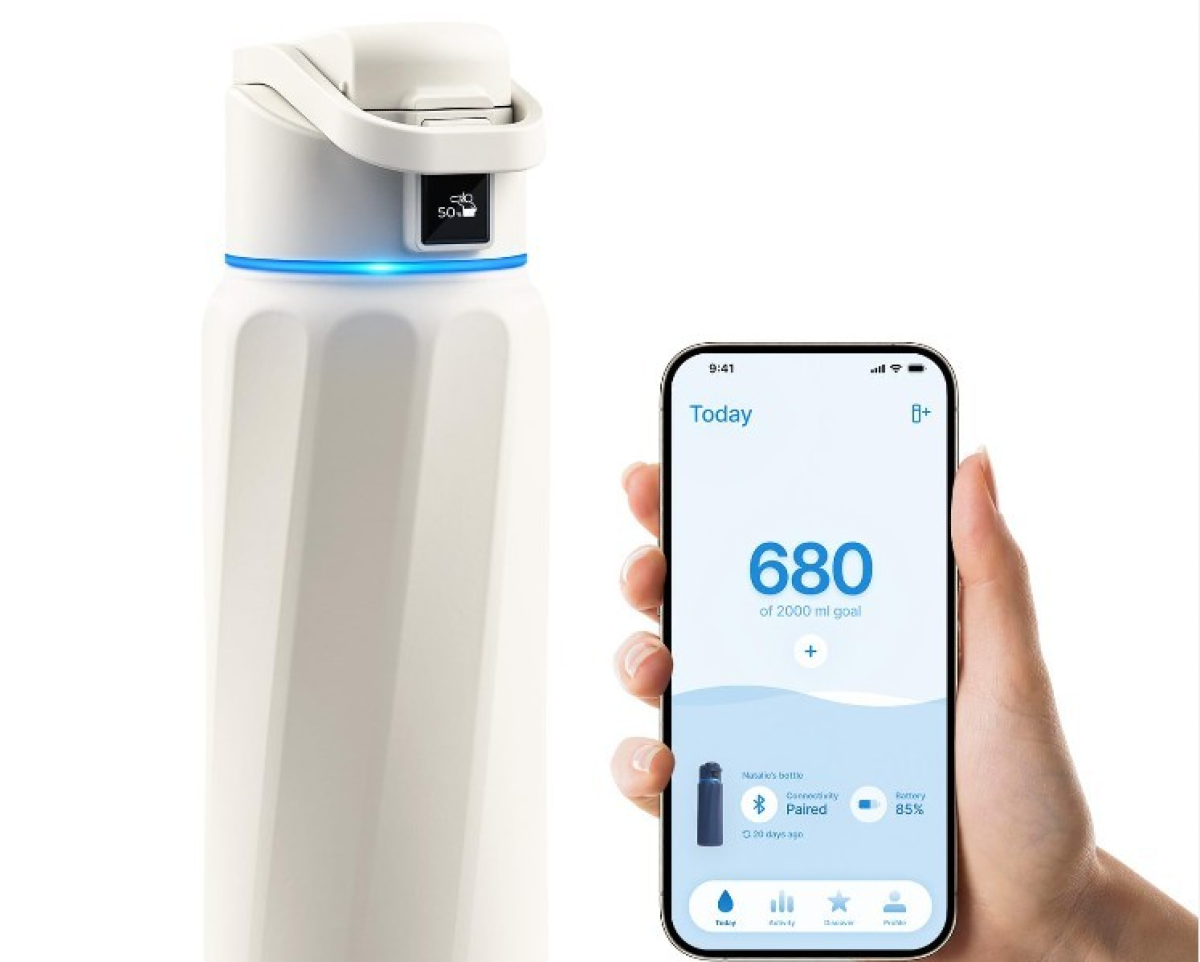
The rise of wearable technology has made it a lot easier than ever to master your hydration levels. We are seeing a surge in “smart water bottles” that sync via "Bluetooth" to your fitness tracker, adjusting your daily goal based on the local temperature and your sweat output during a workout.
What is more impressive is the latest “biosensors.” Some high-end wearables can now analyze interstitial fluid or sweat composition to tell you exactly which type of electrolytes you are losing from your body. This level of precision allows you to move away from generic health drinks towards personalized hydration protocols that matches with your specific physiological needs.
Building Your Smart Hydration Routine
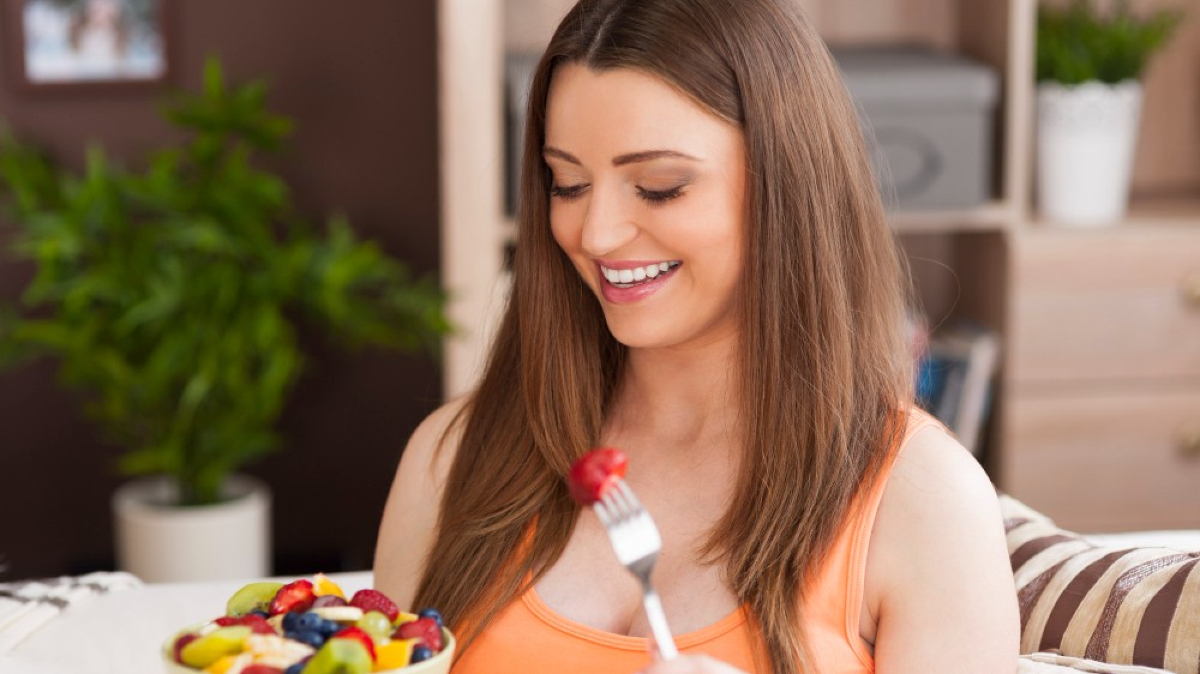
Starting a smart hydration journey doesn't require setting up a laboratory. You can start by paying attention to your body's subtle signals before you start feeling thirsty. The signals can range from dry eyes to headache, or you can even face concentration issues when you are dehydrated. To avoid feeling dehydrated, you can start your morning with 16 ounces of water infused with a pinch of sea-salt or a lemon to kickstart your electrolytes after a night of good sleep.
Another key suggestion is “eating fiber.” You can include moisture rich foods like cucumbers, celery and watermelons as they are loaded with fiber and important vitamins. By mindfully combining tech-driven tracking with consistent water-sipping as well as eating mineral rich fruits and vegetables, you are not just drinking water but fueling your biological engine!