
Insulin resistance is commonly referred to as “silent condition,” as it does not always show up on a standard blood glucose test until it is already in advanced stage. This particularly happens when your body pumps out insulin more than required, this “high-insulin” state is the root cause of the most frustrating health symptoms of the modern era.
The Afternoon Sugar Crash

Have you ever been in a condition where you have to take a nap of atleast 30 minutes after having lunch? When your body is insulin resistant, your body overreacts to the food you have taken by dumping excessive amount of insulin into your blood. This makes your blood sugar levels to increase rapidly, leading to that shaky, irritable, “hangry” feeling that only a cookie or a soda seems to fix.
Excessive Weight Gain

If you are gaining weight specifically around your mid-section, “the visceral fat” while your arms and legs stay thin, insulin is likely the culprit. Insulin is known to be a storage hormone; it's main jon is to tell your body to store fat and stop burning it. Having high insulin levels act similar to a padlock of your fat stores, making weight loss feel like an impossible even with regular excercise.
Darkened Skin

If you are insulin-resistance, you are going to have a darkened skin, looking similiar to a “dirt” that won't wash off, typically found in the roles of the neck, armpits or groin area. Additionally, a sudden explosion of small skin tags found around the neck or chest is often a direct signal that your insulin levels are chronically elevated.
Chronic Brain Fog

Your brain requires enough glucose to function smoothly. When your cells resist insulin, your brain struggles to get the steady supply of energy it needs to function. This manifests as symptoms like difficulty in concentration, having poor memory and a feeling of being “spaced out” throughout the day.
Constant Cravings For Carbs And Sweets

When your cells are “starving” because they cannot access the sugar in your blood, they send urgent SOS signals to your brain. This results in intense, almost uncontrollable cravings for bread, pasta and sugar. It signals a biological survival signal.
Excessive Thirst & Frequent Visits To Washroom

If you find yourself feeling thirsty often, especially at night but never feeling hydrated, your body may be trying to flush out excess amounts of glucose levels. When insulin can't send sugar into your cells, it stays in your bloodstream, raising your glucose levels. Your kidneys then have to take the load of flushing out these excess glucose from your body through urine, which drags fluids out of your tissues and leaves you feeling persistently parched.
Night Sweats And Poor Sleep

Doctors say that if an individual does not get enough sleep even for a single day, it can temporarily increase insulin resistance. Many people having metabolic dysfunction report waking up in the middle of the night feeling hot or drenched in sweat as their blood sugar swings wildly while they are asleep.
Reversing The Trend
It can be frustrating to know that you or your loved one have insulin-resistance. However, it is not a life sentence. With the medical community shifting towards “Metabolic Flexibility,” it is guiding your body to switch between burning sugar and burning fat.
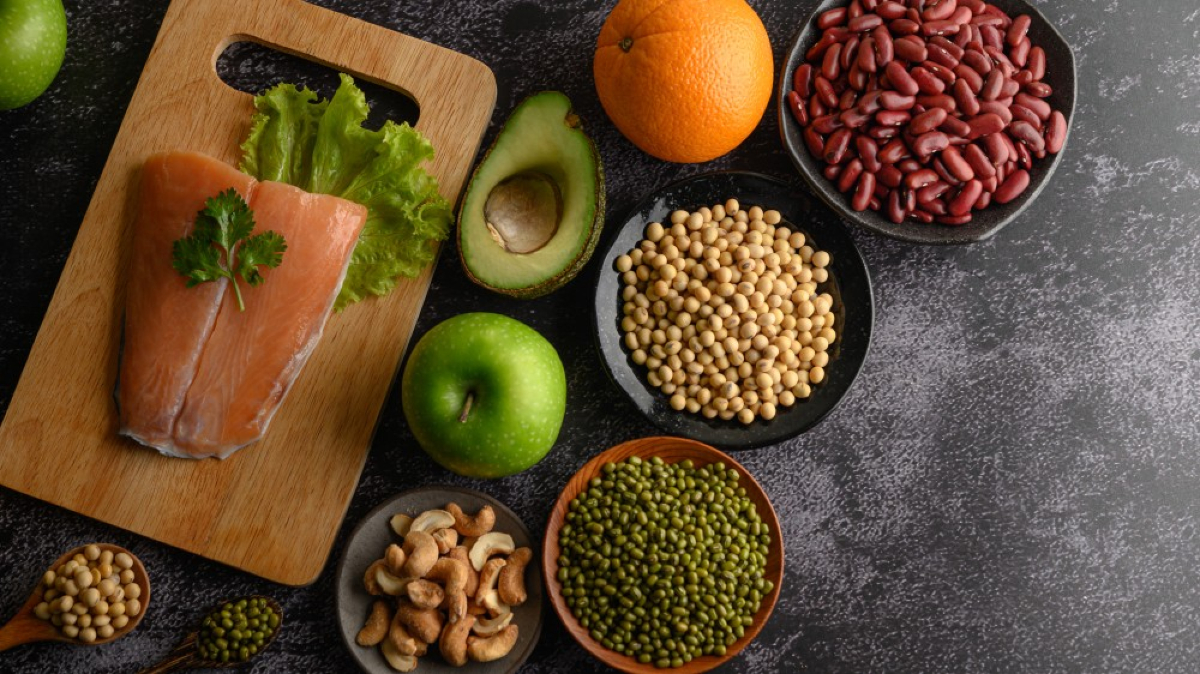
Add Protein & Fiber: Add enough protein as well as fiber in your meals to slow down the unnecessary increase in sugar levels.
Everyday Walk: Make sure to regularly walk atleast for 10 minutes, especially after a meal allowing your muscles to soak up sugar without needing as much insulin.
Strength Training: Studies suggest that building muscles creates more “sinks” for glucose levels to go, naturally lowering down your insulin needs.