
Food is a critical part of our lives, especially when you are allergic or when your doctor advises you to avoid it. Around 1% of the global population has celiac disease, which affects the immune system and the intestine; similarly, 0.5-1% of people have wheat allergies, and 0.5-6% of individuals have gluten sensitivity. It shows how millions of people have gluten-related disorders worldwide, and there are only a handful of options.
Not being able to have gluten may look restrictive, but there are a few available options one can try. Apart from medical reasons, you can still have gluten-free foods that are rich in nutrients and can provide you with a fantastic eating experience. You can expand your culinary horizons by having a well-planned gluten-free diet to minimize inflammation and improve overall health.
Also read || Why Green Tea Is Your Secret Weapon This Season
Have a look at these seven gluten-free foods for reduced inflammation and better overall health. Check it out.
Quinoa: The Complete Protein Powerhouse
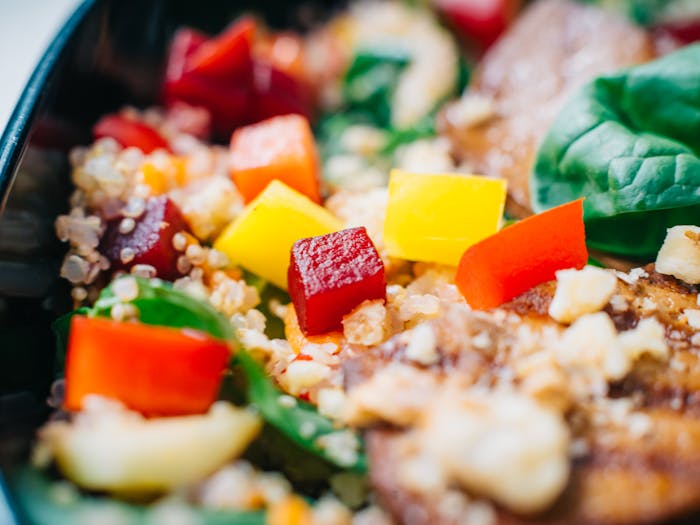
If you love grains, Quinoa is all you need. It is a rare botanical gem that serves as a complete protein source. Packed with all nine essential amino acids, it has roughly 18 grams of protein per cooked cup. It is a foundational fuel for muscle repair and improved metabolic health. Apart from protein, it is rich in magnesium, which supports neurological function and helps improve blood pressure. You can eat it with a nutty base for Mediterranean bowls or as a warm morning porridge.
Buckwheat: Best for Heart Health

While searching for an alternative to wheat flour, Buckwheat came to mind. Despite the confusing name, Buckwheat is unrelated to wheat and is naturally gluten-free. It has rutin, a powerful antioxidant that strengthens capillary walls and improves systemic circulation. It has an earthy flavour and is perfect with noodles and savoury crepes. You can get 25 grams of protein from just a cup, and its highly soluble fibre content makes it an excellent choice for people with diabetes.
Almond Flour: Ideal for Low-Glycemic Baking

Almond flour is a game-changer for anyone missing the texture of traditional baked goods without the inflammatory spikes of refined white flour. If you are concerned about healthy skin, almond flour can help with its Vitamin E content and monounsaturated fats. Good for your heart health, it offers 24 grams of protein per cup. Also, if you are trying to lose weight, it has lower carbohydrates than wheat, which helps in stabilizing insulin levels. This food is perfect for baking dense, moist muffins or crumbly tart crusts to satisfy your appetite.
Sweet Potatoes: More than Just a Holiday Dish

When seeking nature's bioavailable energy, one must try sweet potatoes. They are a critical source of beta-carotene and Vitamin A, making them best for people with low eyesight and weak immune systems. Though low in protein, it gives about 4 grams of fibre, making it ideal for your gut. The complex carbs in sweet potatoes keep you energized and are best consumed before workouts. Roast them to crispy wedges or mash them with a bit of salt; it always hits the right spot.
Also read || Best High-Protein Vegan Foods in 2026: Cheap, Healthy Plant-Based Protein for Everyday Meals
Coconut Flour: The Fibre-Rich Metabolism Booster

Coconut flour is unique in the gluten-free world for its exceptional absorbency and high concentration of Medium-Chain Triglycerides (MCTs). These healthy fats are sent straight to the liver for immediate energy rather than being stored as fat. With 10g of fibre in a small serving, it drastically improves digestive regularity and promotes satiety. Compared to other flours, coconut flour requires more liquid in recipes due to its light texture.
Lentils: The Budget-Friendly Iron Source
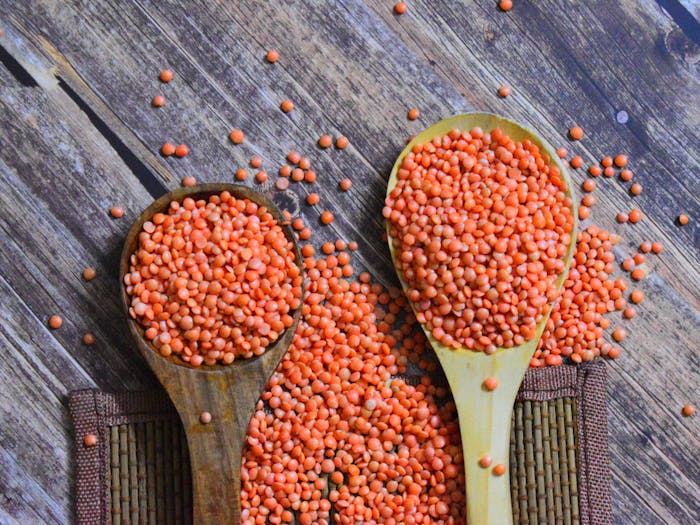
Lentils are the heroes of all the plant-based foods. Despite being plant-based, lentils offer around 18 grams of protein per cup and a massive dose of folate for cellular repair. For those avoiding gluten and dairy, it is the best available option because of the Iron and B Vitamins, which are absent in most gluten-free foods. If you are suffering from high cholesterol and cardiovascular issues, the soluble fibre in lentils can keep you stable. Moreover, they are convenient to cook and add substantial density to any meal.
Also read || 15 Easy Ways to Lower Your Blood Sugar Naturally
Fresh Berries: The Brain-Boosting Finish

Nothing beats fresh berries, whether it is blueberries, raspberries, blackberries or strawberries. They contain anthocyanins, which have been shown to improve memory and protect the brain from oxidative stress. These Vitamin-C-rich berries are low in sugar, yet their flavours deliver the same satisfaction without triggering a high glycemic response. Research shows that if you consume berries regularly, you will have better heart health and improved arterial function. Add it to your smoothie or shakes for a heavenly experience.
Why do gluten-free foods matter?
Gluten is a protein "glue" found in wheat, barley, and rye. In Celiac disease, even a crumb of gluten can trigger an autoimmune attack on the small intestine and the immune system. People with celiac disease cannot absorb nutrients from gluten, which can cause fatigue.
Many people face non-celiac gluten sensitivity. So, eating any gluten-rich food can cause painful bloating and brain fog. Unlike a lifestyle choice, going gluten-free is a medical necessity for millions of people to stop internal inflammation and scarring. So, when you choose gluten-free foods, you choose a better life—a life with energy, sharp focus and minimal inflammation.