Recent studies estimate that the prevalence of global adult Non-Alcoholic Fatty Liver Disease (NAFLD) is about 30%, which means roughly 3 out of 10 adults may be affected. Liver diseases are common, and while early diagnosis can make a big difference, good habits still matter a lot if your eating patterns are not ideal.
Your liver is that silent friend who does all the work and never complains. It acts like an accountant, carefully managing nutrients, toxins, and energy. It won’t complain if you have that extra cheesy pizza or a late-night drink, and it works 24/7 to filter your blood, produce bile for digestion, and store essential vitamins.
Protecting this three-pound powerhouse with hundreds of vital functions is not just important; it is essential for a healthy life. The modern world is full of environmental stressors, and what you eat can make a real difference, so here are some of the best foods you can add to your kitchen to help support liver health.
Also read || Intermittent Fasting: What It Really Does to Your Brain and Body
Coffee: The Morning Shield
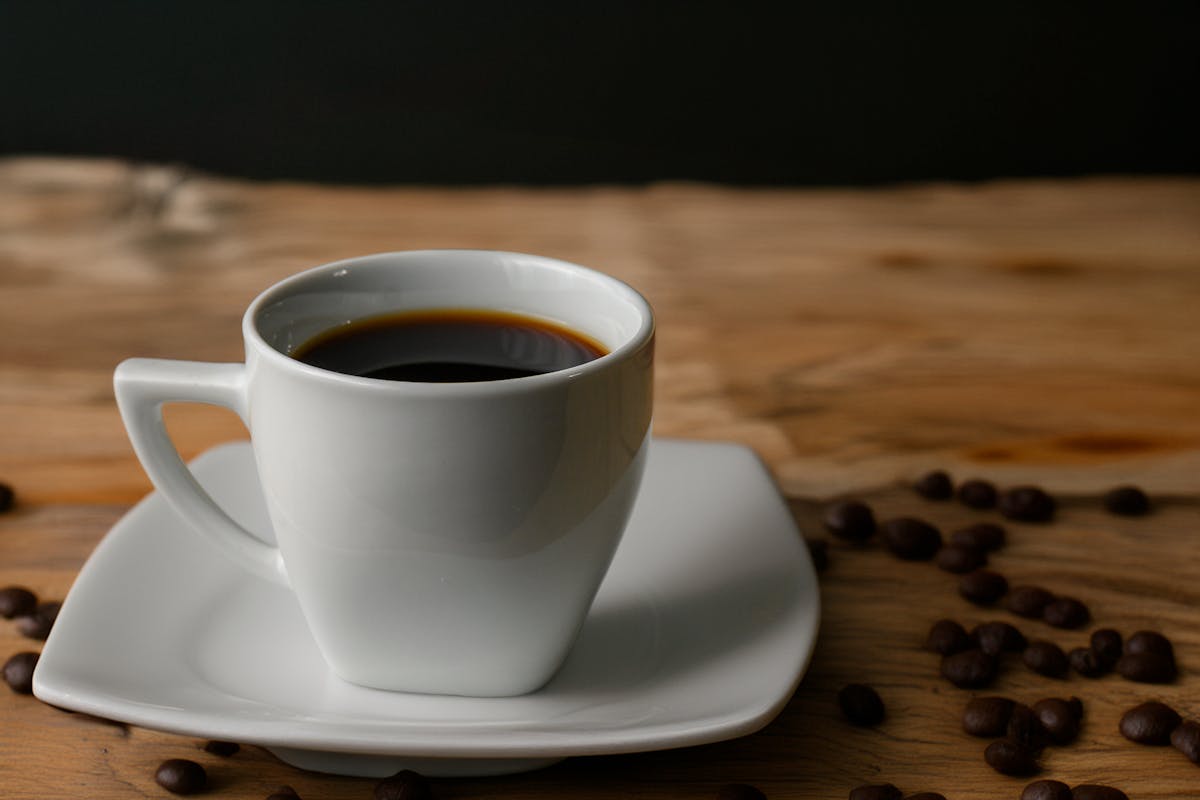
Nothing beats a good cup of coffee in the morning. Like it or not, your morning brew may be one of the better everyday drinks for your liver. Studies have linked moderate coffee consumption, around 2 to 3 cups a day, with a lower risk of liver damage and cirrhosis. What’s interesting about coffee is how it may affect liver enzymes and inflammation. It may help limit fat buildup and support antioxidant activity in the body. However, try not to overload it with refined sugar and heavy cream, because those can cancel out some of the benefits. Black coffee, or coffee with a lighter touch, is usually the better choice.
Turmeric: The Golden Healer
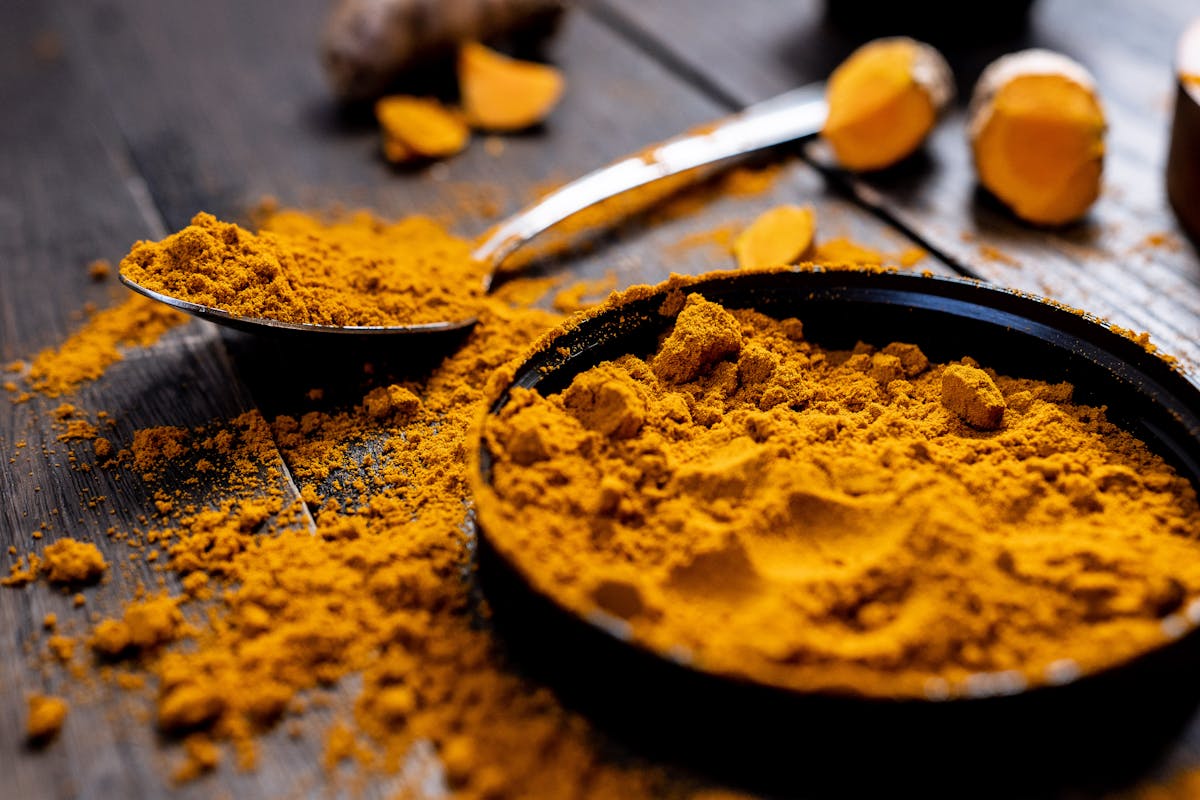
Not everything that glitters is gold, but turmeric definitely earns its place in the spice cabinet. Its active compound, curcumin, has been widely studied for its potential anti-inflammatory effects. Some research suggests turmeric may support liver health by helping reduce inflammation and supporting bile flow, which helps the body process fats. For better absorption, turmeric is often paired with black pepper, which can improve how curcumin is absorbed by the body.
Also read || 7 Best Diabetes-Friendly Foods for 2026
Cruciferous Vegetables: The Detox Crew
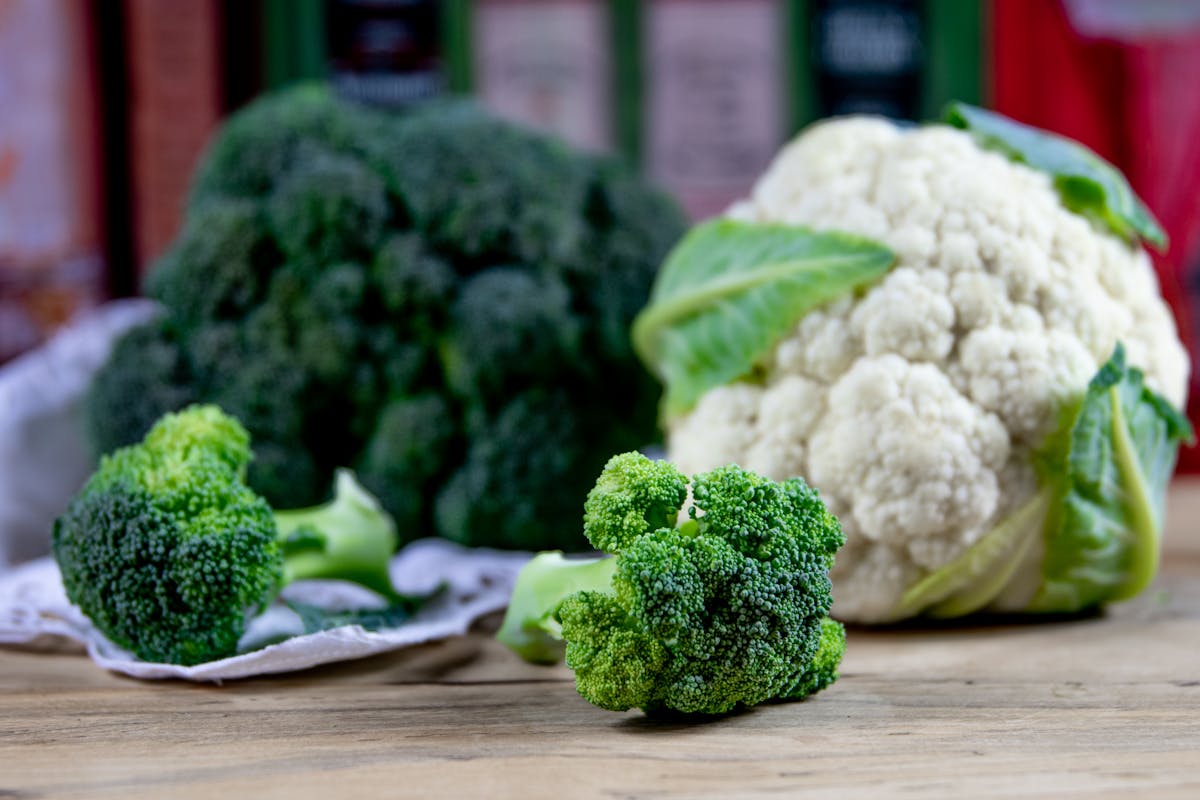
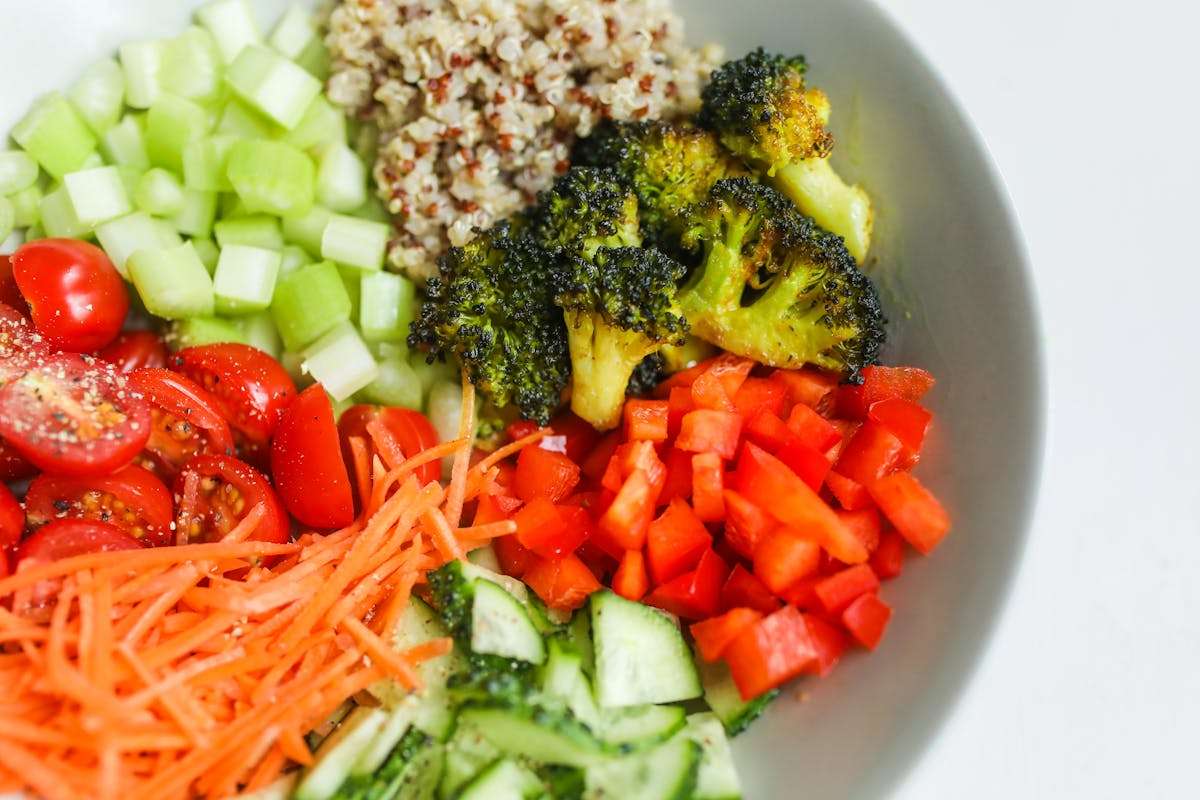
Vegetables are underrated when it comes to liver health, especially cruciferous ones like Brussels sprouts, kale, broccoli, and cauliflower. These are not just great fiber sources; they also contain beneficial plant compounds such as glucosinolates. When you eat these vegetables, your body breaks down those compounds into active substances like sulforaphane. Research suggests these compounds may support the liver’s natural detox processes and help the body handle oxidative stress more effectively.
Fatty Fish: The Omega-3 Oil Change
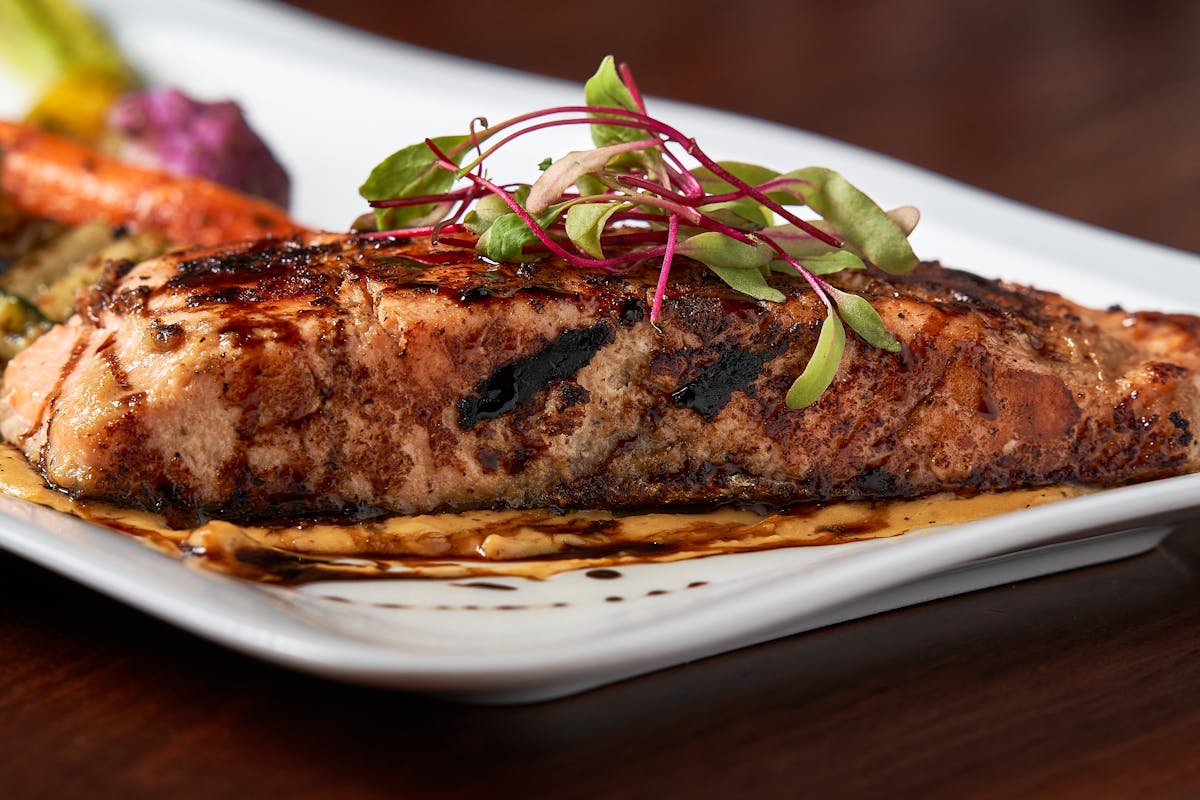
If you enjoy seafood, fatty fish like salmon, mackerel, and sardines are among the best sources of omega-3 fatty acids, including EPA and DHA. They are already known for heart health and quality protein, but they may also support liver health. In the context of NAFLD, omega-3s may help reduce inflammation and improve fat metabolism. Some studies suggest they can help lower liver fat and triglyceride levels, especially when combined with other healthy lifestyle changes.
Also read || 5 Must-Know Updates in the New Cholesterol Guidelines
Walnuts: The Everyday Snack
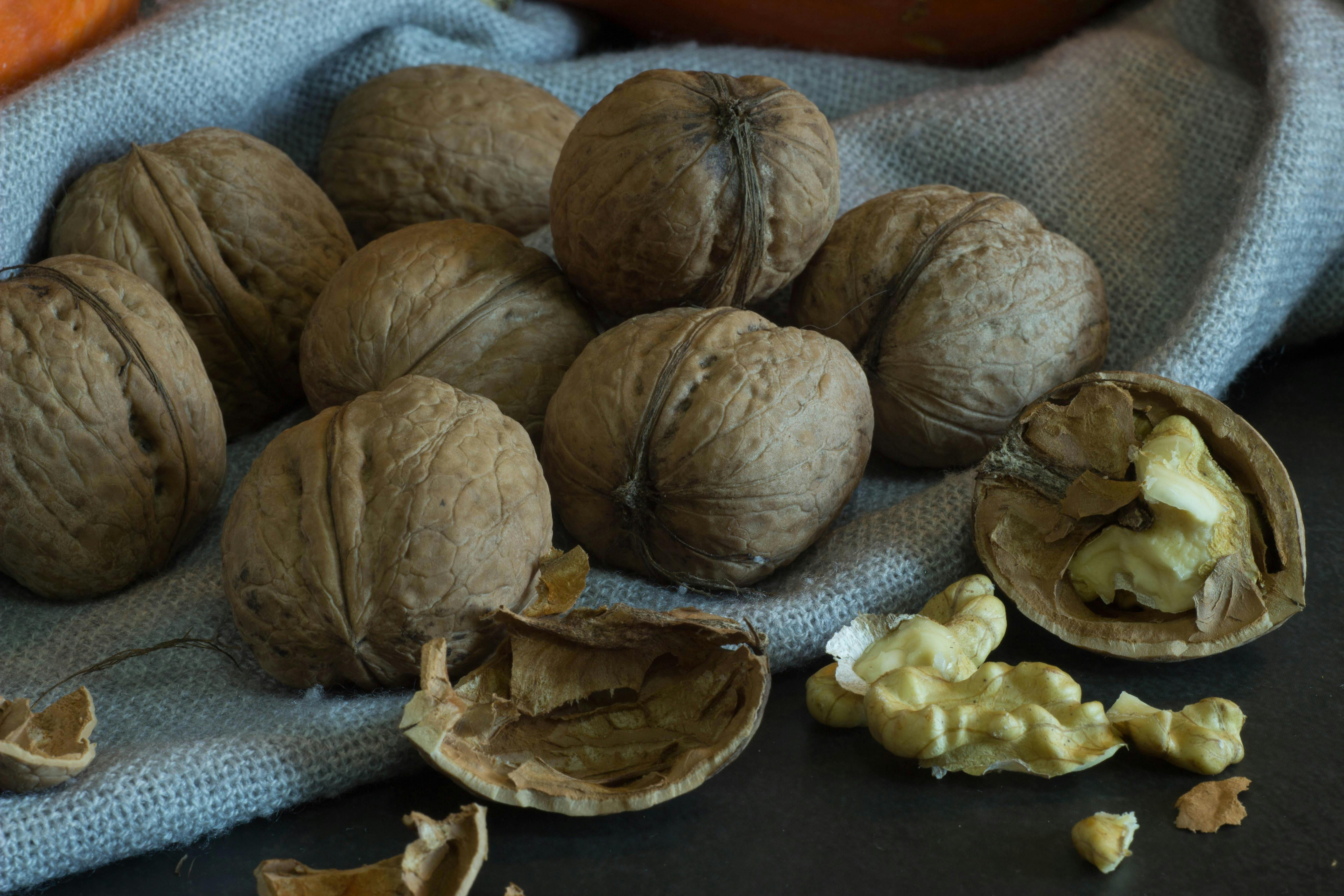
Walnuts are often praised for brain and heart health, but they may also be a smart choice for the liver. They are a good source of healthy fats, plant compounds, and nutrients that support overall metabolic health. They also make an easy, satisfying snack. A handful of walnuts can be a simple way to add more nutrient-dense food to your day without overcomplicating your routine.
Extra Virgin Olive Oil: The Healthy Fat Buffer
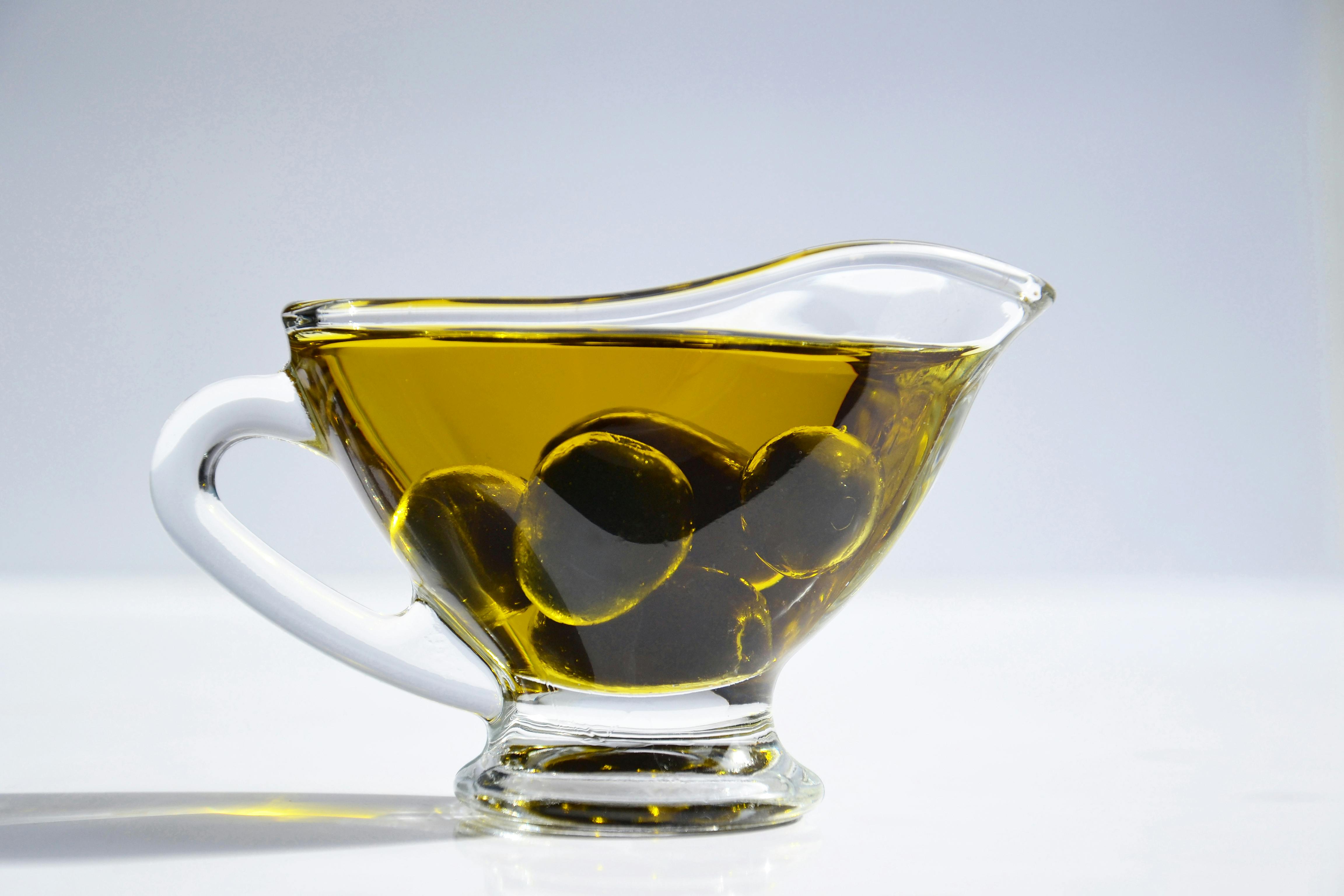
You may like butter or lard, but they are not always the best everyday choices for your liver. Olive oil is different because it is rich in monounsaturated fats, which are generally considered more liver-friendly than saturated fats. Some studies suggest extra virgin olive oil may help support healthier liver enzyme levels and improve insulin sensitivity. That matters because better insulin sensitivity can help reduce the tendency to store extra sugar as fat in the liver.
Berries: The Antioxidant Armor
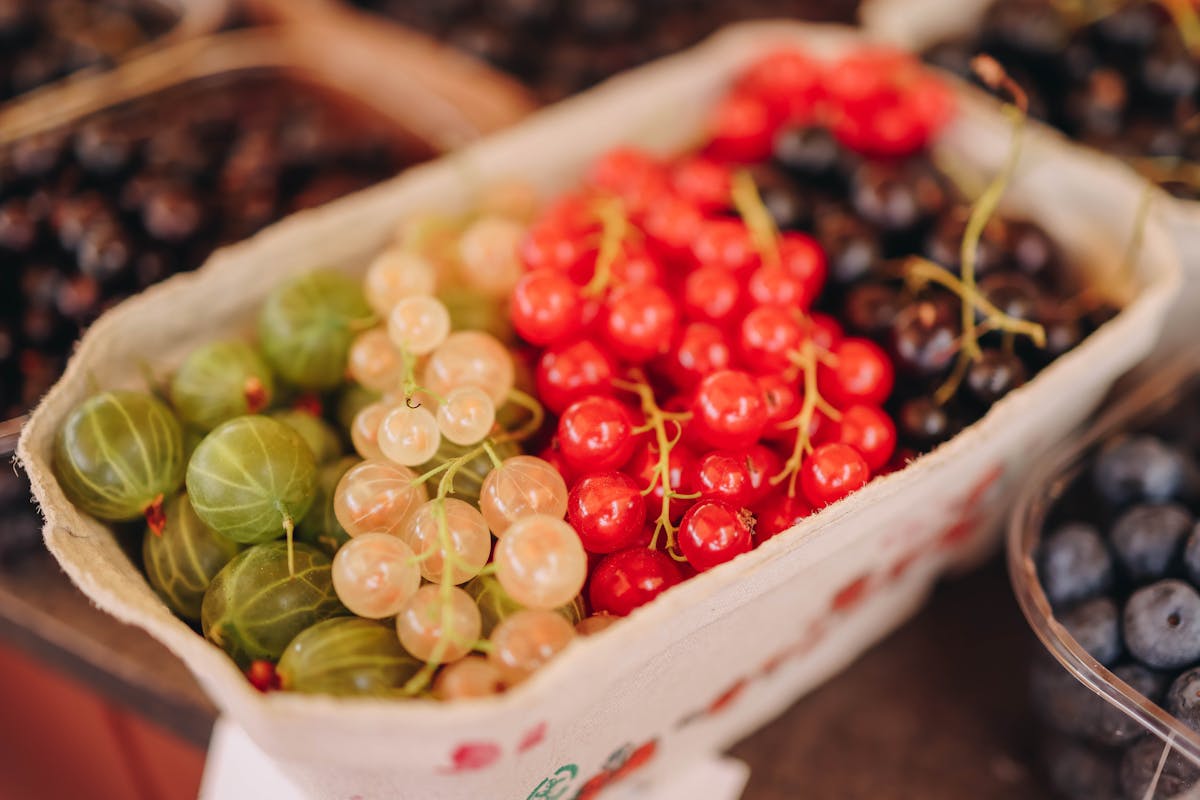
Berries are power-packed foods that fit easily into a liver-friendly diet. Blueberries, cranberries, and raspberries are loaded with anthocyanins, which give them their rich color and antioxidant strength. These compounds may help protect cells from oxidative stress, which is one of the factors linked to ongoing liver damage. A handful of berries is a simple, tasty way to add color and nutrition to your plate.
Also read || Are You Hydrated? Learn The Art Of Smart Hydration!
Making It Stick
Choosing health over comfort is never easy. While these foods can support your overall health, they are not a replacement for medical advice. If you are concerned about your liver, the best step is to speak with a qualified hepatologist or gastroenterologist who can guide you properly.
The real goal is consistency. When you add these foods and make healthier choices more often, you are not just eating consciously; you are giving your liver the support it deserves. Your liver works hard for you every single day, so it makes sense to return the favor.
Comments (0)
Log in to share your thoughts
No comments yet
Be the first to share your thoughts!