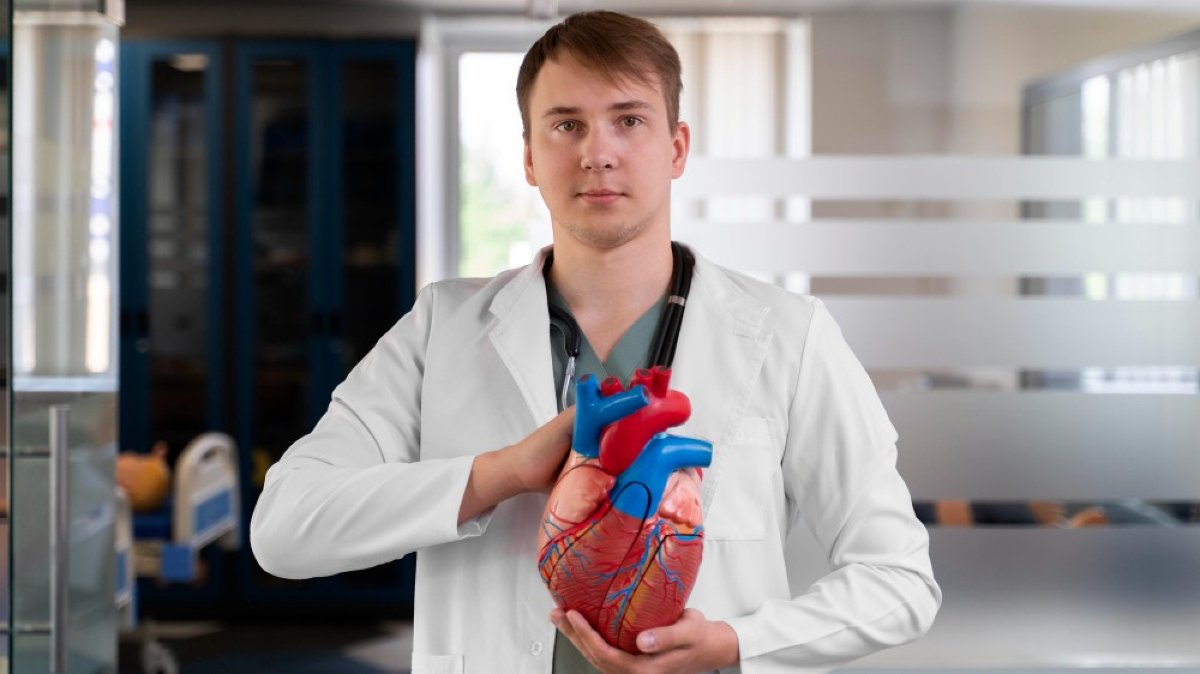
When we hear someone talking about heart trouble, we usually imagine a dramatic scene where a person is clutching their chest in sharp pain. But as per many cardiac experts, the heart is often much more subtle and weird with its warning signs. If you are waiting for a big reason which will prompt you to immediately rush to the nearest health care advisor, then you might be missing the quiet whispers of a heart under stress.
Look out for these 5 symptoms which cardiologists say you should never ignore:
1. The “False” Toothache or Jaw Pain
While you might think of reaching out to your dentist for the unexplained pain in your teeth, that could actually be a warning sign of a heart attack. Now, you might wonder about this weird combination, but there is of course a reason behind this relation.
The nerves serving your heart and your jaw are located closely to each other. When the heart is in stress for some reason, the brain can get “crossed signals,” making you feel the pain in your teeth instead. You can identify this pain and stay cautious especially during the time when you exercise and it immediately stops when you rest.

2. Snoring and Sleep Apnea
If you are experiencing a loud and disruptive snoring, especially the one where you have to gasp for air to breathe, then it is not simply a bedroom nuisance. This phenomenon is referred to as “Obstructive sleep apnea” that places immense stress in your cardiovascular system.
Every time you stop your breath, your oxygen levels fluctuate and that triggers a “fight or flight"response that immediately raises your blood pressure and strains the heart muscle. It is a warning sign given by your system to stay cautious about your deteriorating cardiac condition.

3. Persistent Digestive Issues
It has noticed that many people dismiss their heart attacks by replacing it with a simple acid reflux. If you feel a heavy, burning sensation or bloating in your upper abdomen that does not improve at all with antacids, then pay attention to your body.
Doctors suggest that this is particularly common in women who experience nausea, vomiting, or heaviness in the stomach rather than crushing chest pain.

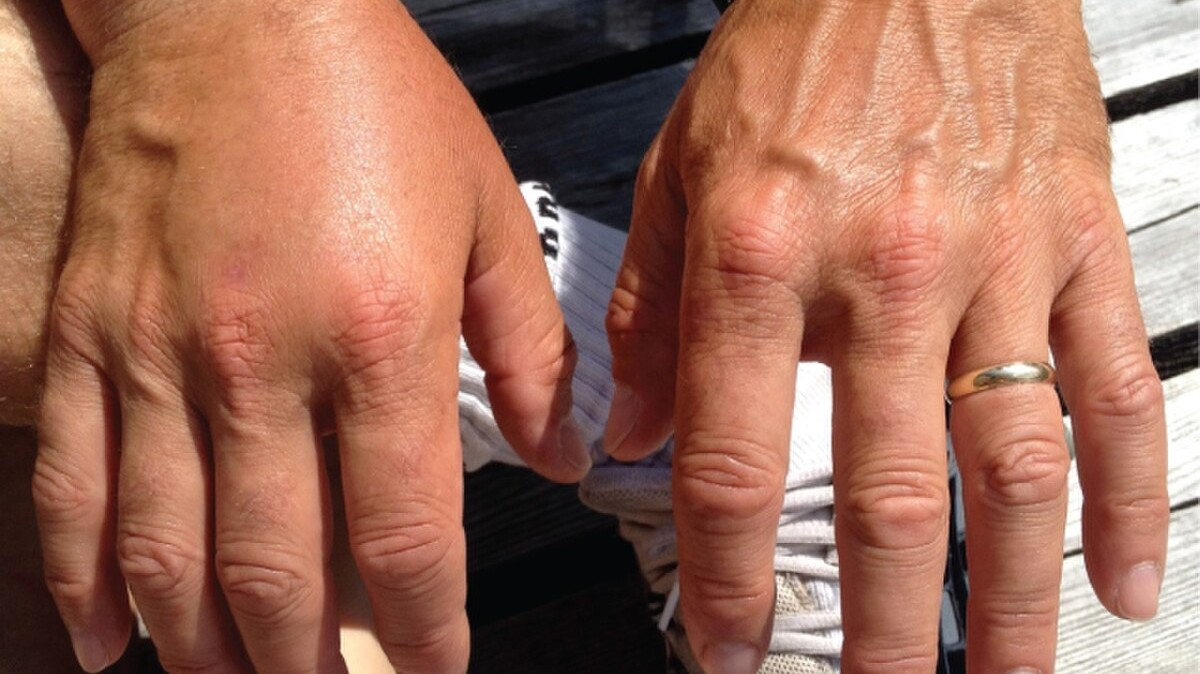
4. Swollen Feet or Hands
If you notice that your feet or hands have swollen up, then don't ignore it. Your heart might be struggling to pump the blood effectively, resulting in a health issue called “edema.” This phenomena can cause your feet or hands to swell up in a way that you might not wear your shoes properly or your swollen hand makes you unable to do tasks easily.
Edema results when the heart cannot pump the blood as effectively as it should, as a result the blood gets stored in the veins. This causes the fluid to leak into the nearby tissues, gravity pulling it down to your feet or hands.
5. Sudden, Extreme Fatigue
It is absolutely normal to feel tired after a hectic day. What is not normal is to feel tired even after having a good amount of rest. If you are experiencing this, it could be indicative of cardiac fatigue. You might feel extremely tired by doing just simple tasks such as making the bed or walking to the mailbox.
If you find suddenly that your usual stamina has reduced, your heart may not be getting enough oxygenated blood to your muscles.

When to Call The Health Care Provider
If you are experiencing any or all of the above sentences, don't wait. A quick consultation with your doctor or a cardiologist can play a key role in preventing any future cardiac related health ailments.
Important Note: If you are experiencing symptoms like sudden chest pain, shortness of breath, or experiencing pain radiating down your left arm, immediately call your nearest emergency services to avoid any complications.