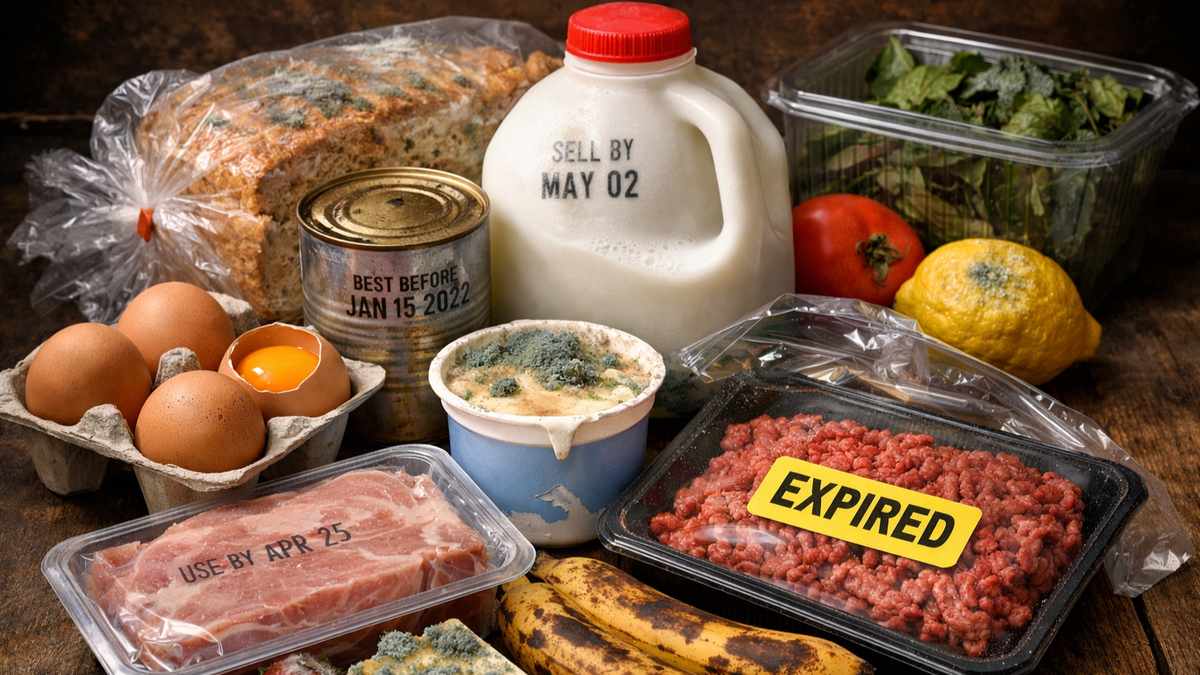
Food expiration dates often confuse people. Many believe that once the printed date on a package has passed, the food automatically becomes unsafe to eat. In reality, expiration dates usually refer to food quality, not safety. Most foods remain safe even after the printed date, as long as they have been stored properly and show no clear signs of spoilage.
This article explains what food date labels truly mean, when food actually becomes unsafe, and how to store food correctly to keep it fresh for a longer period.
Are Food Dates About Quality or Safety?
The first important fact to understand is that, except for infant formula, food dates are added by manufacturers, not by the federal government. These dates are voluntary, meaning companies decide whether to include them. According to the U.S. Department of Agriculture (USDA), manufacturers use these dates to indicate when a product will be at its best quality or freshness, not when it becomes unsafe.
Companies usually conduct testing to determine how long a product maintains its best taste, texture, and overall performance. Therefore, when you see a date printed on a package, it typically tells you when the food will be at its peak quality, not when it becomes dangerous to eat.
Common Food Date Labels and Their Meanings
Food packages use different phrases, and understanding them can help you make informed choices. Below are the common food date labels and what they mean.
Best By or Best if Used By/Before: A “Best By” or “Best if Used By/Before” date tells you when the product will have the best flavor and quality. After this date, the food may lose some freshness, texture, or taste, but it is often still safe to consume. For example, cereal may become less crunchy, or crackers may taste slightly stale, but they are not automatically unsafe once the best-by date has passed.
Use By: A “Use By” date is the last date recommended for peak quality. It is not a safe date unless it appears on infant formula. For most foods, this label simply means the product will taste best before that date. However, for highly perishable items such as dairy products or ready-to-eat meals, extra caution is recommended after the use-by date, especially if the food was not stored properly.
Sell By: A “Sell By” date is mainly intended for retailers. It tells stores how long to display the product for sale and helps them manage inventory. Consumers can usually still eat food safely after the sell-by date, provided it has been stored correctly.
Freeze By: A “Freeze By” date indicates when a food item should be frozen to maintain its best quality. It does not mean the food becomes unsafe after that date. Freezing by this time simply helps preserve freshness and texture.
When Is Food Actually Unsafe to Eat?
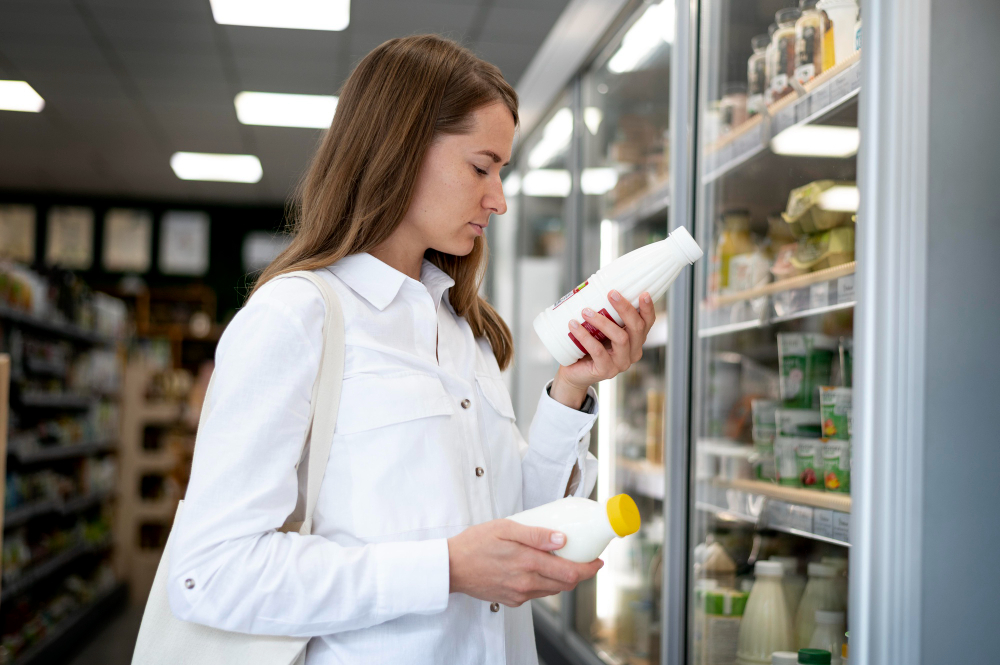
Food safety depends more on proper storage and handling than on printed dates. Items such as milk, packaged lunch meat, and other quickly spoiling foods can often be safely consumed a few days, or even up to a week, past the best-by date, as long as they have been refrigerated properly and show no signs of spoilage.
Food stored in the freezer can remain safe for a very long time from a safety perspective. However, its flavor and texture may gradually decline after several months.
Pantry staples such as canned goods, cereal, pasta, and cookies can often remain safe for years if their packaging is intact and free from damage such as rust, dents, or swelling. Over time, these foods may lose quality and taste stale, but they do not immediately become unsafe once the printed date passes.
It is important to remember that even without a strict expiration date, food can still spoil. Eating spoiled food may cause symptoms such as nausea or diarrhea, although serious illness is less common.
Signs That Food Has Spoiled
Instead of relying only on printed dates, you should also use your senses to check for signs of spoilage.
Visible mold is a clear warning sign that food should be discarded. Sour or unusual smells often indicate that the food is no longer safe. Discoloration can signal that the product has begun to break down.
Dairy products that have curdled should not be consumed. A slimy texture or an excessively watery consistency can also mean the food has spoiled. Bulging or leaking packaging may suggest bacterial growth inside the container.
If you notice any of these signs, it is safest to throw the food away.
USDA Refrigerator Storage Guidelines
General refrigerator storage guidelines can help you understand how long certain foods typically last. Milk usually lasts about seven days in the refrigerator and should be discarded if it smells sour, curdles, appears lumpy or yellow, or develops crusty edges. Yogurt typically lasts one to two weeks and should be thrown away if mold, discoloration, or an unpleasant smell appear. Cottage cheese lasts about one week and should be discarded if it smells bad or becomes grainy or watery.
Sliced Swiss and Cheddar cheese can last up to six months when unopened and three to four weeks after opening. However, they should be thrown away if mold, a strong, unpleasant odor, a crumbly texture, or sliminess develops.
Eggs can remain safe for three to five weeks in the refrigerator. If an egg floats when placed in water, it should be discarded. Raw beef and chicken usually last one to two days in the refrigerator and should be thrown away if they develop a bad smell, feel sticky, appear dark, or become slimy. Seafood also lasts about one to two days and should be discarded if it smells sour, overly fishy, or like ammonia.
Deli meat generally lasts three to five days after opening and should be thrown away if it becomes slimy, discolored, or develops a bad odor. Condiments such as ketchup, mustard, and pickles can last for several months after opening, but they should be discarded if they become discolored, watery, or develop an unusual smell.
Tips to Keep Your Food Fresh Longer
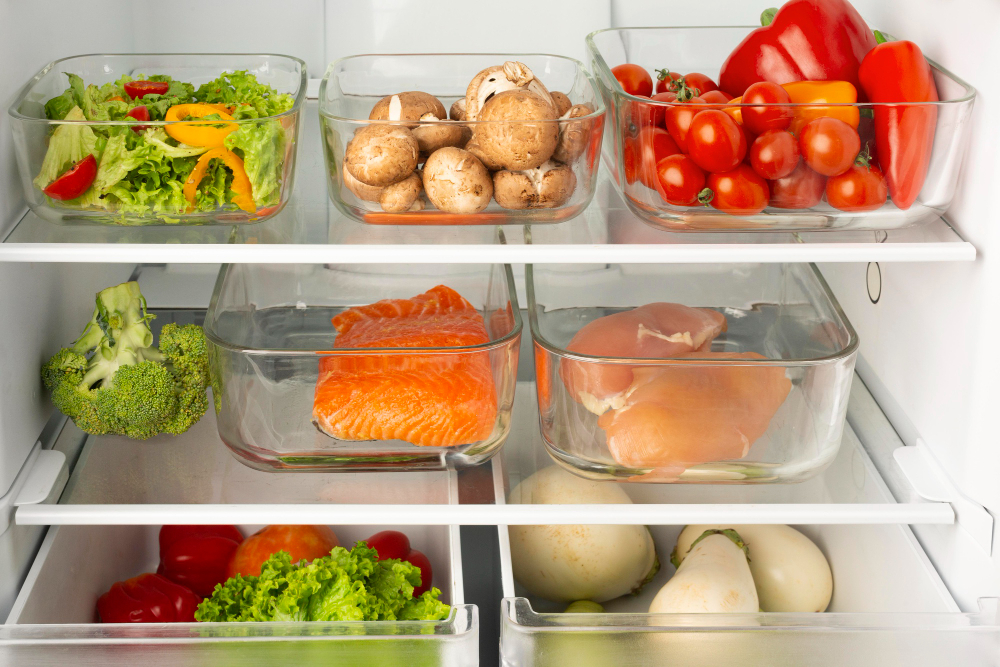
To keep food fresh and safe, ensure your refrigerator is set to 40 degrees Fahrenheit or below and your freezer is set to 0 degrees Fahrenheit or below. Store fresh meat, fish, and poultry separately from other foods and place them on the lowest shelf to prevent leaks from contaminating other items.
Avoid storing eggs and milk in the refrigerator door because the temperature in that area fluctuates frequently. Keep pantry items in cool, dry places and avoid humid environments. Freeze foods whenever possible to extend their shelf life. Keep bananas separate from other fruits because they release gases that cause other fruits to ripen more quickly. Also, avoid storing vegetables and herbs in the same compartment as fruits.
High-acid canned foods, such as tomatoes and fruits, can generally be stored for up to eighteen months, while low-acid canned foods, such as meat and vegetables, can last between two and five years. Above all, rely on your senses to check freshness instead of depending only on printed dates.