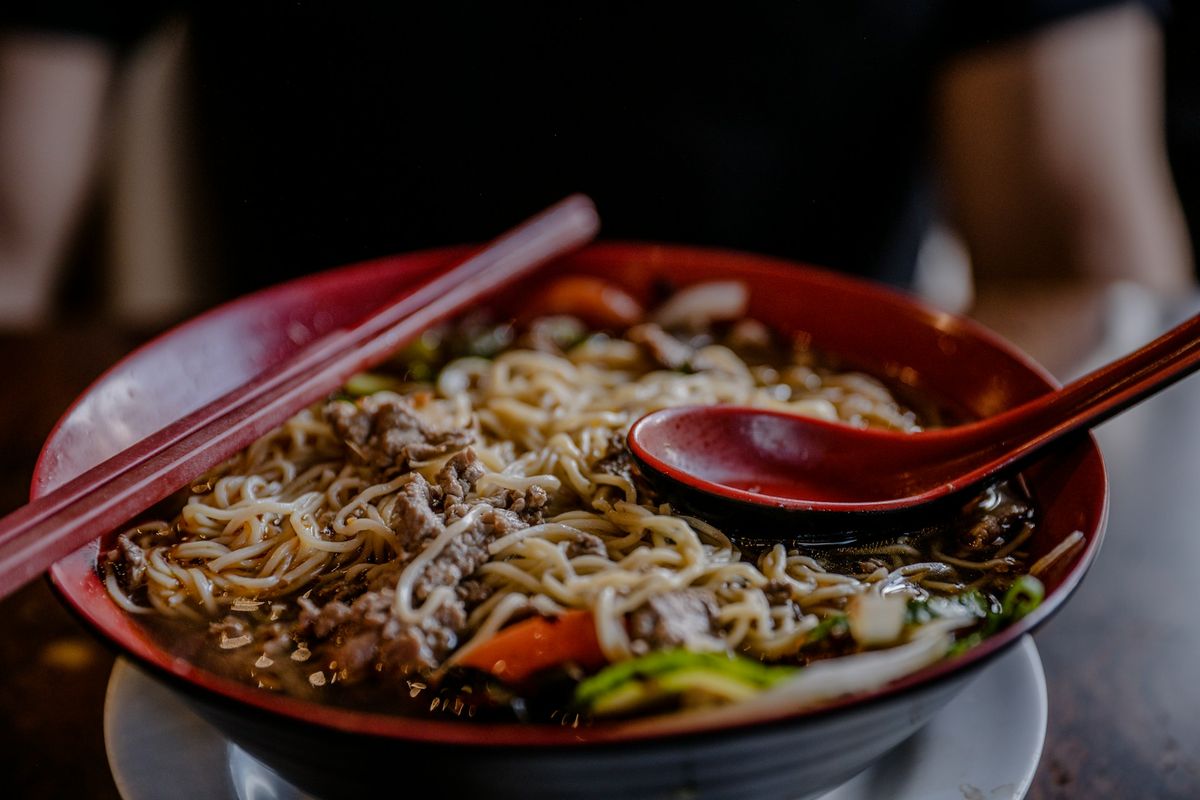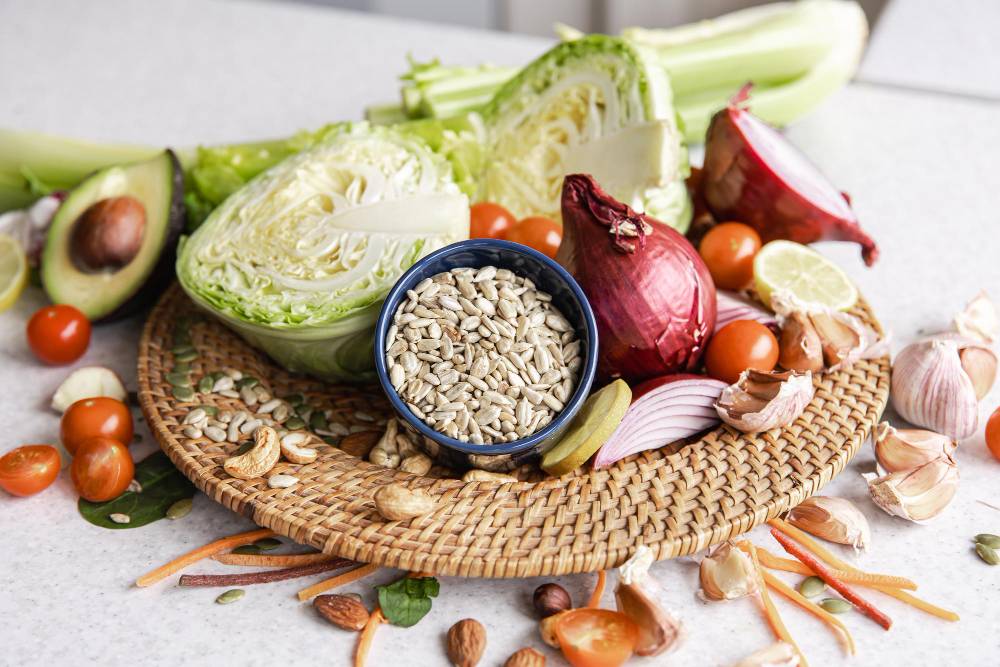
The modern grocery aisle is currently witnessing a silent but powerful revolution. As we are navigating the culinary landscape of 2026, a profound shift is occurring in our diet: we are re-discovering again the most sophisticated nutrition which has been hiding in plain sight.
From “Peasant Food” To “SuperFood”
For decades together, the culinary world focused on the “new and the exotic.” We chased lab grown proteins and imported rare brains from half a world away. However, the year 2026 marks a profound “Return To The Root.”
Humble, nutrient-dense ingredients such as beans, lentils and cabbage are experiencing a massive renaissance. These food ingredients are no longer viewed as “cheap fillers” or “peasant food,” rather these are being celebrated by world class chefs and nutritionists alike for their versatility, environmental sustainability and unparalleled health benefits.
The Rise Of “Purposeful Proteins”
Nowadays, consumers are becoming more skeptical of ultra processed meat alternatives, they are turning back to “purposeful proteins,” plant based whole foods that provide high protein content alongside essential minerals and fiber.
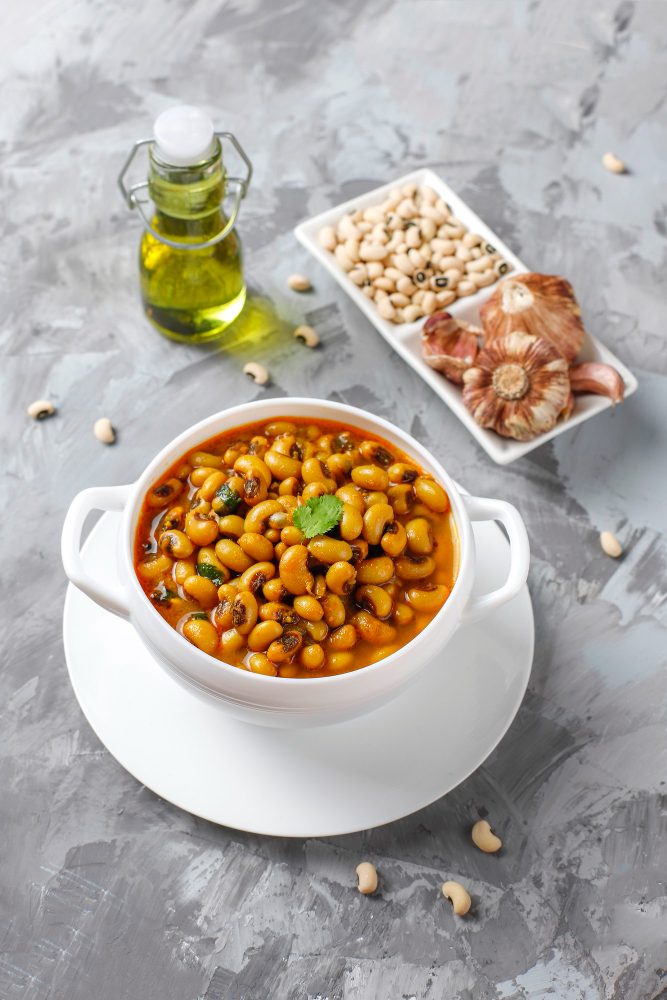
Varieties like Beluga lentils, Adzuki beans and Heritage Black Turtle beans are being featured as the “star” of the plate rather than being just a side dish. Studies conducted by various health experts revealed that a single cup of cooked lentils provided nearly 18 grams of protein and 15 grams of fiber.
Cabbage:The New “It” Vegetable
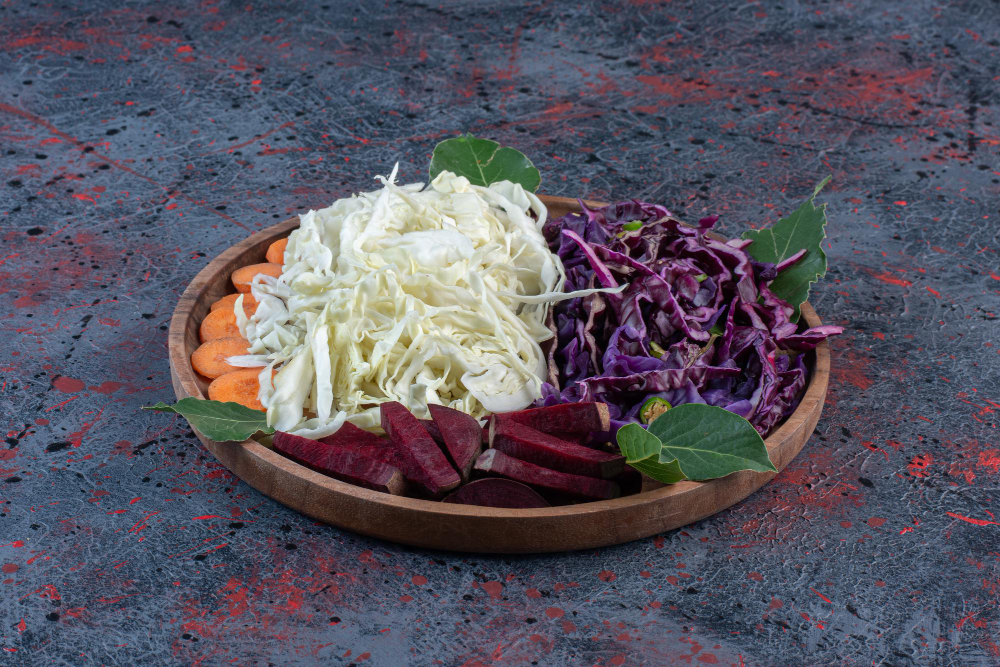
If 2015 was known as the “year of kale,” then 2026 is the “year of cabbage.” This fibrous vegetable is being reimagined through the lens of texture and depth. It is the primary vehicle for better gut health. Whether it's through traditional Sauerkraut, Kimchi or the spicy Haitian Pikliz, fermented cabbage provides the probiotics essential for a healthy microbiome.
There have been recent cooking innovations with this vegetable, like consumers can even give this vegetable a “steak treatment.” Thick cut cabbage wedges are being seated on live-fire grills, drizzled with umami-rich ferments and served as the main courses in Michelin-starred restaurants.
Fiber:The Forgotten Nutrient
While the last decade was absolutely obsessed with “low carb” and “keto,” 2026 is the year of “Fiber-Forward” eating. Modern science has finally caught up with what traditional cultures have known for centuries: fiber is the key to longevity, weight management and mental clarity.
By focusing on fiber rich whole foods, we are moving away from “empty calories” towards meals that provide lasting energy and fullness(satiety).
Sustainability:The Ethical Choice
One of the primary drivers behind the return to humble ingredients is the “climate crisis.” Beans and lentils are known as “nitrogen fixing crops,” meaning they help in improving the quality of the soil in which they grow. These crops require less water than animal proteins and have a fraction of the carbon footprint. Eating “purposeful proteins” is a way for consumers to align their diet with their environmental values.
Golden Rules For Cooking With Humble Staples
To gain maximum benefits from these fiber-rich foods, modern chefs recommended few golden rules while cooking these varieties:
Don't Boil, Roast: Instead of thinking of boiling the cabbage or beans, you can try roasting them at a high heat (400°F or 200°C) with enough olive oil and spices to create “caramelization.”

The Magic Of Acid: Humble ingredients prefer “acid.” To bring taste to these simple yet nutrient dense foods, you can squeeze a lemon, a splash of apple cider vinegar or a spoonful of fermented Pikliz, this way you can transform a simple lentils stew into a delicious meal with finger licking taste.
Soak and Sprout: To reduce bloating and improve your digestion, you can soak the dried beans for at least 12-24 hours before having them cooked. Sprouting them for an additional day adds a fresh, crunchy texture to salads.
To Sum Up
The Renaissance of humble, nutrient-rich ingredients represents a maturation of the global food culture. We are no longer distracted by the “shiny and new,” instead, we are finding beauty and health in the ingredients that have continued to sustain humanity for millennia. In 2026, the humblest bean is a luxury and the simplest cabbage is indeed, a “masterpiece."