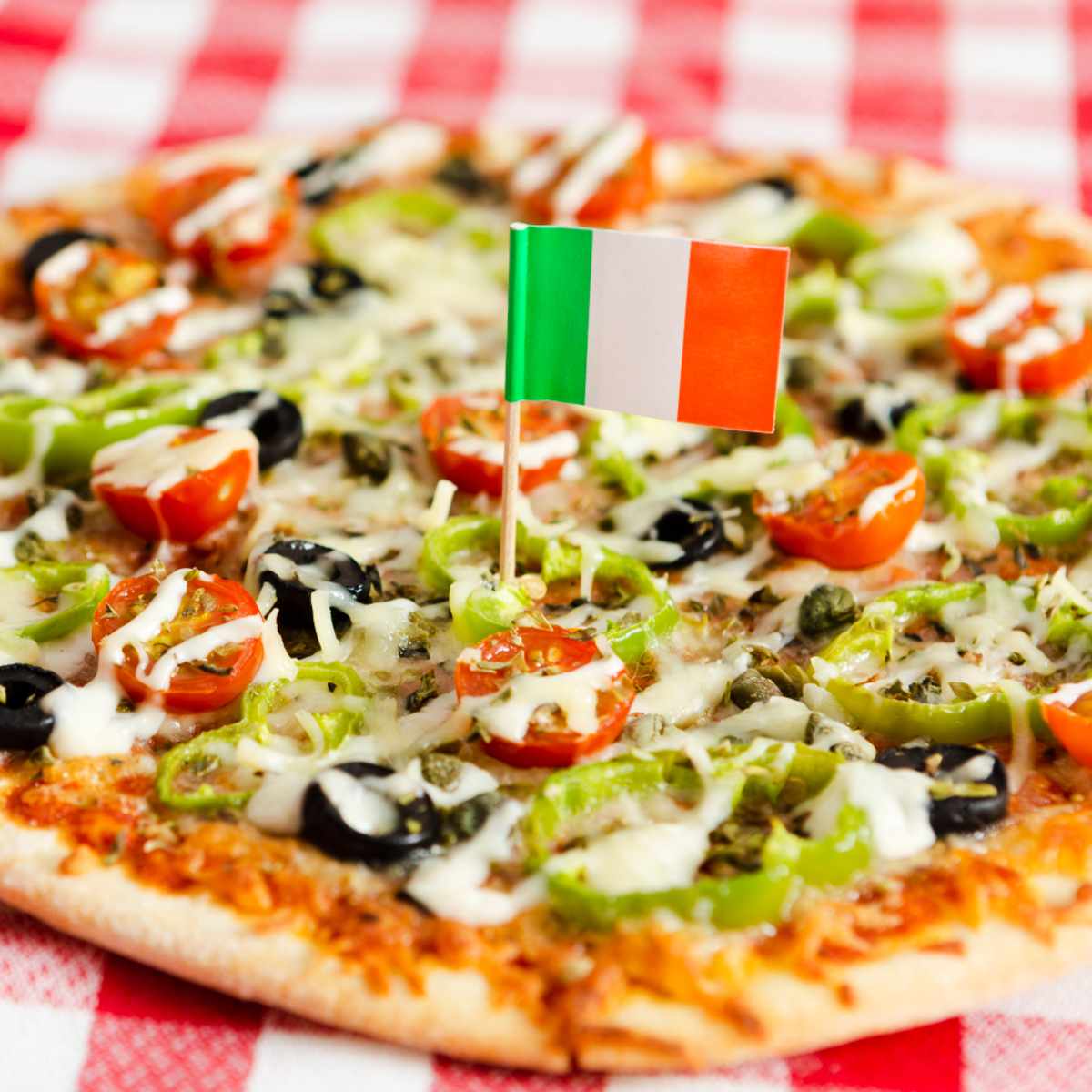
Italy has made history by becoming the first country in the world to receive UNESCO recognition for its national cuisine, after UNESCO officially inscribed “Italian cooking, between sustainability and biocultural diversity” on its Representative List of the Intangible Cultural Heritage of Humanity. The decision was taken during the 20th session of UNESCO’s Intergovernmental Committee for the Safeguarding of the Intangible Cultural Heritage, which was held in New Delhi, India, from December 8 to December 12, 2025.
What UNESCO Recognised
UNESCO’s recognition is not for a single recipe or one famous dish. It recognises Italian cuisine as a living cultural tradition, practiced daily in Italian homes and communities and passed on from generation to generation. UNESCO describes the element as a cultural and social blend of culinary traditions that includes the careful selection of raw materials, artisanal preparation methods, respect for ingredients, and the sharing of meals as a key part of social life.
The UNESCO description also highlights Italian cooking traditions for their links with sustainability and biocultural diversity. It explains that Italian cuisine reflects the relationship between local environments, regional ingredients, and cultural identity, while also recognising everyday habits such as anti-waste recipes and careful use of resources.
Decision Taken in New Delhi
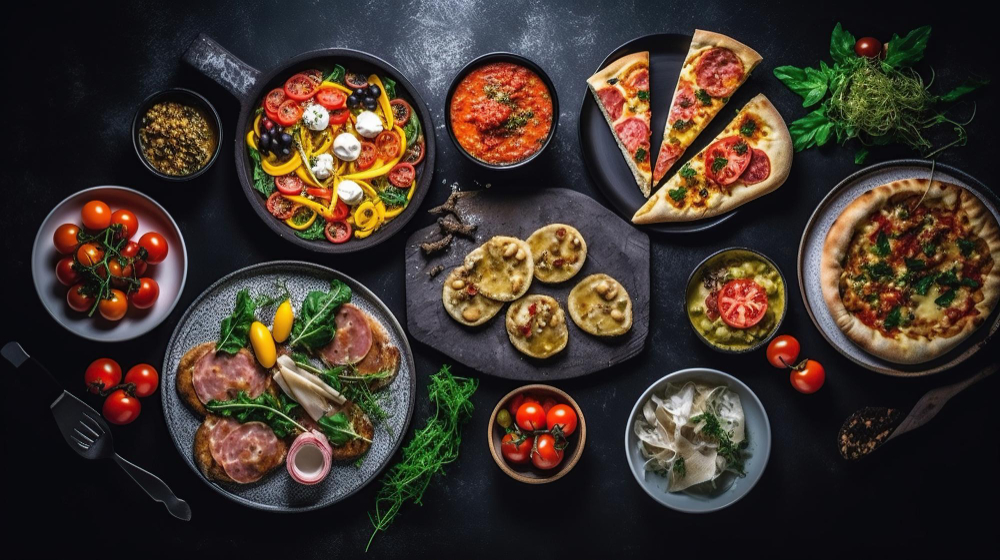
The decision to add Italian cooking traditions to UNESCO’s intangible heritage list was confirmed during the committee meeting in New Delhi on December 10, 2025. UNESCO’s meeting in India brought together countries to evaluate and safeguard important living traditions, and Italy’s national cuisine was approved as part of the official list.
Why This Recognition is Historic
UNESCO has recognised food-related cultural traditions before, including Japan’s Washoku and the gastronomic meal of the French, along with several other culinary customs from different countries. However, Italy’s latest inscription has been widely described internationally as the first time UNESCO has recognised an entire national cuisine in such a complete form, rather than recognising only one dish or one limited culinary practice.
What Italian Leaders Said
Italian Prime Minister Giorgia Meloni welcomed the UNESCO decision and said Italy had become the first nation in the world to receive this type of international recognition for its cuisine. She presented the inscription as an acknowledgement of Italy’s identity, traditions, and culture. Italy’s Foreign Minister Antonio Tajani also confirmed the decision and announced that Italian cooking traditions had officially been added to the UNESCO list during the New Delhi session.
Italy’s Campaign and Nomination
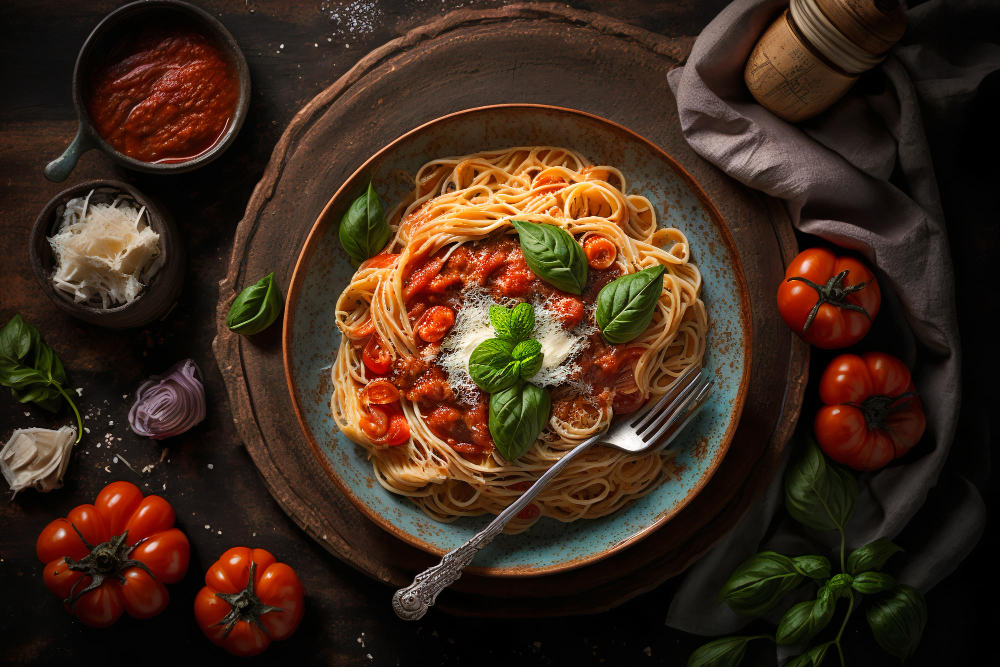
International reporting stated that Italy’s push for the UNESCO inscription began after Meloni took office in October 2022, and that the country submitted its formal UNESCO nomination in early 2023. The nomination presented Italian cuisine not only as a global food favourite but as a national cultural system shaped by history, community life, seasonal ingredients, artisanal methods, and sustainable habits.
What Italian Cuisine Represents, According to UNESCO and Global Coverage
UNESCO and international coverage stressed that Italian cuisine is deeply connected to social bonding and family life. The tradition includes home cooking and shared meals, including customs like long family lunches and the passing down of cooking skills within families, such as elders teaching younger generations traditional techniques. Reuters also pointed to Italy’s rich regional culinary diversity, giving examples such as ossobuco from Lombardy and orecchiette with turnip greens from Puglia, showing how different regional dishes form part of one larger national cooking culture.
Italy’s Previous UNESCO Food Recognitions
Italy has already received UNESCO recognition for other food-related traditions, including the art of Neapolitan pizza-making. Italy is also part of the UNESCO-recognised Mediterranean diet, an inscription shared with several countries. However, this latest UNESCO listing is different because it honours Italian cooking traditions at the full national level rather than recognising only one culinary craft or one food tradition.

Why This Matters for Tourism and Cultural Protection
Reports said Italy expects the UNESCO status to strengthen the international protection and global respect for authentic Italian cooking traditions. Reuters also reported that analysts believe this kind of cultural recognition can encourage more culinary tourism, with travellers showing stronger interest in visiting regions known for traditional food practices and authentic local cuisine.
The Main Takeaway
With this inscription, UNESCO has formally recognised Italian cuisine as part of humanity’s living cultural heritage. The decision honours not just Italy’s famous dishes, but the deeper cultural tradition behind them, including sustainability-focused habits, regional diversity, artisanal methods, and the way food knowledge is shared through families and communities over generations.