The green Mediterranean diet is a healthier and more plant-based version of the traditional Mediterranean diet. It includes many fruits, vegetables, and other plant foods, and it also has special additions such as green tea, Mankai duckweed, and walnuts. This diet was created in 2020, and it is believed to provide better heart health benefits than the standard Mediterranean diet.
The green Mediterranean diet follows the main rules of the traditional Mediterranean diet, but it places more focus on eating plant-based foods. The biggest difference is that people eat very small amounts of meat and other animal foods, and they replace them more often with plant-based proteins.
How It Works
Researchers first described the green Mediterranean diet in 2020. Their research showed that it increases the health benefits of the normal Mediterranean diet, especially for heart and body health.
The green Mediterranean diet works because it encourages people to eat more plant foods, which are rich in fiber and natural healthy plant compounds.
At the same time, it limits animal products, which can help reduce swelling inside the body and support heart health. Many people follow this diet to manage weight, lower the risk of diabetes or obesity, and help protect the environment.
Guidelines
Like the standard Mediterranean diet, the green Mediterranean diet includes a calorie limit. It suggests eating about 1,200 to 1,400 calories per day for women and 1,500 to 1,800 calories per day for men. The researchers who created the diet also highlighted the importance of physical activity, such as walking, sports, yoga, or exercise.
Any Mediterranean diet that focuses more on plants can be called green, but to follow the official version, people should include 3 to 4 cups of green tea each day, 100 grams of Mankai duckweed, and 28 grams of walnuts.
What To Eat
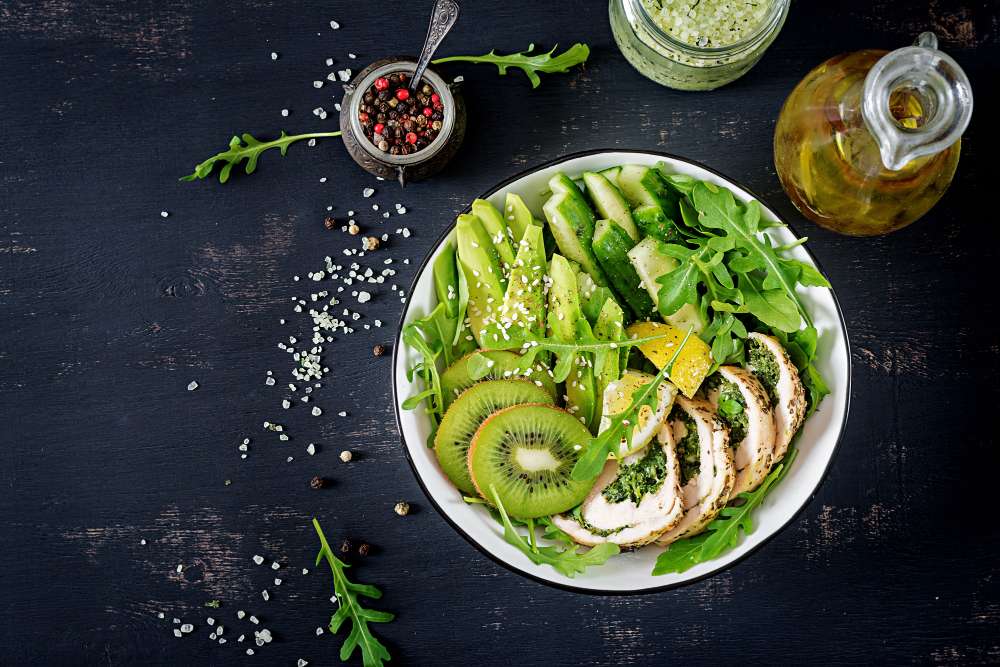
The green Mediterranean diet includes the same healthy foods as the traditional Mediterranean diet. People can enjoy fresh fruits and vegetables, nuts and beans, olive oil, herbs, spices, and whole grains. A serving of meat, fish, or eggs is allowed, but it is usually kept small. Most of the time, animal foods are replaced with plant protein sources such as tofu, beans, nuts, or quinoa.
Foods Not in the Green Mediterranean Diet
People on the green Mediterranean diet avoid or limit foods like butter and foods high in added sugar. They also eat very little to no red meat or processed meat, since these foods can increase health risks and reduce the benefits of the diet.
Meal Ideas
The goal of the green Mediterranean diet is to eat more plant foods and less animal foods and processed foods. A sample day could include oatmeal topped with fresh fruit and cinnamon, with green tea for breakfast. Lunch could be a Mankai duckweed smoothie made with fruits or vegetables, almonds, and unsweetened plant-based milk. A snack could be walnuts and green tea. Dinner could include grilled salmon with cooked spinach and brown rice, along with green tea.
Benefits
Research has shown that the green Mediterranean diet has strong health benefits. People who follow this eating style may have a smaller waist size, lower swelling inside the body, and better control over insulin and blood sugar. The diet may also support the environment because it uses less meat and more plant foods.

Contributes to Heart Health
A study showed that people who followed this diet for six months had lower blood pressure and lower LDL cholesterol, which is often called “bad” cholesterol. Lower blood pressure and lower bad cholesterol reduce the risk of heart disease, which is why this diet is considered helpful for heart health.
Helps With Visceral Fat Loss
Visceral fat is fat stored deep inside the belly, and it is linked to many health problems. One study followed people for 18 months and found that people on the green Mediterranean diet lost about twice as much visceral fat compared to those on the traditional Mediterranean diet. This is important because reducing belly fat can lower the risk of serious conditions.
Reduces Greenhouse Gas Emissions
The green Mediterranean diet also helps the planet because it reduces meat consumption. Cutting back on meat can lower the amount of greenhouse gases a person contributes to. Research found that people who moved from an omnivorous diet to a lacto-ovo-vegetarian diet reduced their personal greenhouse gas emissions by 35%.
Is It Safe?
The green Mediterranean diet is usually safe, but one risk is not getting enough important nutrients. Since the diet limits meat and dairy products, it may be lower in iron and calcium. Iron is needed for growth, development, and important body processes, while calcium supports strong bones and helps muscles and blood vessels work properly.
Drawbacks
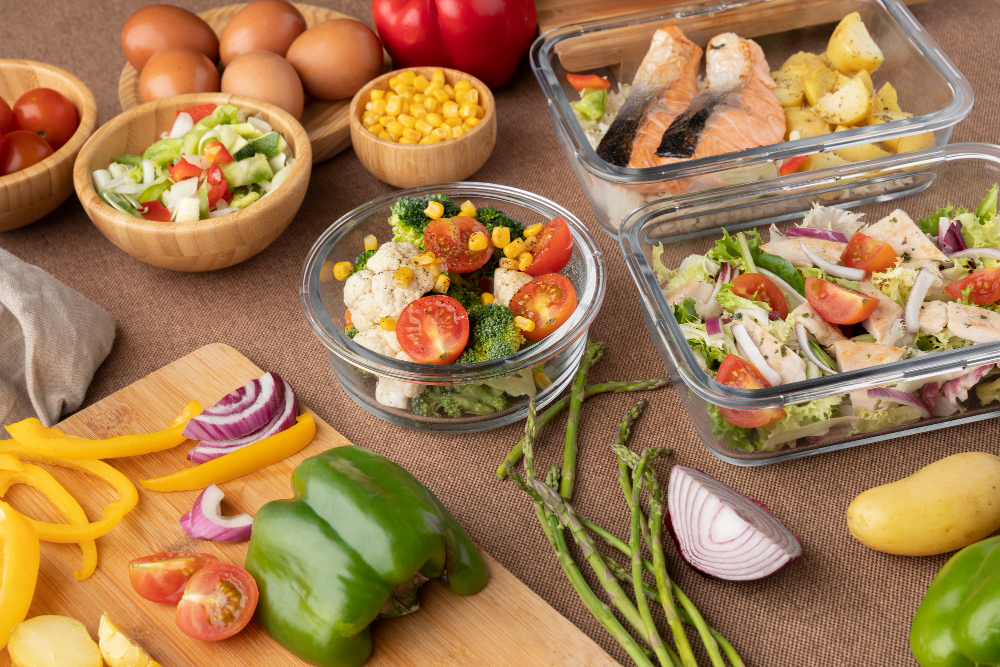
Some people may face challenges when starting this diet, especially if they are not used to eating mainly plant foods. Plant-based meals may require more preparation and cooking. However, people can make it easier by using shortcuts like frozen vegetables, pre-washed greens, and ready-to-cook grains.
Another challenge is that Mankai duckweed may not be available in local markets and can be costly online. Still, Mankai is not required to get the health benefits of the diet, because many other plant proteins, such as tofu, beans, lentils, tempeh, and nuts, can also provide strong nutrition and health support.