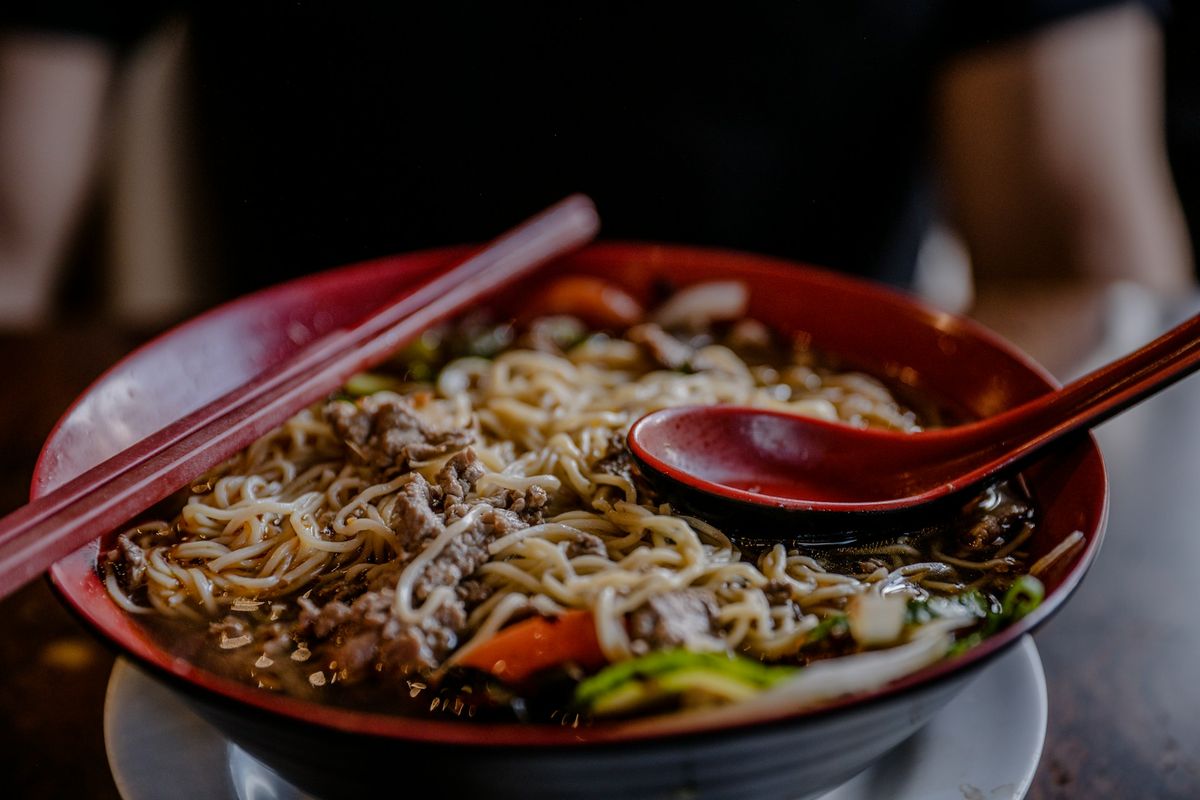
A steaming bowl of soup is often considered the ultimate comfort food. Many people feel warmth, care, and emotional comfort when they eat soup. This feeling is shared by people across different cultures and countries. Soup is commonly eaten during cold weather, when someone is sick, or when families and friends gather together.
Soup is not just comfort food. It is also one of the oldest and most universal foods in human history. Every culture in the world has some form of soup. This shows how important soup has been for survival, health, and daily life since ancient times.
The History of Soup
Soup has very ancient roots. Long before modern kitchens and cooking tools existed, early humans cooked food by boiling it in water. At first, they used turtle shells, hollow bamboo, and other natural containers to hold water over fire. These early methods allowed people to cook grains, plants, and meat together.
Later, during the Bronze Age, people learned how to make metal cooking pots. These pots were stronger, lasted longer, and made cooking easier. Because of this development, soup became a regular part of daily meals.
Boiling food was a major step in human survival. It made hard grains softer and easier to digest. It also allowed people to combine different ingredients into one nourishing meal. Herbs, vegetables, and meat were added to soup for strength, nourishment, and health. Some ingredients were added because people believed they helped heal the body.
Soup as Food and Medicine
In ancient times, people did not separate food and medicine. Soup was believed to heal the body as well as feed it. In many cultures, certain soups were seen as restorative and helpful during illness.
This belief continues today. When someone has a cold or fever, people often bring them soup, sometimes with bread. This simple and caring act continues a tradition that has existed for thousands of years.
What Is Soup?
In modern times, soup is usually lighter and more liquid, while stew is thicker and heavier. However, many traditional dishes around the world do not clearly fit into these two groups. Many foods eaten with a spoon fall somewhere between soup and stew.
A simple definition of soup is food cooked in water where the flavored liquid becomes an important part of the dish. This broad definition allows many different kinds of soups to exist across cultures.
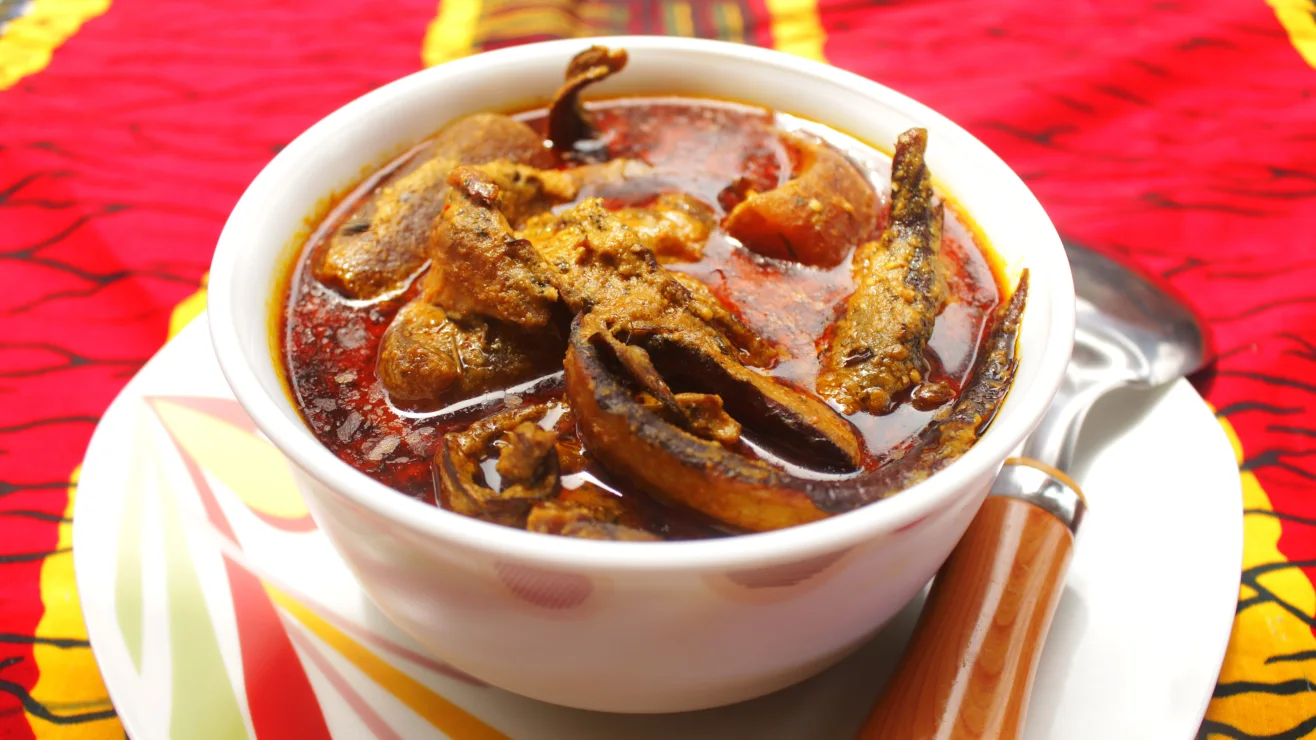
Banga Soup from Nigeria
Banga soup comes from the Niger Delta region of Nigeria. It is made from the fruit of the oil palm tree, which gives the soup both fat and a strong flavor. The soup also includes fresh catfish, beef, and dried seafood.
Banga soup is extremely popular, and ready-made spice packets are sold in shops. These spice mixes often include African nutmeg, castor seed, orima, jansa, and beletete leaves. The spices create a rich red sauce, which is the main attraction of the soup. Banga soup is eaten with eba or a ball of starch. Both are Nigerian staple foods made from cassava using different methods.
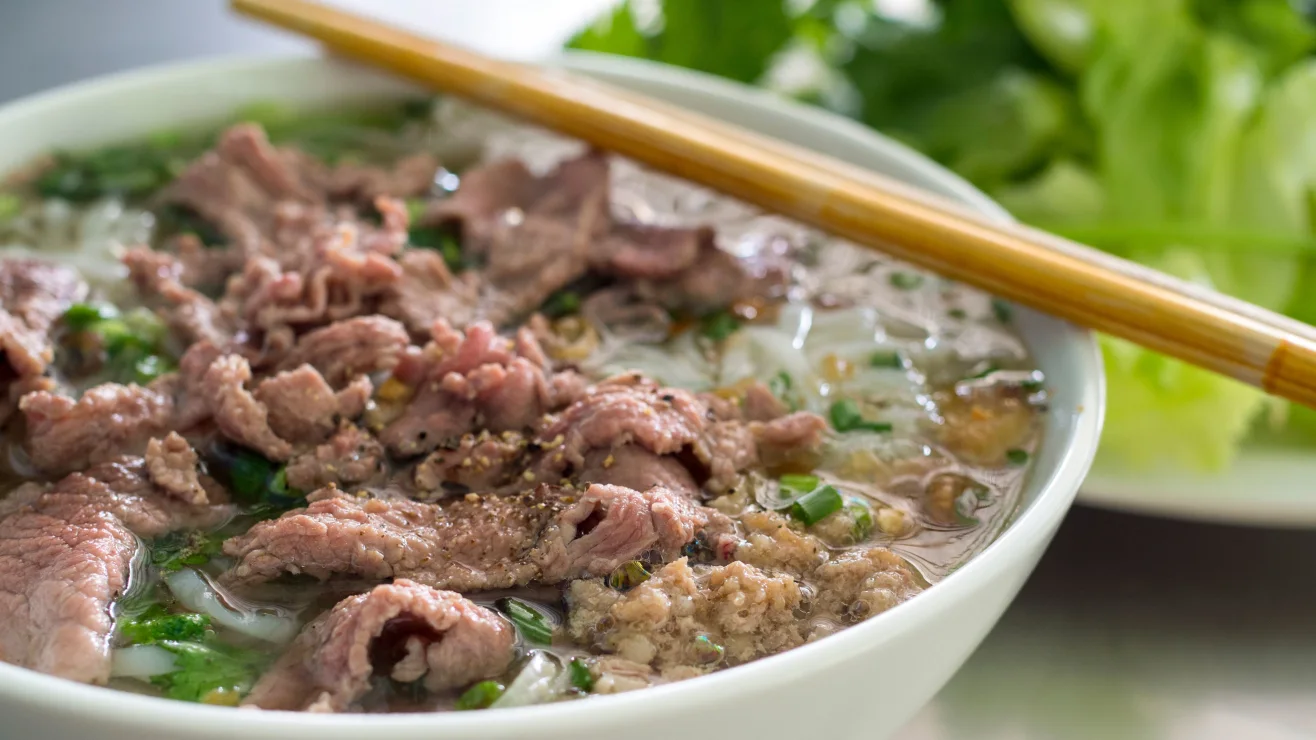
Beef Pho from Vietnam
Beef pho is made using broth that is simmered for many hours. Spices such as cinnamon, star anise, and other warm spices are added to create a deeply aromatic base. Rice noodles and beef are added to the broth.
Beef pho is one of Vietnam’s most recognized foods, but it is a relatively modern dish. In the early 1900s, beef pho became popular. By the 1930s, thin slices of raw beef were placed into the bowl and cooked gently in the hot broth. Today, beef pho remains the most loved version and may include raw beef, cooked beef, brisket, or tendon.
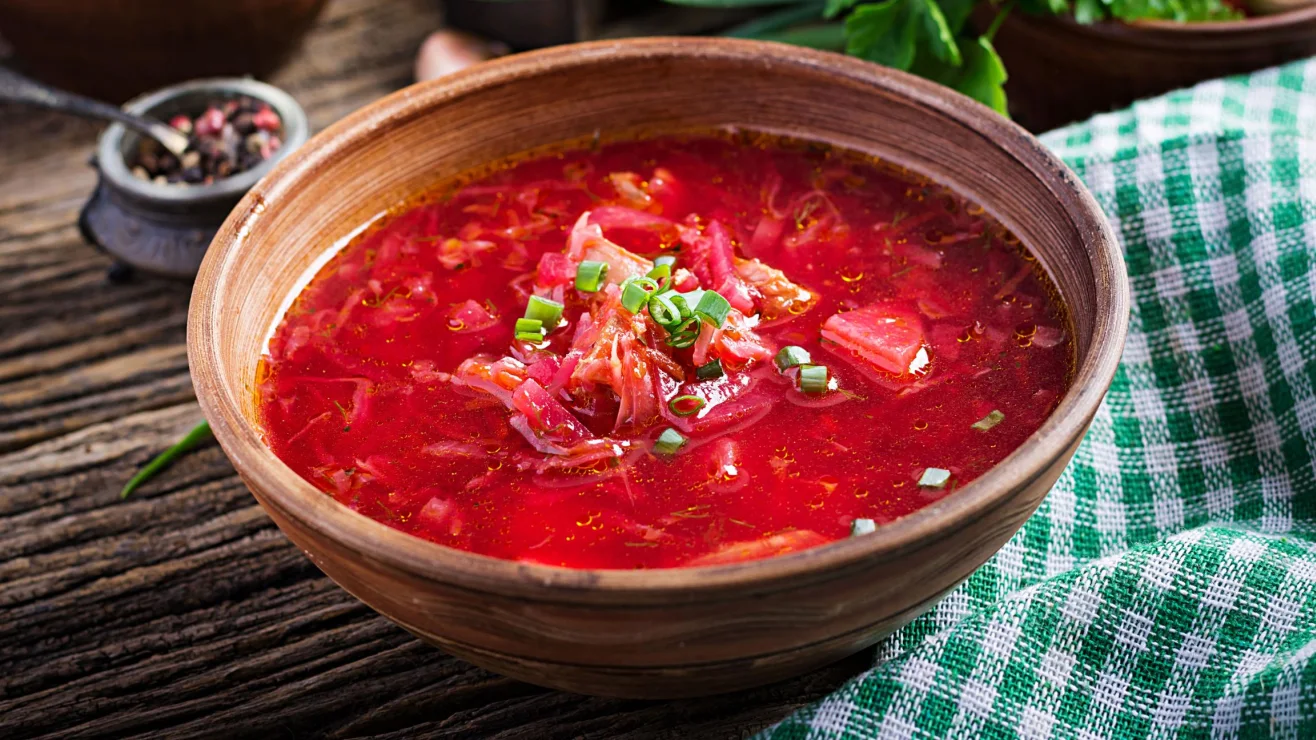
Borscht from Ukraine
Borscht is a bright red soup made with tender beets. It is loved in Ukraine and across Eastern Europe. Sour cream is often added on top.
The soup has a slightly sour taste from fermented beet juice known as kvass. Borscht is sometimes linked to other cuisines, but this claim is disputed. In 2022, borscht in Ukraine was recognized as an important cultural tradition that brings people of all ages, genders, and backgrounds together. Many Ukrainian chefs also use borscht as a symbol of national identity.
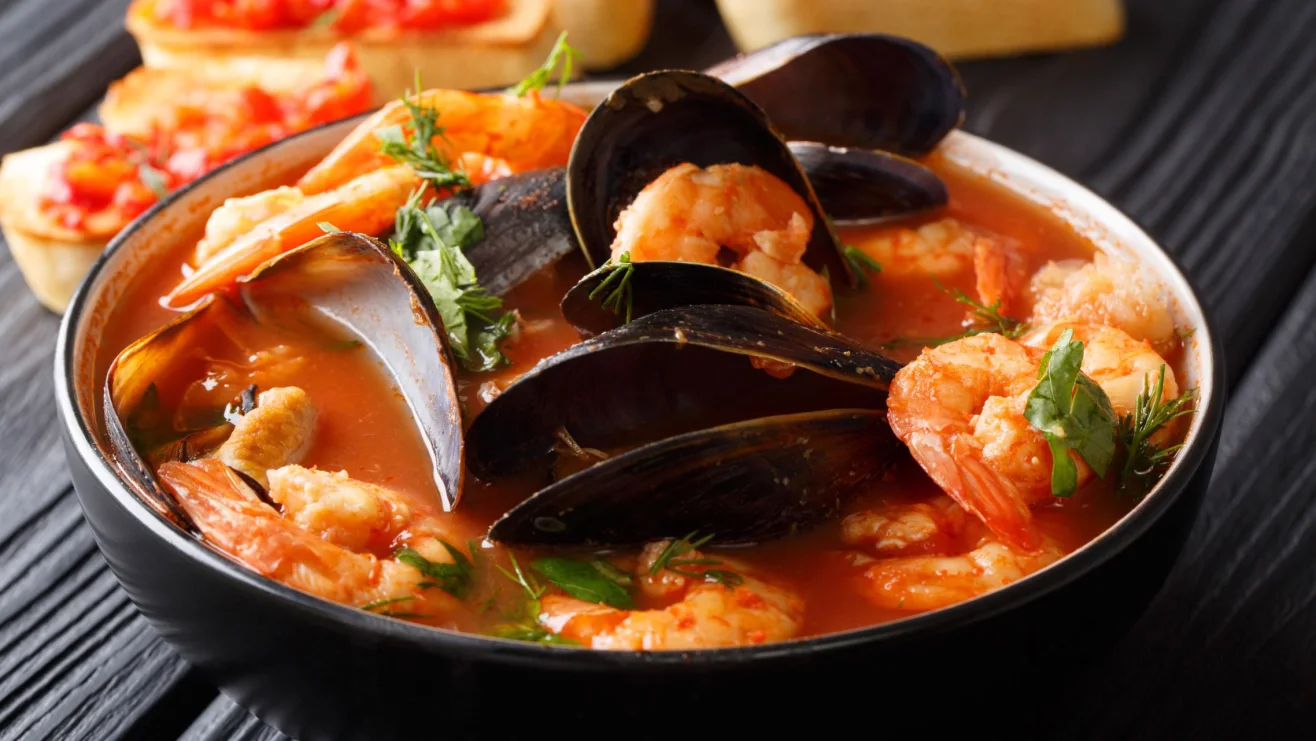
Bouillabaisse from France
Bouillabaisse began as a fisherman’s stew in the coastal city of Marseille. Fishermen originally used fish that could not be sold at the market.
The soup includes fish, saffron, olive oil, fennel, garlic, and tomatoes. In the past, the types of fish used depended on the daily catch. Over time, rules were created to protect the dish. A traditional bouillabaisse must include at least four kinds of seafood, such as monkfish or crab.
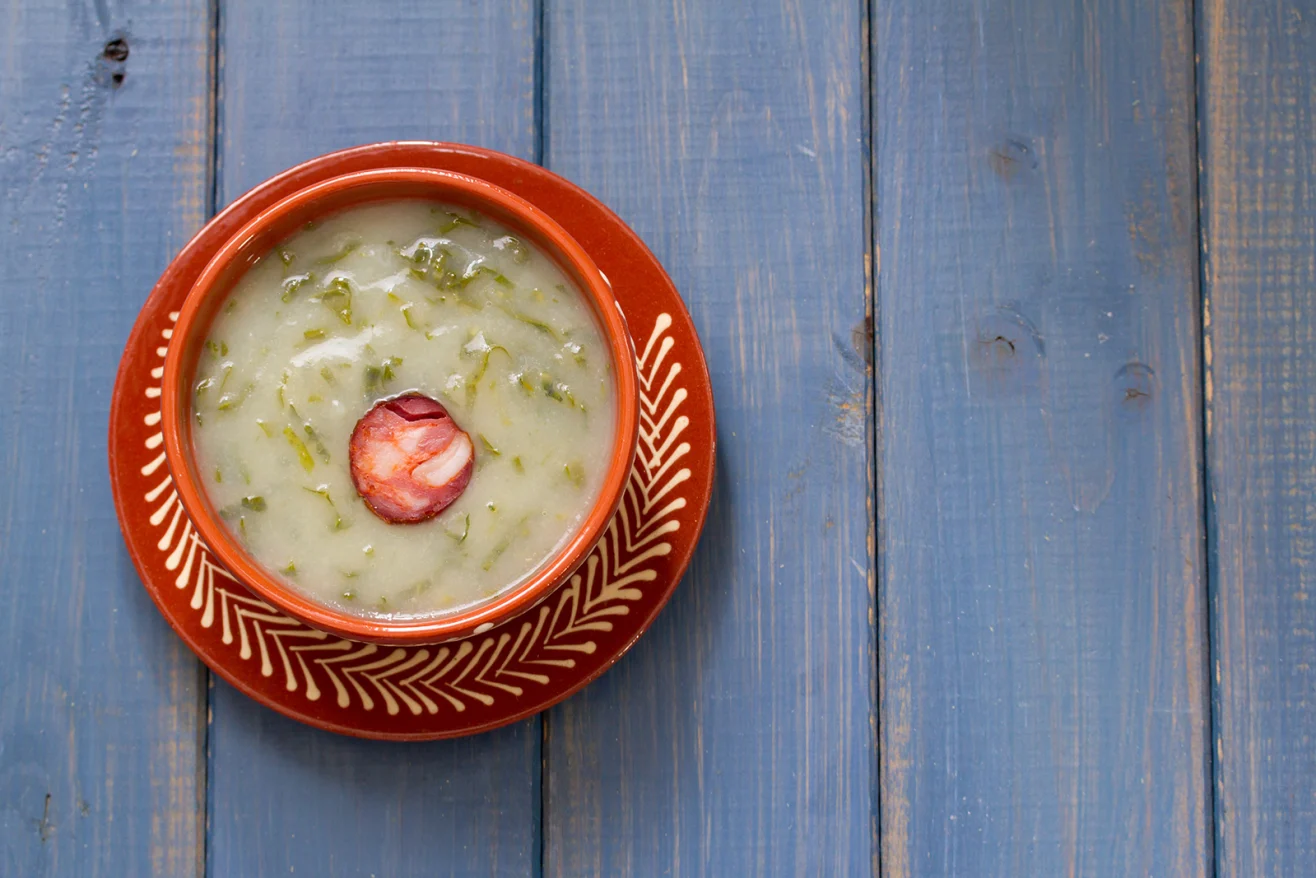
Caldo Verde from Portugal
Caldo verde comes from northern Portugal. It is made with potatoes, onions, and thinly sliced green vegetables.
Many versions include Portuguese chouriço sausage, which adds a smoky and salty flavor. The soup is simple, filling, and eaten in both rural homes and city cafés.
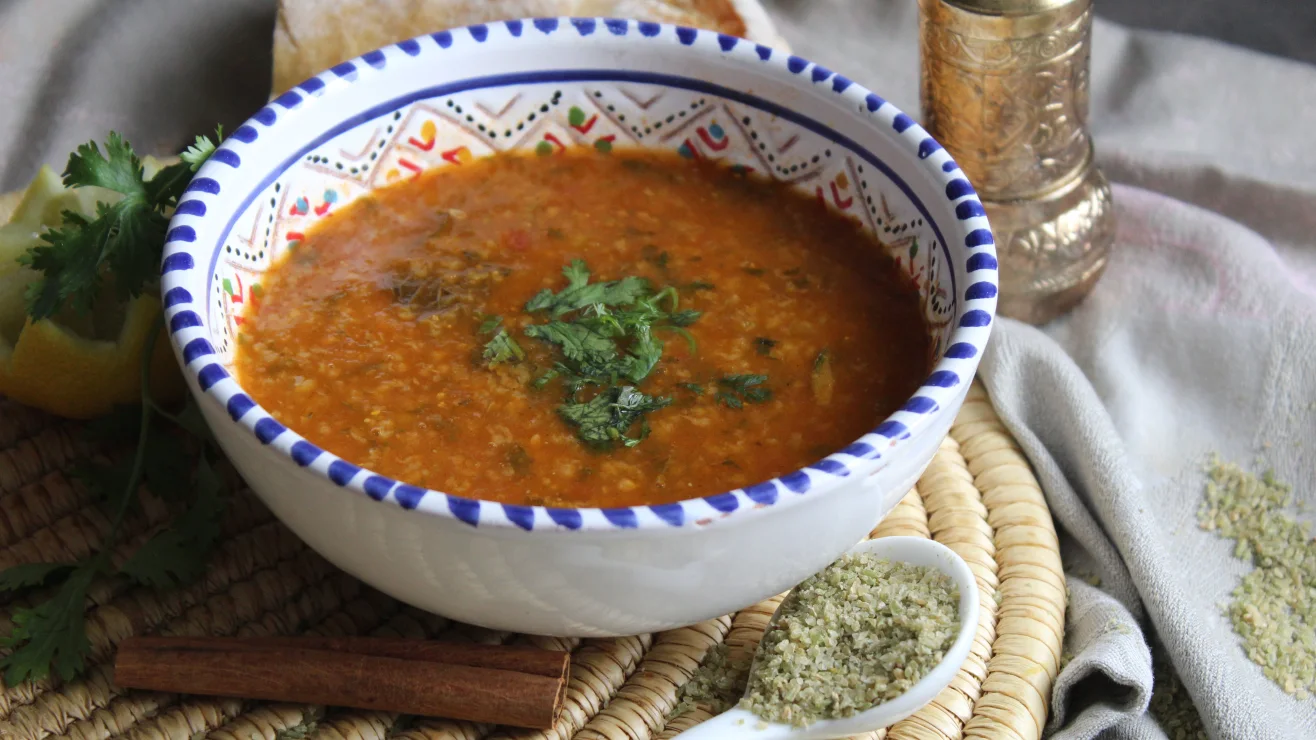
Chorba Frik from North Africa
Chorba frik is eaten in Algeria, Libya, and Tunisia. It is made with freekeh, which is green wheat harvested early. The grains absorb tomato broth and aromatic spices.
Chickpeas and meat such as chicken, beef, mutton, or lamb are added. This soup is especially popular during the holy month of Ramadan and is served with lemon wedges and bread.
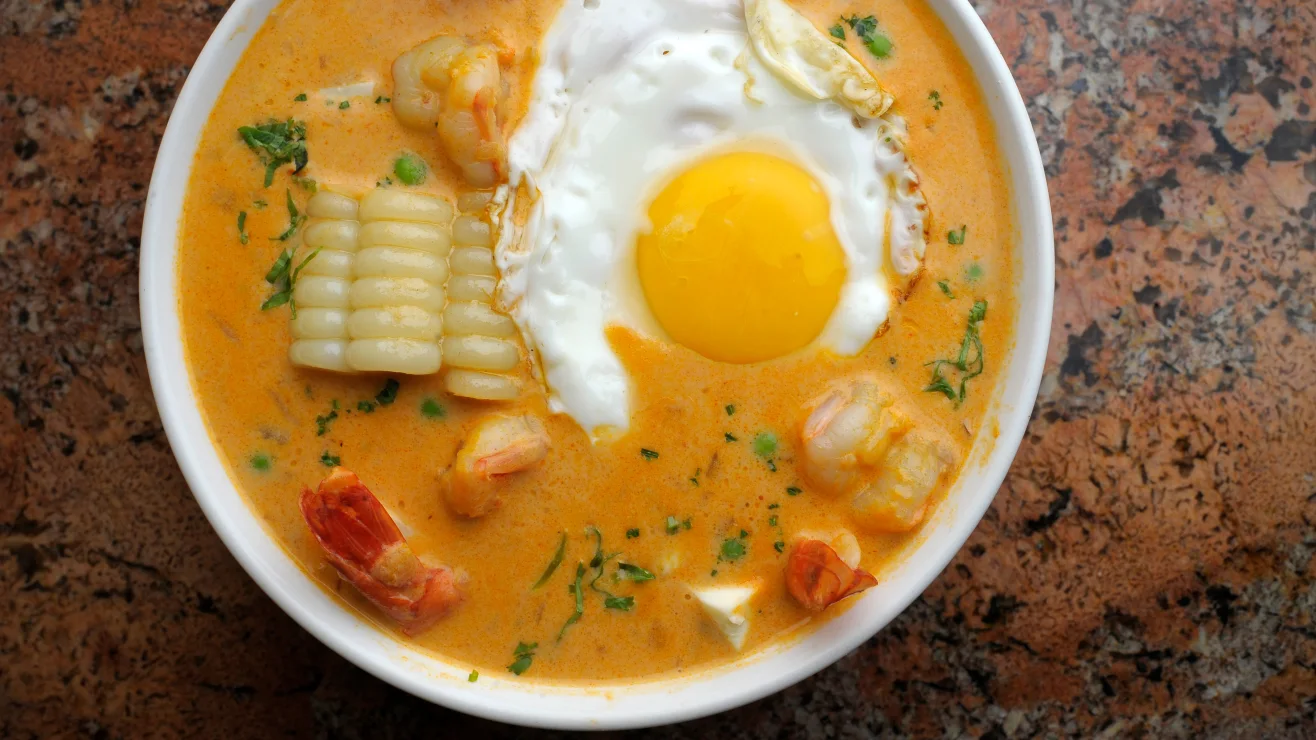
Chupe de Camarones from Peru
Chupe de camarones is a creamy shrimp soup from the city of Arequipa, which is surrounded by mountains and volcanoes. Cold nights in the region make this soup especially comforting.
The soup includes shrimp, potatoes, corn, and milk. Ají amarillo chilli adds heat and a fruity flavor. Some people believe this soup increases strength and energy.
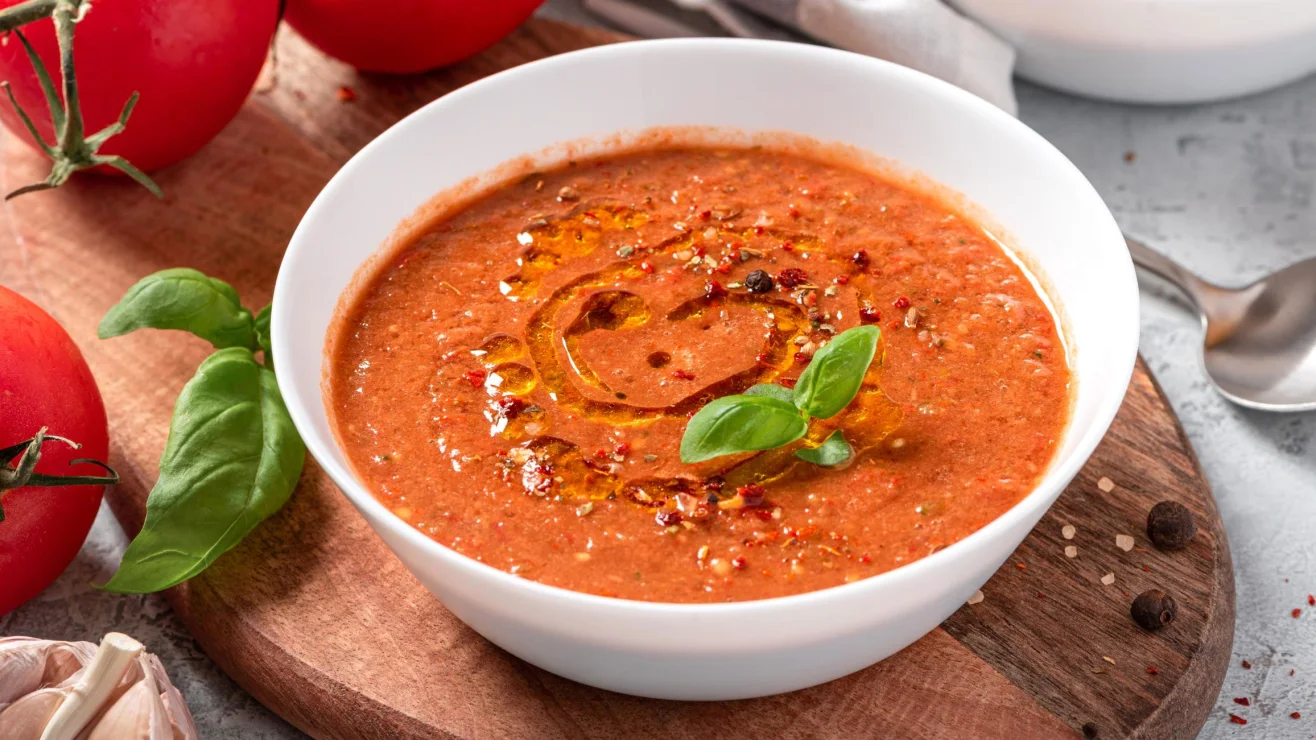
Gazpacho from Spain
Gazpacho is a cold soup eaten during hot summer weather in southern Spain. Modern versions include tomatoes, cucumbers, garlic, olive oil, and bread.
Before tomatoes arrived from the Americas, gazpacho was made with bread, garlic, olive oil, and vinegar. The dish was influenced by earlier Arab cooking traditions.
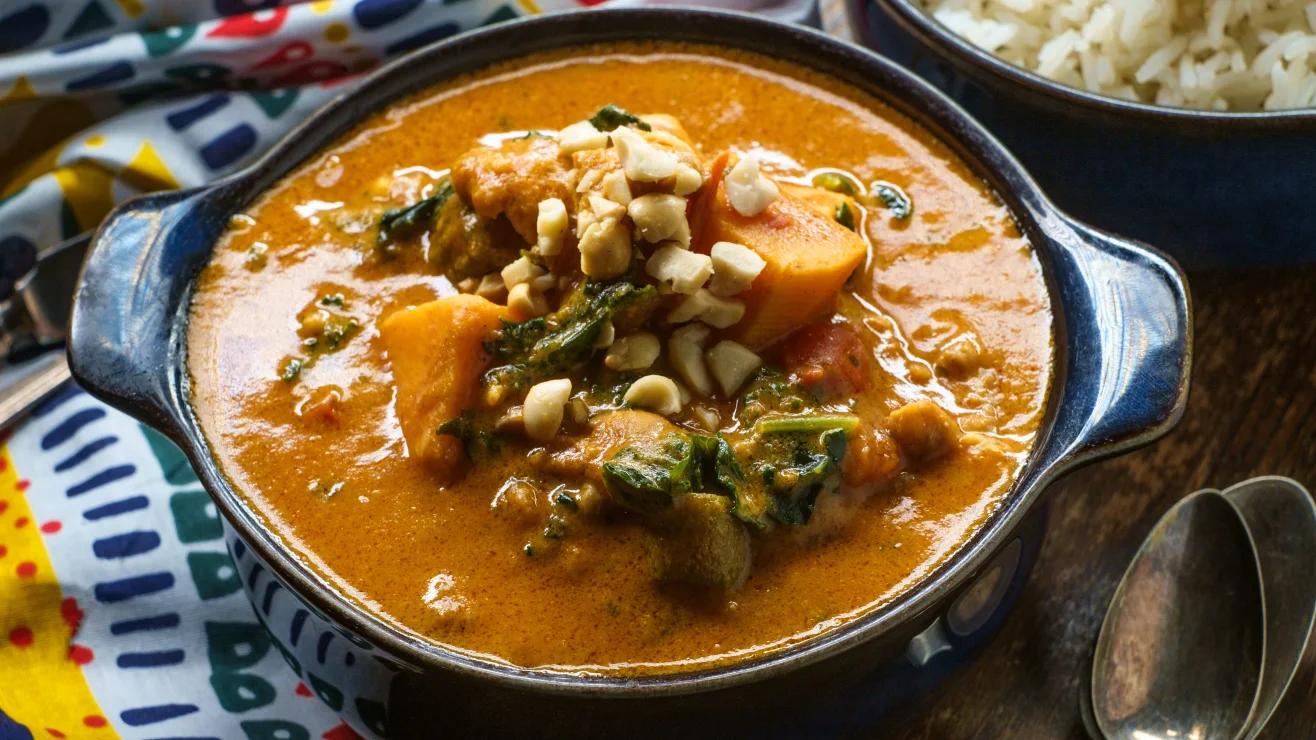
Groundnut Soup from West Africa
Groundnut soup is eaten across many West African countries. It is made by cooking peanuts into a thick soup.
Meat, fish, or chicken may be added. The soup is creamy, rich, and salty. Hot peppers are often included to give the soup strong heat.
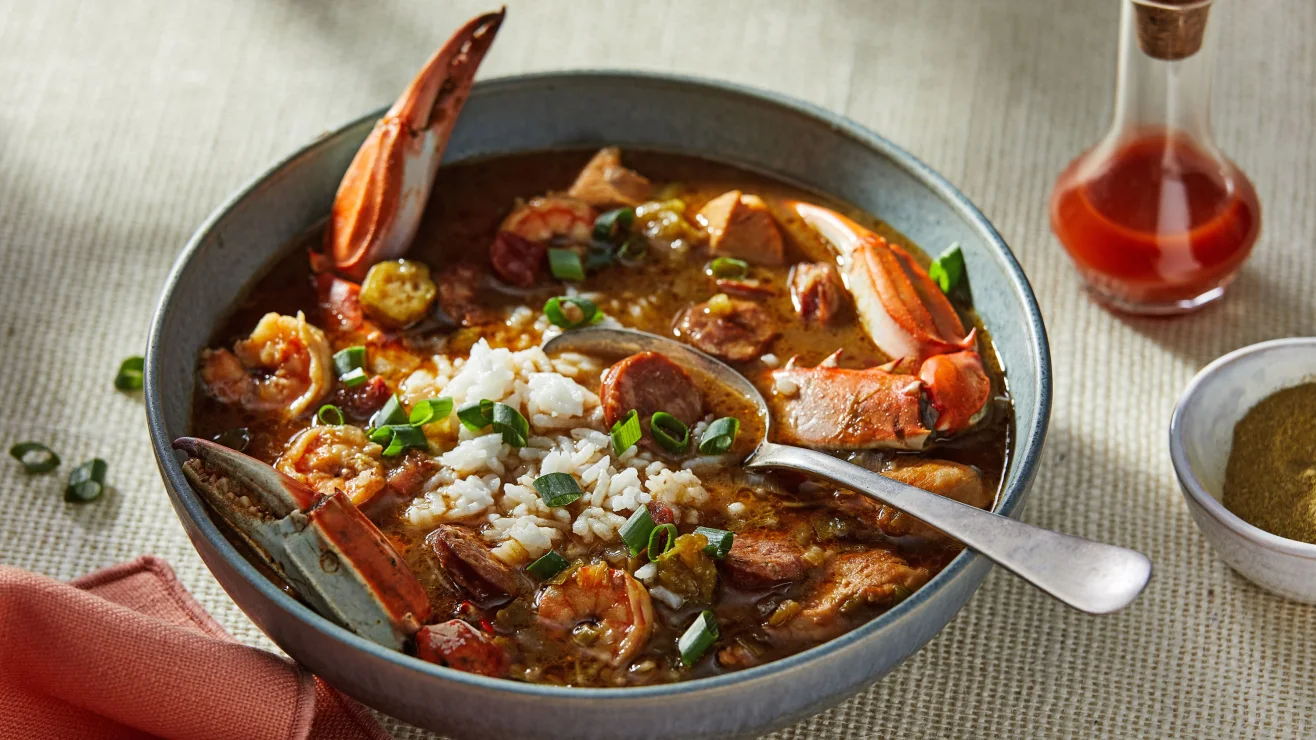
Gumbo from the United States
Gumbo comes from Louisiana and reflects a mix of cultures, including West African, Native American Choctaw, and French traditions.
The soup may include seafood, chicken, sausage, okra, or roux. There are many ways to prepare gumbo, and each version reflects family and regional traditions.
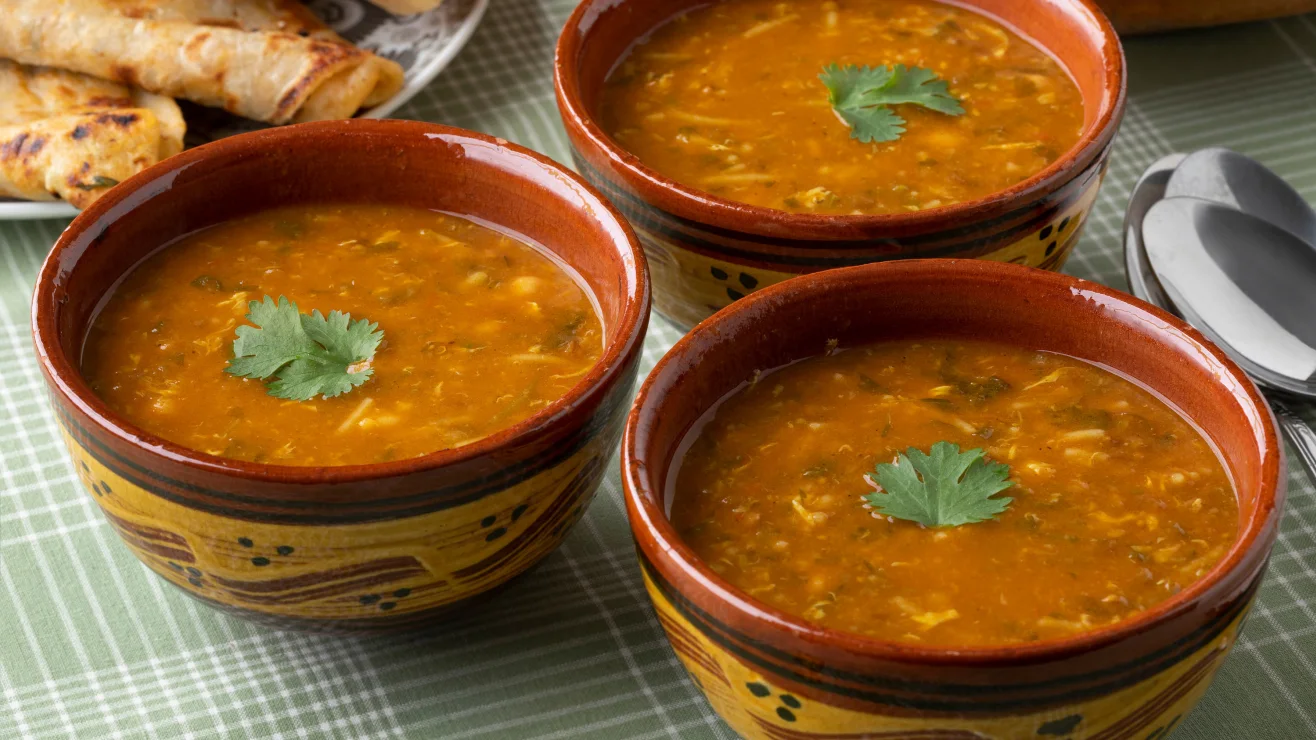
Harira from Morocco
Harira is traditionally eaten to break the fast during the month of Ramadan.
It is made with chickpeas, tomatoes, warming spices such as cinnamon and ginger, and often lamb or other meat. Harira is also enjoyed in Algeria. Some Jewish communities prepare harira to break the fast during Yom Kippur.
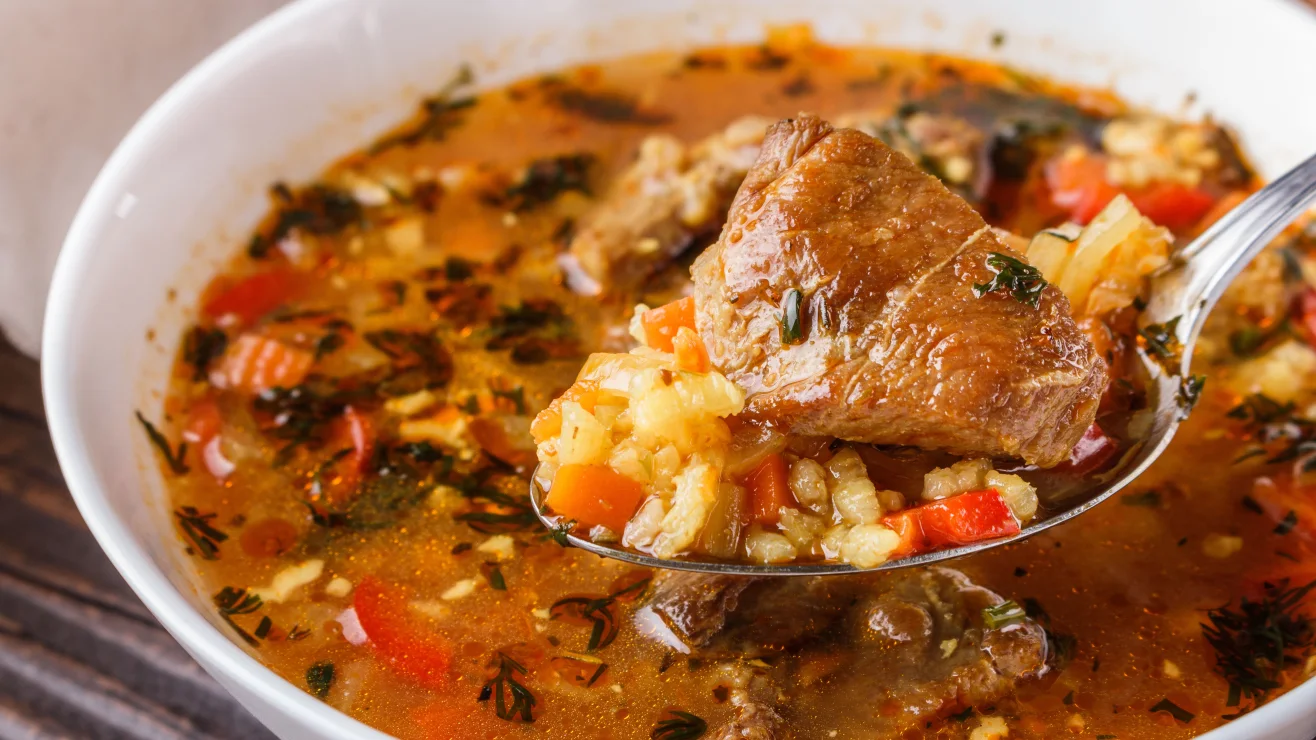
Kharcho from Georgia
Kharcho is a rich soup made with fatty beef and ground walnuts.
A sour plum sauce balances the richness of the meat. A local spice mix adds strong aroma and deep flavor.
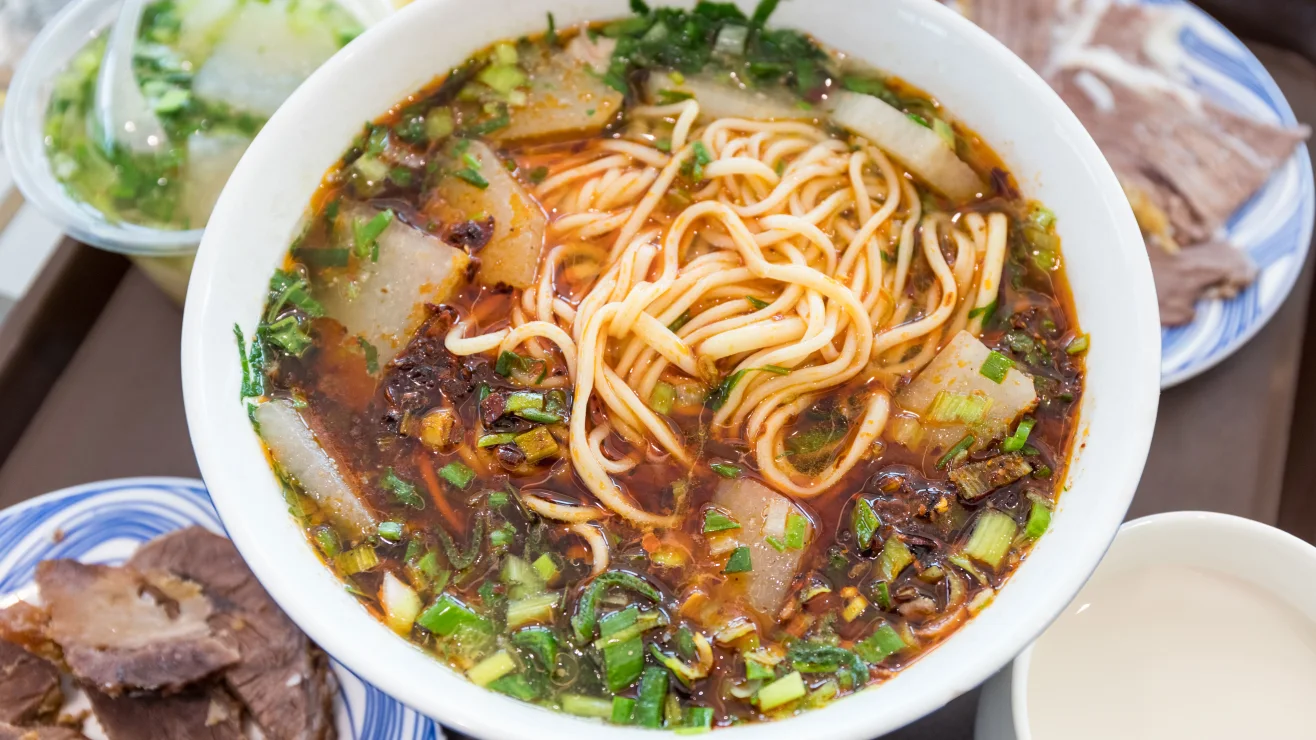
Lanzhou Beef Noodle Soup from China
This soup is famous for its hand-pulled noodles. Skilled cooks stretch and fold dough repeatedly to create long noodles.
The noodles are served in beef broth with tender beef, slices of radish, chilli oil, and fresh herbs. In some shops, customers can choose the thickness and shape of the noodles.
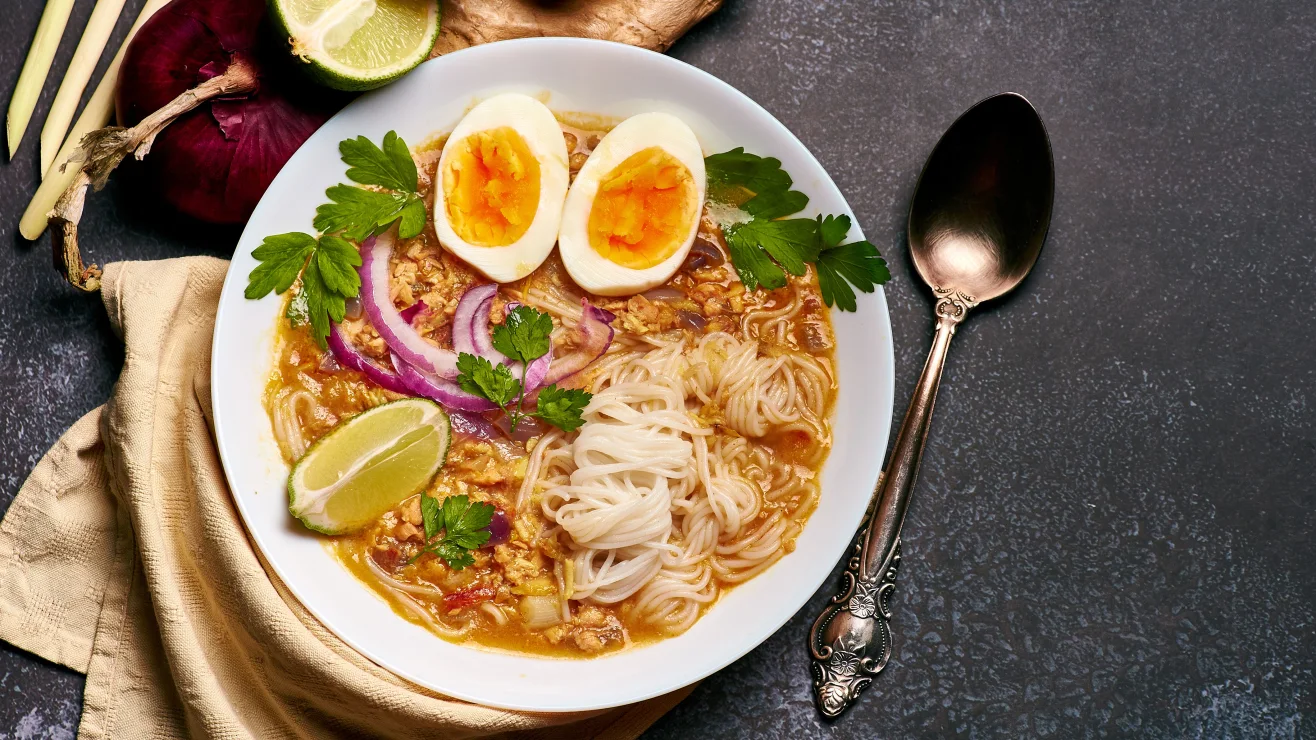
Mohinga from Myanmar
Mohinga is commonly eaten for breakfast. Street vendors and tea shops sell it from large pots.
The soup is made with fish broth thickened with toasted rice powder and served with rice noodles. Mohinga is so popular that it is eaten at any time of day. Each region has its own version.
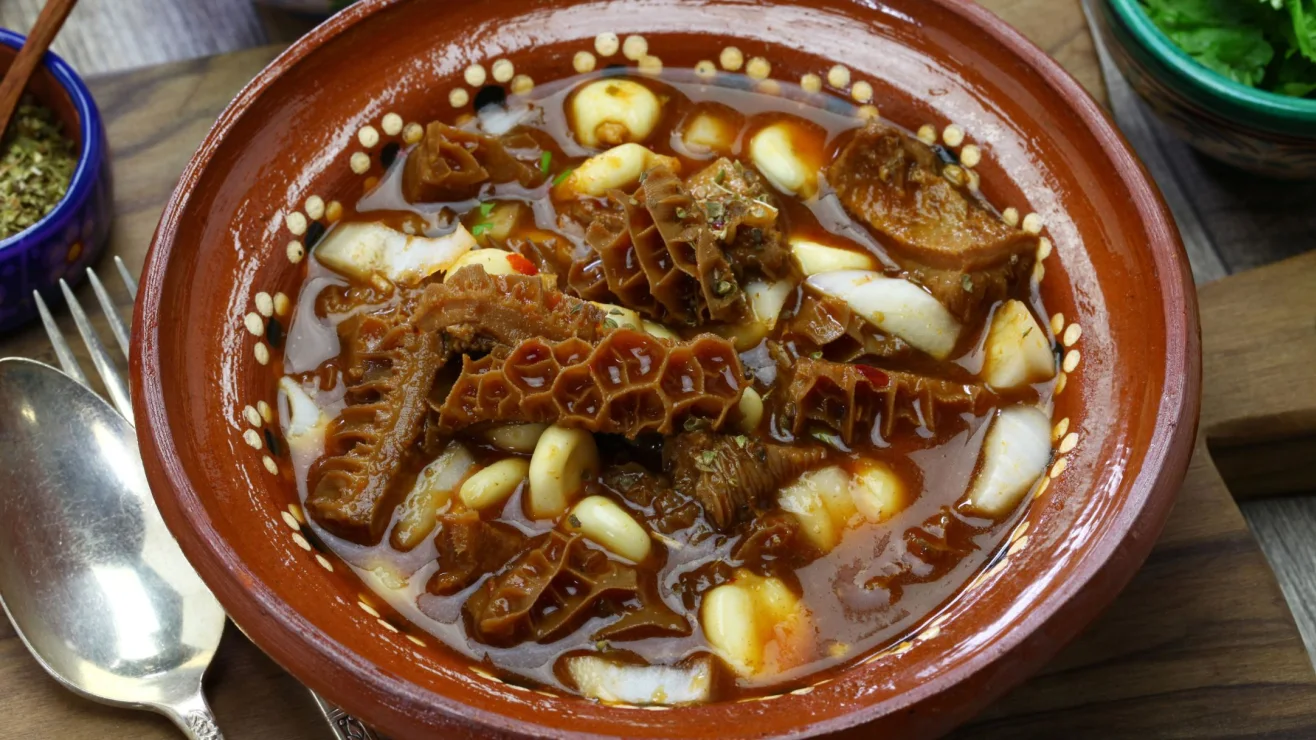
Menudo from Mexico
Menudo is made with tripe simmered for many hours in a spicy and garlicky broth.
It is known as a hangover cure. It is also served at weddings and large family gatherings. There are two main varieties. Menudo rojo is red from chillies, while Menudo blanco is milder.
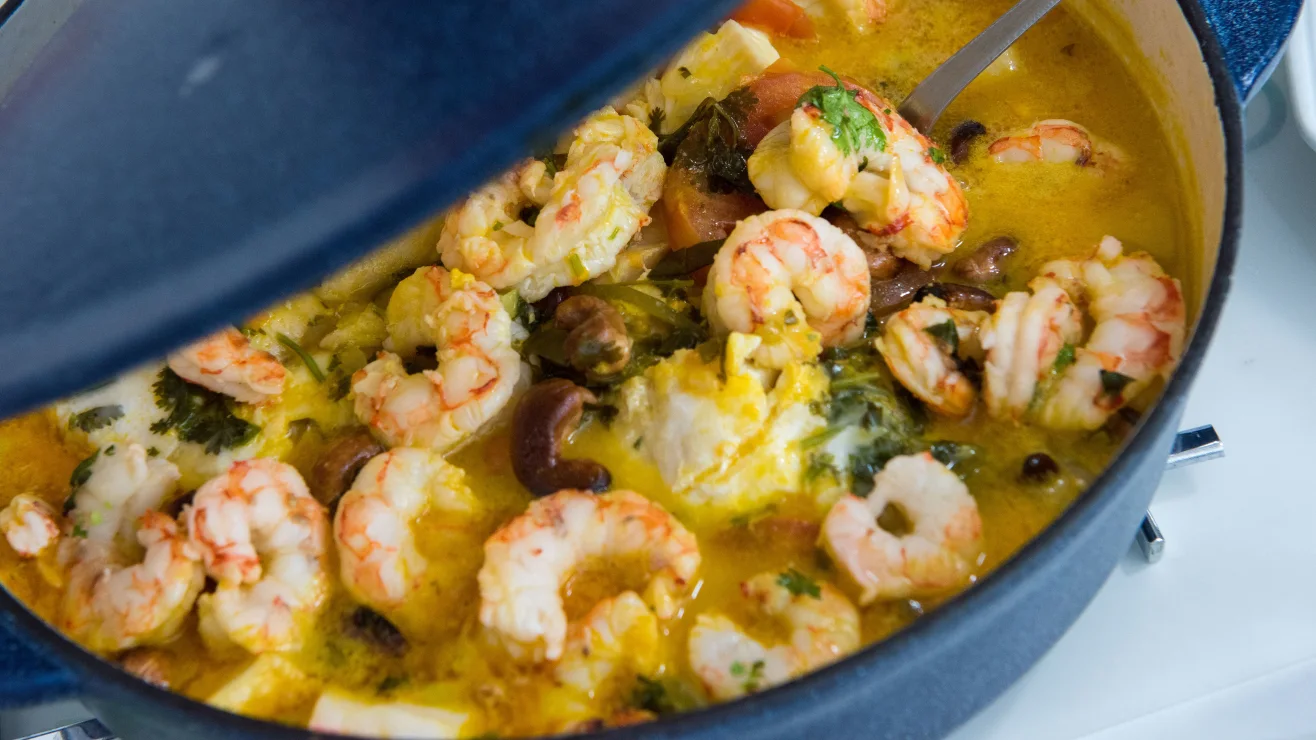
Moqueca de Camarao from Brazil
Moqueca de camarao is a shrimp soup from the Bahia region of Brazil.
It is made with coconut milk, tomatoes, and palm oil. Traditionally, it is cooked and served in handmade black clay pots.
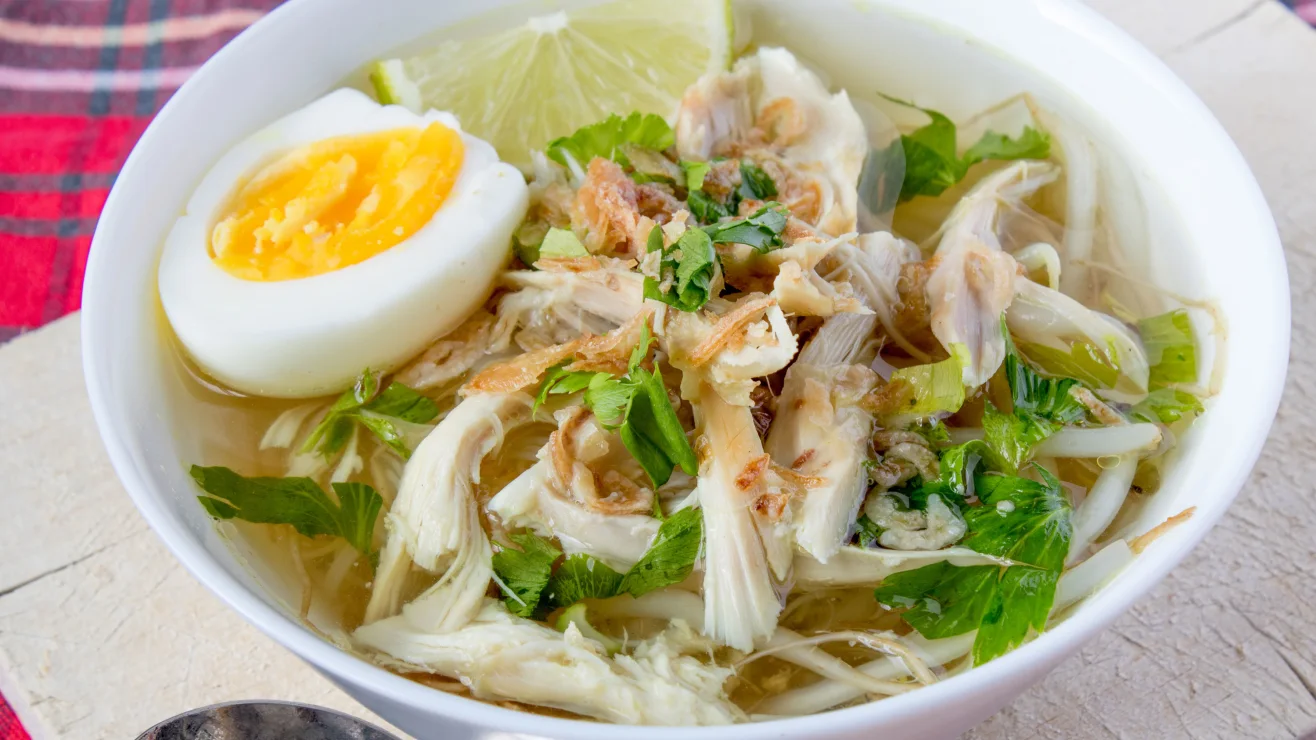
Soto Ayam from Indonesia
Soto ayam is a chicken soup flavored with turmeric, lemongrass, star anise, cinnamon, and lime leaves.
Soft-boiled eggs add richness. The soup is eaten across Indonesia and in other countries. It is topped with fried shallots, fresh lime, and sliced chillies.
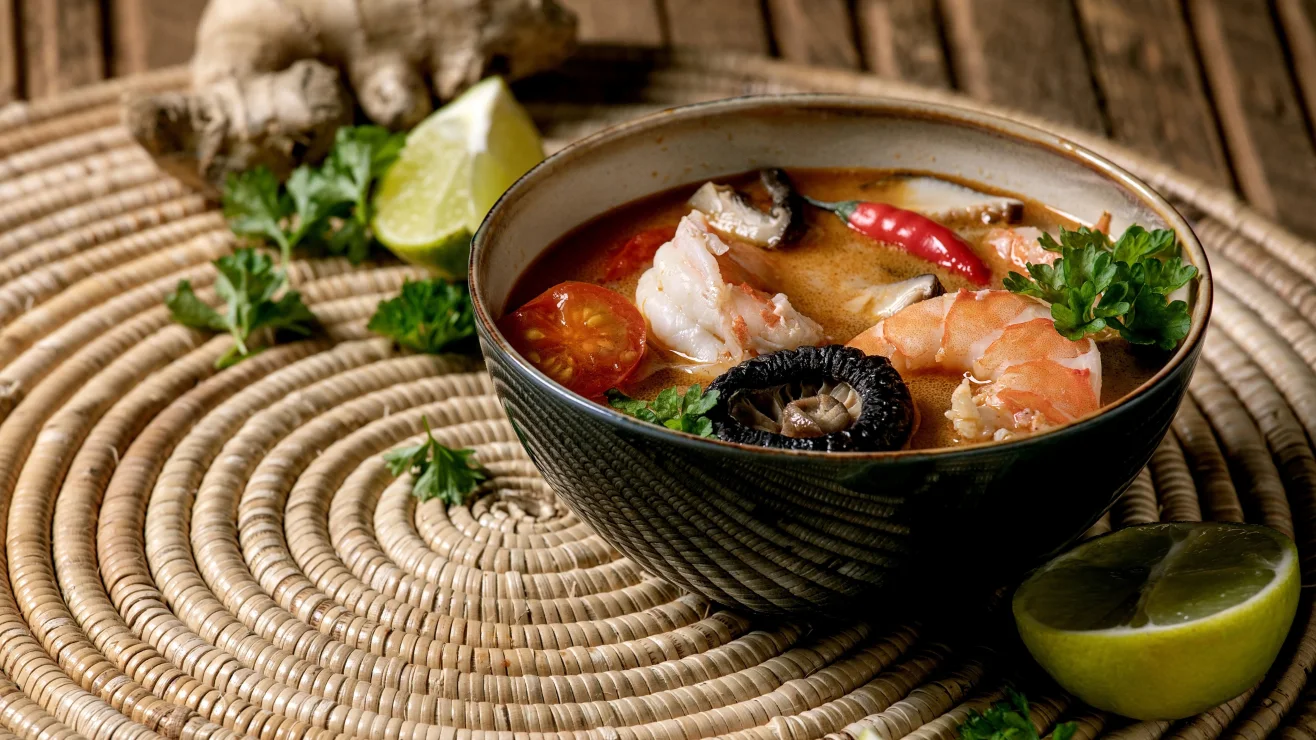
Tom Yum Goong from Thailand
Tom yum goong is known for its bold mix of flavors. The soup is sweet, sour, spicy, and salty.
Shrimp are cooked in broth with galangal, lemongrass, lime leaves, and bird’s eye chillies. It is one of many types of tom yum soup.
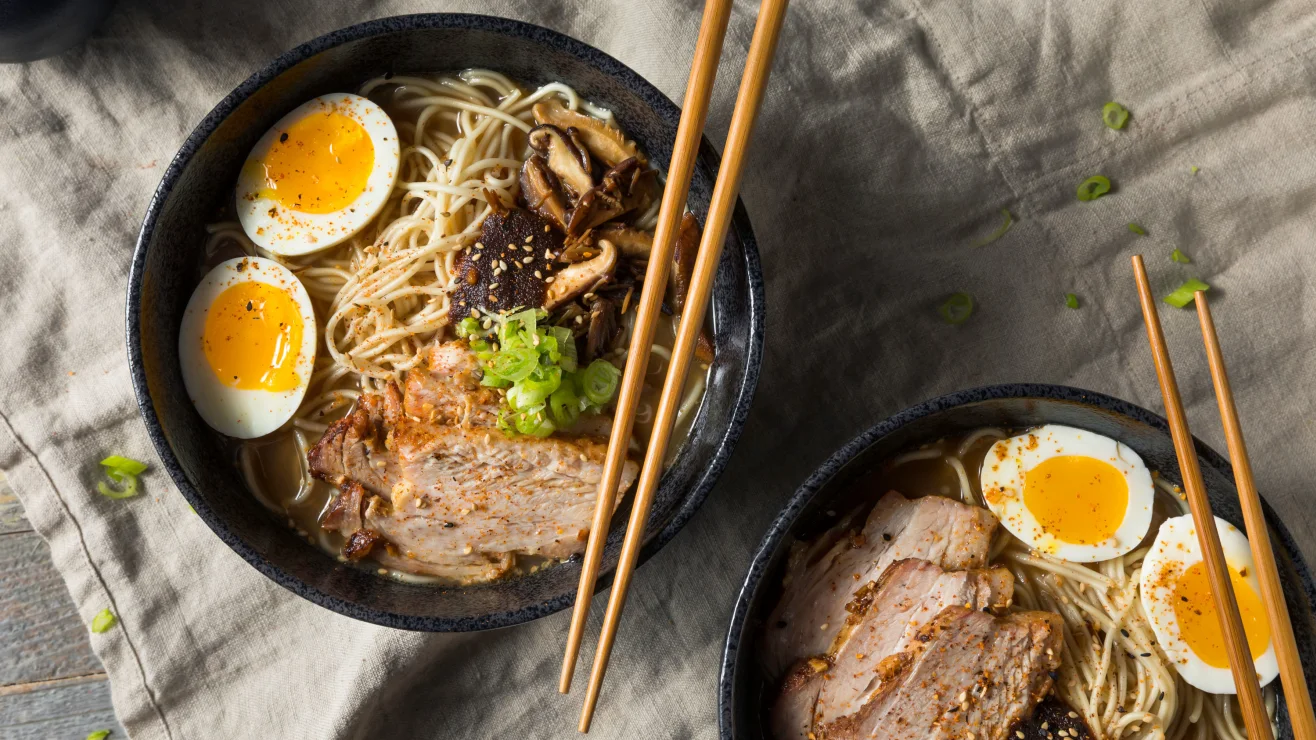
Tonkotsu Ramen from Japan
Tonkotsu ramen has a thick, cloudy broth made by simmering pork bones for many hours.
The broth is rich with marrow and fat. The soup is served with noodles and slices of pork. Slurping the noodles is believed to improve the flavor.
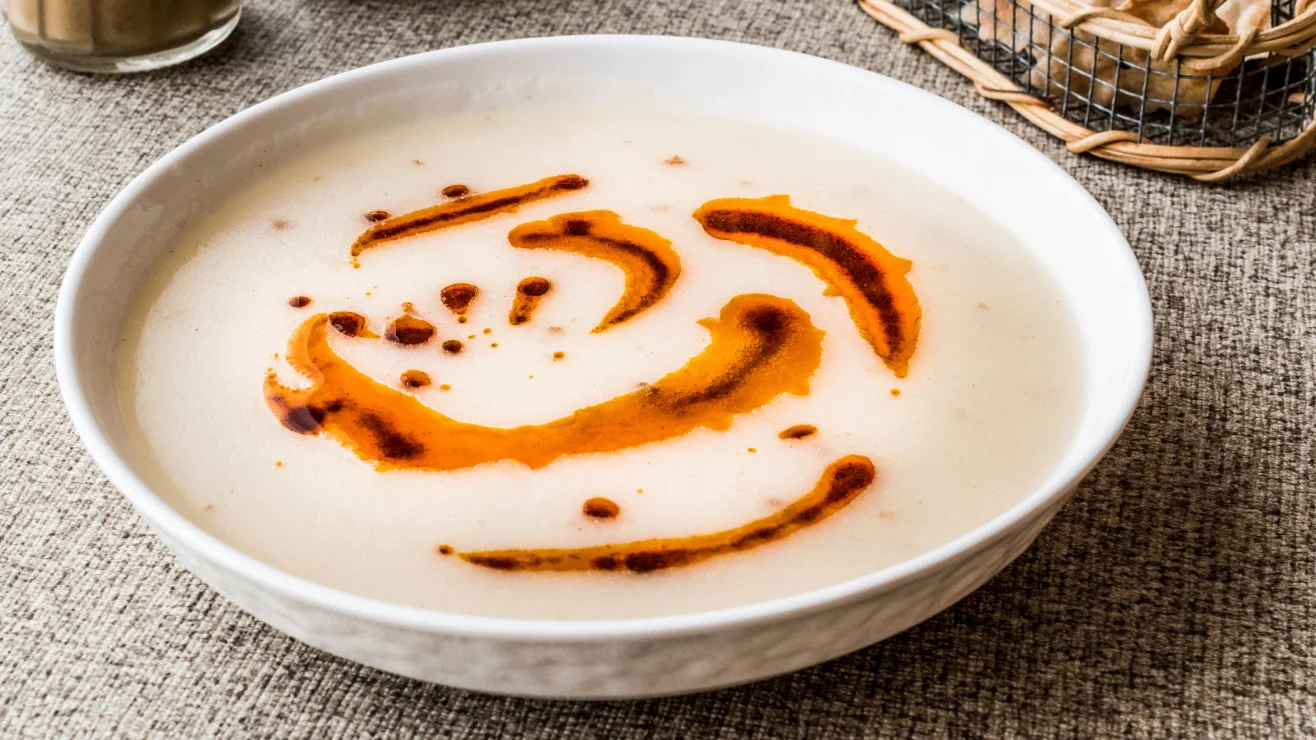
Yayla Corbasi from Turkey
Yayla corbasi is a yogurt-based soup made with rice or barley.
Dried mint is added to balance the yogurt’s tangy taste. The soup is believed to help prevent colds. Some hospitals serve it to patients during recovery. It is often eaten with fresh bread.
Conclusion
Soup is one of the oldest and most important foods in human history. From boiling food in turtle shells to cooking rich broths in modern kitchens, soup has always provided nourishment, comfort, and care. These soups show how different cultures use local ingredients, history, and tradition to create unique dishes. Even though flavors and cooking methods differ around the world, soup remains a shared symbol of warmth, healing, and togetherness.