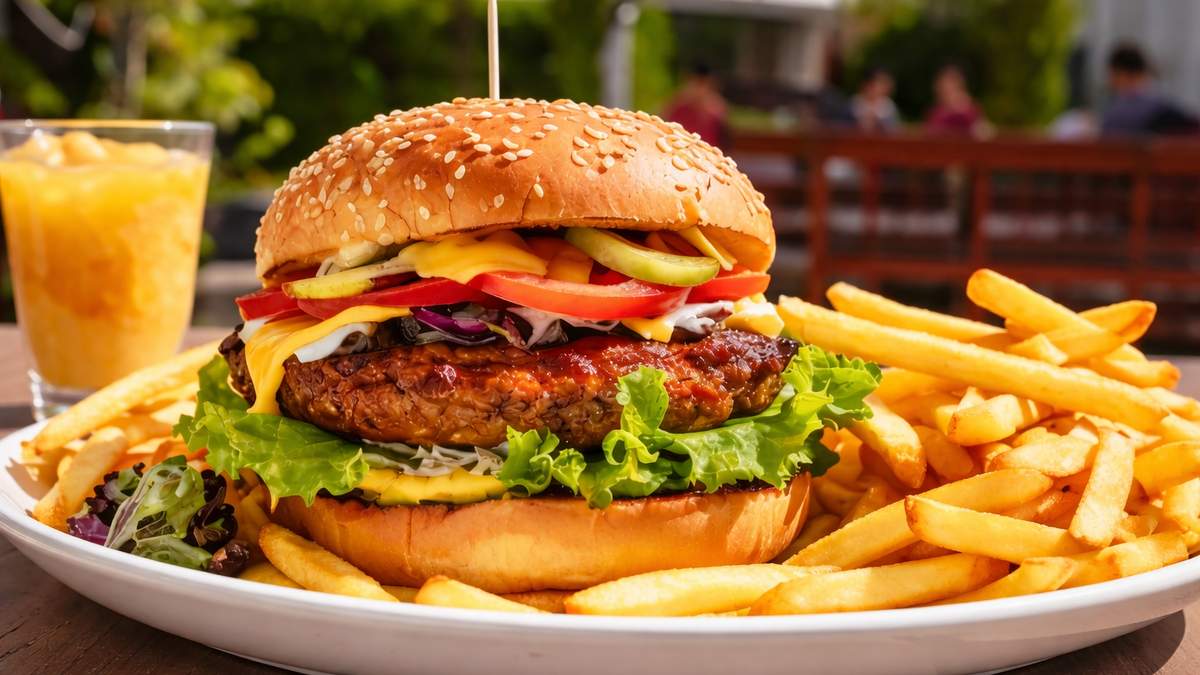
Many foods people call “American” did not actually originate in the United States. Dishes like hamburgers, pizza, hot dogs, and apple pie are strongly associated with American culture, so many people assume they were created there.
In reality, most of these foods came from countries such as Germany, Italy, France, England, Poland, Mexico, and the Netherlands. Immigrants brought these recipes to America between the 17th and 19th centuries. Over time, the dishes evolved and became part of American food culture.
This article explains where these popular foods truly came from and explores their real history.
Beignets
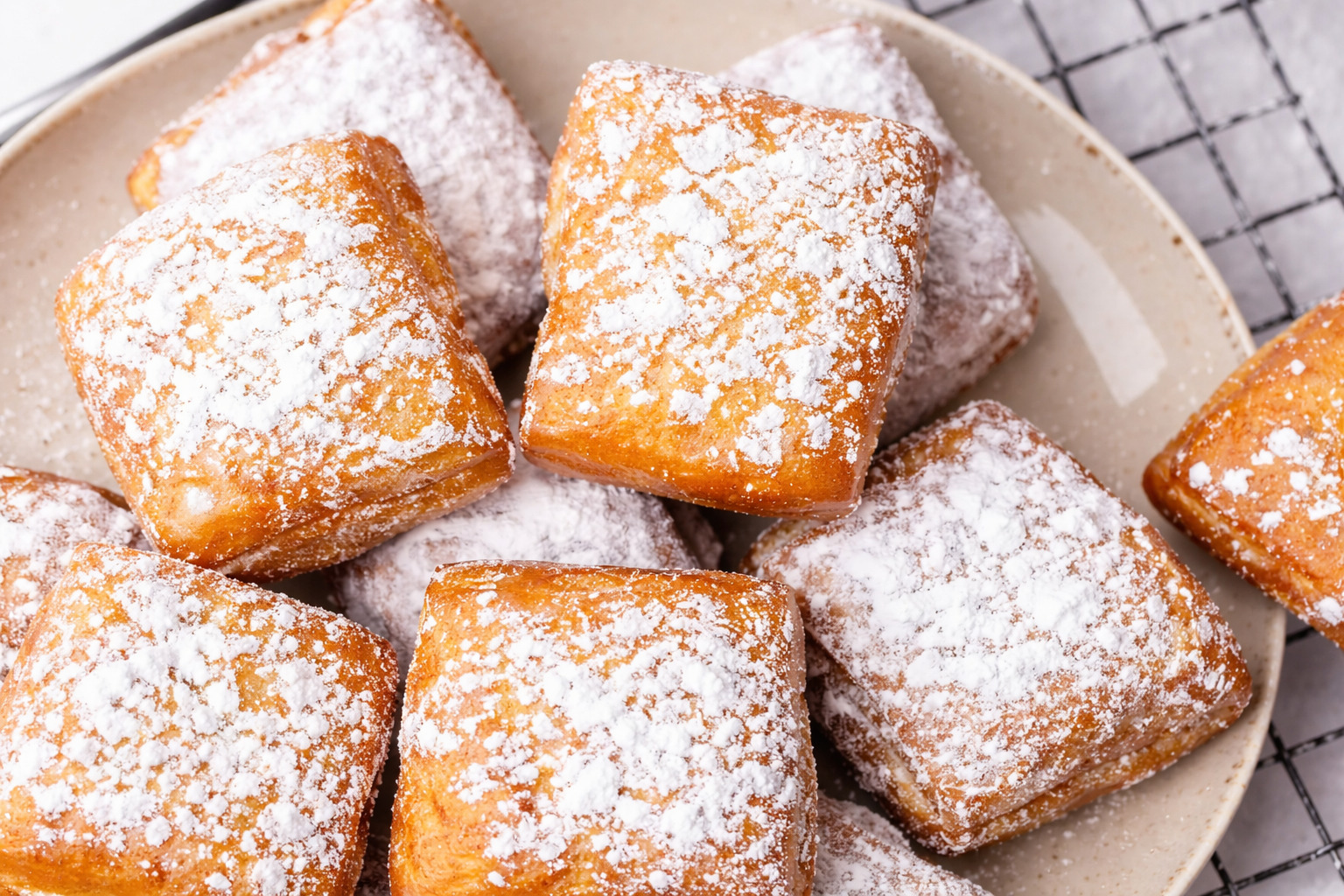
Beignets are strongly associated with New Orleans. They are especially famous at Café du Monde, which has served them since 1862. These square pieces of fried dough are covered with powdered sugar and are often enjoyed with coffee.
However, beignets originated in France. The word “beignet” means “fried dough” in French. French colonists brought the recipe to Louisiana during the 18th century. Over time, the American version became lighter and sweeter than traditional French varieties.
Beignets originated in France in the 1700s and became popular in New Orleans during the 19th century.
Hot Dogs
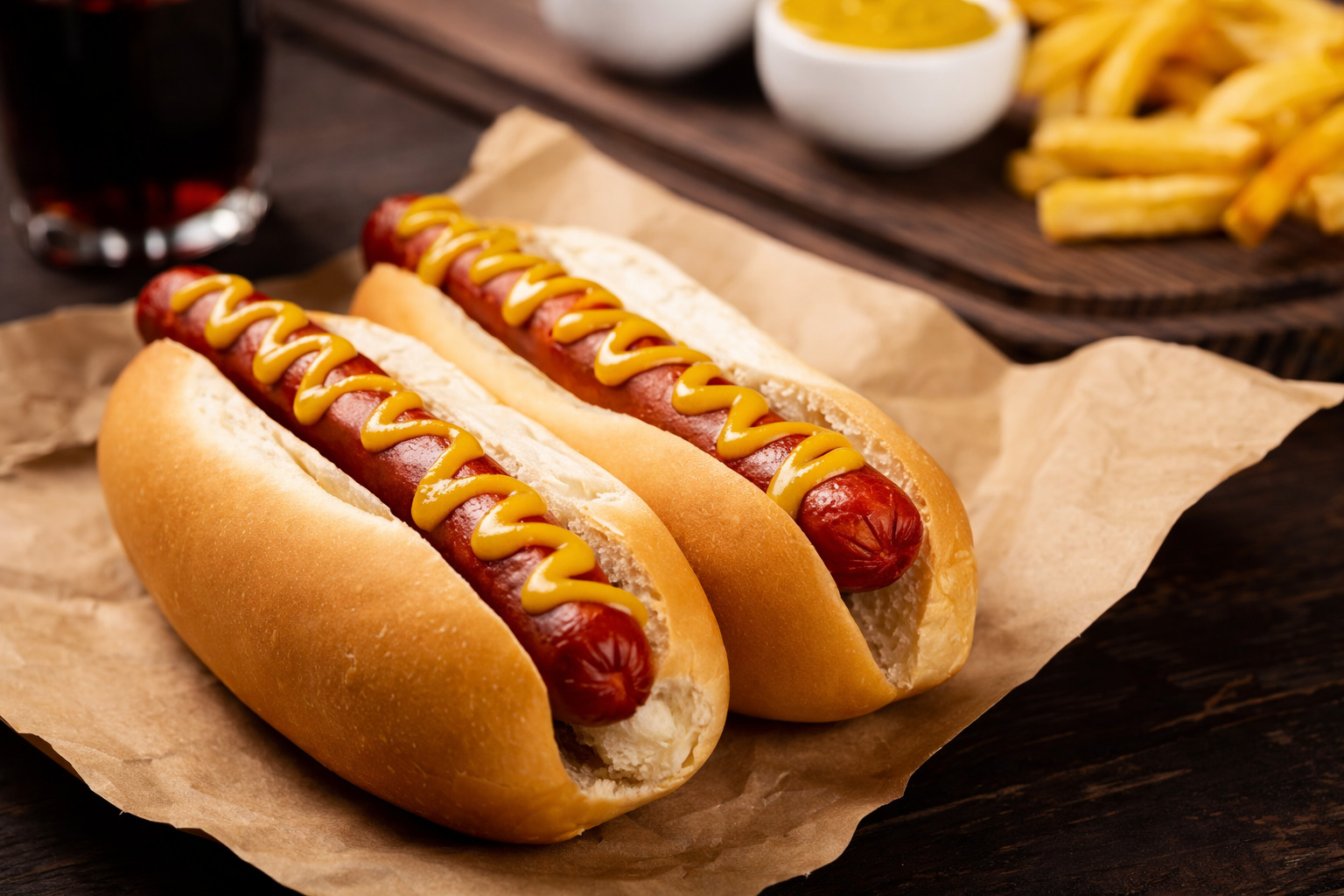
Hot dogs are a common food at baseball games and national celebrations in the United States. Many people consider them a classic American dish. However, sausages similar to hot dogs existed in Germany for centuries. The frankfurter sausage came from Frankfurt, Germany.
German immigrants brought these sausages to America during the 19th century. By the late 1800s, vendors began placing the sausage inside a bun, making it easier to carry and eat as street food. The bun was an American adaptation that helped popularize hot dogs.
Hot dogs originated in Germany and became widely popular in the United States in the late 19th century.

Hamburgers
The hamburger is one of the most famous foods in America and is often seen as a symbol of American fast food. However, it developed from “Hamburg steak,” a minced beef patty eaten in Germany during the 19th century.
German immigrants brought Hamburg steak to the United States. In the early 1900s, cooks began serving the patty between slices of bread or inside a bun. This simple innovation created the modern hamburger sandwich.
The hamburger originated in Germany, while the sandwich version was developed in America in the early 20th century.

Pizza
Pizza is often associated with cities like New York and Chicago. Many people believe it is an American invention. However, pizza began in Naples, Italy, during the 18th century. People there ate flatbreads topped with tomatoes, cheese, and herbs.
Italian immigrants brought pizza to the United States in the late 1800s and early 1900s. American cities later developed their own styles, including thin-crust New York pizza and deep-dish Chicago pizza.
Pizza originated in Italy and became popular in America in the late 19th and early 20th centuries.

French Fries
French fries are strongly linked to American fast-food culture. However, most historians believe fried potatoes began in Belgium during the 17th century, where they were commonly eaten.
During World War I (1914–1918), American soldiers were introduced to fried potatoes in Belgium. Because French was widely spoken in the region, soldiers referred to them as “French” fries. The name remained after they returned home.
French fries originated in Belgium in the 1600s and became popular in America during the early 20th century.

Doughnuts
Doughnuts are common in American bakeries and coffee shops, and many people consider them a classic American treat. However, their origins trace back to the Netherlands in the 17th century. Dutch settlers brought “olykoeks,” or oil cakes, to North America.
These early doughnuts were small balls of fried dough. In the mid-19th century, the ring shape with a hole became popular because it allowed for more even cooking. Over time, doughnuts evolved into glazed and flavored varieties.
Doughnuts originated in the Netherlands in the 1600s, and the ring shape became popular in the 1800s.
Apple Pie
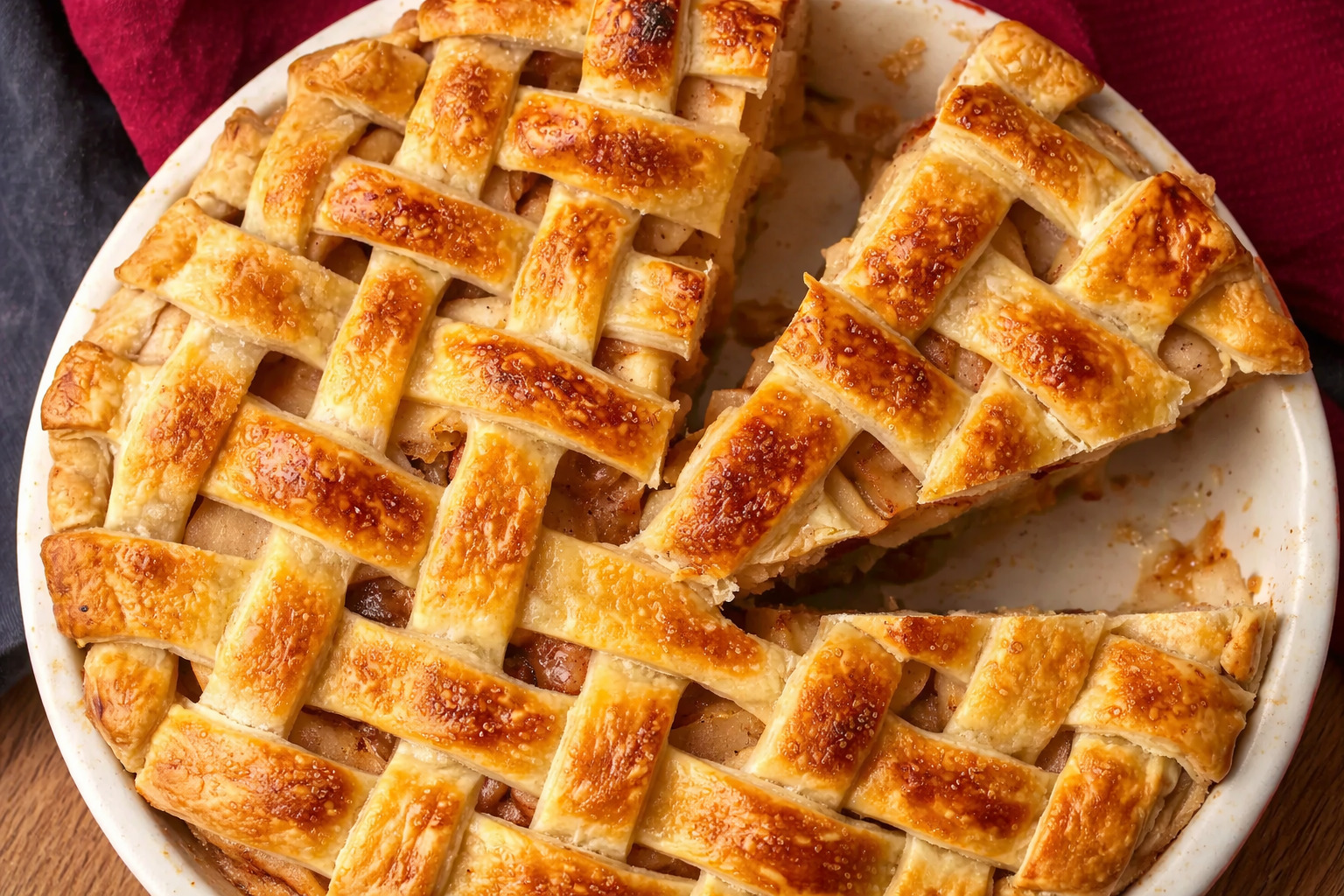
Apple pie is often described as “as American as apple pie.” However, apple pie recipes existed in England as early as the 14th century. The dessert was common in Europe long before the United States was founded.
Apples were not native to North America. European settlers brought apple seeds and trees to America in the 1600s. Over time, apple pie became a symbol of American tradition.
Apple pie originated in England in the 1300s and became popular in America after the 1600s.
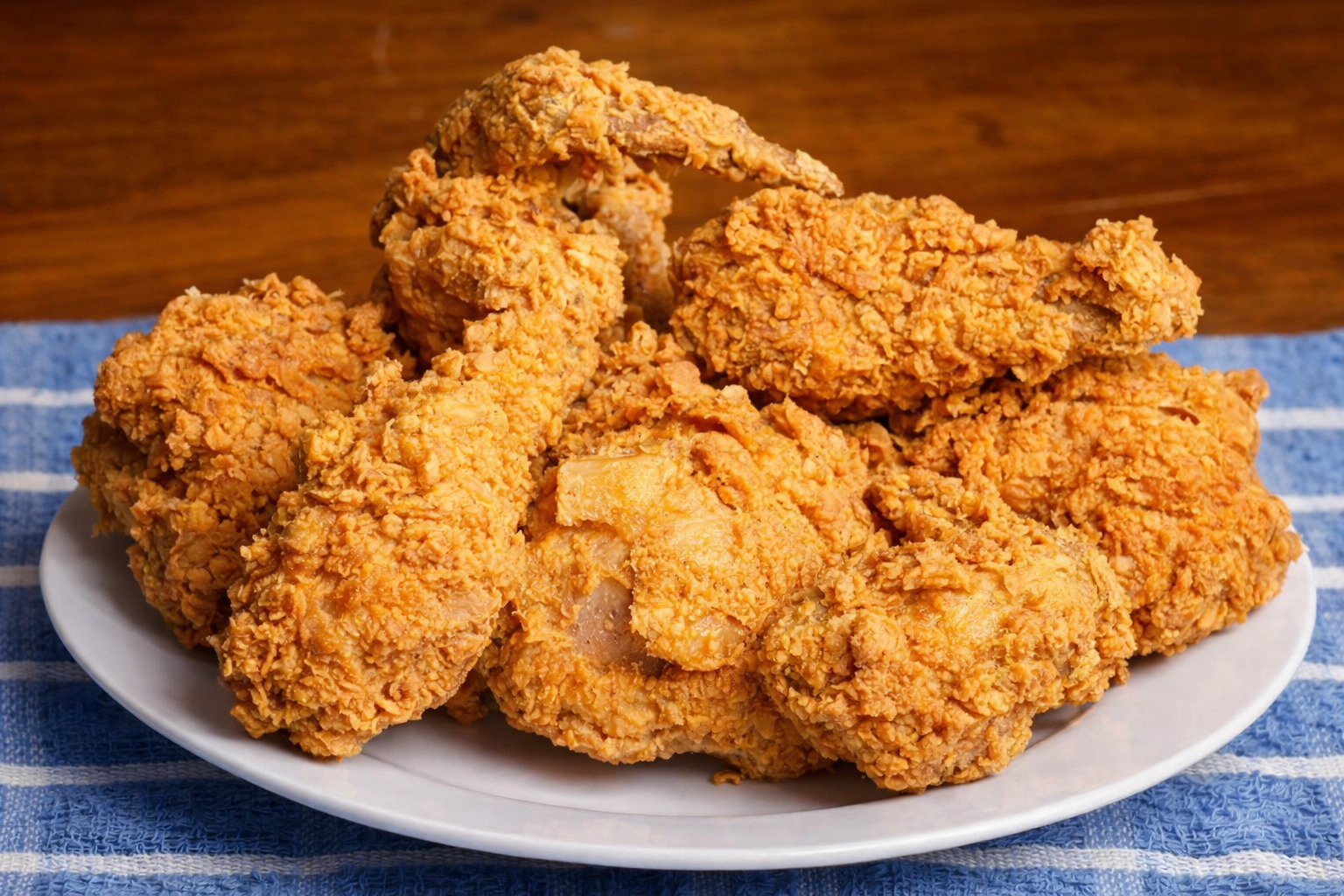
Fried Chicken
Fried chicken is strongly connected to the American South. However, the cooking technique has roots in multiple cultures. Scottish immigrants brought methods of frying chicken in fat, while West African cooks contributed seasoning and spice techniques.
These traditions blended in the Southern United States during the 18th and 19th centuries, creating one of the most recognized dishes in American cuisine.
Fried chicken developed in America from Scottish and West African influences during the 1700s and 1800s.
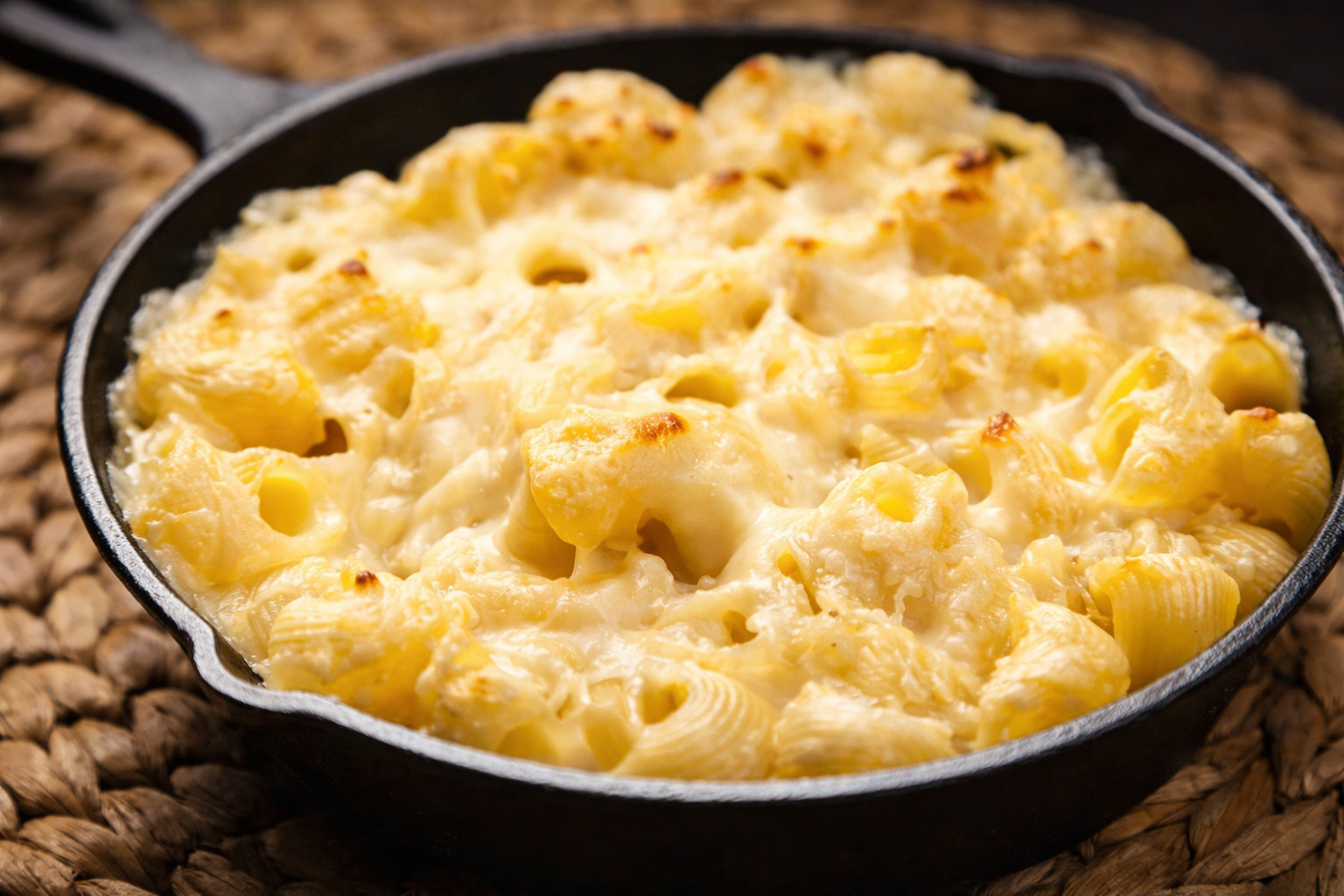
Macaroni and Cheese
Macaroni and cheese is considered a classic American comfort food. However, pasta combined with cheese existed in Italy as early as the 13th century. European cookbooks included similar recipes long before they appeared in America.
The dish became especially popular in the United States when boxed macaroni and cheese was introduced in 1937 during the Great Depression. This affordable and convenient version made the meal widely accessible.
Macaroni and cheese originated in Italy in the 1200s and became widely popular in America in 1937.

Bagels
Bagels are closely associated with New York City and are often considered a classic American breakfast food. However, bagels originated in Poland within Jewish communities during the 17th century.
Jewish immigrants brought bagels to the United States in the late 1800s. Over time, they gained nationwide popularity and were commonly served with cream cheese. American bakeries also introduced new flavors and larger sizes.
Bagels originated in Poland in the 1600s and became popular in America in the late 19th century.
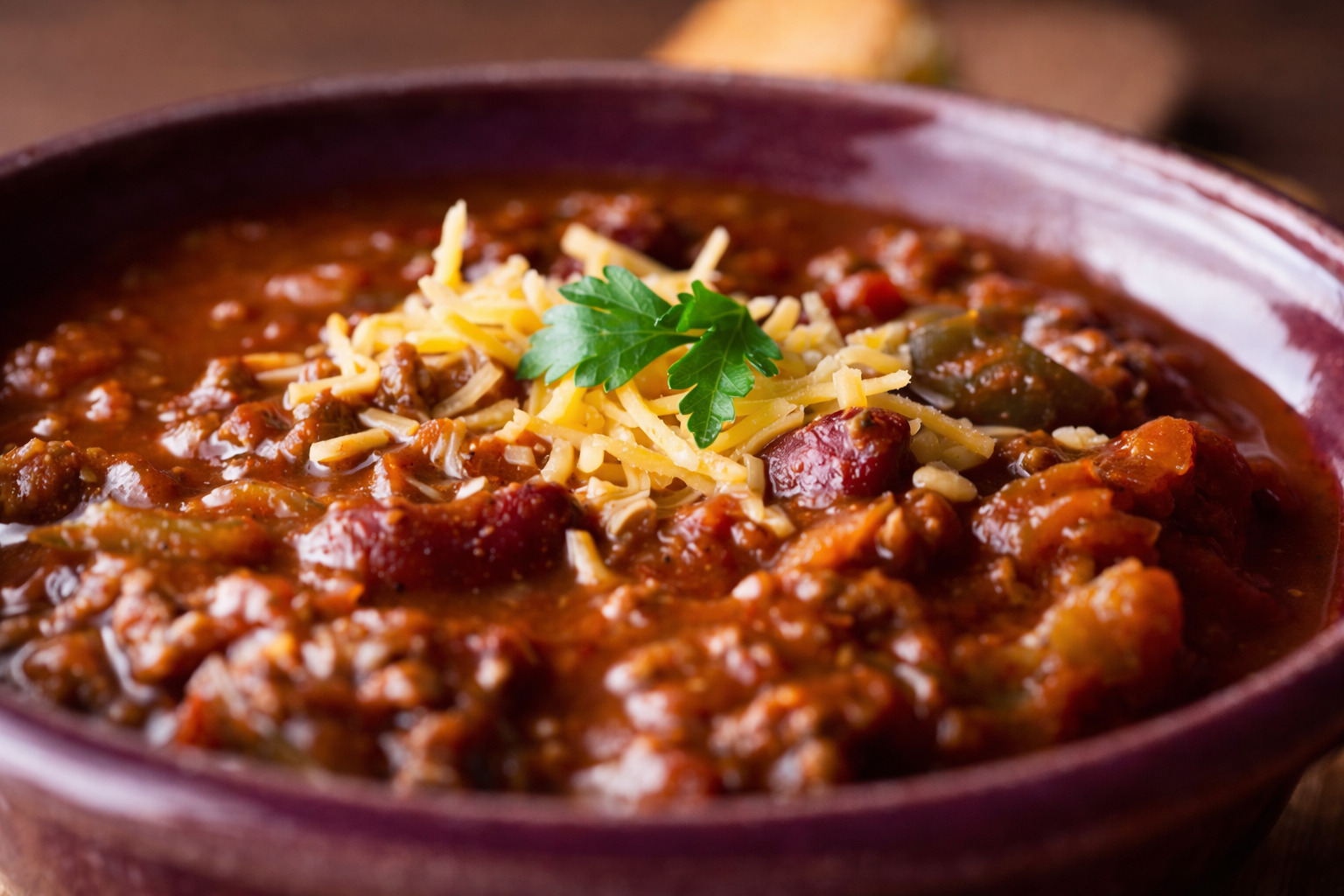
Chili
Chili, especially chili con carne, is often considered a Texas specialty. However, dishes made with chili peppers, meat, and spices existed in Mexico long before they appeared in American cookbooks.
By the late 19th century, chili became popular in Texas, particularly in San Antonio. American cooks later created regional variations by adjusting ingredients and spice levels.
Chili originated in Mexico and became popular in Texas in the late 1800s.
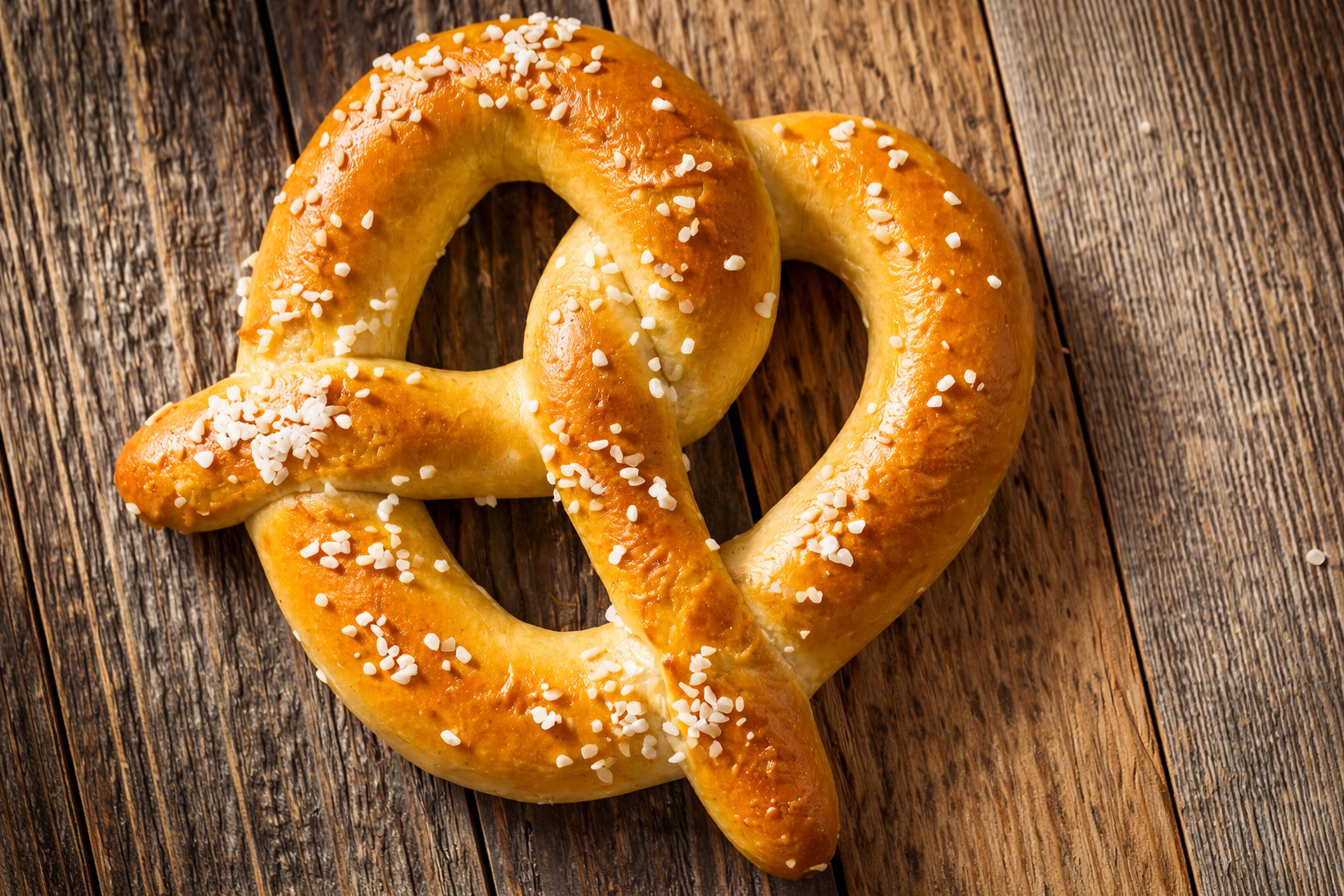
Pretzels
Pretzels are widely available in American malls and stadiums. However, they date back to Europe during the early Middle Ages. They were likely created in Germany or Italy and were sometimes associated with monasteries.
German immigrants brought pretzels to the United States in the 18th and 19th centuries. Pennsylvania became a major center for pretzel production. Soft pretzels with cheese dips later became especially popular in America.
Pretzels originated in Europe during the Middle Ages and became common in America in the 1700s and 1800s.
Conclusion: American Food Has Global Roots
Many foods considered American actually began in Europe, Mexico, and other parts of the world. These dishes arrived through immigration and cultural exchange. Over time, they were adapted and reinvented to suit American tastes.
American cuisine reflects global influence rather than a single origin. It is shaped by history, migration, and shared traditions across many cultures.