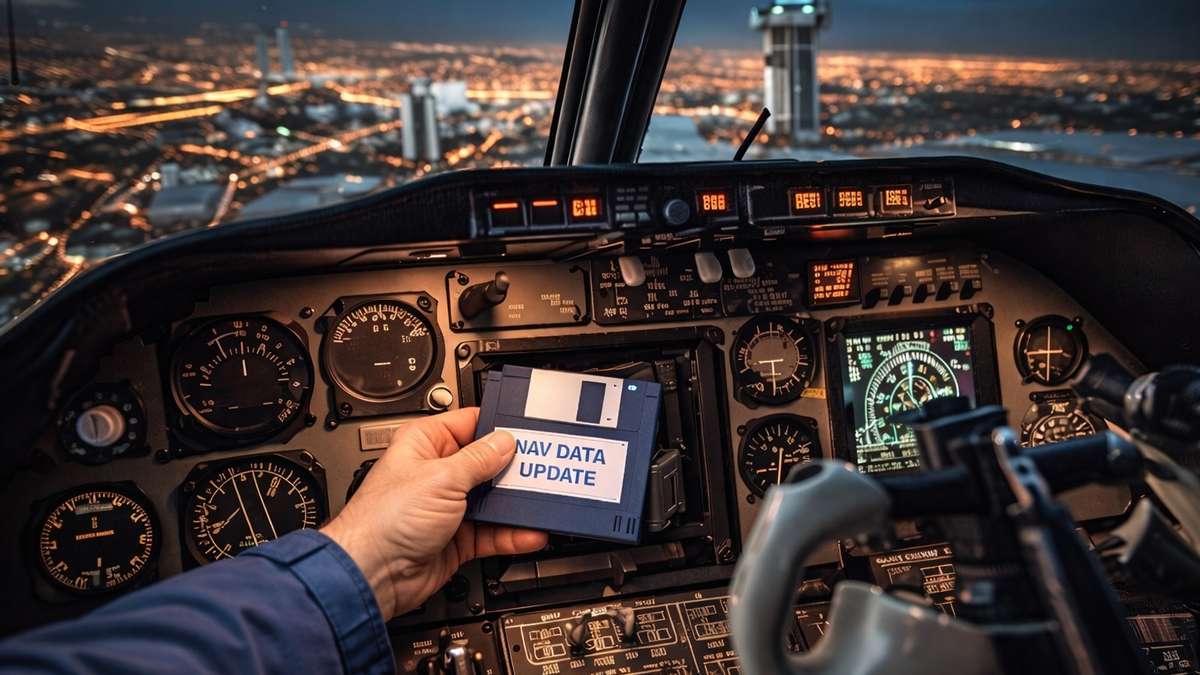
In 2026, many people are surprised to learn that a small number of airplanes still use floppy disks. While floppy disks were common in the 1980s and 1990s for storing small amounts of data, they have largely disappeared from everyday life. However, in aviation, certain older aircraft systems continue to rely on this legacy technology.
The reason is not that aviation is outdated. Instead, safety, reliability, cybersecurity, and strict certification standards are more important than simply adopting the newest technology.
What Is a Floppy Disk?
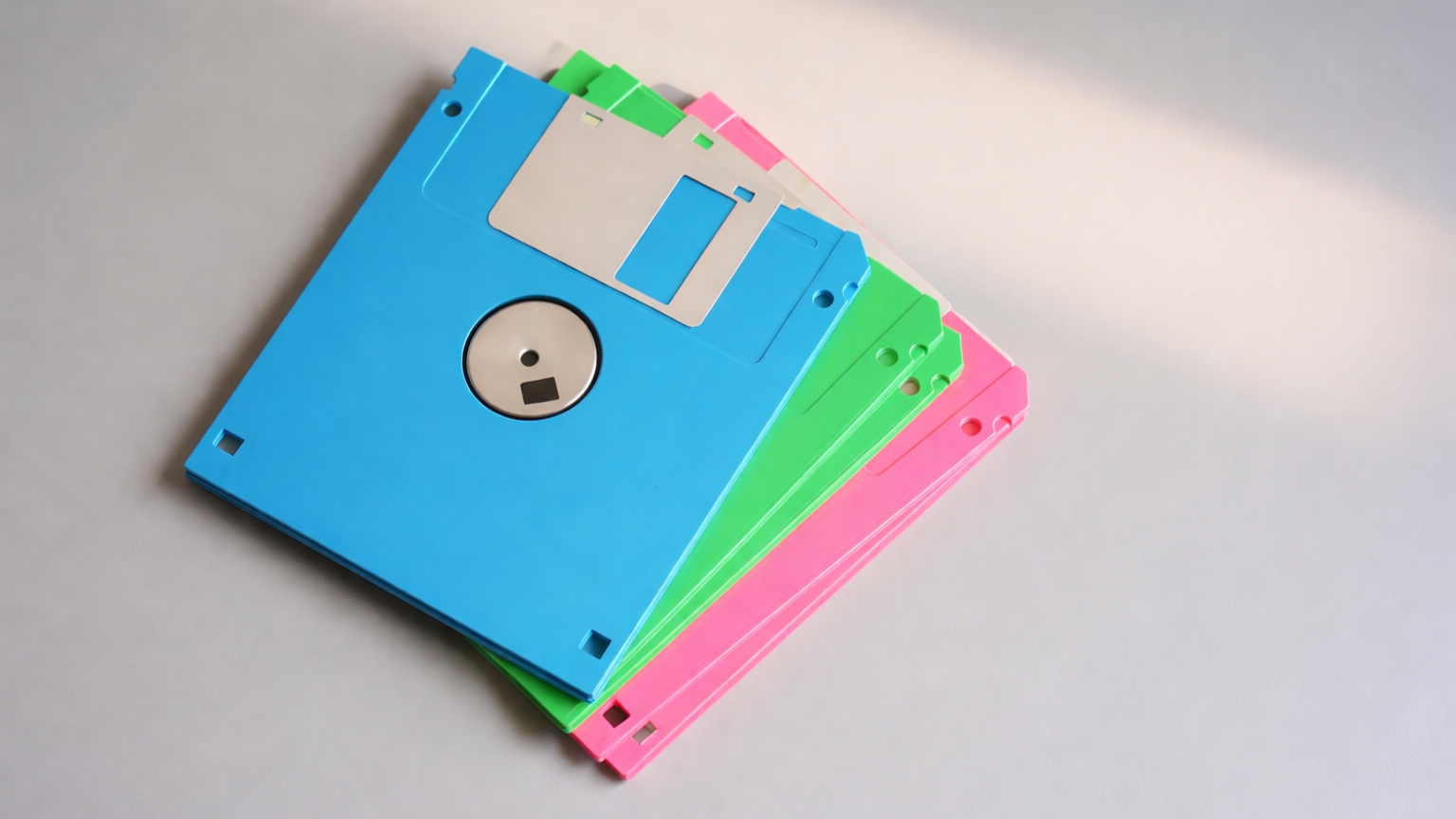
A floppy disk is a square plastic storage device containing a thin magnetic disk inside. The most common version, the 3.5-inch floppy disk, stores about 1.44 megabytes of data. Although extremely small by modern standards, this capacity is sufficient for specific aircraft data files, such as navigation database updates.
Floppy disks were introduced in the 1970s and became widely used in the 1980s and early 1990s. Most industries abandoned them decades ago, but aviation continues to use them in limited and specific situations.
Long Lifespan of Aircraft
Commercial aircraft are designed to operate for 30 to 40 years or more. Many airplanes still flying today were built in the late 1980s and 1990s, when floppy disks were standard technology.
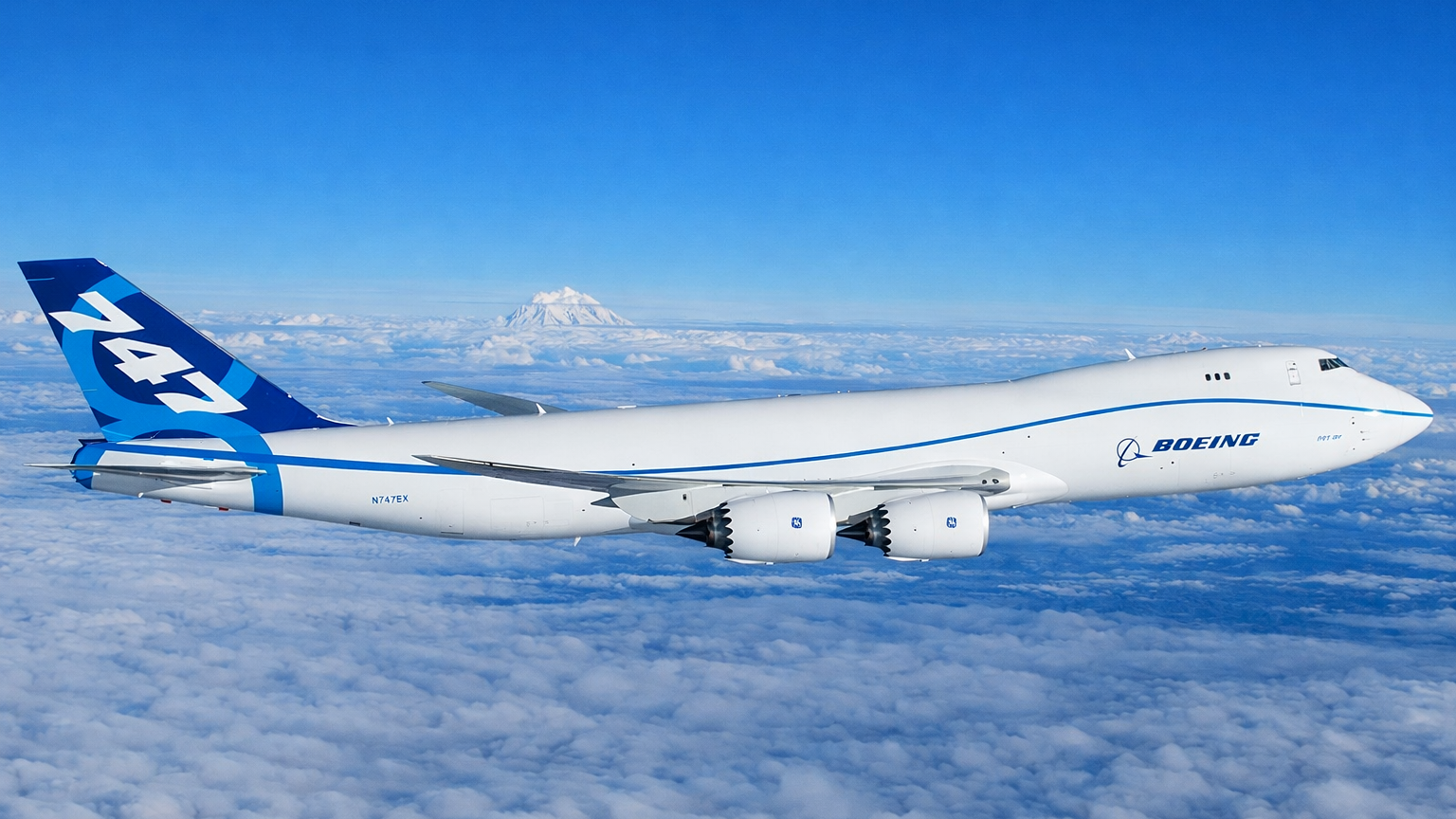
For example, early versions of the Boeing 747 and initial models of the Airbus A320 were developed during an era when floppy disks were commonly used for data transfer.
When these aircraft were originally certified, their onboard computer systems were designed to accept data via floppy disk drives. Modifying or replacing these systems is complex because aircraft systems must comply with strict regulatory requirements.
Strict Aviation Regulations
Aviation authorities such as the Federal Aviation Administration (FAA) and the European Union Aviation Safety Agency (EASA) require aircraft systems to undergo rigorous testing and certification.
If an airline wants to replace a floppy disk-based system with USB drives or wireless data transfer, it must redesign parts of the aircraft’s avionics system. The modified system must then undergo engineering analysis, ground testing, flight testing, documentation, and regulatory approval. This process can take years and cost millions of dollars.
As a result, airlines often continue using older but certified and reliable systems until the aircraft is retired.
How Floppy Disks Are Used in Airplanes
Floppy disks are not used to control or fly the aircraft. Instead, they are primarily used for loading or updating data.
Navigation Database Updates
Aircraft navigation systems require regular updates containing information about airports, airways, waypoints, and airspace changes. These updates follow the international AIRAC cycle, which occurs every 28 days.
In some older aircraft, technicians insert floppy disks into the system to upload updated navigation databases.
Flight Management System (FMS)
The Flight Management System (FMS) helps pilots plan routes, calculate fuel requirements, and manage aircraft performance. In certain older aircraft models, FMS data is loaded using floppy disks. Because the required data files are relatively small, the 1.44 MB capacity is adequate.
Reliability and Security
One major reason floppy disks remain in limited use is system stability. Aviation systems are designed to be predictable and thoroughly tested. Legacy systems that use floppy disks have operated reliably for decades.
Security is another factor. Most aircraft avionics systems are isolated from the internet. Using physical media such as floppy disks reduces exposure to remote cyber threats. Because data must be physically inserted by authorized personnel, it provides a controlled and traceable update process.
Cost of Modernization
Upgrading aircraft avionics is expensive and time-consuming. Even small technical changes require engineering evaluation, safety assessments, certification documentation, and regulatory approval.
For older aircraft nearing retirement, airlines often determine that modernization is not financially practical. Continuing to use an approved and functioning system is usually more economical.
Current Situation
Reports over the past several years have confirmed that certain older aircraft models, particularly some early 747 variants, continued to use floppy disks for navigation data loading. However, newly manufactured aircraft no longer rely on this technology.
Modern aircraft now use secure digital data loaders, encrypted USB systems, or network-based transfer methods that meet current cybersecurity standards.
By 2026, floppy disk use in aviation will be limited to a small number of aging aircraft still in operation. As these aircraft are gradually retired, floppy disks will eventually disappear from commercial aviation.
Conclusion
Floppy disks remain in limited use in some airplanes because aircraft are designed for decades of service and must comply with strict safety certification standards. The systems that rely on floppy disks are stable, secure, and already approved by regulators. Replacing them requires significant investment and regulatory approval.
Although floppy disks are obsolete in most industries, aviation prioritizes safety, reliability, and certification over technological trends. As older aircraft are phased out, floppy disks will ultimately become part of aviation history.