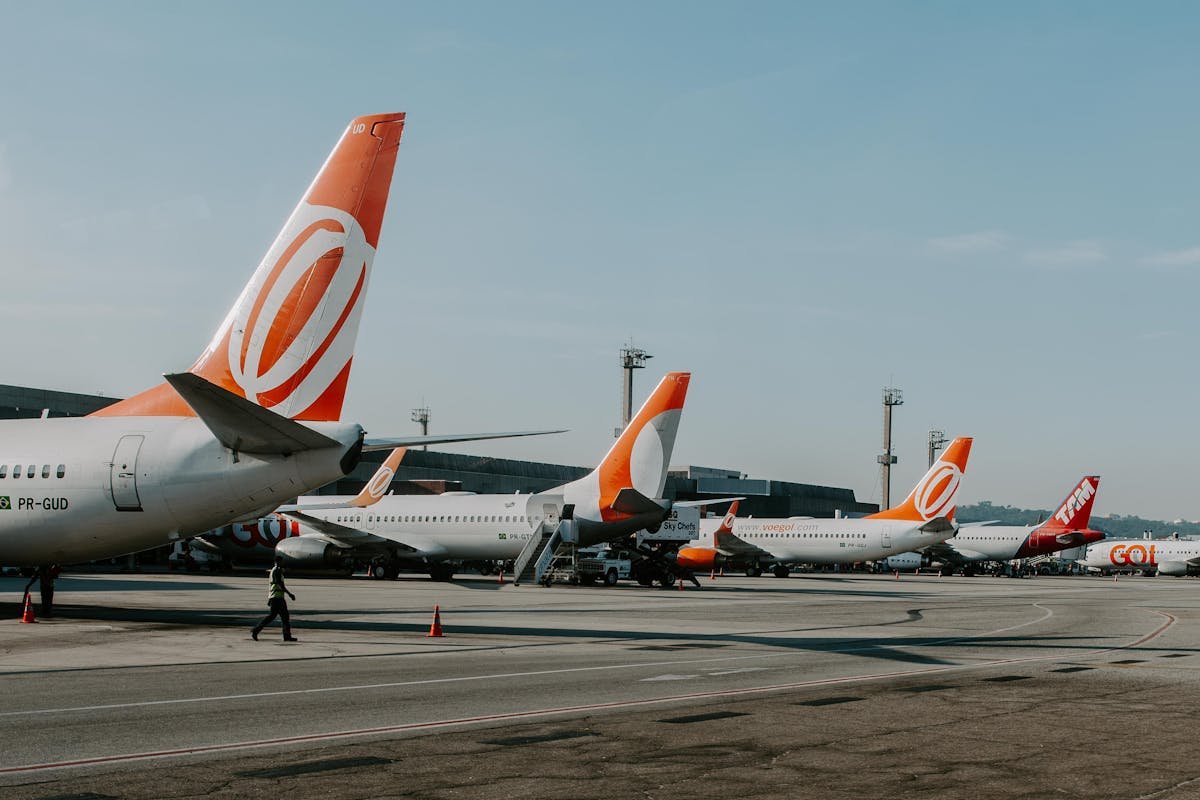
The only certainty in this world is uncertainty. Whether it is domestic or international, air travel has been difficult in 2026. With thousands of flight cancellations every day, travelers are missing connections, family time, and whatnot. The frustrating part about these cancellations is that there is no single cause; multiple factors are at play. Each factor is adding pressure to a system that already runs on a very tight margin.
From winter storms in the United States to airspace disruptions linked to the Middle East conflict, the aviation industry is going through a tough time. Every time the industry tries to stabilize, something new occurs and disrupts it again. Let's be honest: flight cancellations have always been occurring, but the frequency in 2026 is disturbing. By March 2026, more than 52,000 flights have been cancelled or severely impacted in the Middle East region since late February. If we compare this with the full year 2025, flight cancellations were still a major issue, but the numbers varied widely by cause and region.
Also read || Luxury Airports to Experience in 2026: Where Travel Feels Like a Stay
When Nature Took Control
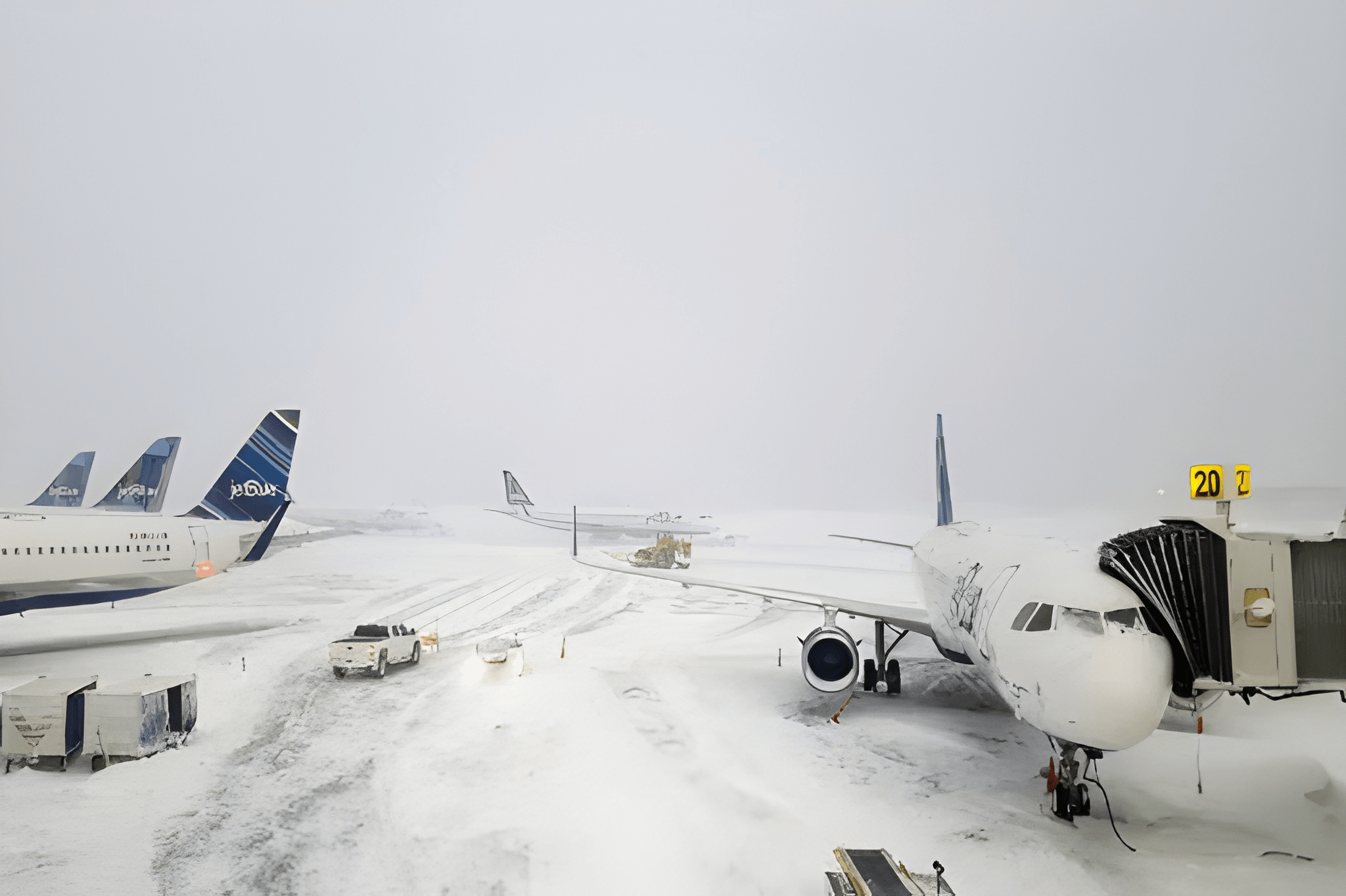
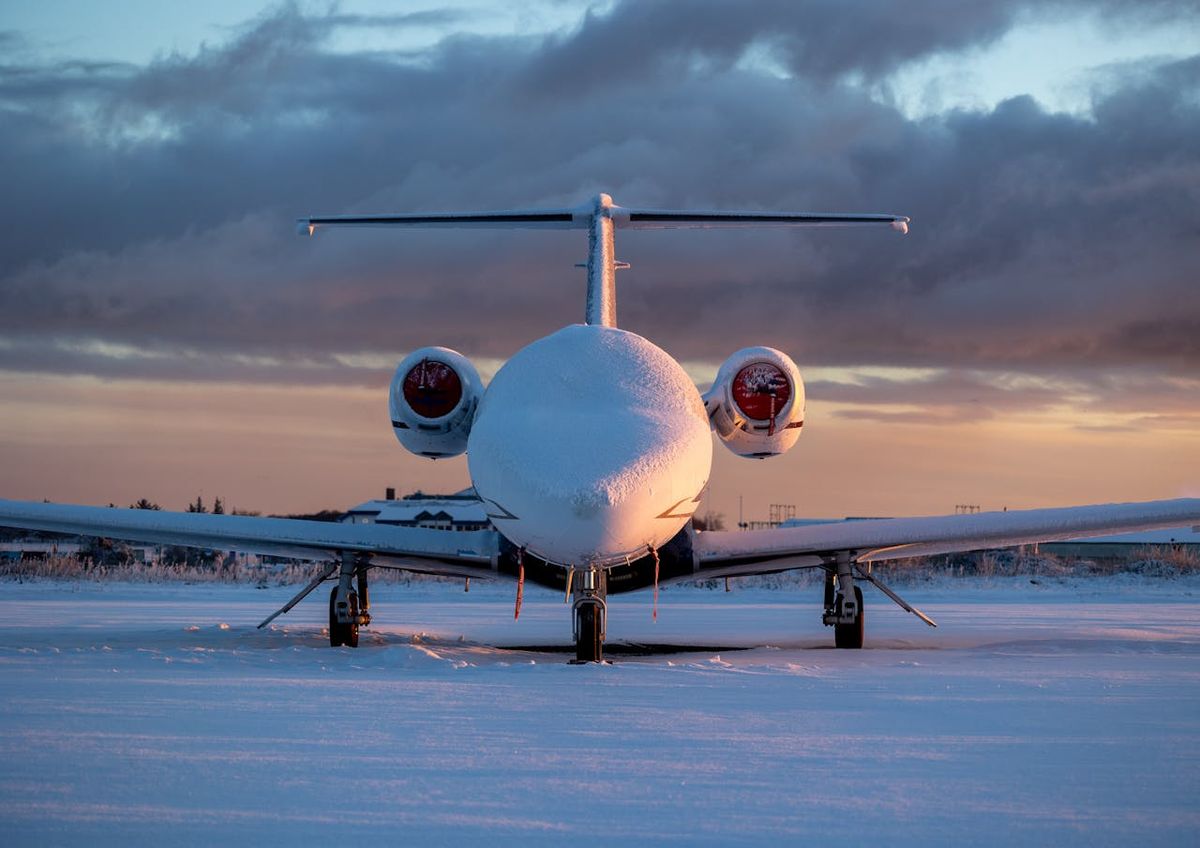
The biggest shocks came in January 2026, when a severe winter storm brought heavy snow, ice, and dangerous cold to parts of North America. Due to weather disruptions, major airlines canceled thousands of flights as key airports were unsafe for landing and take-off. It may not be the only cruel winter, but this winter storm killed dozens of people across the United States.
The breakdown deeply affected travelers who were planning a cross-country trip or meeting loved ones. In addition to passengers, the storms disrupted airport operations, crew schedules, and aircraft, resulting in thousands of flight cancellations in January 2026. In addition to causing passenger inconvenience, flight cancellations can also create major financial losses for airlines.
The Real Problem: Recovery Is Broken
Airlines don't have time for recovery. They run on very tight schedules. Crew, aircraft, airport slots, and maintenance depend on each other. When one part of the network is affected, it can spread quickly across the network. Thus, a single disruption can turn into a full day of missed flights and repeated cancellations. Aviation is built for efficiency, not for calm recovery, and that trade-off gets visible when something is wrong.
Whether it is trains or airplanes, traveling is always unstable. Although airlines try to keep operations efficient, a single disruption leaves no room for recovery. Passengers either have to reschedule their plans, pay extra costs for another flight, or wait until the support arrives. A single error triggers a domino effect, and there is not much anyone can do about it.
Also read || 22 Countries on the US Level 4 “Do Not Travel” List in 2026
From Weather to War
The ongoing crisis in the Middle East has become another critical geopolitical factor for flight cancellations in 2026. Amid rising tensions, airspace was restricted or temporarily closed, forcing airlines to reroute flights or cancel them. This kind of disruption is hard to process because it is not a visible storm, yet it can affect schedules, routes, and everything.
These disruptions affected not only airlines flying through the region but also long-haul routes between Asia, Europe, and North America. Rerouting them adds time, raises fuel costs, and reduces the number of aircraft an airline can operate on schedule. Thus, putting more pressure on timetables that were already tight.
A System Under Pressure
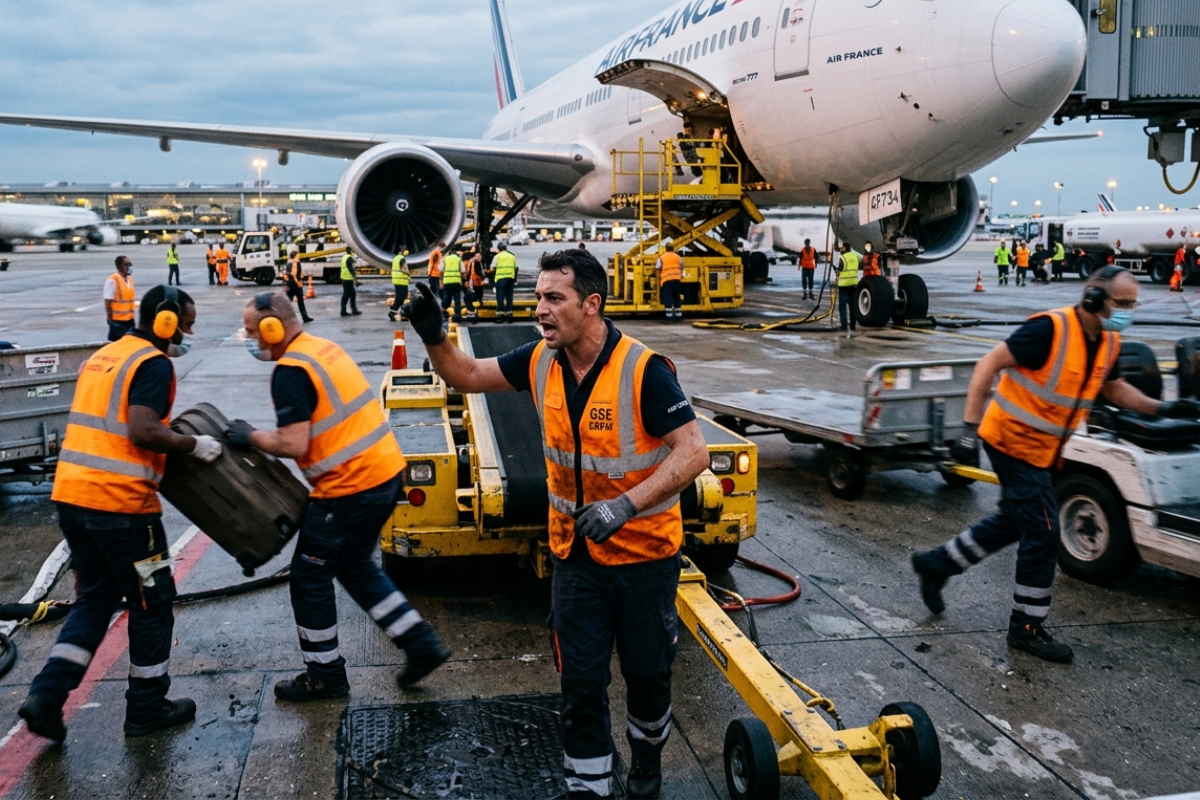
By early 2026, aviation faced a convergence of severe weather and conflict-related airspace restrictions. It is easy to manage a single disruption, but when there are waves of disruption, the industry starts to collapse. Airlines are also adjusting schedules and cutting capacity in some markets because of workforce constraints and increased operational costs.
This labor gap adds a layer of uncertainty for passengers, as there is only a limited number of pilots and crews. In this environment, the modern airline system appears efficient on paper but remains fragile in practice, where even minor delays now trigger significant cascading failures.
Also read || Why Airlines Are Devaluing Basic Economy Tickets
Why 2026 Feels Different
Flight cancellations are nothing new. It's the repeated disruptions that bother travelers the most. As airlines bounce back from a shock, another issue arises. The system is highly unpredictable. When a flight is canceled, people don't only recall the canceled flight. They recall the uncertainty, the waiting, the rebooking, and the sense that no one could fully anticipate the next issue.
Eventually, the lesson is simple: modern aviation might be fast and efficient, but it still depends on stable conditions. Whether it is the weather, conflict, or airspace restriction, everything leads to rescheduling and cancellation. As passengers, we must realize that, like any other mode of travel, air travel is efficient but not always predictable.
Comments (0)
Log in to share your thoughts
No comments yet
Be the first to share your thoughts!