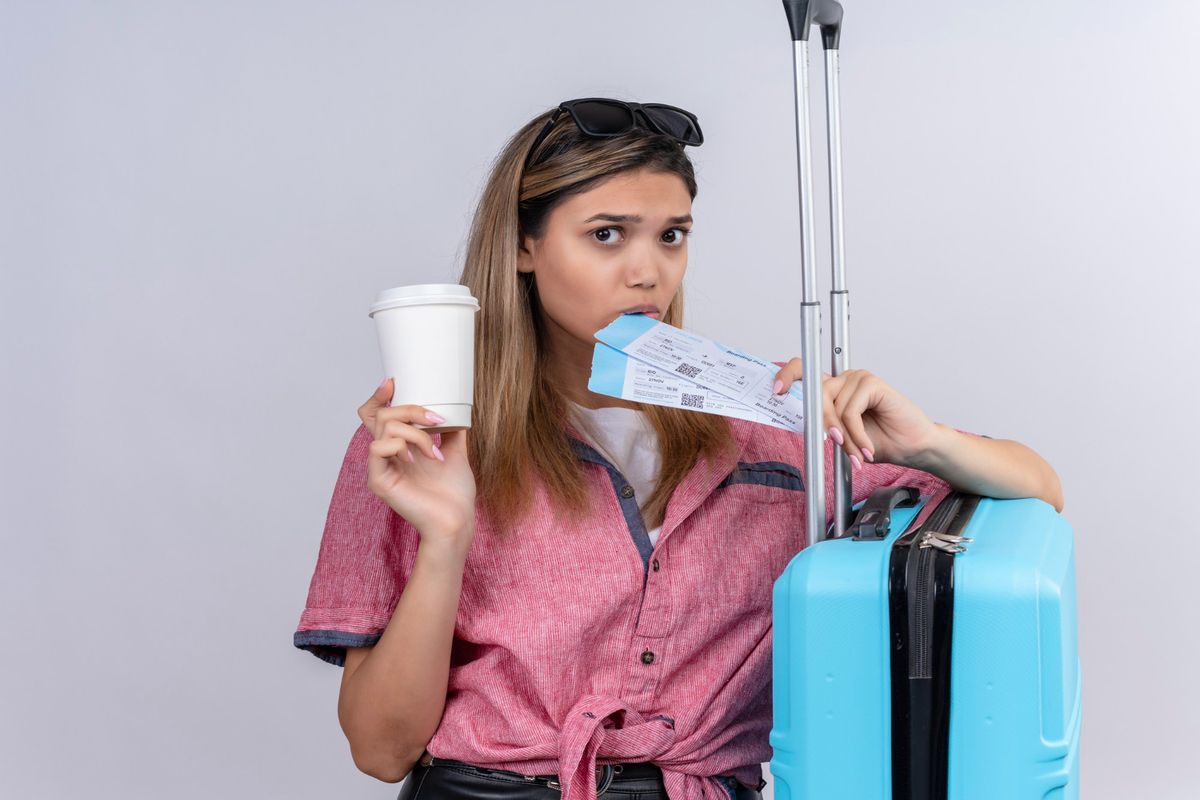
Air travel via Basic Economy has been simple for years. You pay a small price, and you can travel anywhere on a budget. However, things have changed in recent times. Not only are you the last to board, but you also have to pay extra for a carry-on at the gate with some airlines. Thus, it makes your air travel experience miserable. And it feels like they hate you and your ticket.
However, here is the catch. Airlines don't hate you or your Basic Economy ticket; they hate the Basic Economy price point. Let us decode the psychology, cold and hard math, to explain why your cheap ticket is not loved by your airline. Here is the truth.
Also read || United Airlines Requires Passengers to Use Headphones on Flights
Your Misery is their Marketing Tool
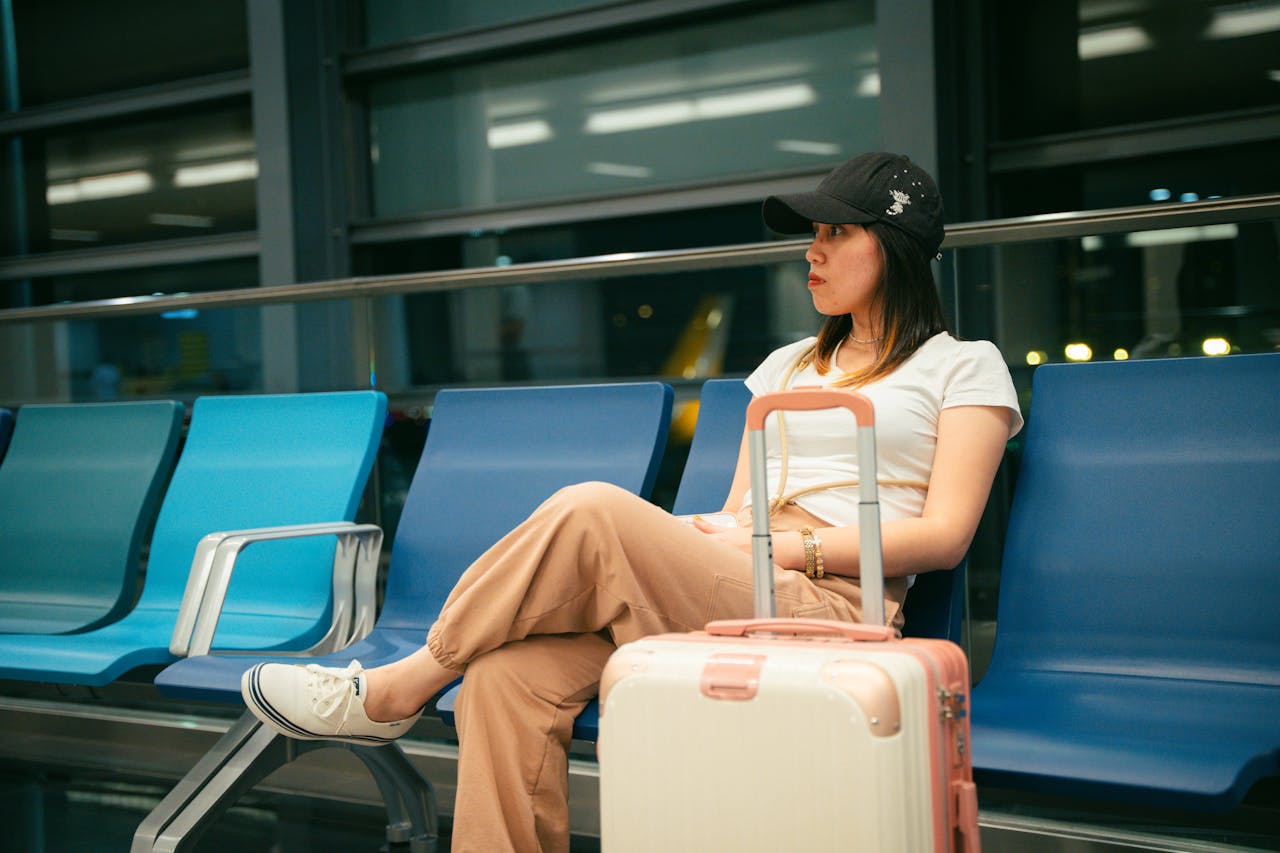
The primary reason why Basic Economy exists is not to sell tickets but to make the "Standard Economy" fare look like a luxury. This psychological tactic creates a sense of missing out on experience, and you end up paying a bit more for a somewhat similar experience. That's what you call a perfect "Buy-Up" strategy.
Whether it is Delta, United, or American Airlines, they use Basic Economy as a "floor" price to compete with ultra-low cost carriers like Frontier or Spirit. When the price is low, their searchability and accessibility improve on flight search engines like Google Flights, Expedia, or Skyscanner. And, when you land on their website, they show you that you are losing your desired seat or your ability to reschedule the flights.
So, when you are stuck in the last boarding, it usually means zero overhead bin space left. The tactic to make the base experience restrictive leads customers to "buy up" into a higher fare class. What they are selling you is not just a seat, but your ability to avoid distress.
Also read || 12 Most Luxurious Airlines to Fly
What Is the Math Behind the Overhead Bin
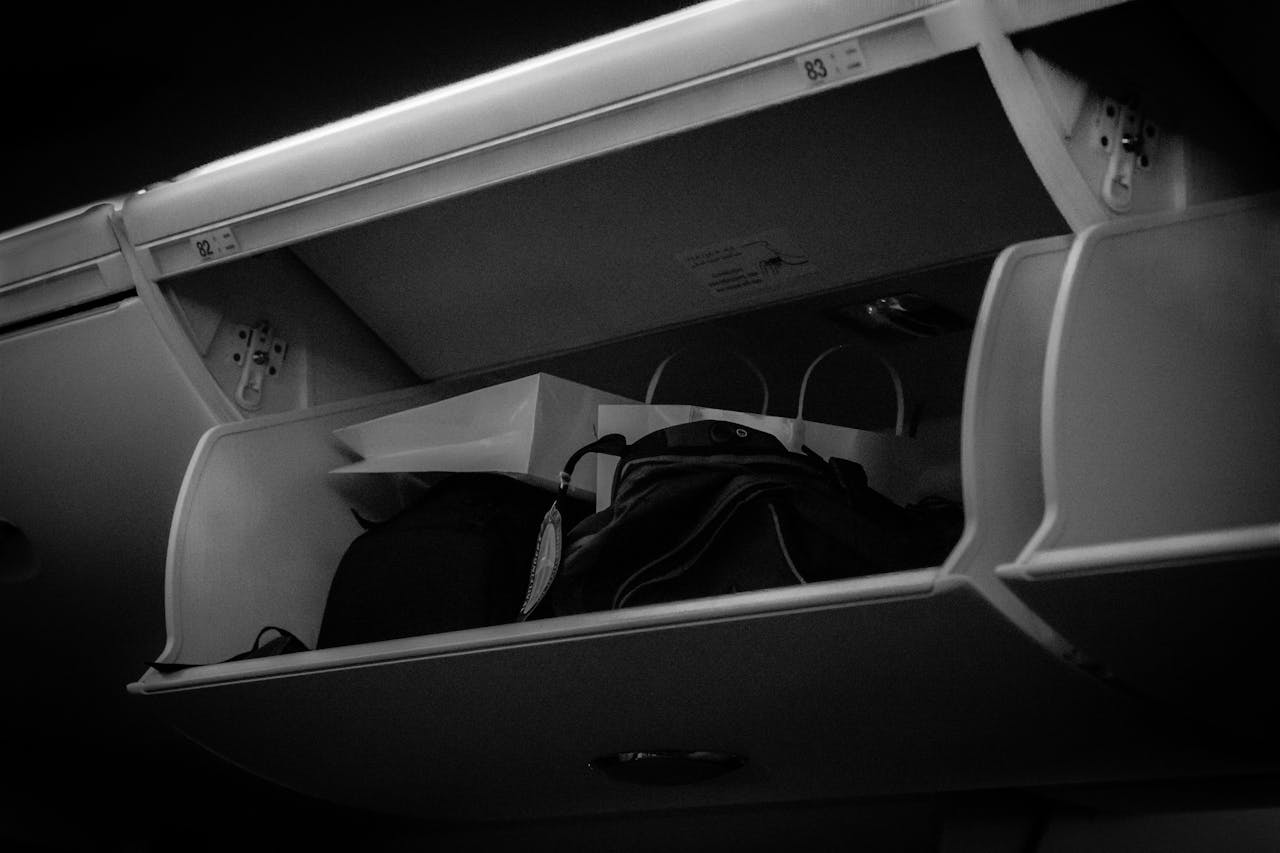
Nothing makes Basic Economy travel more frustrating than the "no carry-on" rule, which is common in United's lowest tiers and some others. It often feels like a cash grab scheme. For airlines, it is about Turnaround Time (TAT), which means fewer overhead bin struggles to ensure planes depart much faster.
Every minute a plane is sitting at the gate, it is losing money. The biggest delay in boarding involves travelers wrestling with heavyweight bags in the aisles. By stripping carry-on rights from the lowest fare class, airlines speed up the boarding process and force passengers to pay $35 to $65 for a checked bag, which is pure profit.
Industry data for 2026 indicates that the reliance on non-ticket fees has solidified as a primary driver of global airline stability. According to the International Air Transport Association (IATA), global ancillary revenue is projected to reach $145 billion in 2026, a 5.5% increase over 2025 levels.
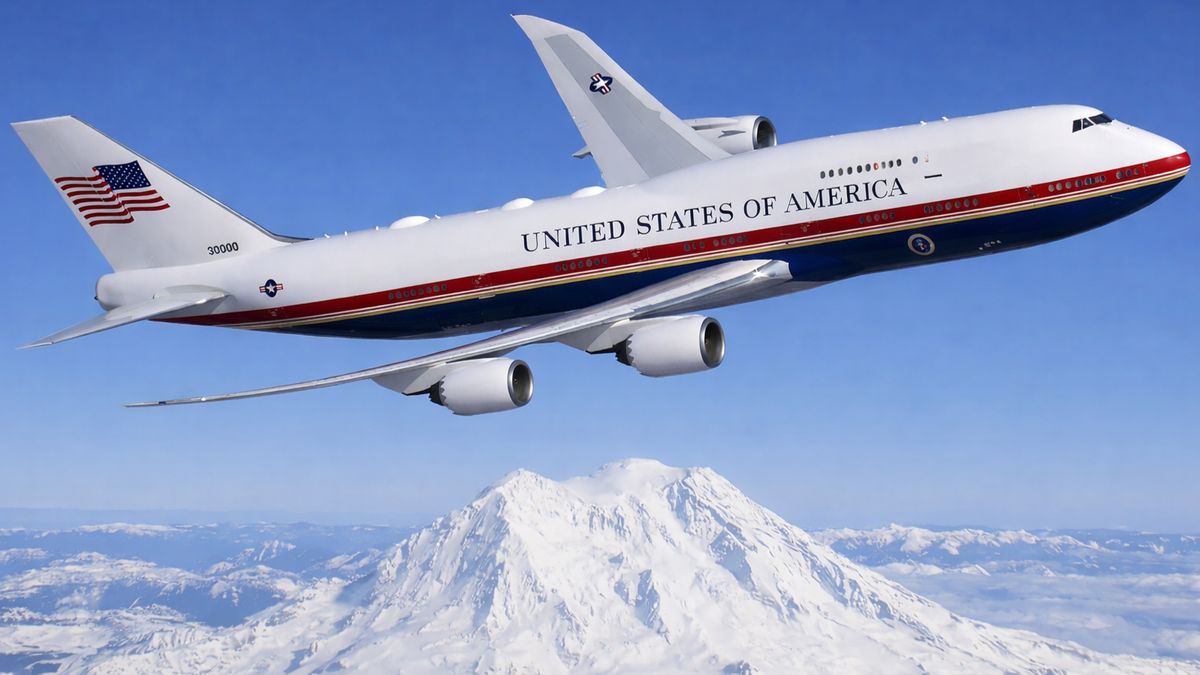
Also read || Trump Announces New Paint Design for Air Force One
Loyalty is a High-Margin Business
Airlines are not just transportation companies. They are banks that happen to fly planes. A major portion of their valuation comes from their Frequent Flyer Programs and Credit Card partnerships. In the eyes of the algorithm, Basic Economy passengers are not even a priority of the brand, as there are no Loyalty points or little to no credit card usage.
Traveling via Basic Economy is purely transactional from the airlines' perspective because customers choose the cheapest flight regardless of the brand. By making Basic Economy restrictive, airlines are effectively saying Why should we be hospitable to you if you are not loyal to our airlines?
Also read || How Uber Plans to Launch Electric Air Taxi Flights in 2026
Basic Economy Passengers are Fillers
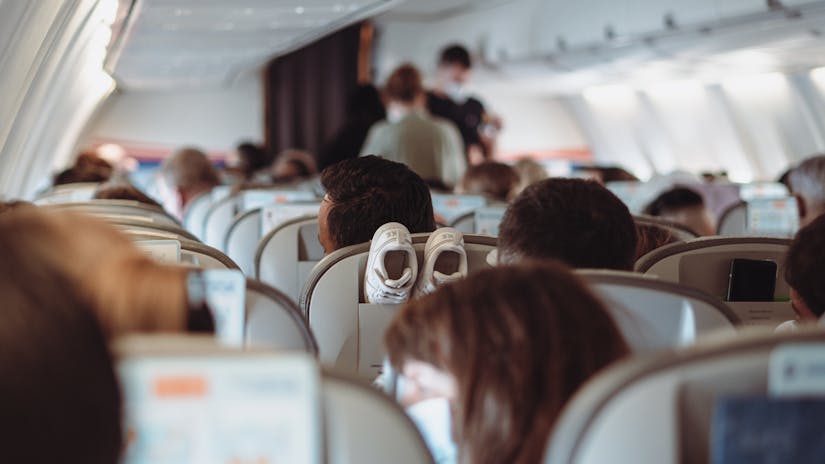
The aviation business is brutal. Airlines treat Basic Economy Passengers as nothing more than a "filler". Since they don't get to pick their seats, the airline's gate agents use them to balance the aircraft's weight and to fill the gaps left by others.
If a flight is overbooked, airlines would statistically involuntarily deny the booking for Basic Economy passenger as they have paid the least. In simpler words, bumping the Basic Economy passenger is the lowest financial risk to the airline.
Is it worth traveling via Basic Economy?
Whether you love it or hate it, hospitality is a business. Airlines don't want you to spend less and want you to be uncomfortable enough to pay those extra bucks to avoid Basic Economy. This is what Behavioral Economics is all about.
We would recommend that if you are traveling light and don't care where and how you sit, Basic Economy is the best way to go. But, if you want a comfy traveling experience and the ability to carry more luggage, standard economy would be a slightly better choice.