Air travel in the Middle East is still facing major disruption as the war involving Iran continues into its fourth week. Many airlines have cancelled or changed flights because some airspace in the region is unsafe or restricted. Airlines are also taking longer routes to avoid risky areas, which increases fuel costs and travel time. Because of this situation, the number of flights in the region is much lower than normal, and airlines are facing uncertainty as the busy travel season approaches.
Lufthansa Extends Flight Suspensions
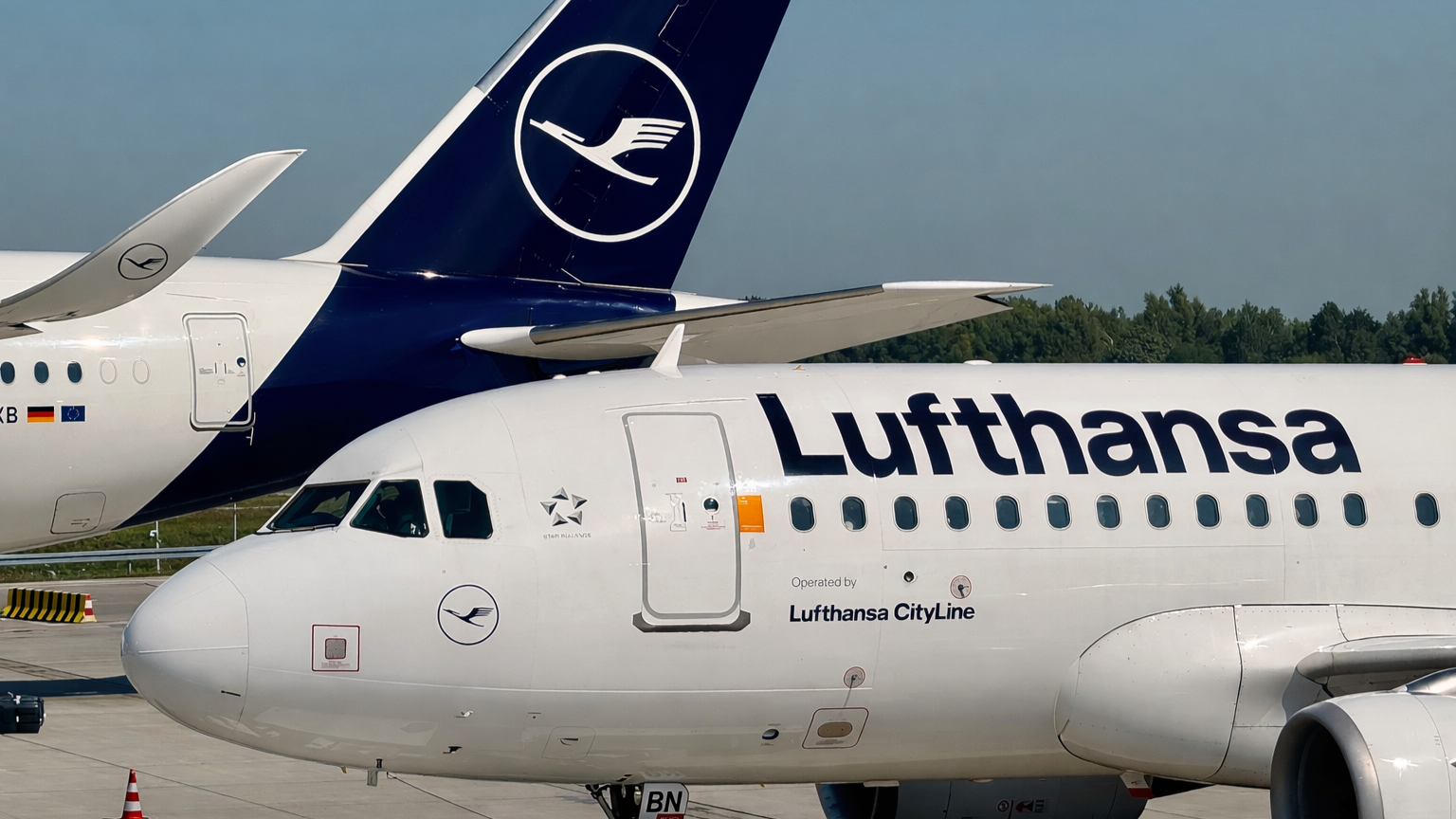
The Lufthansa Group has extended suspensions on several Middle East routes due to safety concerns. Flights to Dubai in the UAE and Tel Aviv in Israel will remain suspended until 31 May 2026, while Lufthansa Cargo flights to Tel Aviv will remain suspended only until 30 April 2026. The airline group has also suspended flights to several other destinations until 24 October 2026, including Abu Dhabi, Amman, Beirut, Dammam, Riyadh, Erbil, Muscat, and Tehran.
The suspension affects several airlines in the Lufthansa Group, including Lufthansa, SWISS, Austrian Airlines, Brussels Airlines, ITA Airways, Edelweiss, and Lufthansa Cargo. Eurowings has also made changes, with flights to Tel Aviv, Beirut, and Erbil suspended until 30 April 2026, while flights to Dubai, Abu Dhabi, and Amman will remain suspended until 24 October 2026.
Air France Extends Route Suspensions
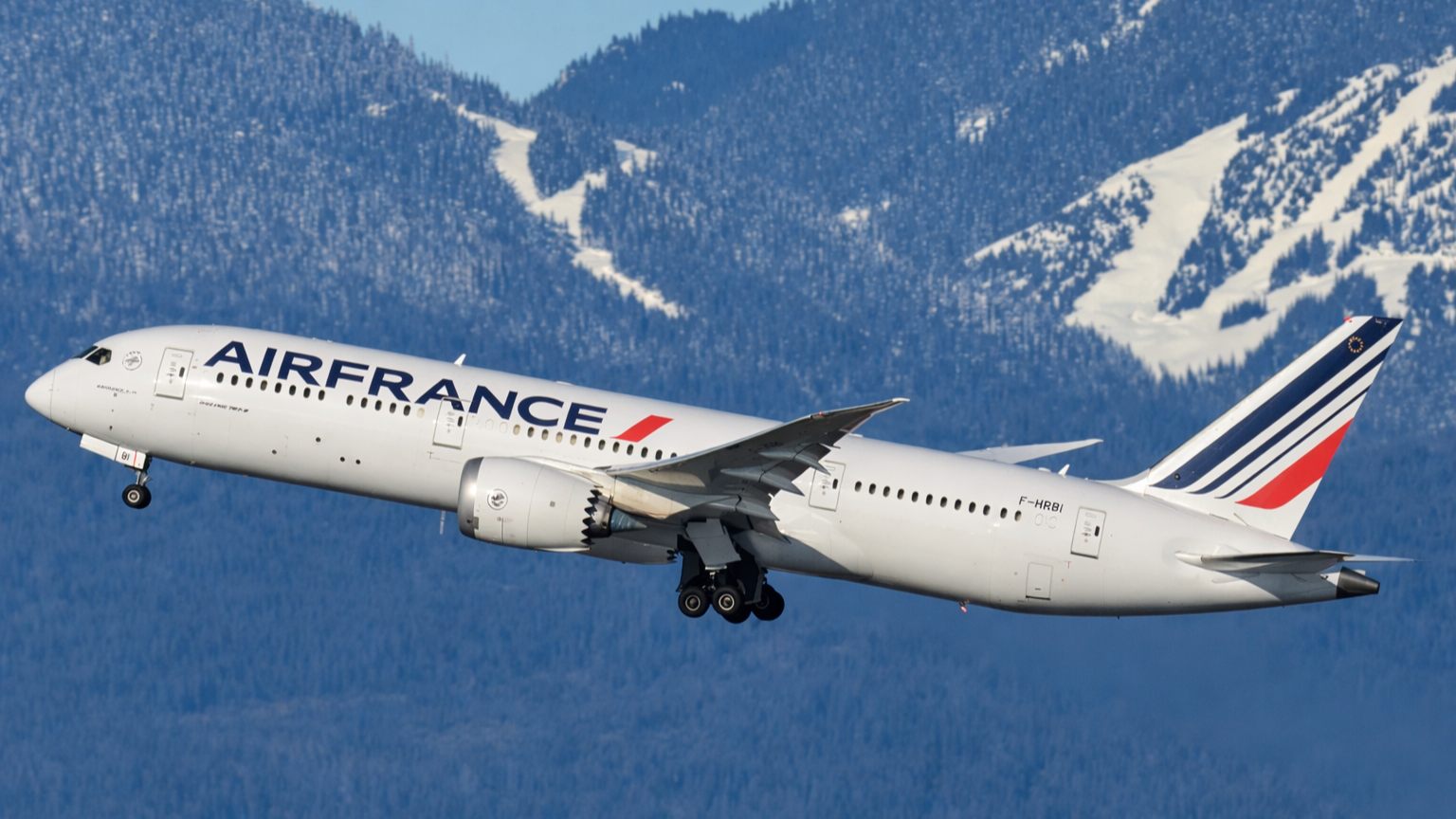
Air France has also extended some flight suspensions in the region because of security concerns and airspace closures, and the airline says it is closely monitoring the situation. Flights between Paris and Dubai and between Paris and Riyadh will remain suspended until 31 March 2026. Flights between Paris and Tel Aviv and between Paris and Beirut will remain suspended until 4 April 2026.
Also Read: Luxury Airports to Experience in 2026: Where Travel Feels Like a Stay
Airlines Operating Limited Schedules
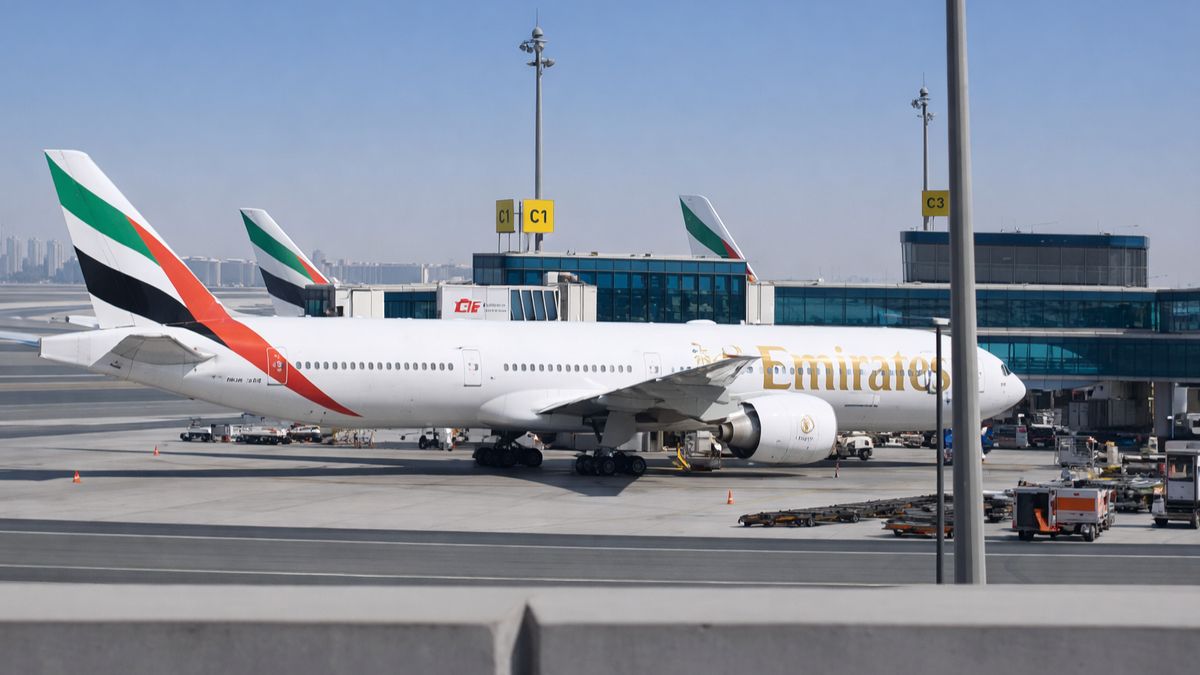
Some airlines in the Middle East are operating fewer flights than usual while slowly restoring services. UAE airlines Emirates, Etihad Airways, and Air Arabia are running limited operations. Emirates is currently operating a smaller flight network than normal, but says capacity is gradually increasing, and passengers are advised to check their flight status before travelling. Etihad Airways is operating a limited schedule to around 70 destinations until the end of March, while Air Arabia has resumed selected services from its UAE hubs.
Other Airlines Adjust Flights
Several international airlines have also changed their flight schedules because of the conflict. KLM is avoiding the airspace of Iran, Iraq, and Israel, as well as some Gulf countries. Its flights to Tel Aviv are suspended until 11 April 2026, while flights to Dammam, Riyadh, and Dubai are suspended until 17 May 2026. Cathay Pacific has also extended the suspension of its flights to Dubai and Riyadh until 31 May 2026 because of the ongoing situation in the Middle East.
Some Flights Still Operating
Despite the disruptions, some airlines are still operating limited services. On 24 March 2026, Air India and Air India Express planned to operate 24 flights to and from West Asia, including 10 flights between India and Jeddah in Saudi Arabia. Air India will operate flights from Delhi and Mumbai, while Air India Express will operate flights from Hyderabad and Kozhikode. The airlines will also operate four flights to Muscat from Delhi and Mumbai, and they may run 10 additional flights to and from the UAE, depending on airport conditions.
Also Read: 12 Most Luxurious Airlines to Fly
Qatar Airways Runs Temporary Schedule
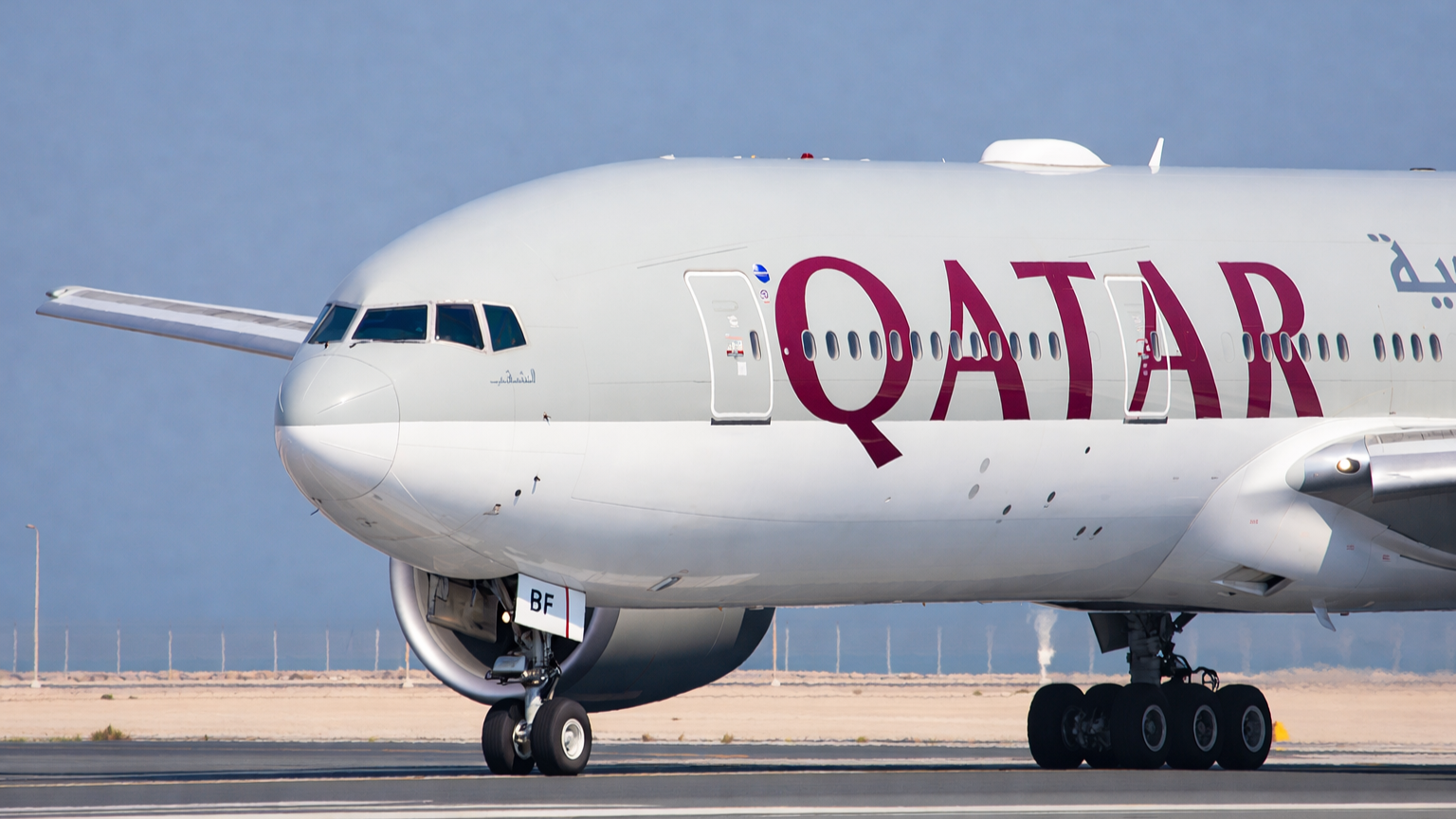
Qatar Airways is currently operating a temporary schedule until 28 March 2026. The airline said the schedule will reconnect Doha with more than 70 destinations across Africa, Asia, Europe, the Americas, the Middle East, and the Pacific. The revised schedule is designed to give passengers more flexibility during the disruption.
More Airlines Suspend Routes
Several other airlines have also reduced or suspended flights. British Airways has cancelled flights to Amman, Bahrain, Dubai, and Tel Aviv until 31 May 2026, while flights to Doha are suspended until 30 April 2026. Oman Air continues to operate most flights but has cancelled services to Amman, Dubai, Bahrain, Doha, Dammam, Kuwait, Copenhagen, Baghdad, and Khasab until 31 March 2026. Philippine Airlines has suspended flights between Manila and Doha and between Manila and Dubai until 30 April 2026, and a Doha–Manila flight scheduled for 1 May has also been cancelled. Other airlines such as Virgin Atlantic, Wizz Air, Turkish Airlines, Air Canada, and Garuda Indonesia have also cancelled or reduced flights to several Middle East destinations.
Airlines Closely Monitoring the Situation
The conflict in the Middle East continues to create uncertainty for airlines and passengers around the world. Many airlines are reducing flights, changing schedules, and closely monitoring the situation. Travellers planning to fly to or through the region are advised to check flight updates regularly because schedules may change.
Comments (0)
Log in to share your thoughts
No comments yet
Be the first to share your thoughts!