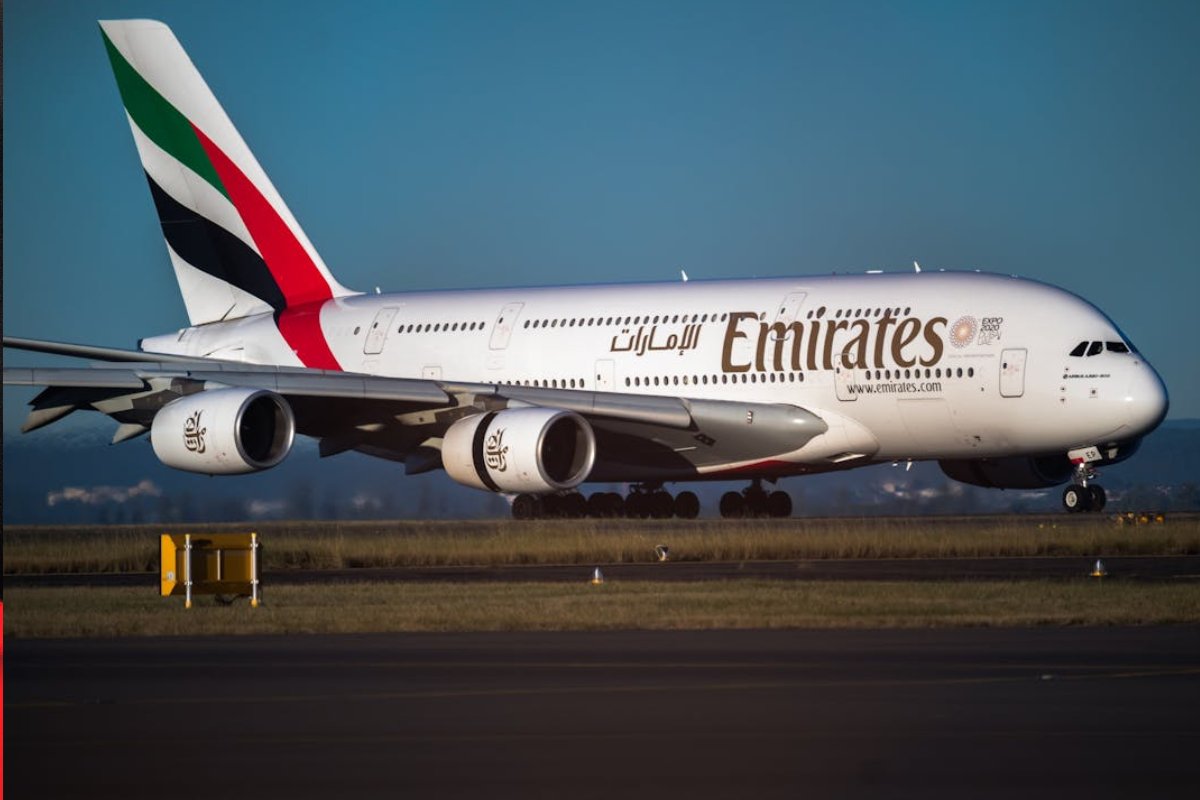
The busiest airport, known for its luxurious amenities, extensive duty-free shopping, and advanced biometric smart gates, is going through a difficult phase amid the ongoing geopolitical situation in the Middle East. Dubai is navigating waves of unpredictability, and travelers booked through Emirates may face disrupted, delayed, or canceled flights. It can feel as if traveling has become an unsolved maze.
In response, Emirates introduced flexible rebooking and refund options. So, travelers can have a degree of control in an otherwise uncertain scenario. But here is the catch: every traveler should understand the essential policies that determine eligibility windows and refund processes. So, if you are flying from or via Dubai in April, here is all you need to know.
Also read || Which Airlines Cancelled or Suspended Middle East Flights Amid Ongoing Conflict?
Disruptions, Uncertainty, and Changing Travel Rules
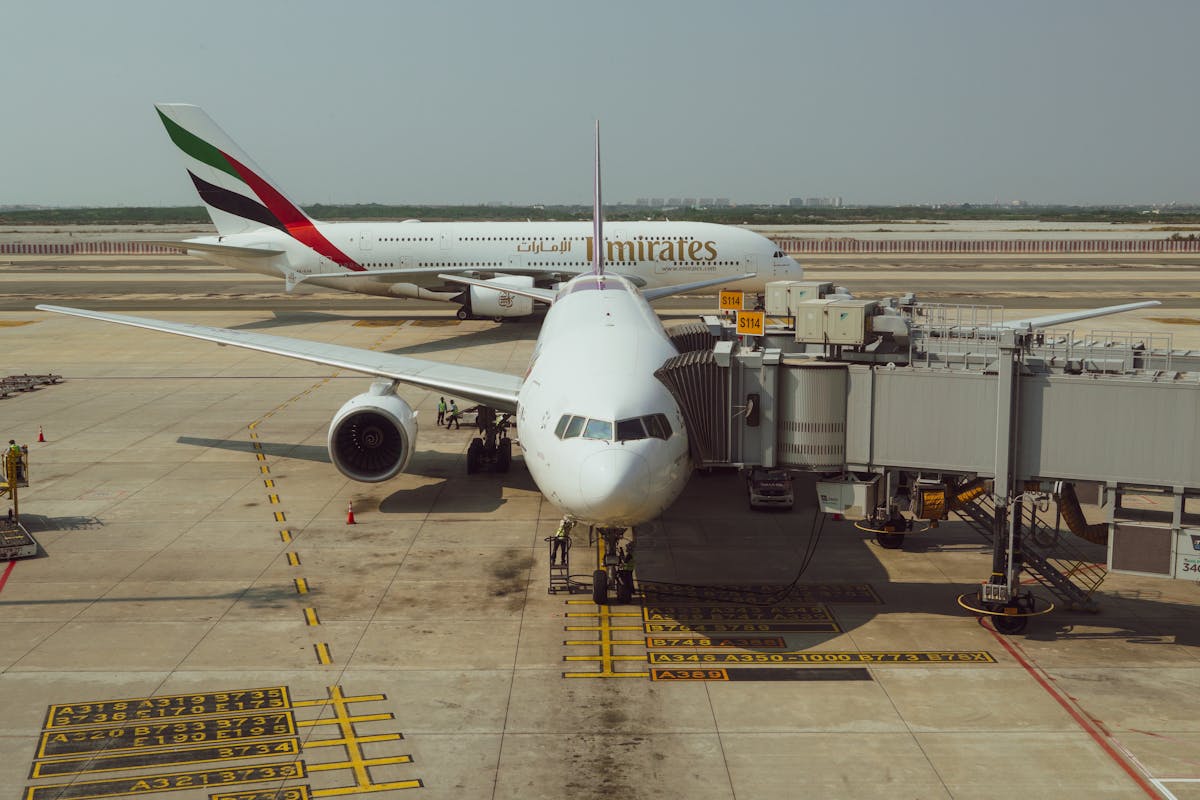
Nobody is unaware of the turmoil in the Middle Eastern airspace. With escalating tensions involving the Gulf Cooperation Council, the United States, Israel, and Iran, the world is being forced to bend under pressure. The conflict has forced giant airlines such as Emirates to operate on reduced schedules, cancel flights, and constantly revise routes for safety reasons.
Traveling has become a frustrating experience. From late February to mid-April 2026, Emirates has issued waivers covering the entire timeline. Passengers who have found themselves dealing with last-minute cancellations or uncertain departure times need to make urgent changes to their travel plans.
Emirates has come up with a flexible rebooking policy to deal with this. If your trip is scheduled for the affected time, you can change it without paying any extra fees. The new travel plans must be completed by April 30, and some can be pushed back to May 31. Interestingly, the flexibility applies even if a flight has not been canceled yet, so that travelers can change their plans ahead of time.
Refunds are available but come with conditions. There is full refund eligibility for canceled flights, including unused portions of multi-leg journeys. However, the refund process depends on how the tickets were purchased. If you booked directly through Emirates, you may need to request a refund through Emirates’ own process. If you bought your tickets through a travel agent, you will need to go through them.
Emirates has advised travelers not to go to airports without confirmed flights, and city check-in services remain temporarily suspended. Even though rebookings and refunds are available, the experience for passengers is still inconsistent because of gaps in communication and changing policies. Therefore, the situation remains fluid, with airlines continuously adjusting operations based on security developments, requiring passengers to stay updated as procedures change rapidly.
Also read || Why Flights Keep Getting Cancelled in 2026
Flexibility Helps, But Planning Is Crucial

For April travelers on Emirates, flexibility is no longer optional — it is essential. The rebooking and refund policies of Emirates provide a safety net, but they do not eliminate the uncertainty caused by geopolitical conditions. Knowing ahead of time is the difference between a manageable change and a stressful problem.
The safest approach for travelers within the affected windows is to stay proactive. The best thing to do is to check the status of your flight, keep your contact information up to date, and be ready for any changes that may come up. Emirates, like other airlines, has a “Manage Your Booking” tool that lets passengers change their plans or ask for a refund without having to wait long.
Also read || Why Airlines Are Devaluing Basic Economy Tickets
A noteworthy point is that while Emirates is offering multiple changes under its current waiver policies, the benefits are tied to specific conditions and the affected timeline from late February to mid-April. If you miss those windows, you may have to pay additional fees or choose from fewer available options. Eventually, this situation reflects a broader reality of global travel and how one event can affect the whole world. Airlines can try their best for now, but it is passengers who need to remain adaptable, informed, and flexible.
Comments (0)
Log in to share your thoughts
No comments yet
Be the first to share your thoughts!