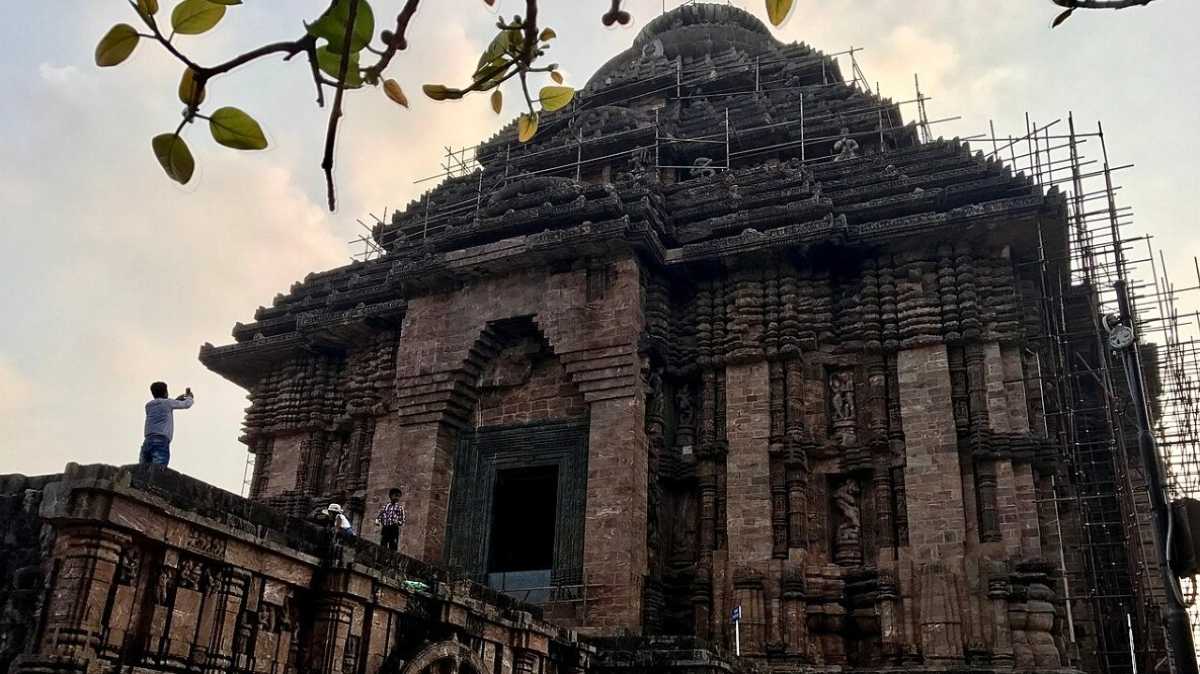
Standing as a true testament to the unparalleled artistic and engineering genius of 13th-century India, the Konark Sun Temple in Odisha is a UNESCO World Heritage Site. While its official title honors the Indian Sun God “Surya,” for centuries, it was known by a different, somewhat mysterious name in mysterious history: “The Black Pagoda.”
But why was this magnificent “poetry in stone” nicknamed as “Black Pagoda?” Let's find out!
The Dark Appearance Of The Stonework
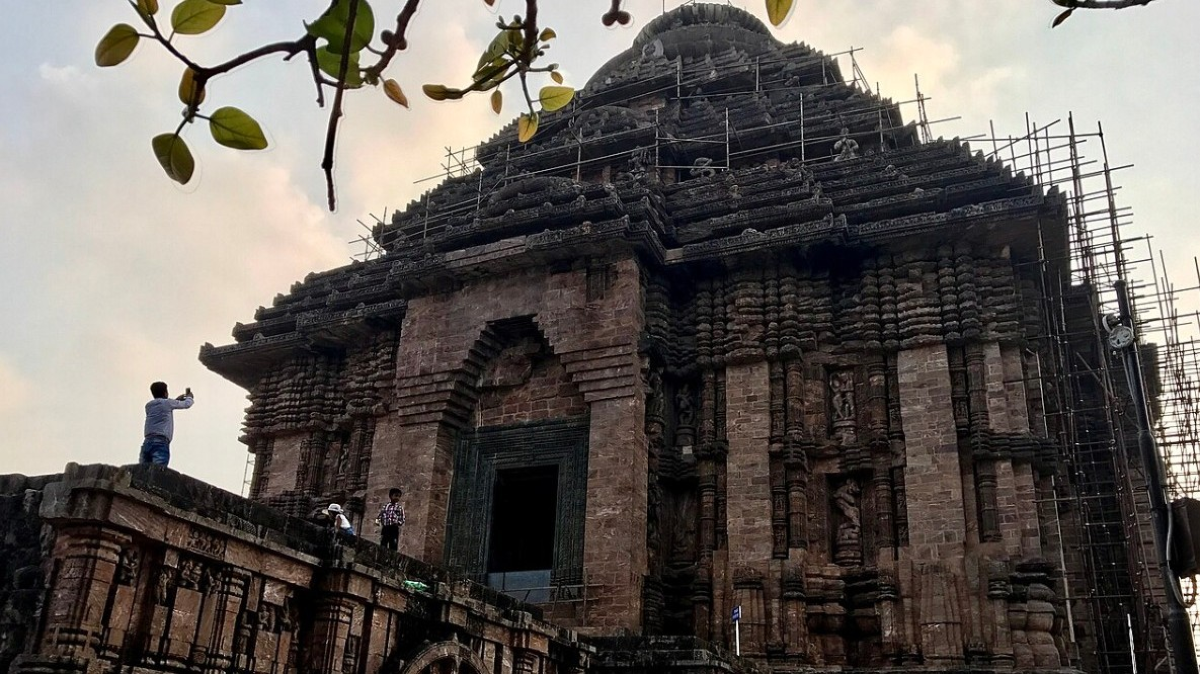
The primary reason behind giving this nickname is simple: color. It was built in the 13th century by King Narasimhadeva I of the Eastern Ganga Dynasty, the temple was constructed from large blocks of oxidised and weathered ferruginous sandstone. This specialized stone gives the structure a dark and almost black appearance, contrasting sharply with the vibrant colors of the surrounding landscape and the bright blue sky.
Also Read: Nalanda: The 5th Century Global University That Refused To Die!
Navigational Landmark For European Sailors
During 1676, European sailors who used to sail up to the Bay of Bengal, towards the ports of Kalinga, modern-day Odisha, used the massive temple as a crucial navigational landmark.
The Black Pagoda: Sailors noticed the colossal dark tower of the Konark Sun Temple from a distance at sea.
The White Pagoda: Similarly, the Jagannath Temple in Puri, was whitewashed or built with a lighter stone, was dubbed as the “White Pagoda.”
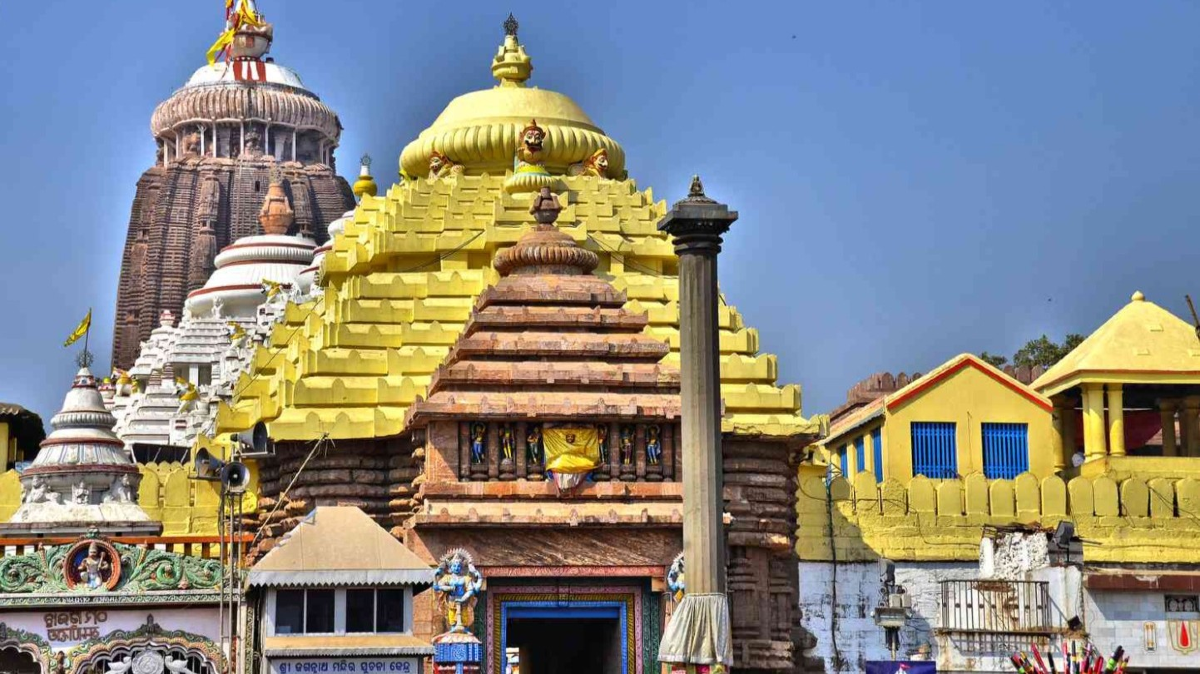
These two landmarks made it easier for the sailors to fix their position in the coast, distinguishing Konark from Puri, solely on the color of their respective towers.
Also Read: Lost In Time: The Golden Ruins Of Hampi
The Myth Surrounding The Magnetic Tower
According to the popular legends and sailor lore, the magnetic power was so strong that it caused compasses to malfunction and sometimes, it drew ships into the shore, leading to shipwrecks. This treacherous reputation resulted in a notorious, yet, famous landmark, which further solidified the name “Black Pagoda.” It is believed that European navigators often took down this “black” landmark to avoid these hazards.
The “Pagoda” Terminology
The term “Pagoda,” was a common colloquial word used by the European travelers and sailors in Asia to refer to any large temple or religious tower. By combining this with its dark color, the name “Black Pagoda” was born.
Also Read: Nalanda: The 5th Century Global University That Refused To Die!
What Remains Of The Black Pagoda?
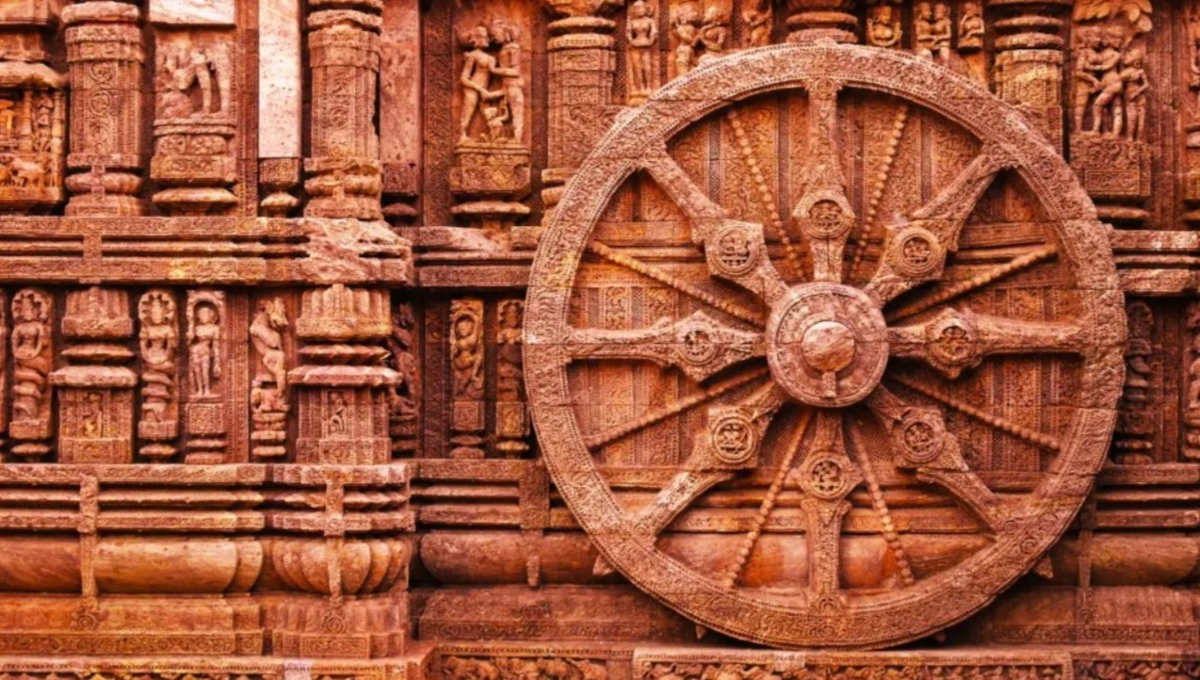
Today, the main sanctuary or tower, also known as “shikara,” has collapsed, but the audience hall, “Jagmohana,” still stands, which displays the intricate carvings and 24 enormous stone wheels that function as sundials.
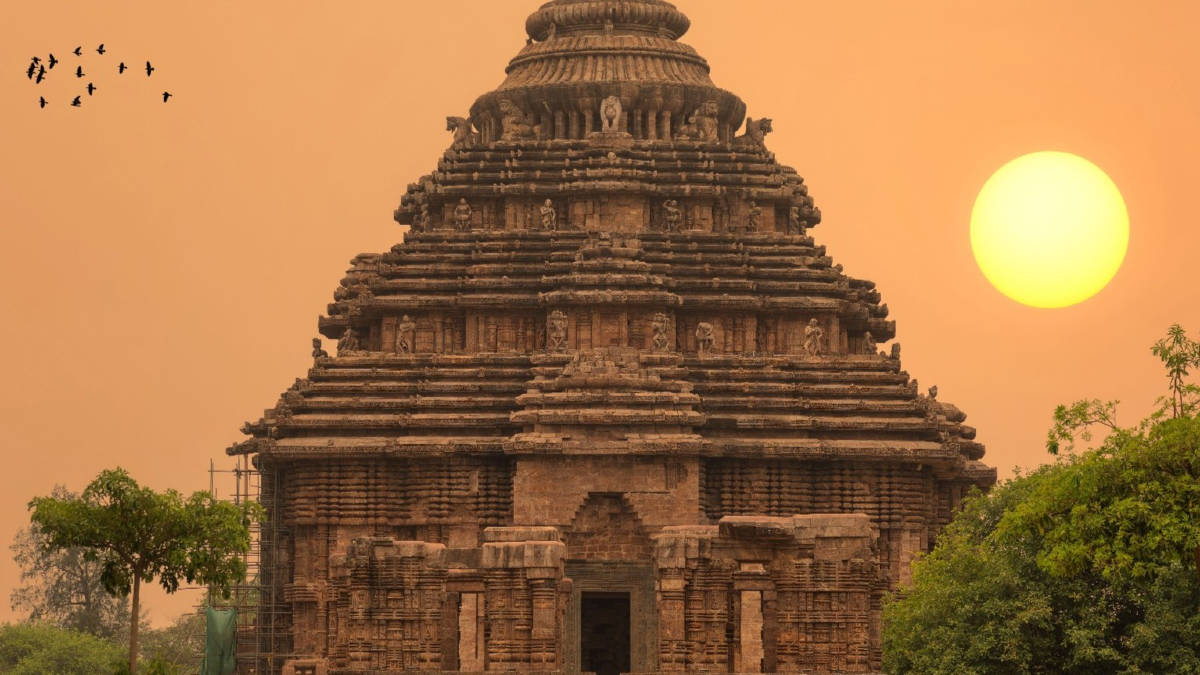
It remains as one of India’s most prized cultural landmarks, appearing on the reverse side of the 10-rupee note.
Comments (0)
Log in to share your thoughts
No comments yet
Be the first to share your thoughts!