Bamboo is no longer just the stuff of tropical vacations or backyard fencing. As the global construction industry seeks ways to reduce its massive carbon footprint, bamboo architecture offers a solution that is as aesthetically breathtaking as it is environmentally responsible.
Bamboo: The Engineering Marvel Of Grass
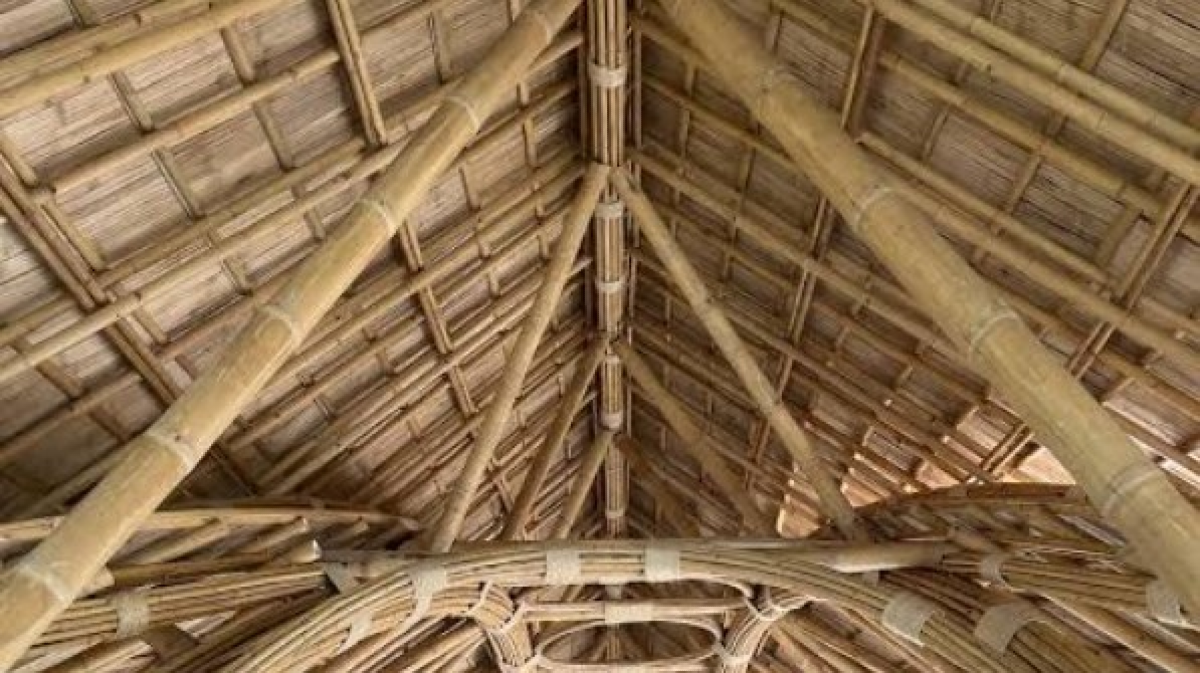
While it looks like wood, bamboo is actually a giant grass. This biological distinction is the secret to its incredible physical properties. It also possesses a higher strength to weight ratio than mild steel and a compressive strength. Not only this, its tubular strength and high silica content makes it incredibly flexible, a trait that is vital in regions prone to earthquakes.
Bamboo is the fastest growing plant on Earth. Some of the species can also grow up to 3 feet in a single day. This rapid renewal means that bamboo can be harvested every 3 to 5 years without killing the plant; in fact, harvesting encourages the root system to spread, preventing soil erosion and helps in maintaining the health of the grove.
Environmental Significance
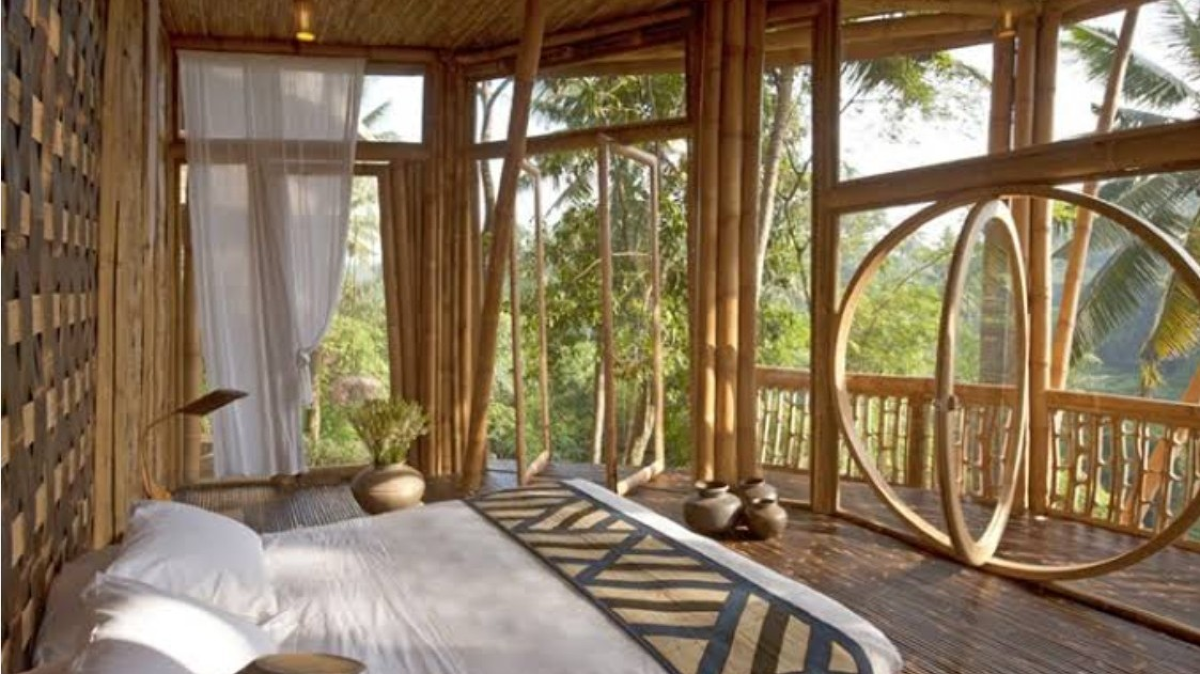
The most profound significance of bamboo architecture lies in its long-lasting relationship with the planet. The traditional “big three” of construction, i.e. steel, concrete and glass are responsible for nearly 40% of global CO2 emissions. Bamboo flips this script altogether, by acting as a “carbon sink.” As it grows, it sequesters vast amounts of carbon dioxide, driving towards its way within its fibers even after it has been turned into a building.
Furthermore, bamboo requires minimal energy to process compared to the high-heat manufacturing of steel or cement. When sourced locally, the “embodied energy” of a bamboo building is remarkably low. Using bamboo in architectural structures isn't just about “doing less harm,” it's about active regeneration of the environment.
Modern Innovations In Bamboo Designs
For centuries together, bamboo was limited by its natural shape and susceptible to pests. However, modern importance is found in “engineered bamboo.” Architects of present times can now create standardized beams, panels and floorboards that are fire-resistant and durable enough to last for generations.
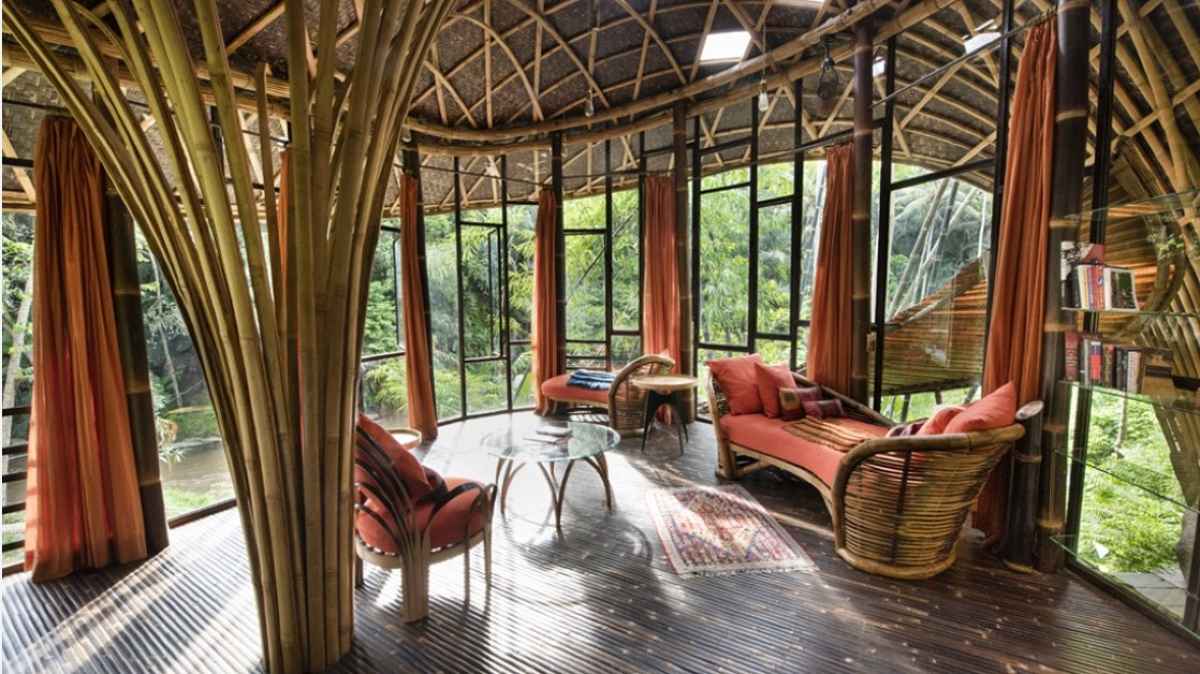
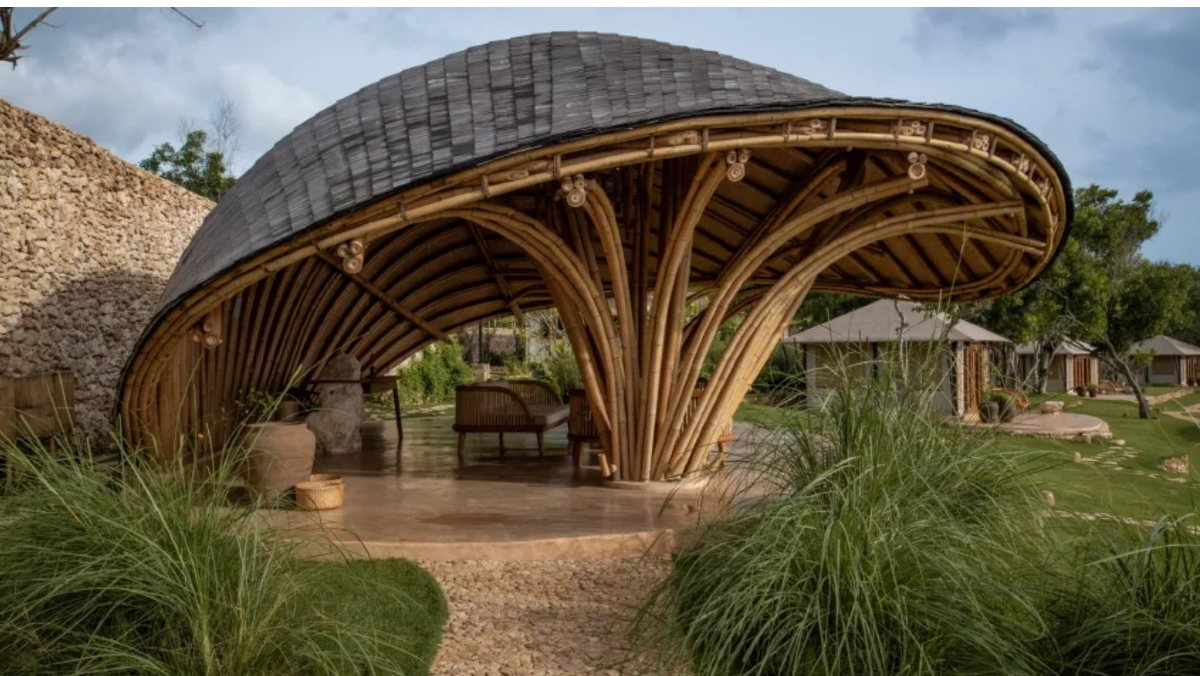
Architects like Elora Hardy and Vo Trong Nghia are leading a “Bamboo Renaissance.” They use the natural curvature of the poles to create an organic, fluid shape architectural structure that mimics the surrounding landscape. These structures aren't just buildings; they are the living ecosystems that provide natural ventilation and a deep psychological connection to their surrounding nature, often referred to as “biophilic design.”
Challenges And Way Forward
Despite having so many benefits, bamboo architecture faces many hurdles. In many parts of the world, building codes have not caught up to modern bamboo engineering, often categorising it as a “temporary” material. Also, there is a barrier of standardized grading; since every bamboo pole is unique, structural calculations could be more complex than with uniform steel beams.
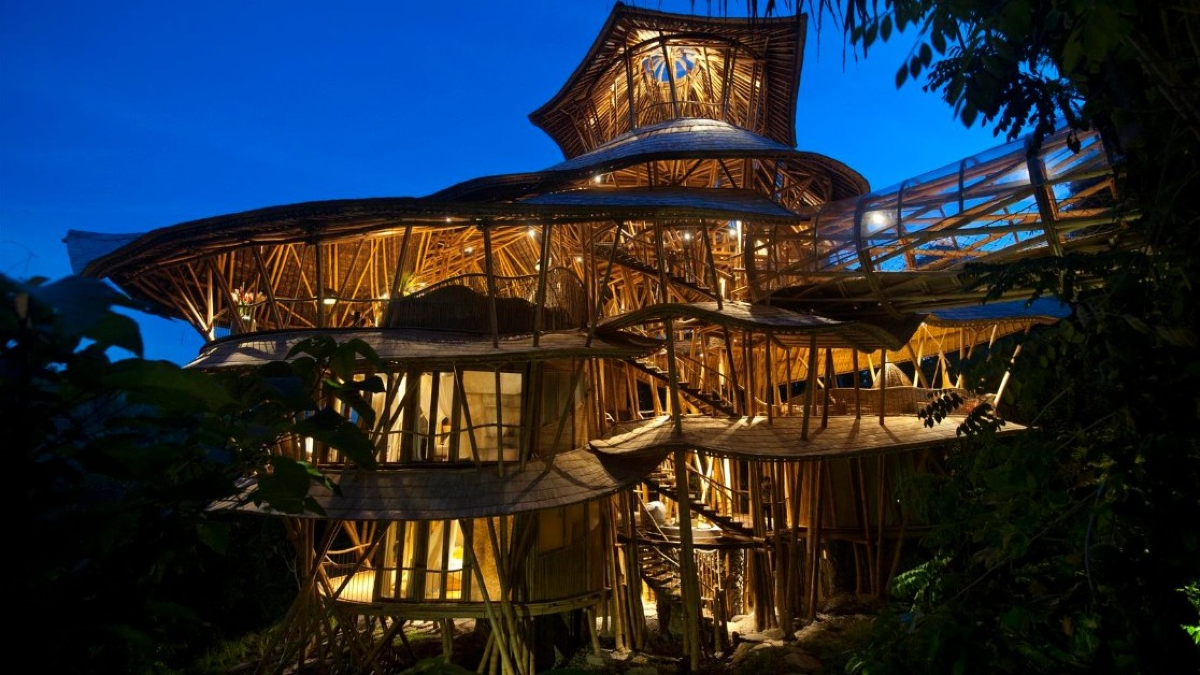
However, as international standards like ISO continues to evolve, these barriers are falling. The significance of bamboo will only grow as urban populations explore and the need for affordable, rapidly deployable and low carbon housing becomes a global priority. From usage in luxury style eco resorts in Bali to usage in social housing projects in South America, bamboo architecture is not failing to prove to the architectural community that its usage has the social integrity to support our awaiting future!