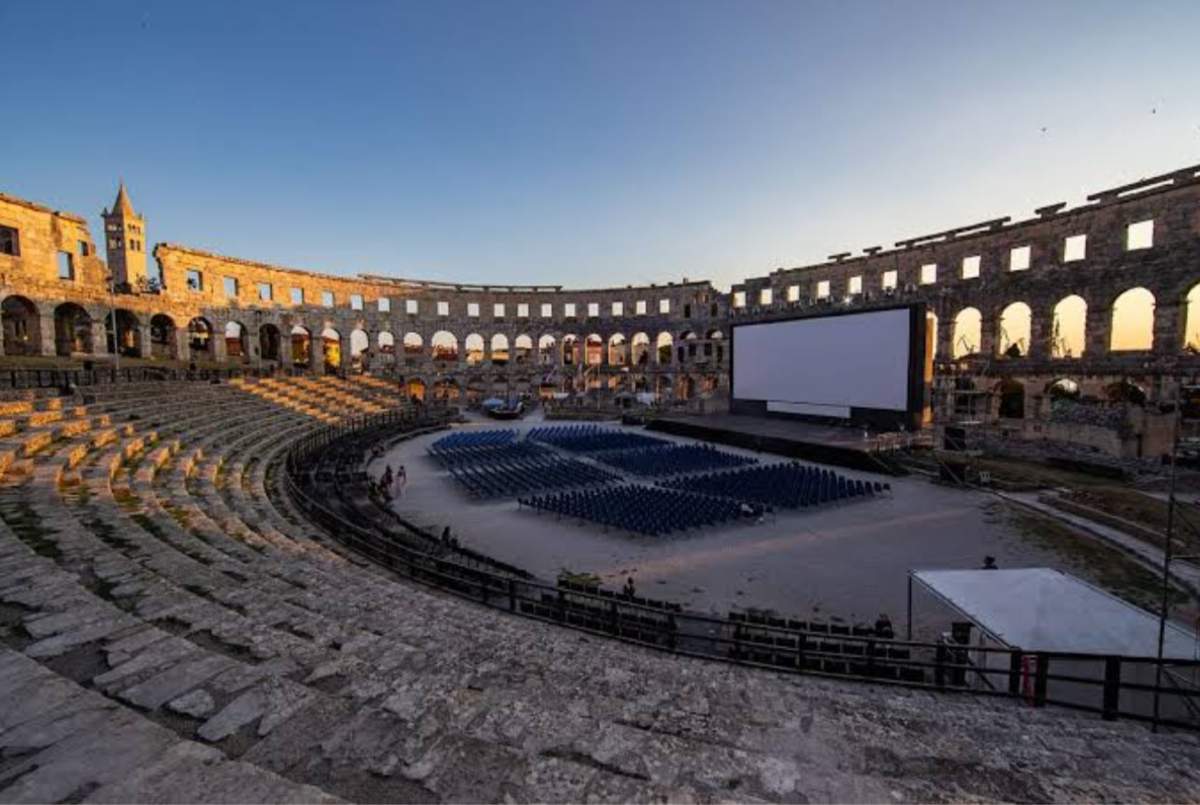
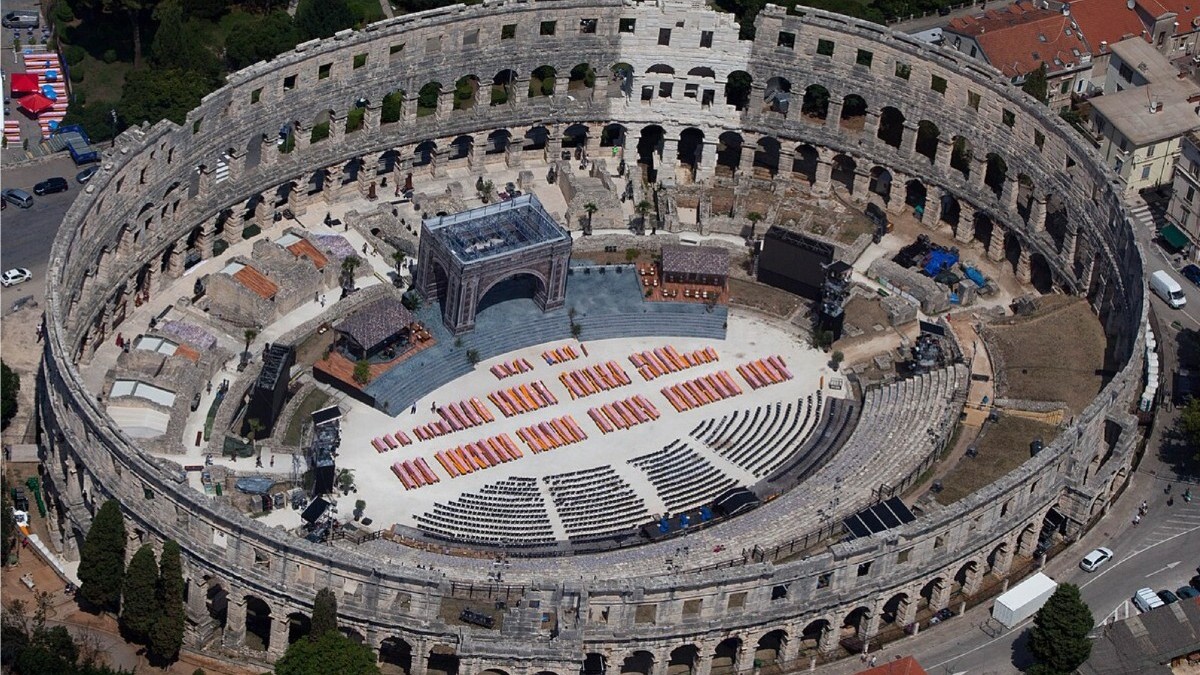
Often referred to as “Croatia’s Colosseum,” Pula Arena is not just a landmark; it is one of the world’s most remarkably preserved Roman monuments. It uniquely retains all four of its original side towers, a feature found in no other surviving Roman amphitheatre.
Recalling The Past Of Pula Arena
Constructed between 27 BC and 68 AD, the Pula Arena was built during the reign of Emperor Augustus and later expanded by Emperor Vespasian, the same ruler who was responsible for the construction of Rome’s Colosseum.
Legends say that Emperor Vespasian built the area to honor his mistress, Antonia Cenida, a native of Pula. In its prime, the limestone structure could hold over 23,000 spectators who gathered here to watch gladiator bouts and naval mock battles, known as “naumachia,” as the arena’s proximity to the sea allowed for unique water-based spectacles.
Why You Should Visit Here?
Pula Arena ranks as the “sixth-largest” Roman amphitheater in the world, but it holds a few titles the others don't:
The Four Towers: These towers were once used to support wooden masts that held large sails, known as “velarium,” protecting the audiences from direct sunrays. They also housed cisterns that sprayed perfumed water over the crowds.
The Underground Passages: Beneath the main floor lies the “Hypogeum.” While it once held cages for wild animals and preparation rooms for gladiators, it now hosts a fascinating museum dedicated to ancient Istrian olive oil and viticulture.
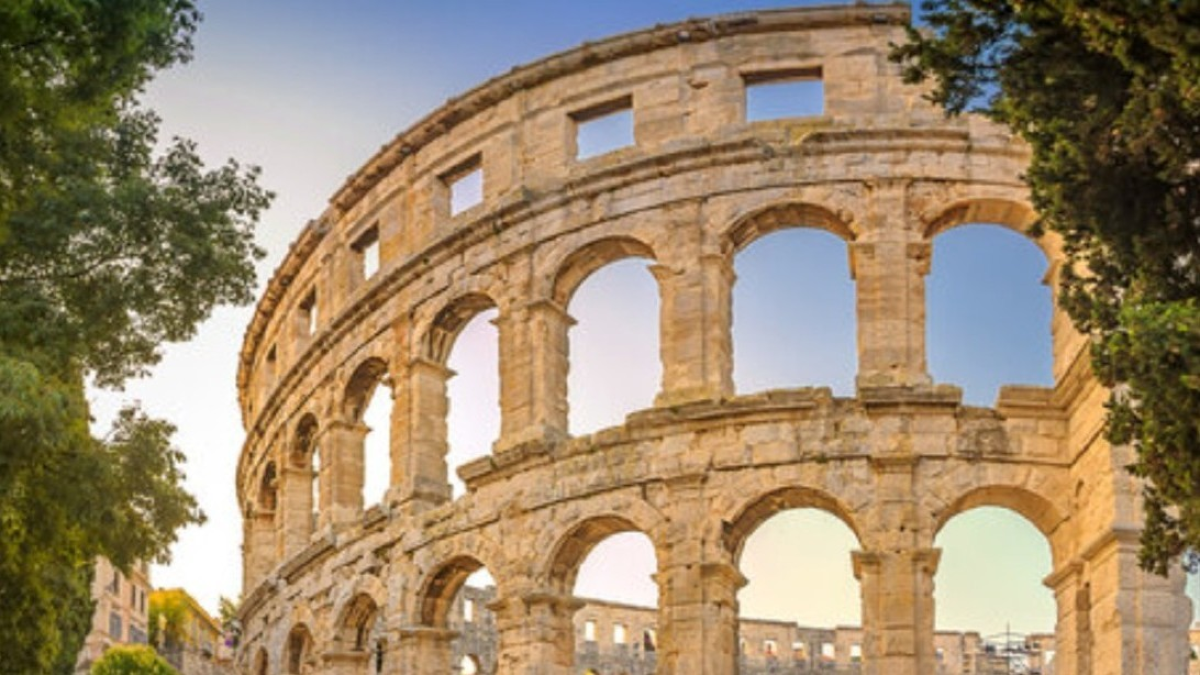
The Glow Of Limestone: Constructed entirely from local white limestone, the arena glows brilliantly against the backdrop of the blue Adriatic Sea, especially during the hours of sunset.
Modern Attractions
The Arena is not a silent monument. Today, it serves as a premier venue for hosting world-class events:
Pula Film Festival: Every year in the month of July, the arena transforms into a giant open-air cinema under the stars.
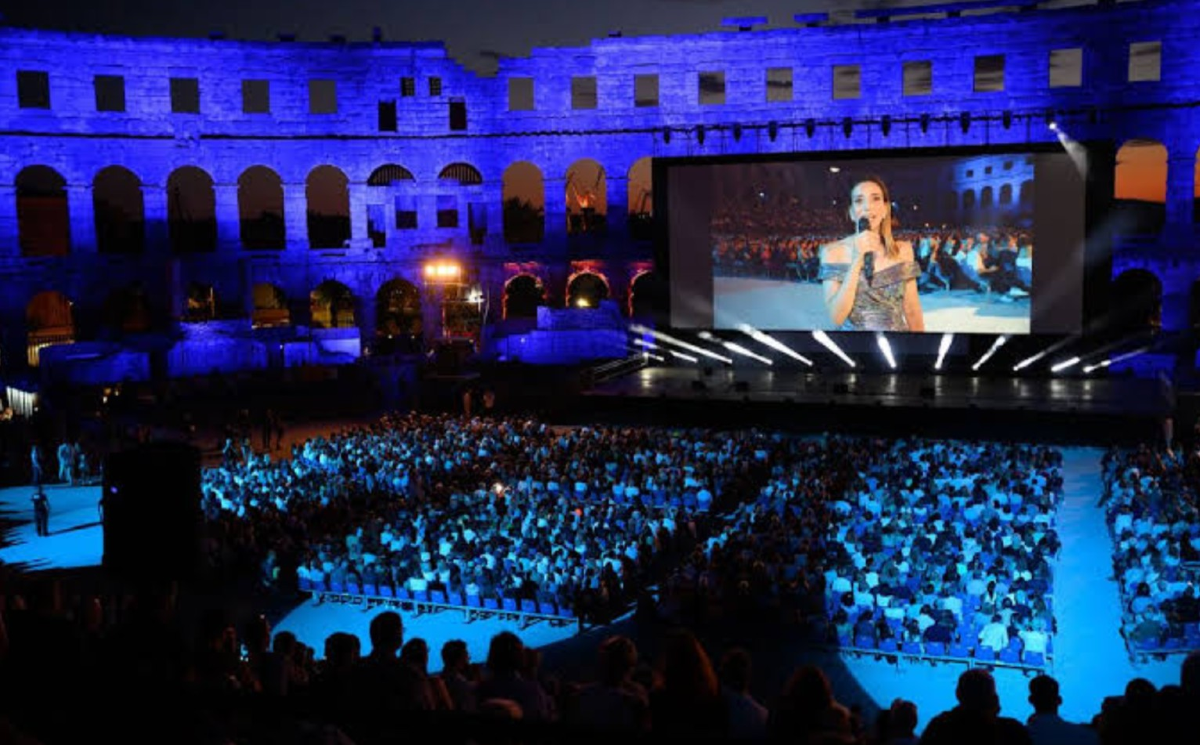
Summer Concerts: Renowned artists from Sting and Dua Lipa to Andrew Bocelli, the acoustics within these ancient walls are absolutely legendary.
"Spectacular Antiqua": Throughout the summer days, you can witness historical reenactments of gladiator fights, compete with authentic armor and Roman rituals.
Valuable Travel Tips
The Arena is located at Flavijevska ul. bb, a 5-minute walking distance from the main bus stop and the ferry port. If you come by car, remember that parking directly next to the Arena is expensive and difficult. Try to looking for the "Karolina parking lot," near the waterfront, a short and scenic walk away.
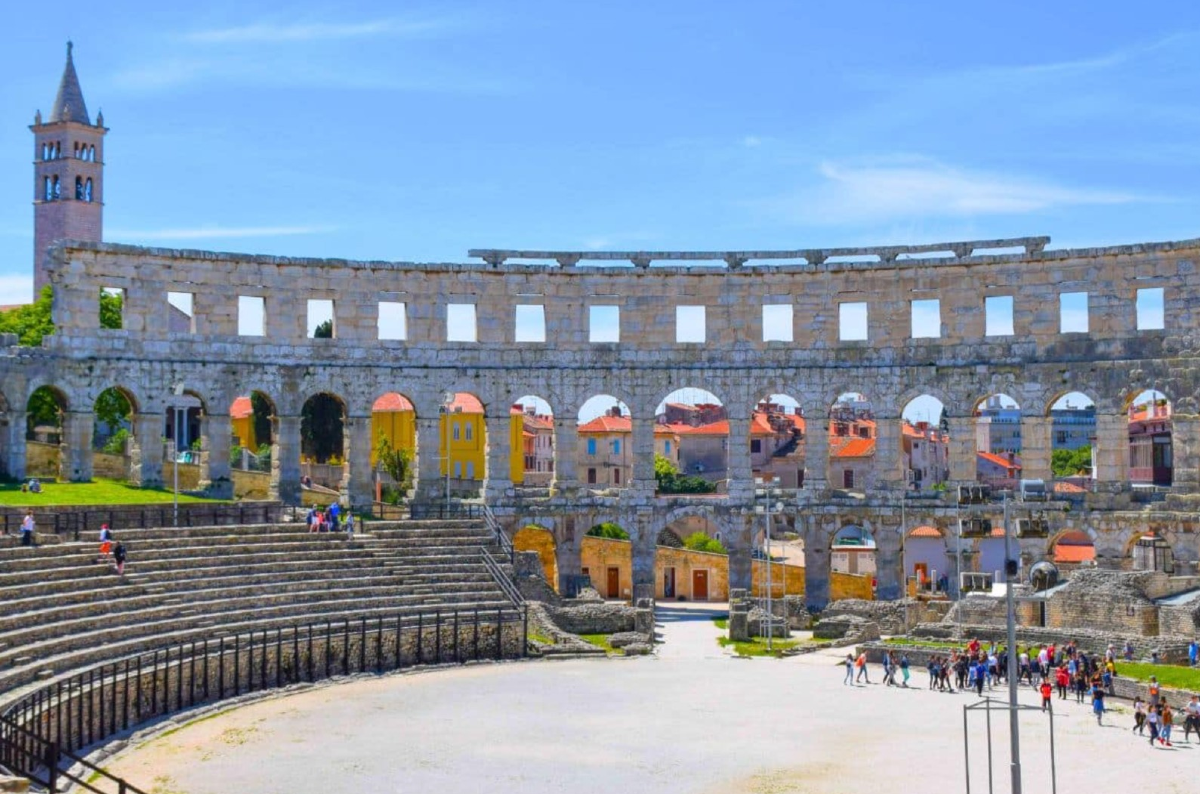
To capture the best shots of the day, try to arrive during the "golden hours," after the sunset. If you want to avoid the crowds and the hot temperature of the day, the best would be to arrive during the early hours of the morning to enjoy a majestic view of the amphitheatre.
For current pricing and event schedules, always check the official "Archaeological Museum of Istrian" website for updated information.
Comments (0)
Log in to share your thoughts
No comments yet
Be the first to share your thoughts!