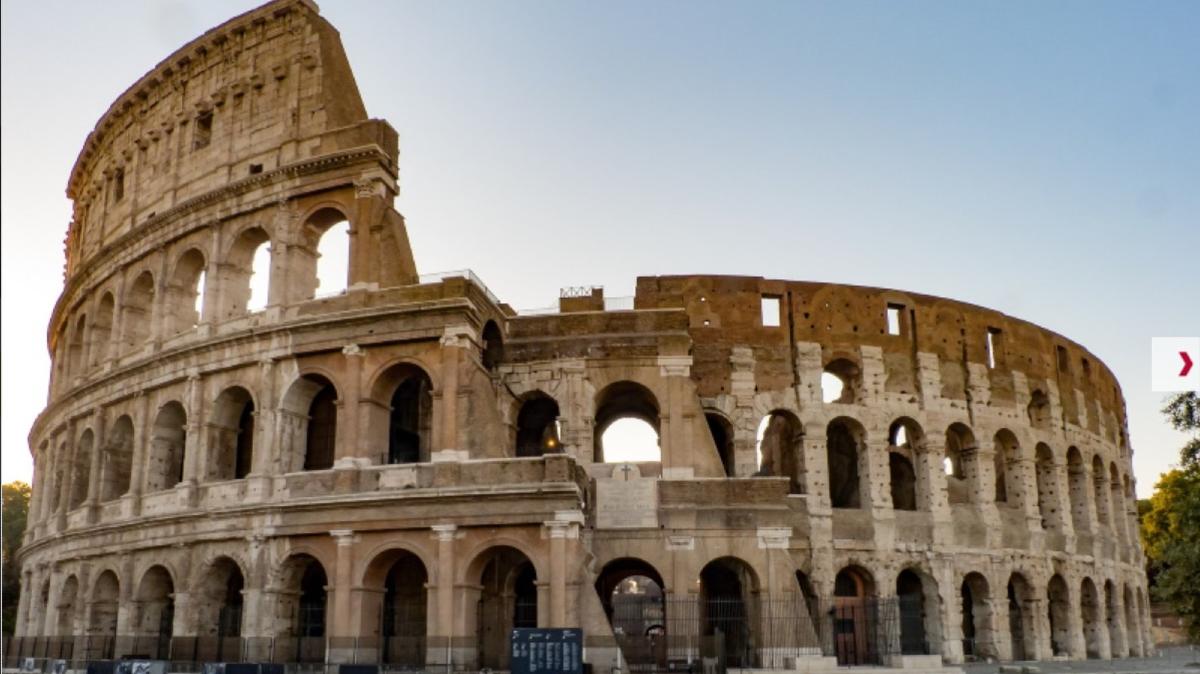
The Colosseum, also known as "Flavian Amphitheater" is the ultimate icon of Imperial Rome. It was built around 1st-century AD in Rome, Italy, by Emperors Vespasian and Titus to seat over 50,000 spectators for gladiatorial battles and public spectacles.
Presently, it is recognized as one of the New Seven Wonders of the World and famous for being a major tourist site, managed by the Parco archeologico del Colosseo.
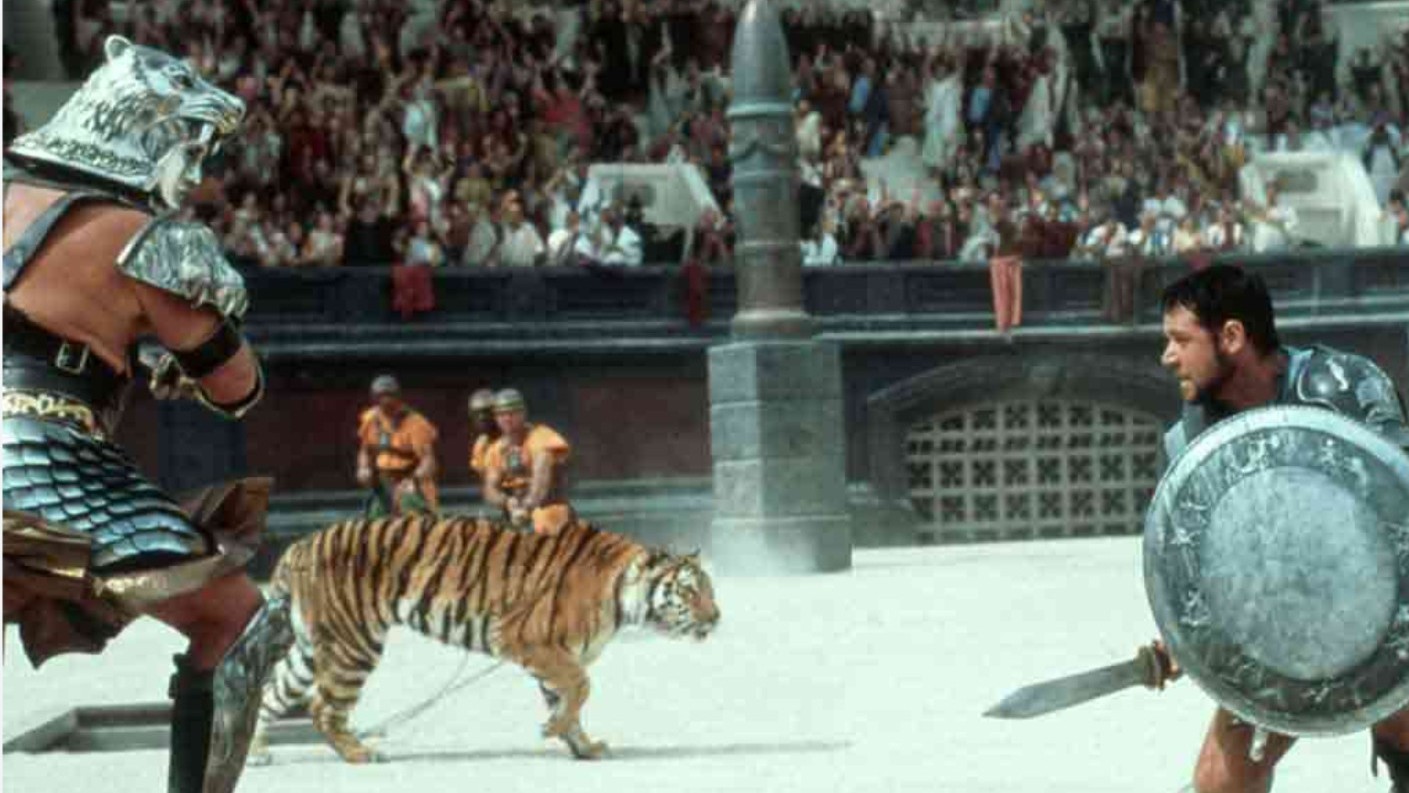
However, in Hollywood movies, such as “Gladiator,” has shown a non-stop loop of bloody duels, but the reality was different, in the sense that it was highly structured, every day was considered as a “festival of power” that served as a political tool for the emperors.
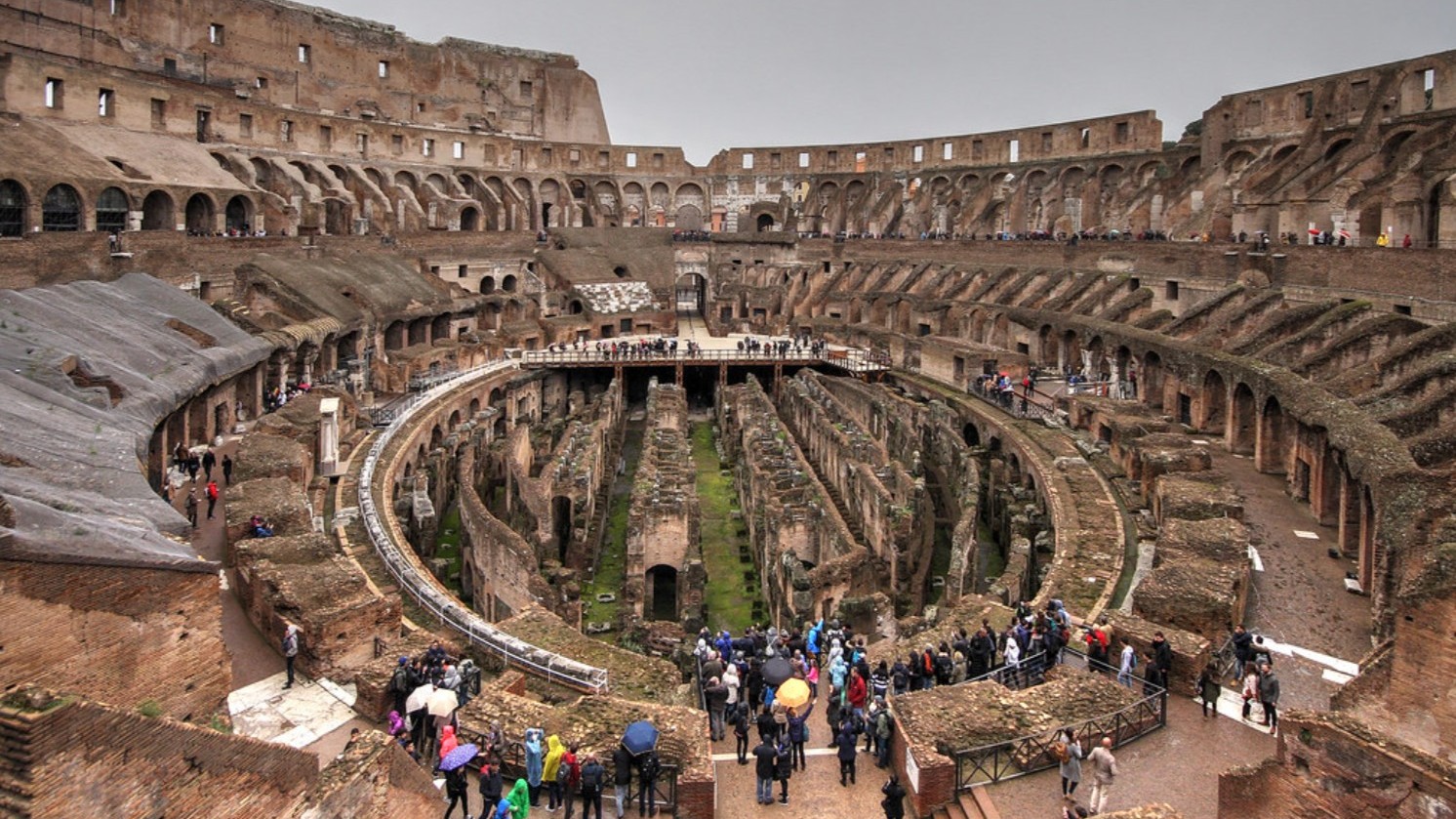
Here is what a day inside the world's most famous arena looked like.
Also Read: Discover The 5 Surprising Facts Of Roman Colosseum
A Day-Long Schedules
A typical day of games at the Colosseum followed a strict, three-part itinerary designed to keep the crowd engaged from sunrise to sunset.
In the morning, animal shows were held. Exotic creatures ranging from lions, tigers to elephants and giraffes, were shipped from the furthest reaches of the empire. They were pitted against the trained hunters, known as “bestiarii” and it is quite surprising to note that on the opening day itself, animals were reportedly slaughtered.
In the midday, the noble class often left to dine, while the remaining crowd of people watched the execution of criminals and the prisoners of war. These were often staged as “fatal charades,” where the condemned were forced to reenact gruesome Greek or Roman myths.
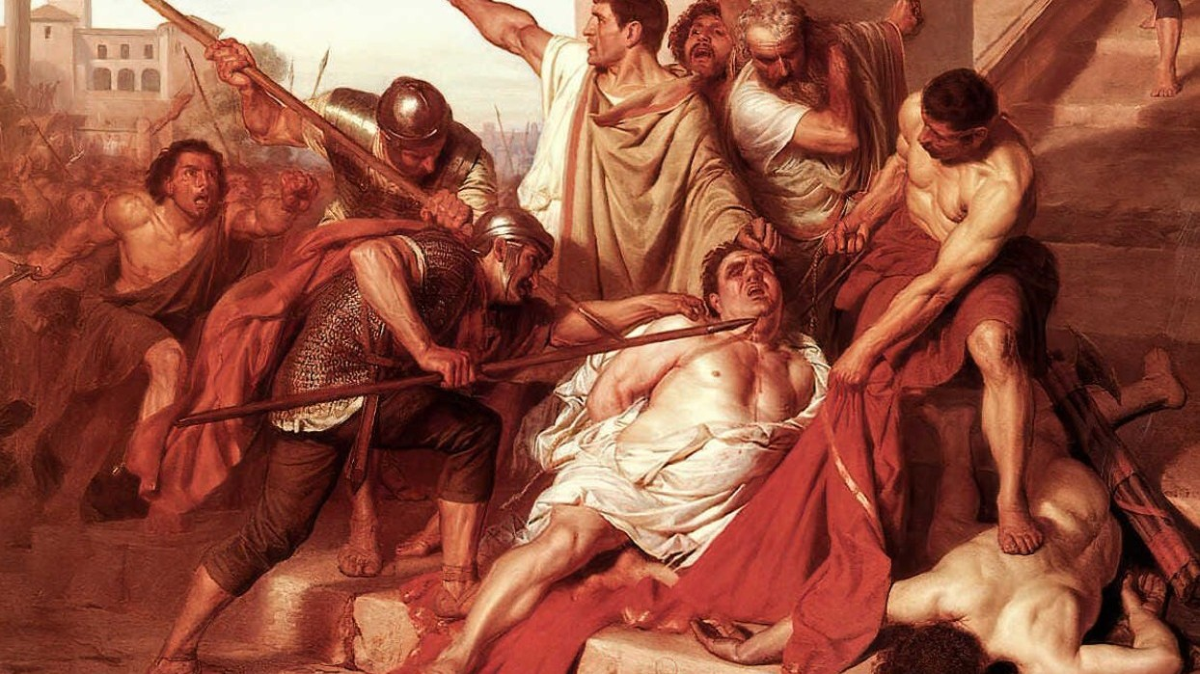
Finally, the afternoon featured the high-stakes gladiator duels. These were not the chaotic “free-for-alls” often seen on the screen. They were professional matches with strict rules, monitored by referees and doctors.
Also Read: Why Hadrian's Villa Is Rome's Most Underrated Wonder?
Mock Naval Battles & Submerged Arenas
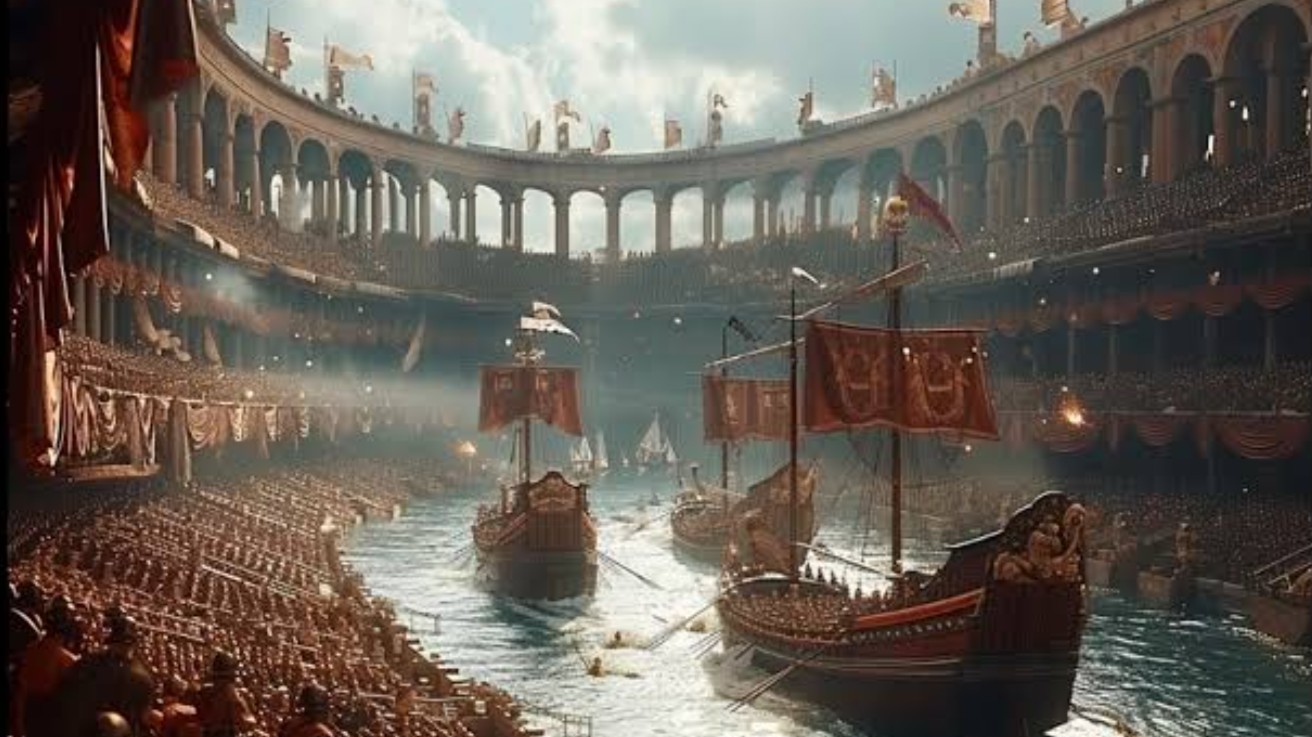
In the initial years, before the underground “Hypogeum” was built, the Colosseum floor could actually be flooded for “Naumachia,” mock naval battles. By using a sophisticated hydraulic system connected to nearby aqueducts, the arena was filled with water deep enough for flat-bottomed warships to engage in combat for the crowd.
Also Read: Why Pula's Roman Colosseum Is A Must-Visit In Istria!
The Hypogeum
The real action often happened beneath the floor. Basically, the hypogeum was a complex two-level network of tunnels and chambers.
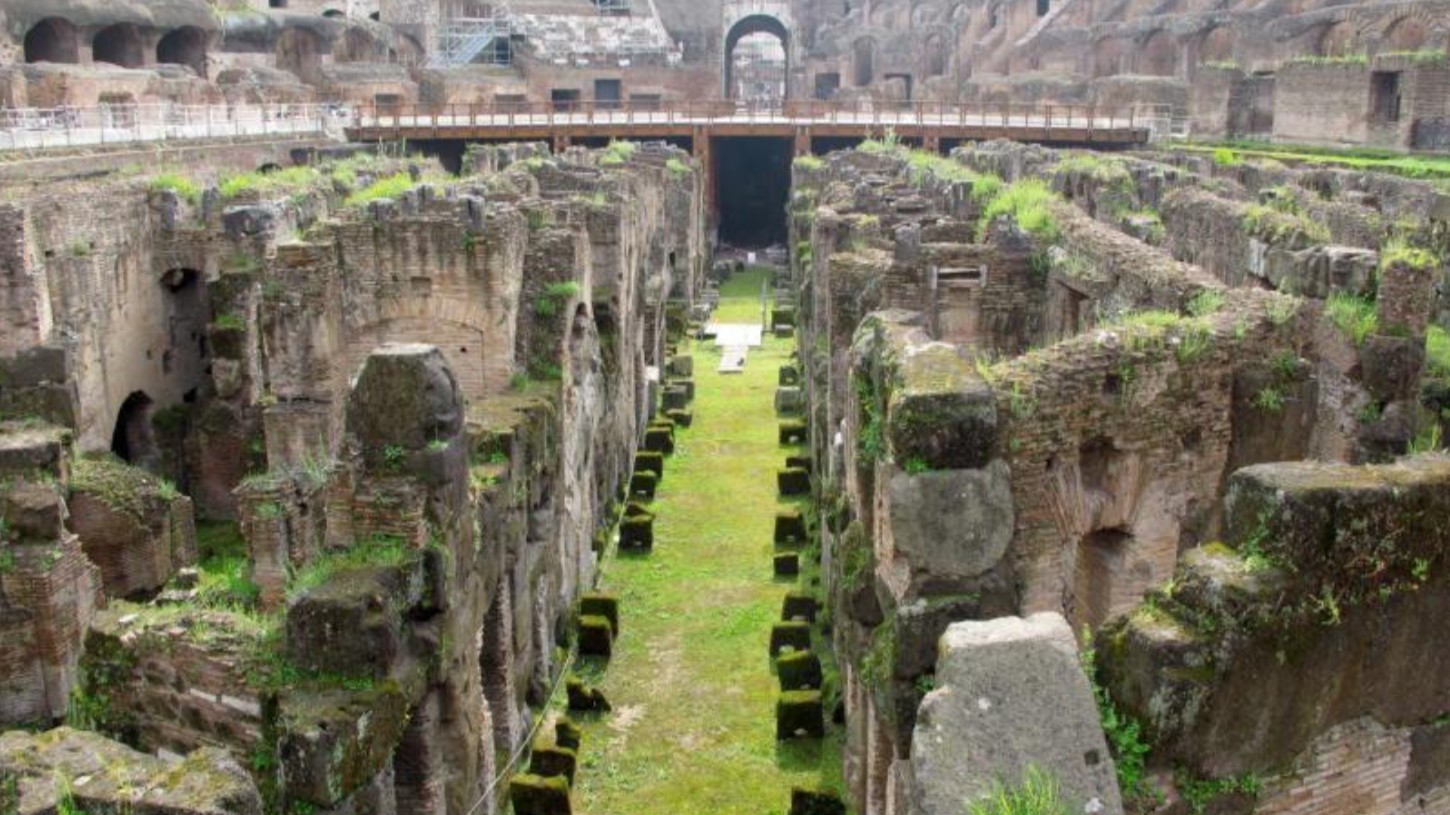
Workers used 80 trap doors and a system of pulleys to suddenly hoist the animals and scenery into the arena, creating a sense of surprise and also providing a sense of “magic” for the audience.
Primarily, it housed the gladiators, animal cages and the massive machinery needed to swap out the scenery.
Also Read: Why Is The Arch Of Constantine Unlike Any Other In Rome?
Controlling Of The Crowd & Social Hierarchy
During those days, participating in any game was absolutely free of cost for every Roman citizen, however, your social status would strictly determine where you would be sitting.
Usually, the bottom tiers were reserved for the emperor, senators and the priests.
Non-citizens like women, slaves and the poor were dismissed to the highest wooden tiers at the very top.
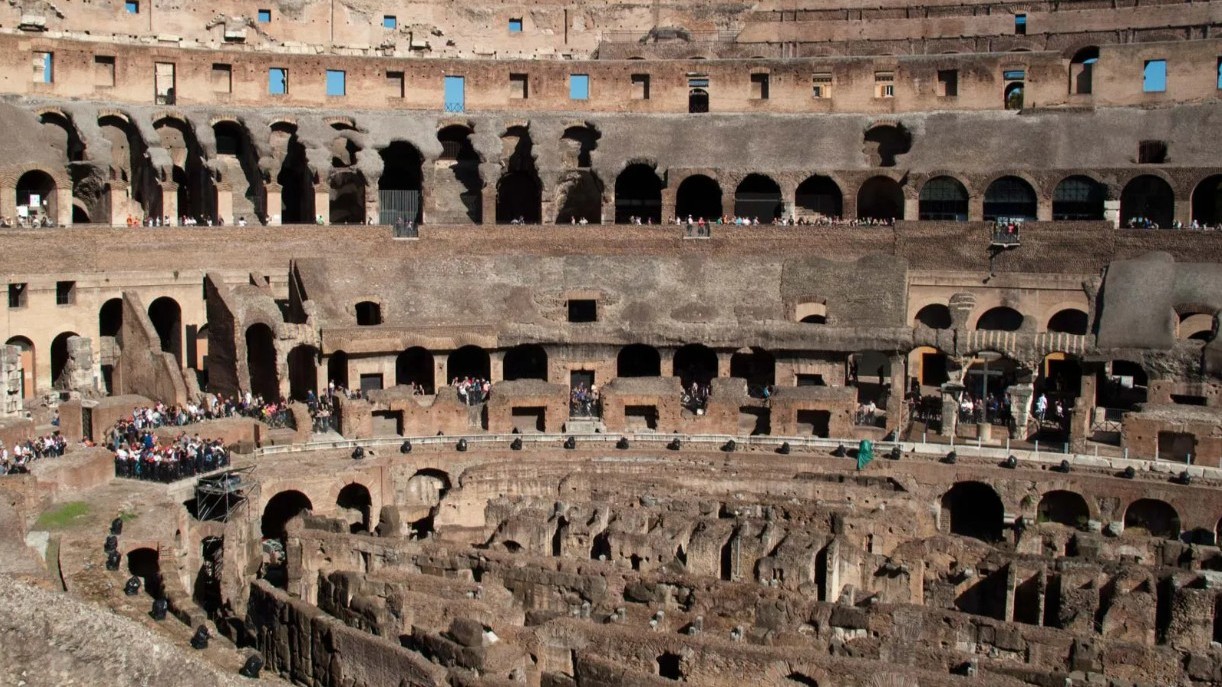
Despite holding up to 80,000 people, the Colosseum’s 80 numbered entrances, the “vomitaria” were so well-designed that the entire stadium could be emptied in just a few minutes.
Also Read: The Roman Masterpiece You Won't Believe Is In France!
Debunking Of The Common Myths
Historians believe the gesture for death was actually a thumb pointed towards the throat, mimicking the final blow, while a thumb tucked into a fist, which meant that the fighter was spared.
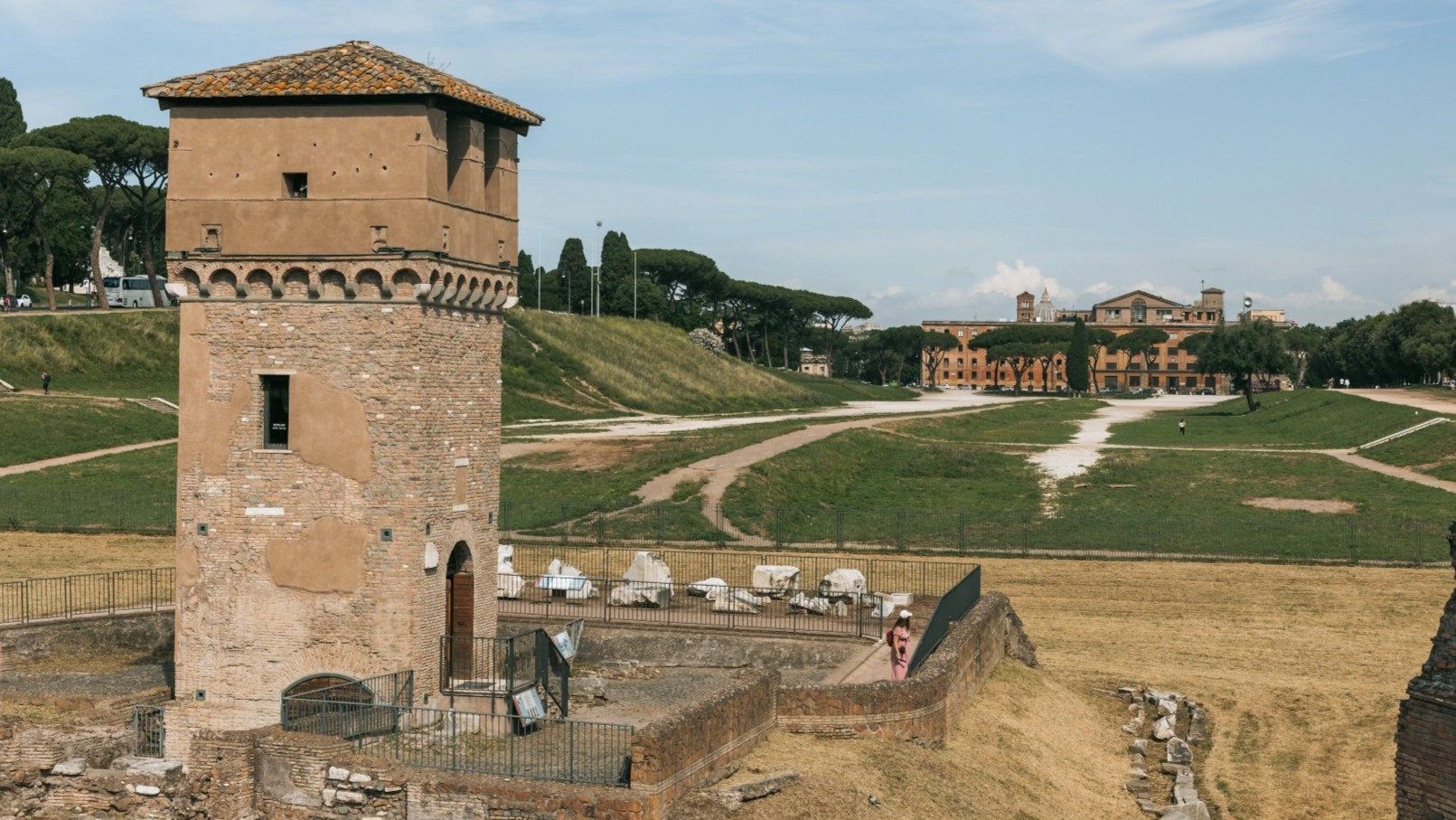
While the Colosseum is a major Christian symbol today, there is little historical evidence that it was the primary site for the execution of early Christian martyrs, which most likely occurred at the "Circus Maximus."
Comments (0)
Log in to share your thoughts
No comments yet
Be the first to share your thoughts!