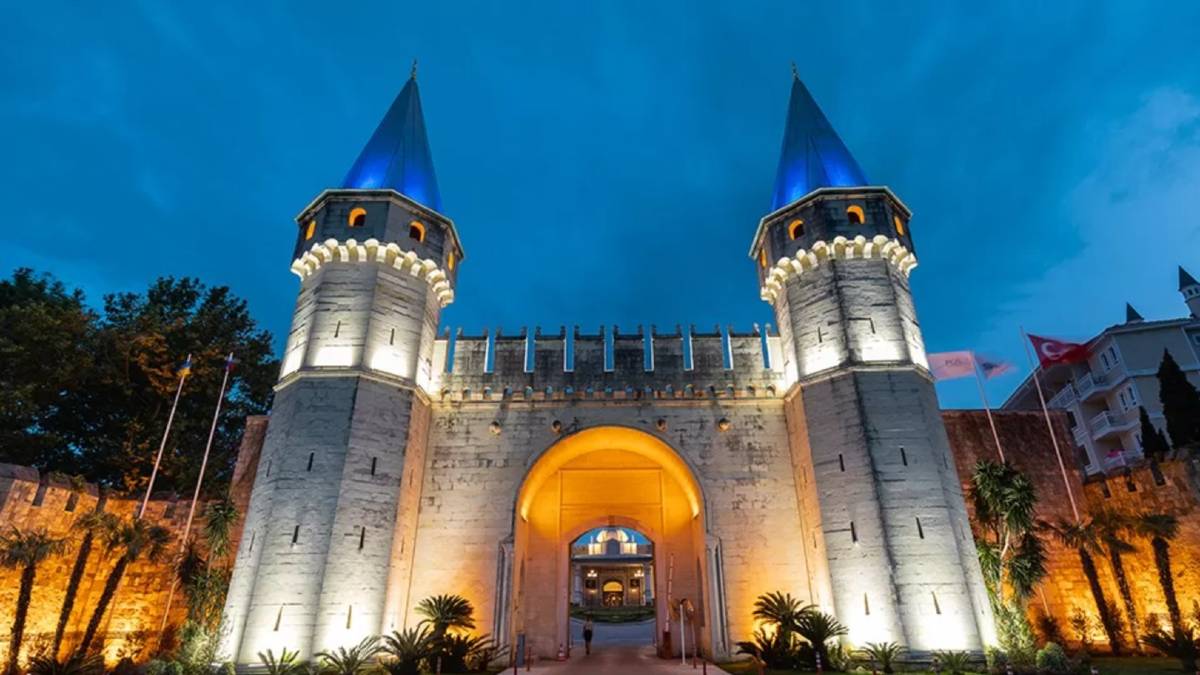
The Topkapi Palace in Istanbul was far more than a royal palace; it functioned as the beating heart of the Ottoman Empire for nearly four centuries.
Built shortly after the military conquest of Constantinople, this sprawling complex served as the ultimate seat of power where sultans lived, governed and shaped world history.
Strategic Location Between Two Continents
The palace was built on Sarayburnu, a high point that looks out over the Bosphorus Strait, the Golden Horn and the Sea of Marmara. This perfect location allowed the Sultan to watch every ship that travelled between the Mediterranean and the Black Sea, effectively controlling the trade routes that linked Europe and Asia.
By holding this “crossroads of the world,” the Ottomans ensured that their capital was safe from surprise naval attacks while growing incredibly wealthy from the constant flow of international commerce.
Also Read: One Dome, Three Faiths--The Story Of Hagia Sophia
The ‘Divan’: A Hub For Government Business
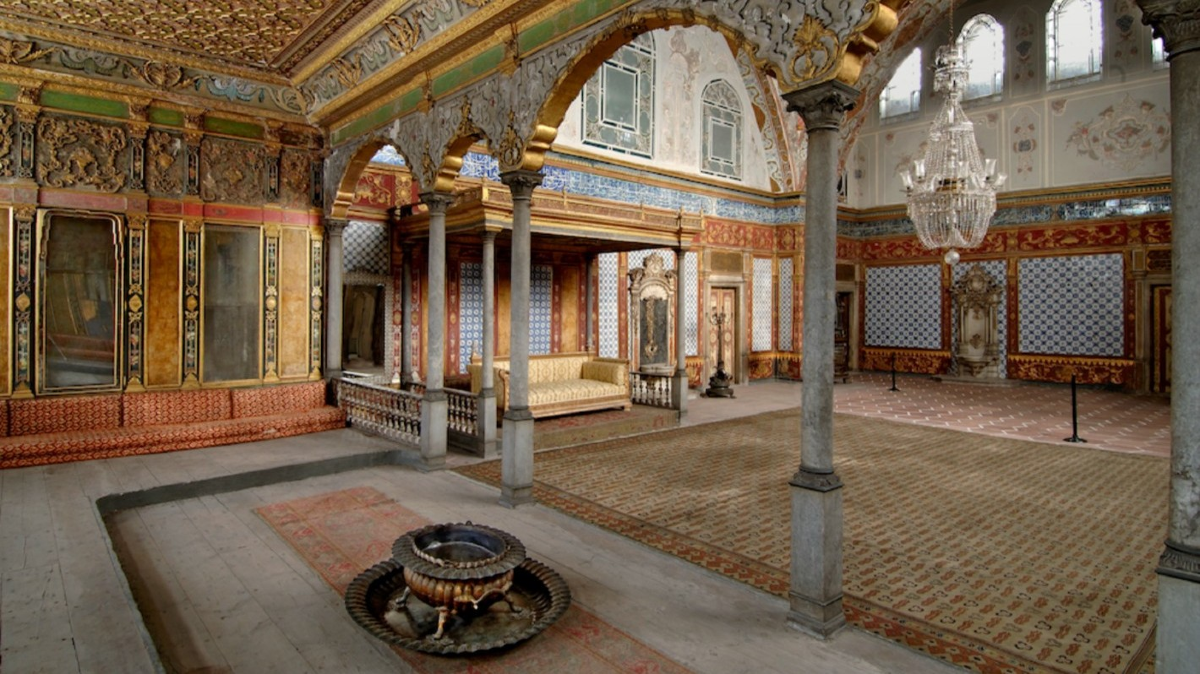
Located in the second courtyard, the ‘Divan,’ was the engine room of the empire where the most important laws and military plans were decided. The Grand Vizier and other high-ranking officials met here several times a week, often while the Sultan watched secretly through a golden grill window known as the “eye of the Sultan.”
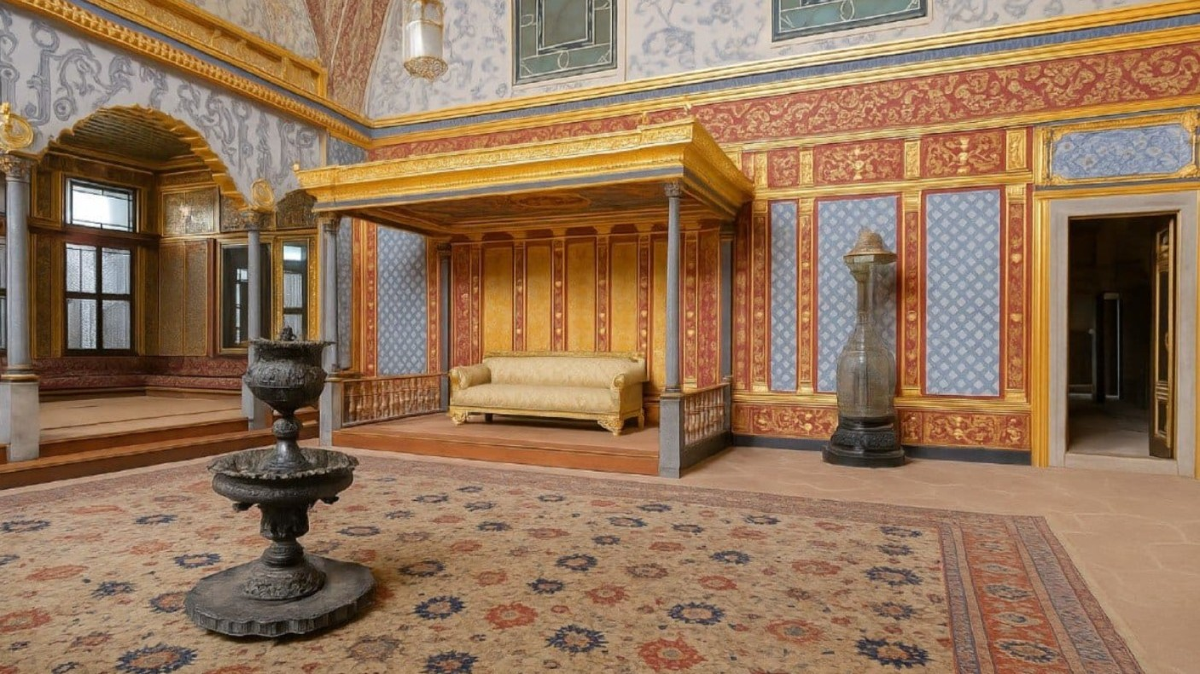
This design made sure that the government stayed disciplined and extremely honest, as the officials never knew for sure if the ruler was listening to their every word, maintaining a sense of constant imperial oversight.
The ‘Enderun’: Training Future Leaders
The Palace housed a world-class academy called the “Enderun School,” located in the third courtyard, which was dedicated to train the next generation of Ottoman administrators and generals. The most talented boys from across the empire were brought here to study everything from calligraphy and theology to advanced military science and statecraft.
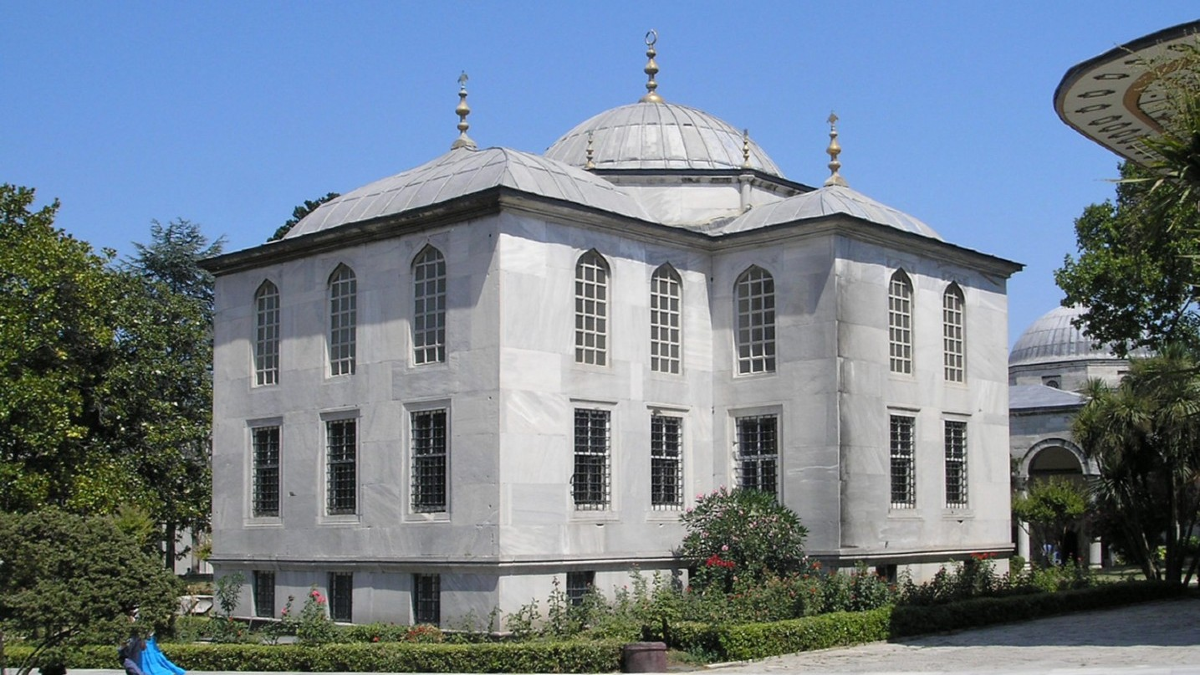
As these students were educated inside the palace walls under the Sultan’s direct patronage, they developed a deep loyalty to the throne, providing the empire with a steady supply of highly skilled and faithful leaders.
The ‘Harem’: Center Of Private Power
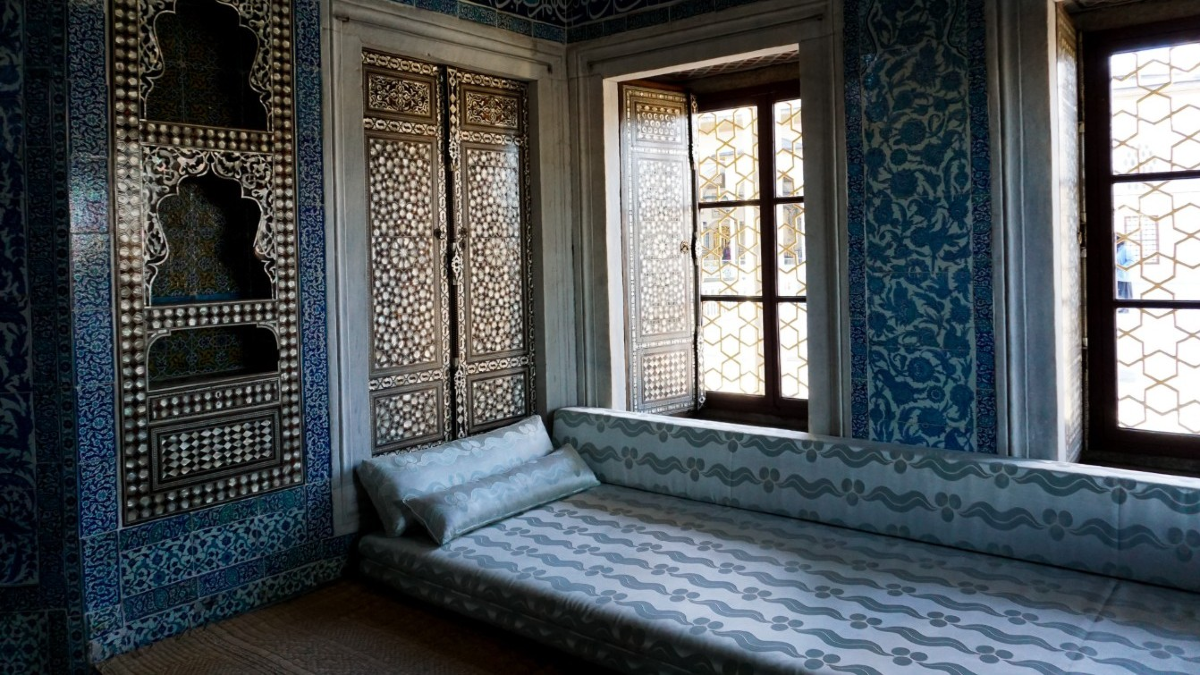
The Harem was much more than a private living quarter; it was a sophisticated political institution that managed the royal bloodline and imperial succession. Within its 400 rooms, the ‘Valide Sultan,’ known as the Sultan’s mother, held immense power, often acting as a key advisor on both domestic and foreign policy.
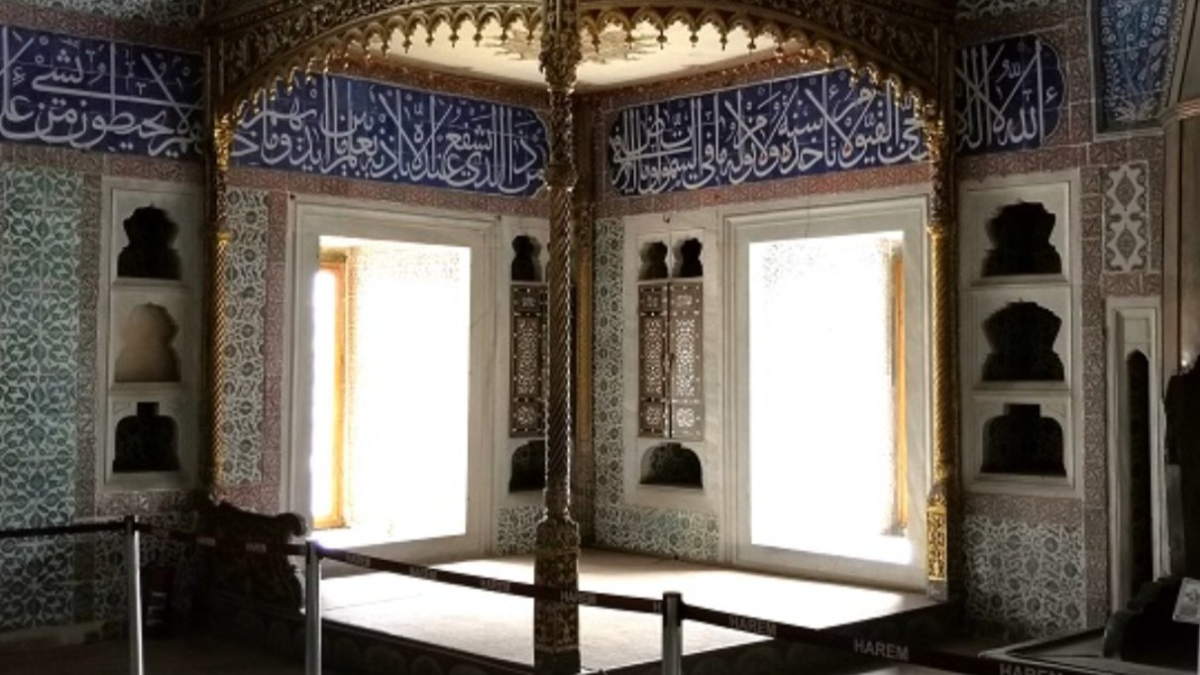
This restricted area of the palace ensured that the Sultan’s private life remained secure, while also serving as a space where influential women could shape the direction of the empire through family alliances and quiet diplomacy.
A Symbol Of Wealth & Divine Authority
Topkapi Palace was designed to overwhelm visitors with the Sultan’s immense wealth and religious importance, housing the ‘Imperial Treasury’ and the most sacred relics of the Islamic world.
From the sparkling 86-carat "Spoonmaker's Diamond" to the "Holy Mantle" of the Prophet Muhammad, these treasures signalled that the Sultan was not just a king, but a leader with divine protection and unmatched resources.
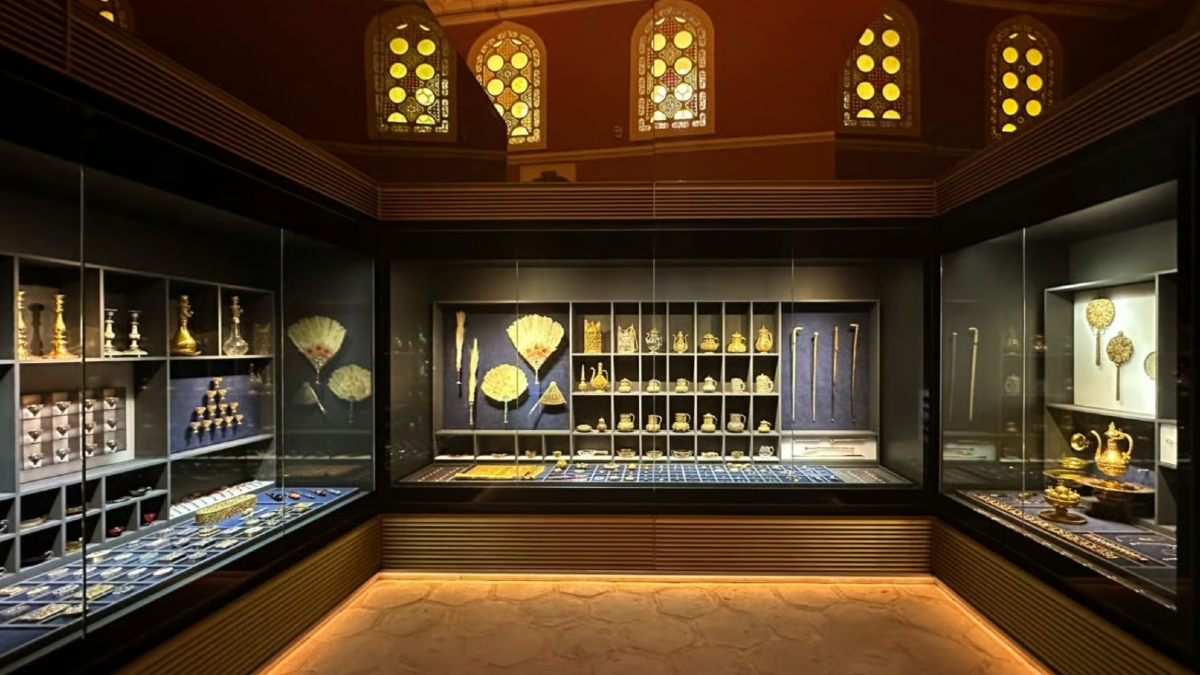
By displaying this mixture of material riches and spiritual authority, the entire palace convinced both subjects and foreign rivals that the Ottoman rule was destined to last forever.
Comments (0)
Log in to share your thoughts
No comments yet
Be the first to share your thoughts!