Imagine constructing a sprawling, red-sandstone masterpiece intended to be the heart of an empire, only to walk away from it in just 15 years. This is the sad reality of Fatehpur Sikri, the “City of Victory.” It was by the Mughal Emperor Akbar, who was also known as “Akbar The Great” in the 16th century and this UNESCO World Heritage site remains as one of India’s most perfectly preserved “ghost cities.”
A City Born From a ‘Prophecy’
The story of Fatehpur Sikri starts not with a military strategy, but from a prophecy. In the year 1569, Emperor Akbar, desperate for an heir, visited the Sufi saint Sheikh Salim Chishti, in the village of Sikri. The saint predicted the birth of a son, and when Prince Salim, who was known famously as, “Jahangir” was born shortly after, Akbar decided to shift his capital from Agra to the very spot where the prophecy was given.
Architectural Marvels To Visit Here
As it was abandoned so quickly, the city remains a time capsule of Mughal brilliance, blending Persian, Indian and Islamic styles.
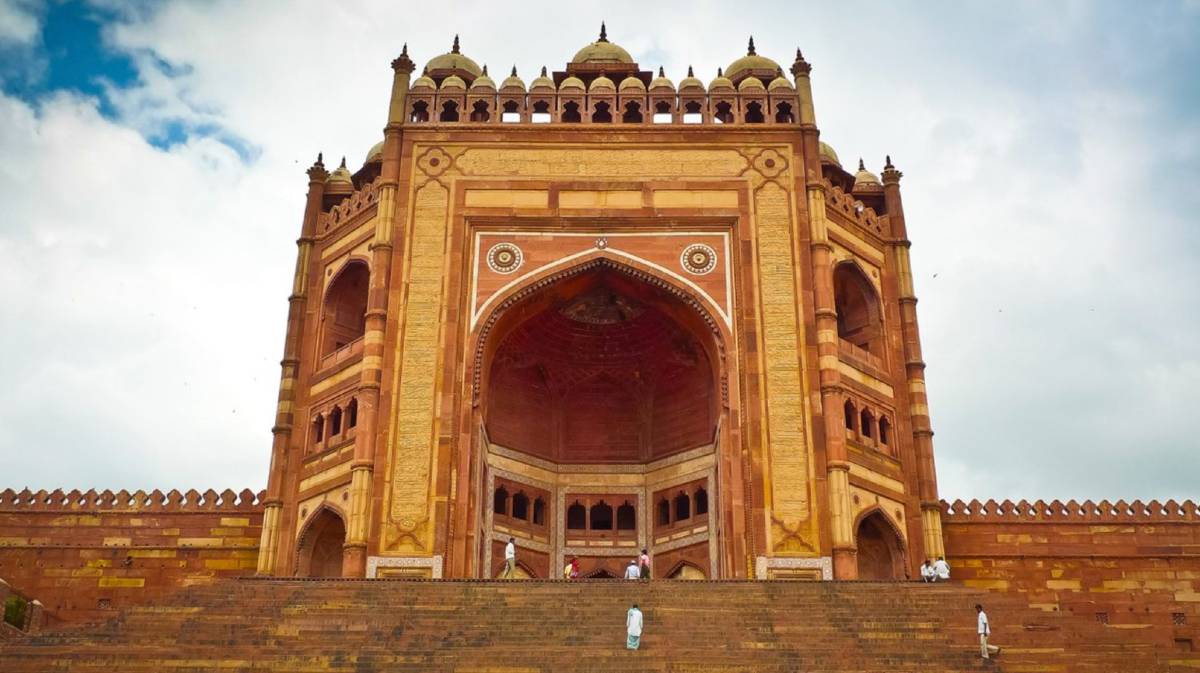
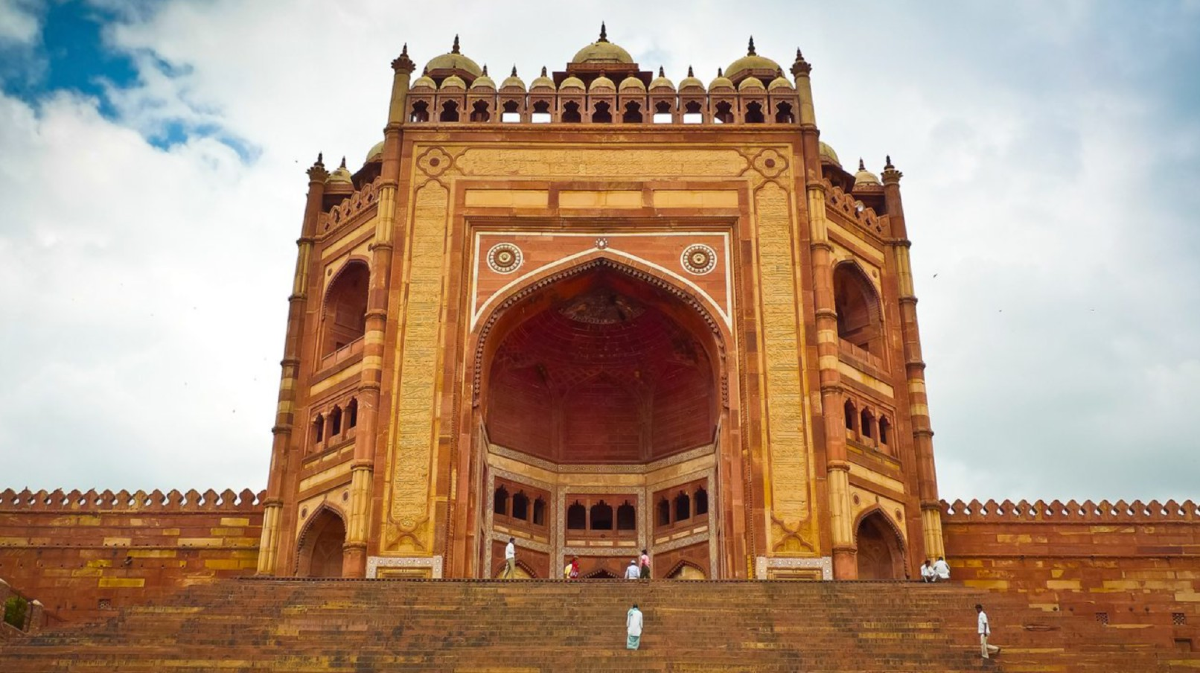
Buland Darwaza: At 54 metres high, this “Gate of Magnificence” is the highest gateway in the world, built to celebrate Akbar’s victory in Gujarat.
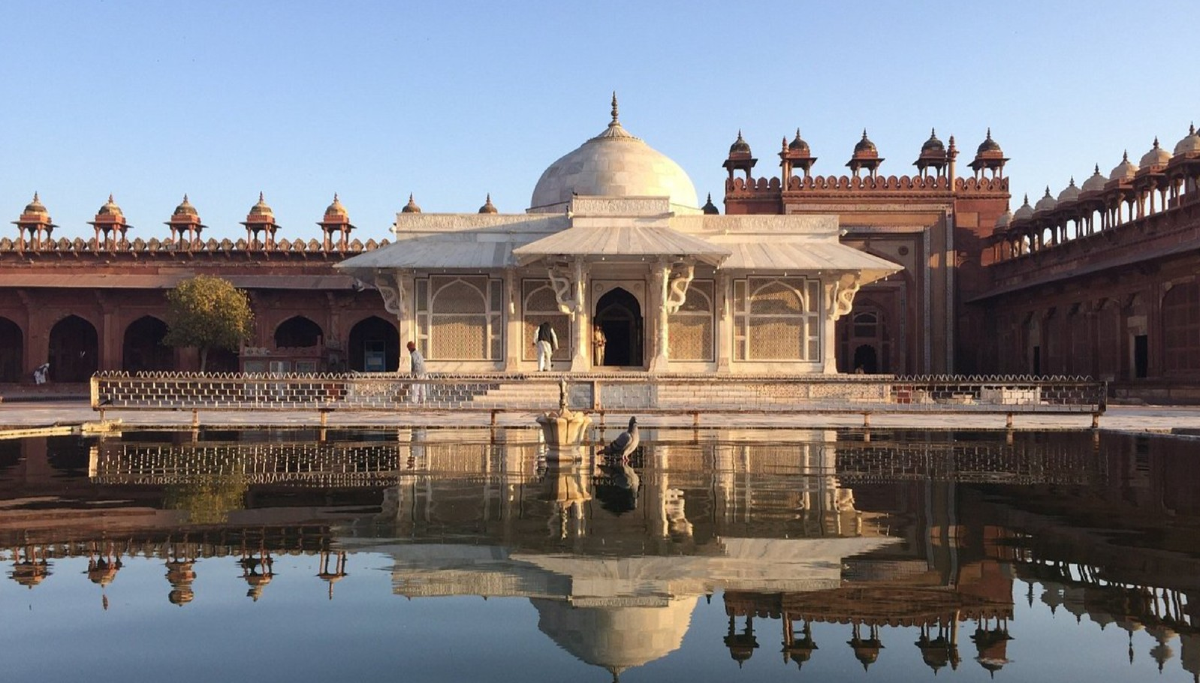
Tomb of Salim Chishti: A stunning white marble shrine that sits like a jewel in the center of the red sandstone courtyard.
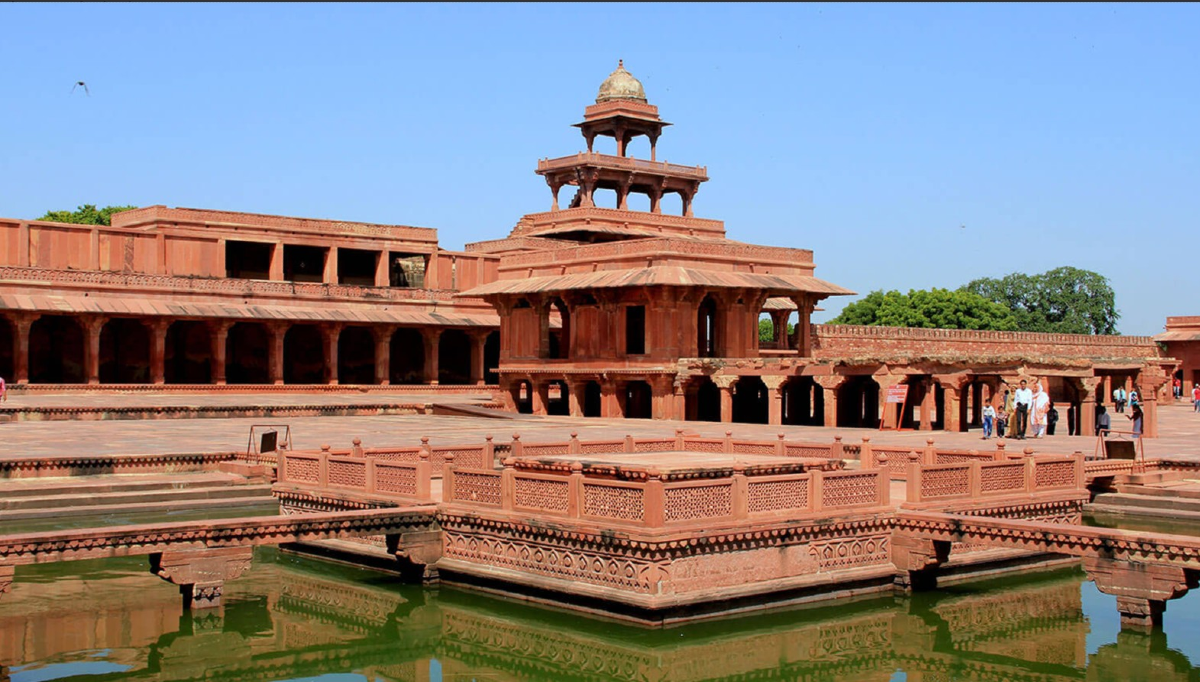
Panch Mahal: A five-story open air palace designed for the royal ladies to enjoy the cool evening breeze. In past, it was referred to as “pleasure palace.”
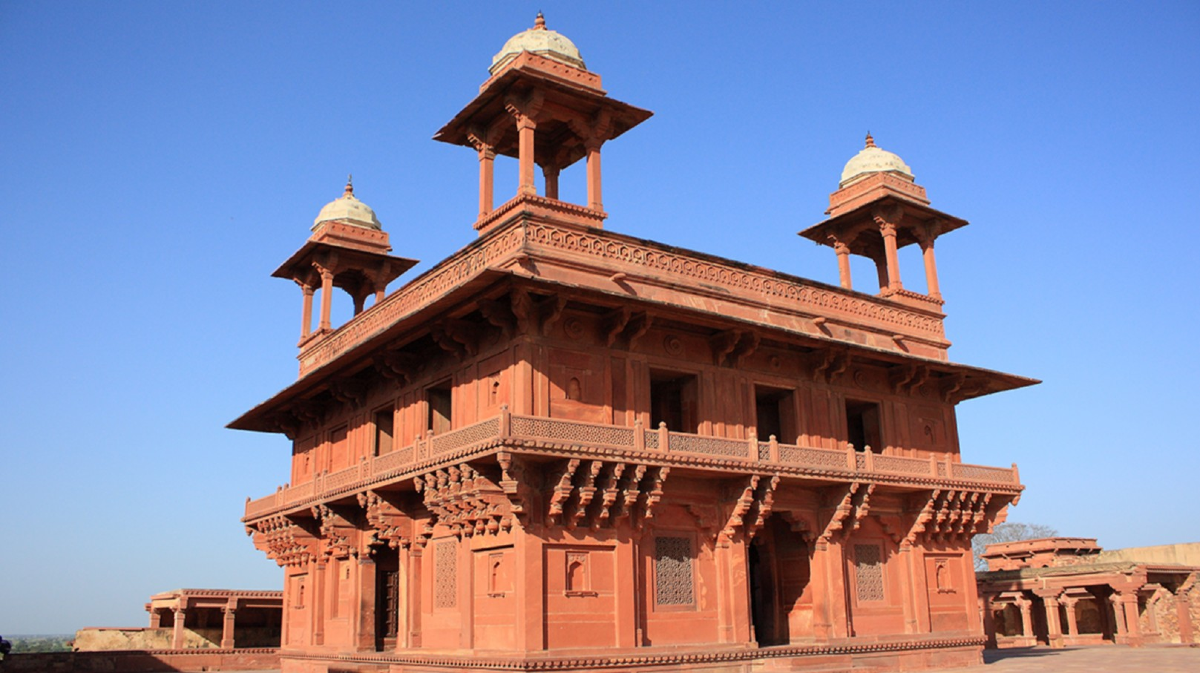
Diwan-i-Khas: Also known as “The Hall of Private Audience,” it was widely famous for having an intricate central pillar where Akbar would sit to discuss religion and philosophy with scholars, who were also known as “navaratnas.”
Also Read: Victoria Memorial: Why This 100 Year Old Monument Still Breaks The Internet
Why Was It Abandoned?
Between 1571 and 1585, the city flourished as the Mughal capital. But by 1585, Akbar and his court abruptly left. Still, historians debate on the exact cause, the two major primary theories dominate:
The most common explanation is that the city’s complex water system failed to support its growing population. Despite building artificial lakes and step wells like Hakim’s Baoli, the ridge simply couldn't provide enough water for a thriving imperial hub.
While others argue that political necessity forced Akbar’s to shift his capital, however, the death of his half-brother in 1585, Akbar felt the need to move his empire's capital to Lahore to tackle with the instability on the empire’s northwestern frontiers.
Also Read: Nalanda: The 5th Century Global University That Refused To Die
Today, Fatehpur Sikri stands silent, a “Nomad’s Dream” frozen in red sandstone, a reminder that even the greatest imperial visions can turn into an abandoned city by something as simple as a lack of water.
Comments (0)
Log in to share your thoughts
No comments yet
Be the first to share your thoughts!