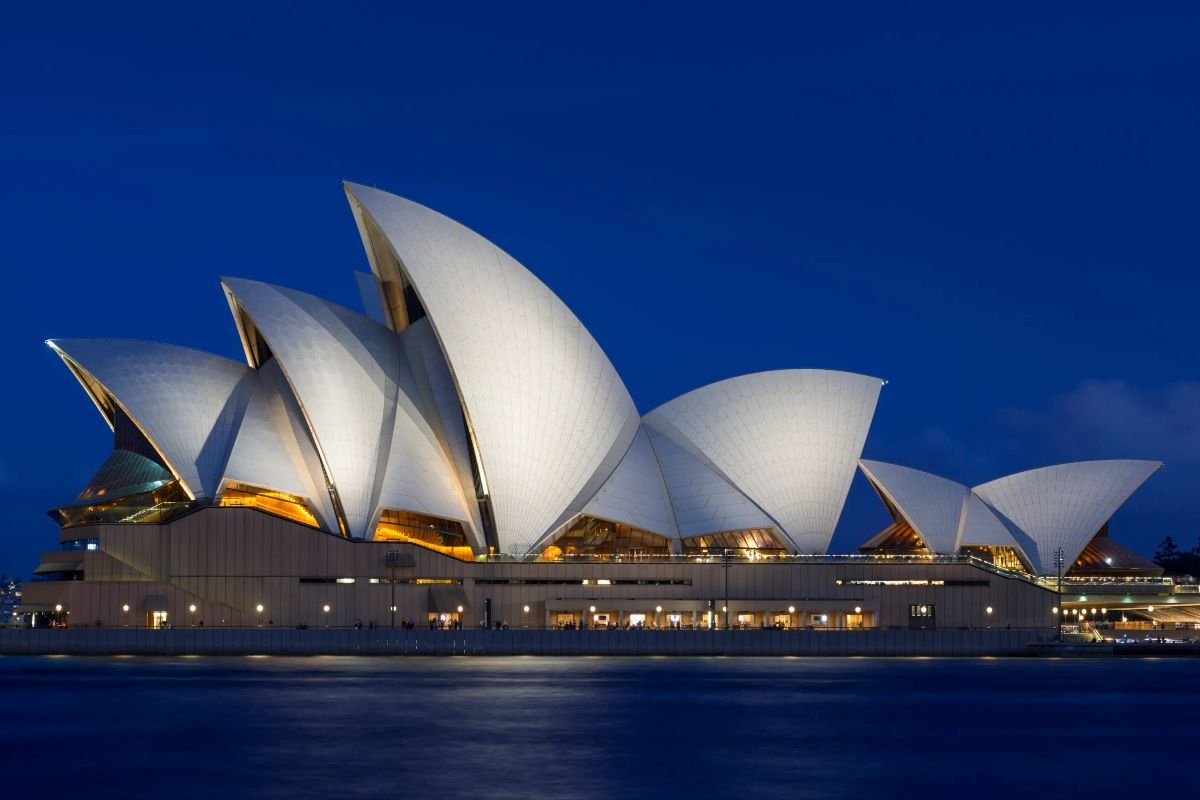
The Sydney Opera House is famous for its white ‘sails,’ but those sails are actually covered in over a million tiny tiles. Architect Jørn Utzon didn’t want the building to look like a flat piece of white concrete; he wanted it to sparkle and change color with the sky. By using 1,056,006 individual tiles, he created a surface that looks like a living skin, glowing from sunrise to sunset.
Special Tiles From Sweden
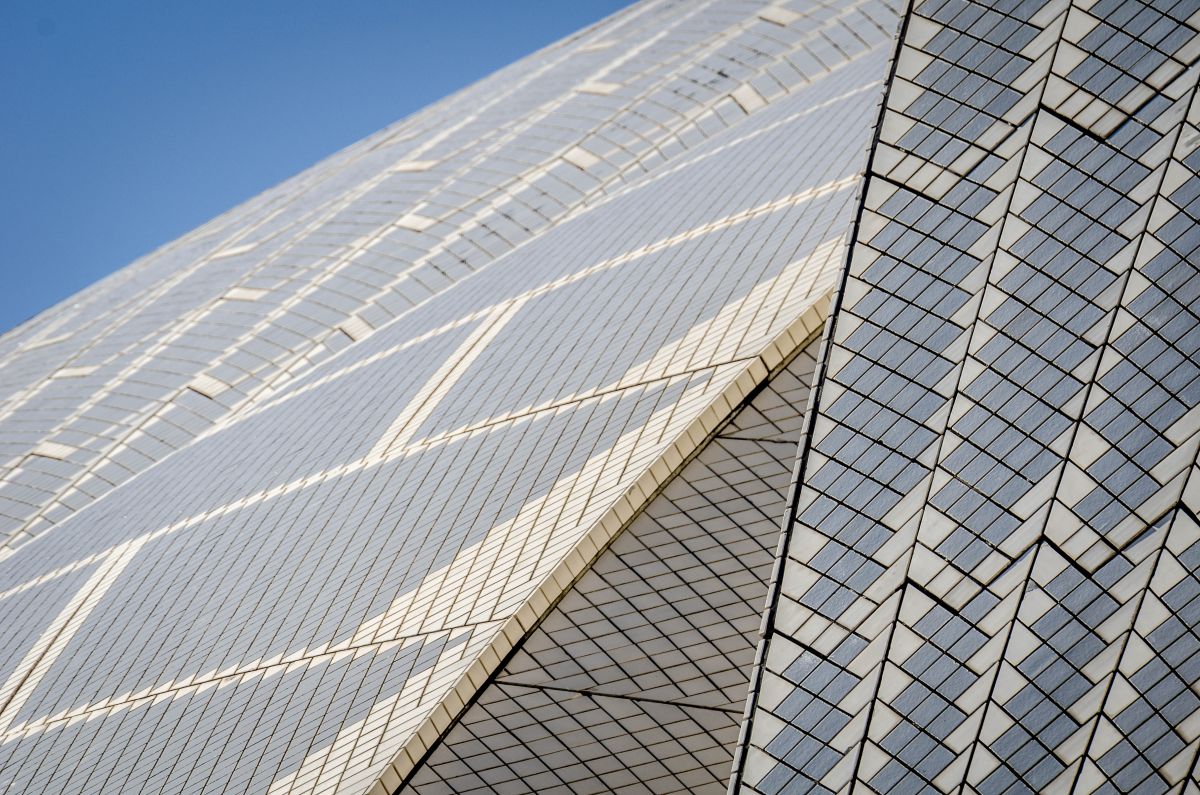
To get the perfect-sized tiles, the builders had to get it from a company named “Hoganas” in Sweden. It took three years of testing to make the perfect clay tile that could handle the salty sea air and the scorching sunrays in Australia. These tiles are special because they are designed to stay clean and strong, even after sitting on the harbor for over fifty years.
The Secret Mixing Of Shiny & Dull
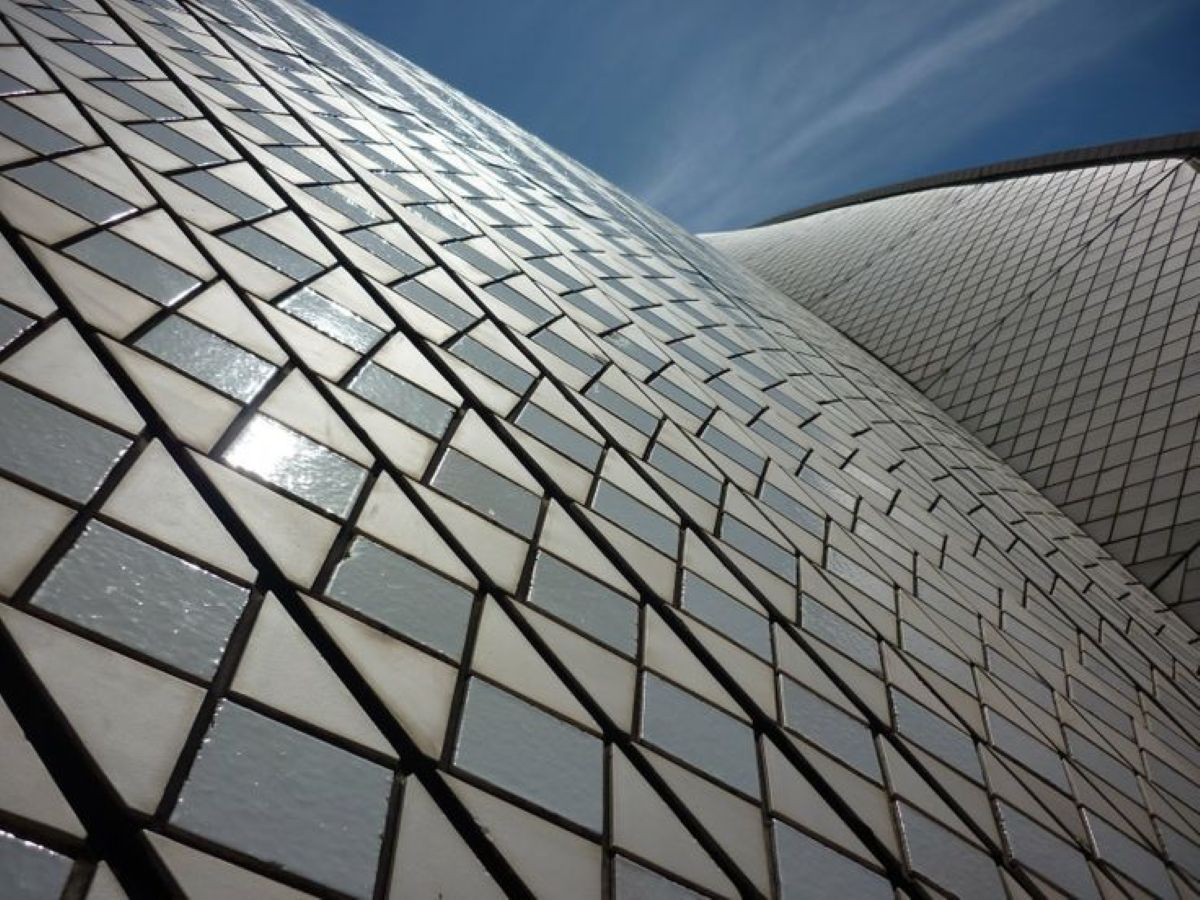
If the roofs were made of mirrors, it would be too bright to look at, but if it were painted in ‘plain color,’ it would look boring. The secret is a mixture of two types of tiles: one is a shiny, glossy white and the other one is a dull, matte cream. The idea of smart mix means that the building doesn’t blind you in the bright noon sun, but it still catches the soft golden light during a beautiful Sydney sunset.
A Roof Like a ‘Giant Puzzle’
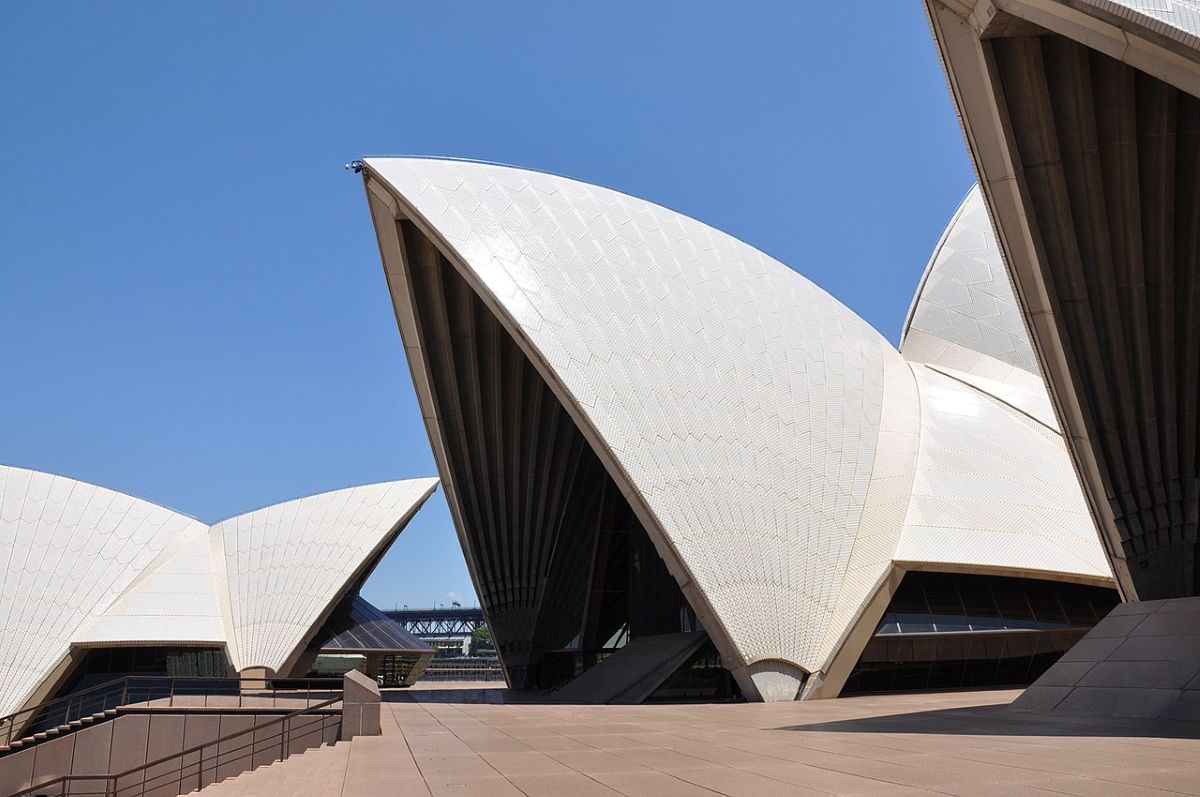
It could have taken a very long time if builders thought of putting million tiles on a curved roof by hand. Instead, they used a clever-trick by deciding to lay the tiles onto large ‘lids’ or panels on the ground first and then lifting those big pieces onto the roof with cranes. This kept all the lines perfectly straight and made sure that the “chevron” pattern looked like a smooth, continuous wave from far away.
A World-Class Masterpiece
As the tiles were built so well, they don't require much cleaning or repairing work today. They are still the most famous part of this world-class landmark and provide a perfect ‘canvas’ for the colorful light shows during festivals like “Vivid Sydney.” If you ever get a chance to visit this architectural masterpiece, observe the tiles closely, you will feel and realize that this giant building is actually a giant work of art made from over a million small pieces.