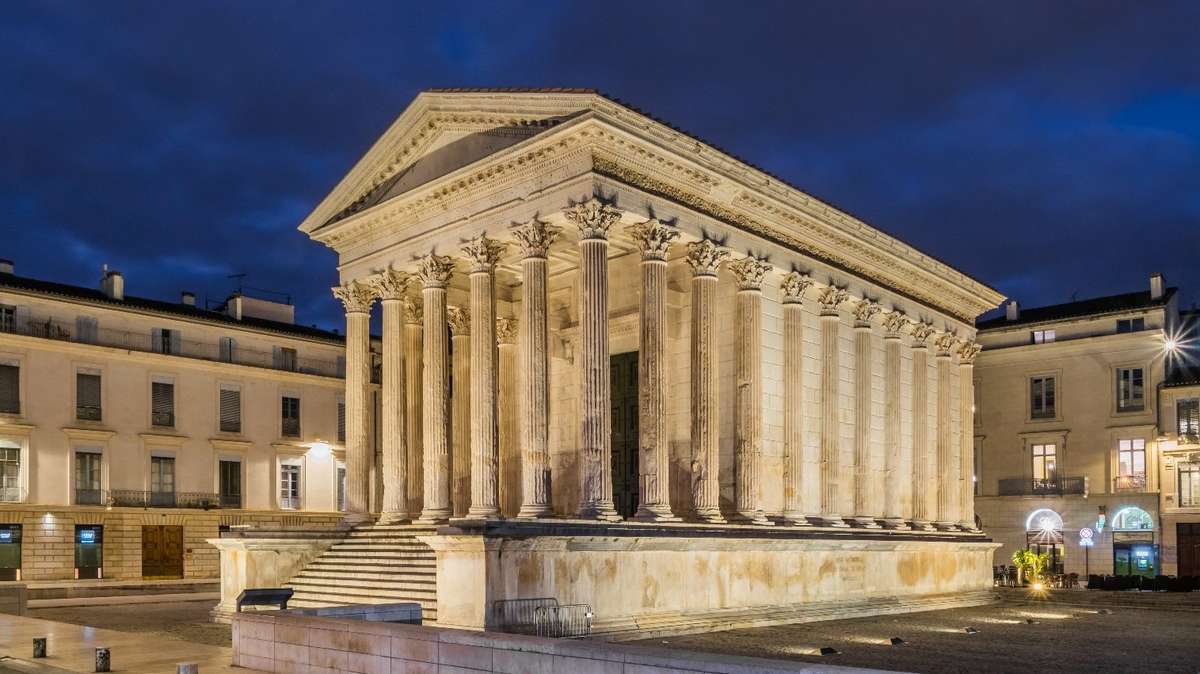
The moment you think of perfectly preserved Roman temples, your mind instantly drifts towards Italy. Immediately, you start imagining the ruins of Pompeii or the ancient streets of Rome. Surprisingly enough, the best-preserved architectural relic of the Roman Empire is actually located in Southern France.
A Temple Stuck In Time
Constructed around 4-7 AD, it was dedicated to Gaius and Lucius Caesar, who were the grandsons and heirs of Augustus, the first Roman Emperor. The word, “Maison,” means “Square House,” a nod to its classic rectangular shape.
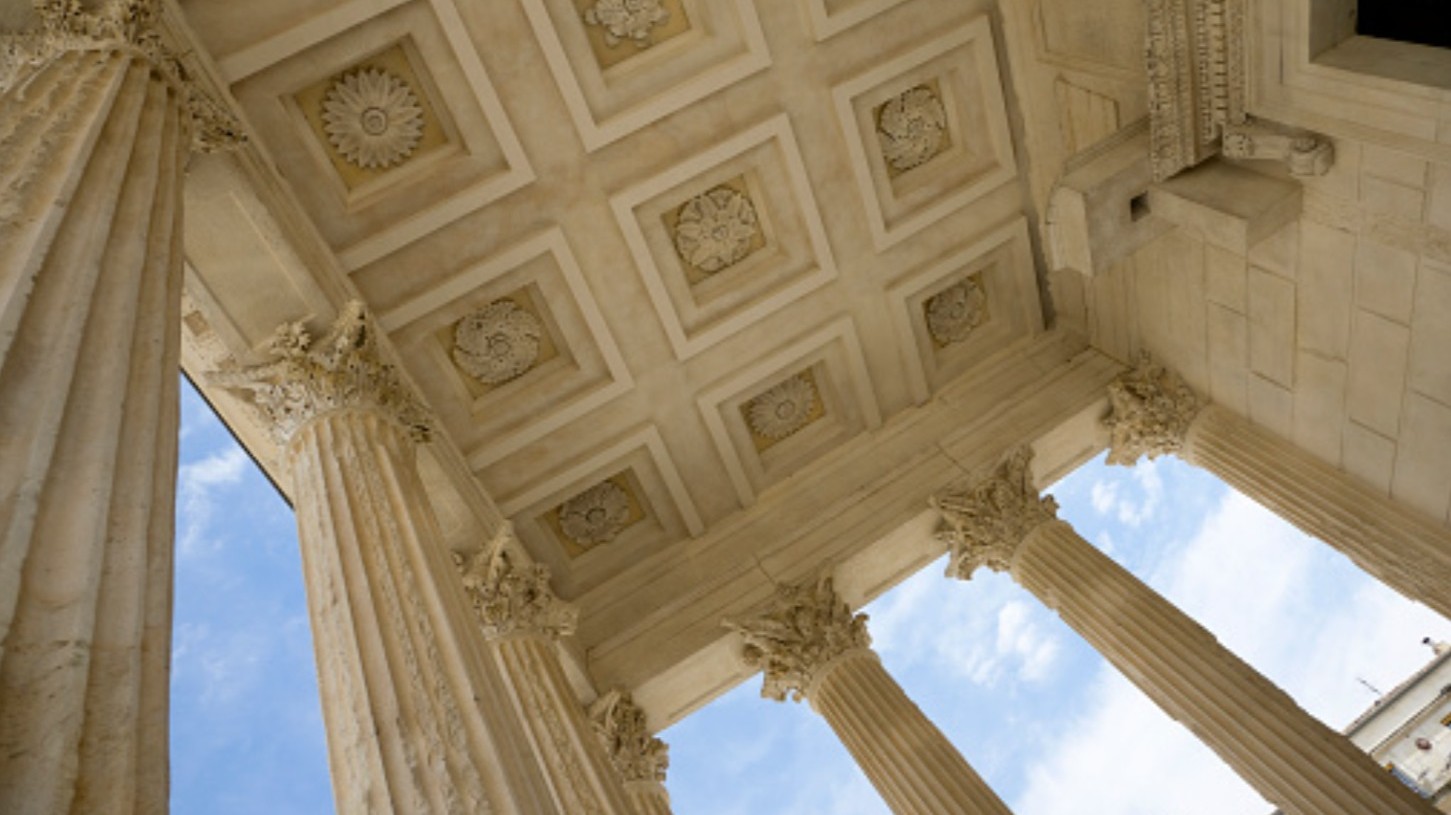
Many of the Roman architectural sites were eventually stripped of their marble or it was used as quarries. However, with Maison Carrée the story is different. It survived because it was constantly adapted and used by the local community to carry out various purposes or hosting events.
As the building remained useful to the local people, the people of Nimes started maintaining its roofs and walls, which inadvertently protected a masterpiece for the modern world.
The Blueprint For Western Architecture
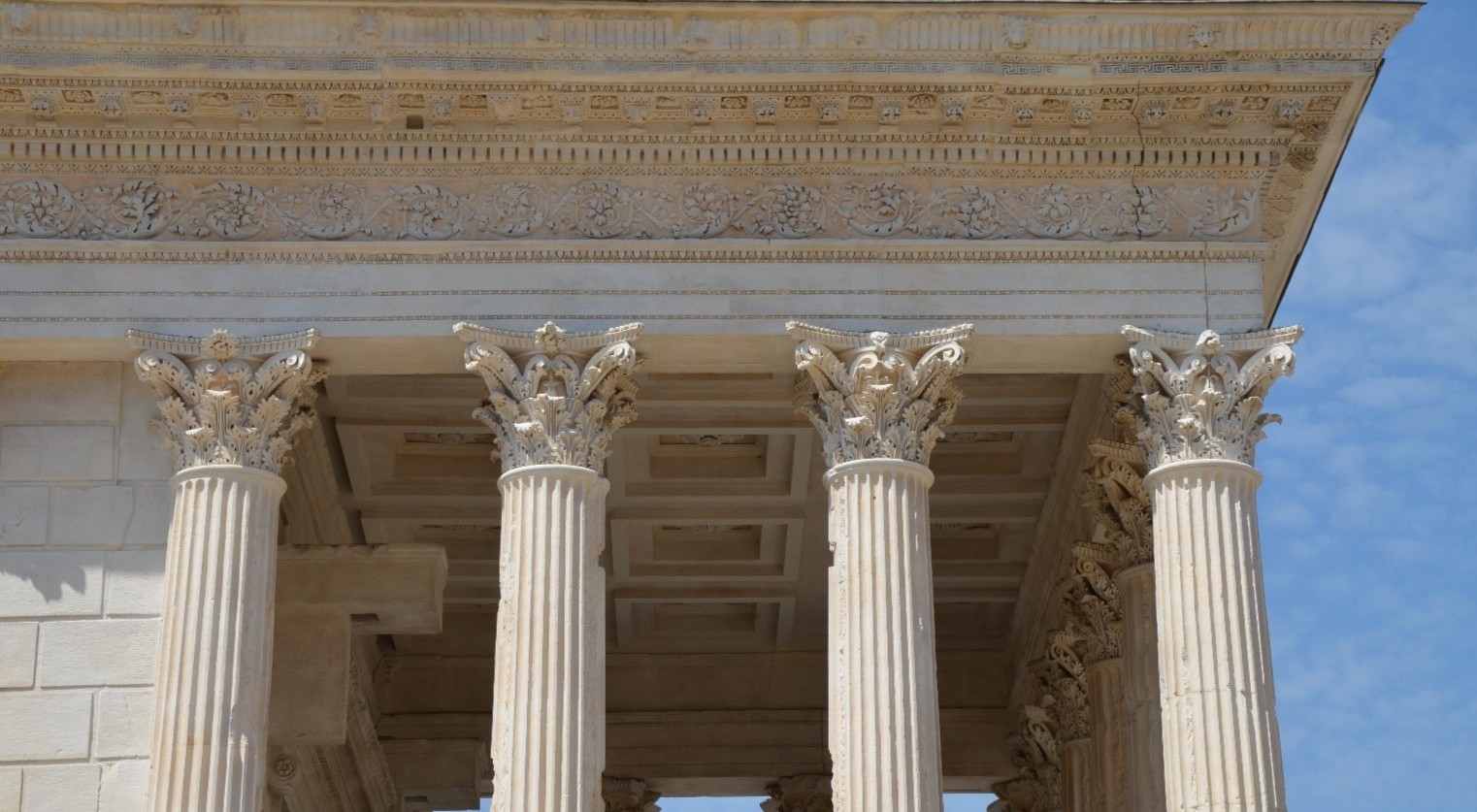
This architecture had influence in building structures that stretched far beyond France. Its unique symmetrical beauty and “Golden Ratio” proportions became the gold standard for Neoclassical architecture. Eventually, it caught the eye of a very famous American personality, Thomas Jefferson.
While he was serving as the Minister to France, he became obsessed with this temple. He called it the most perfect example of Roman cuboid architecture. He was so moved that he used it as a source of inspiration for constructing the Virginia State Capitol.

If you have ever passed by a modern architecture or a grand University library in France, you are most likely witnessing the DNA of this building. Its elegant Corinthian columns have defined the look of Western government power for centuries.
Why Should You Visit Here?
Visiting the Maison Carrée can give you a surreal experience. It sits in a modern limestone plaza surrounded by the energy of a 21st-century city. There is a vast contrast between ancient stone and modern life, which is breathtaking.
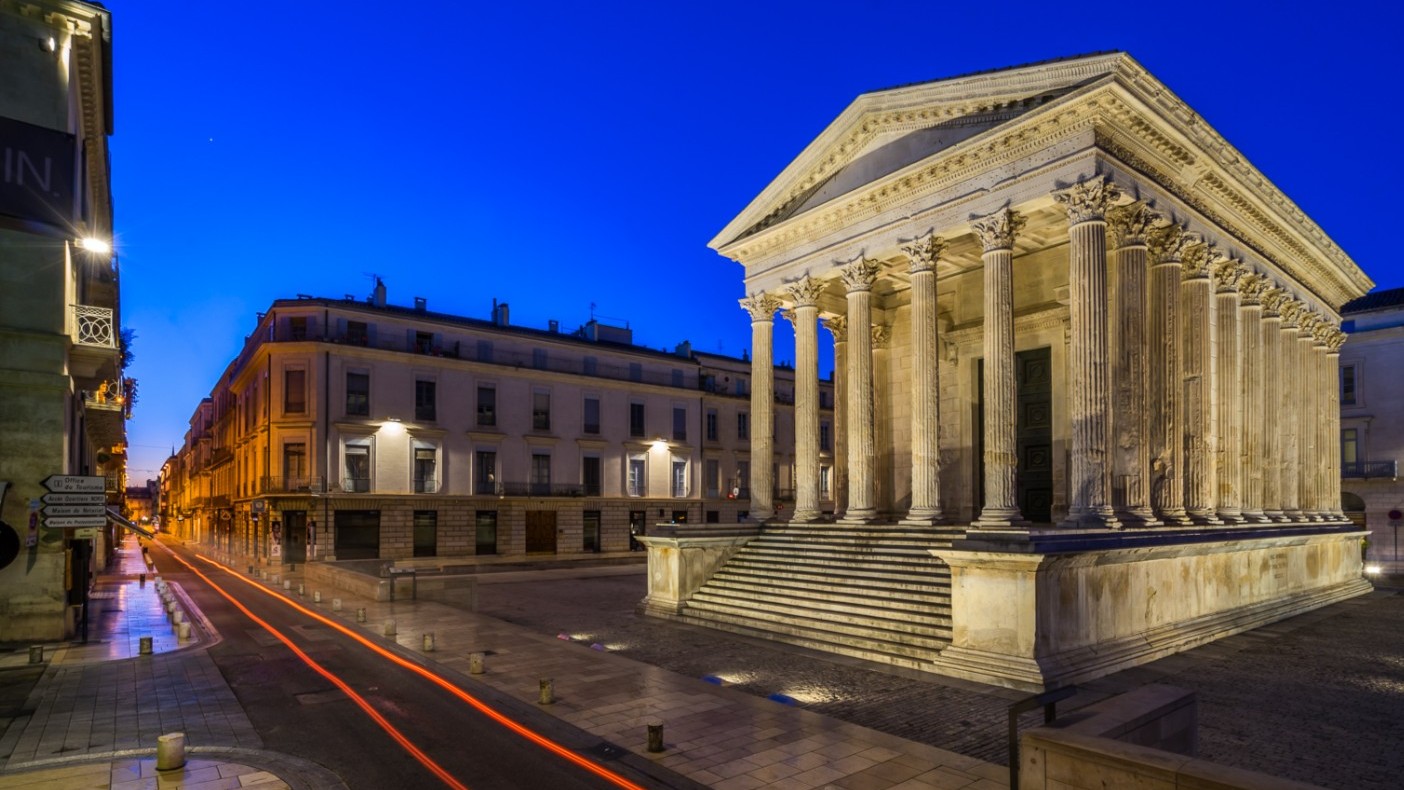
Presently, it is recognised as a UNESCO World Heritage site, the temple is finally receiving global fame. It is a must-stop for anyone who is enthusiastic about history and has a profound love towards historical artefacts, or world-class design. Lastly, the architecture also proves the fact that the greatest treasures are often found at those places where you least expect them.
Comments (0)
Log in to share your thoughts
No comments yet
Be the first to share your thoughts!