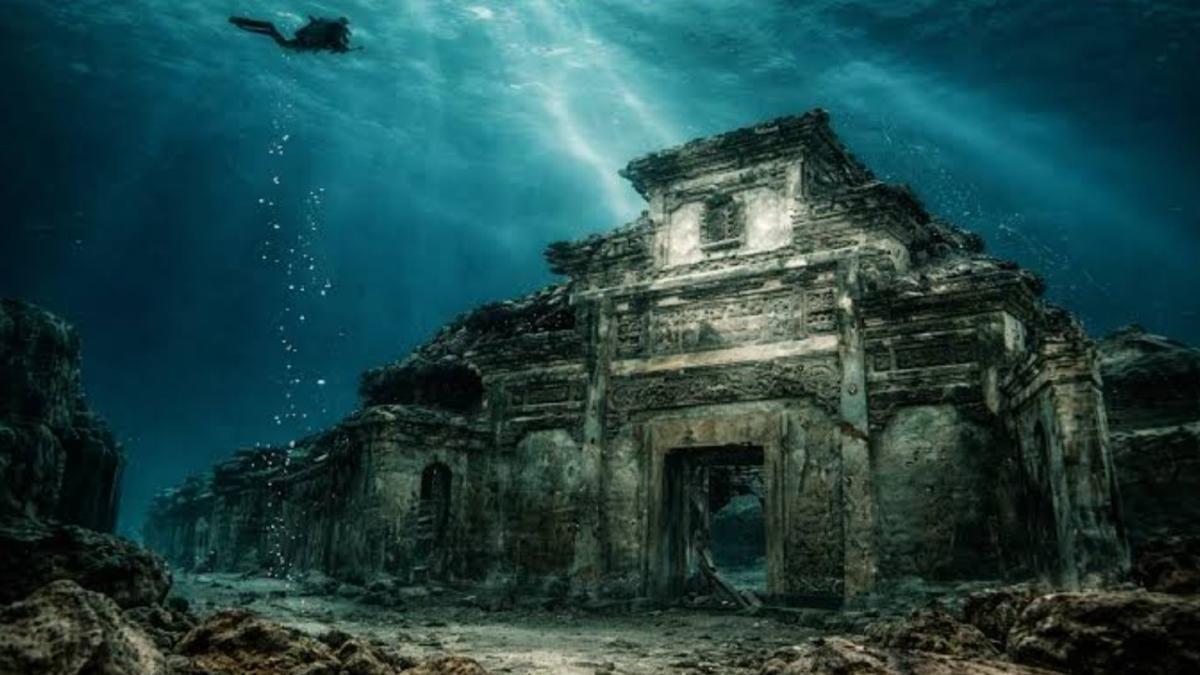
The rediscovery of the sunken city of Thonis-Heracleoin has transformed our understanding of ancient maritime history, proving that what was once considered a myth, was actually Egypt’s most vital Mediterranean gateway.
How Thonis-Heracleoin Was Found?
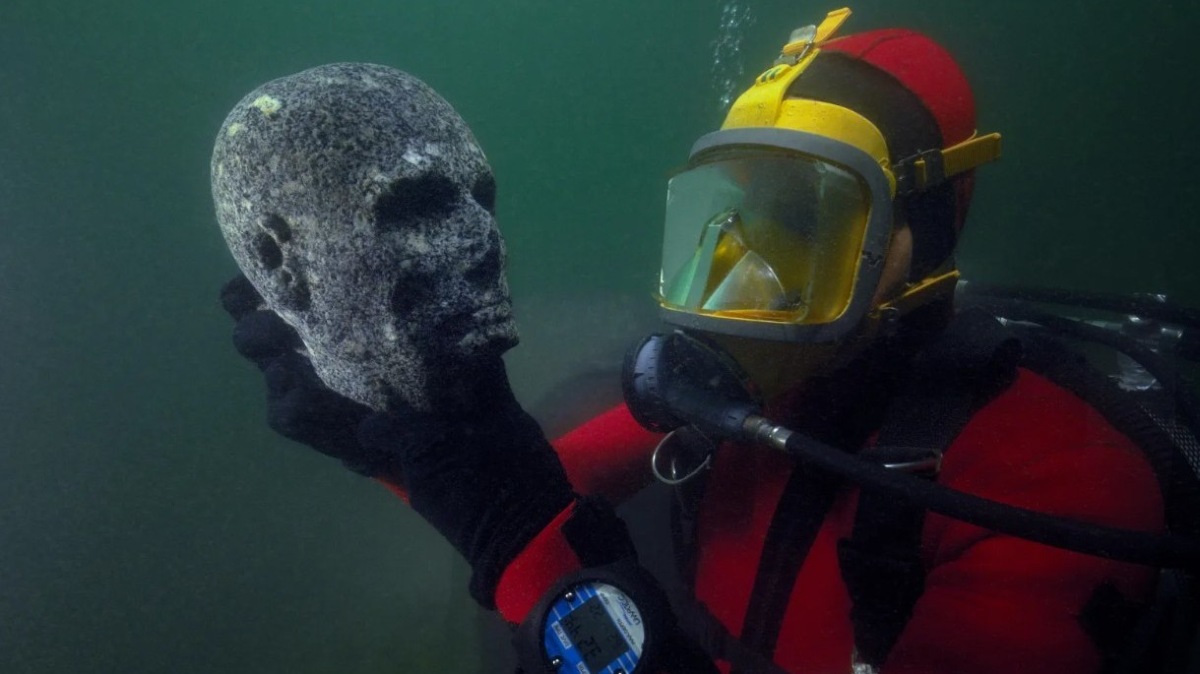
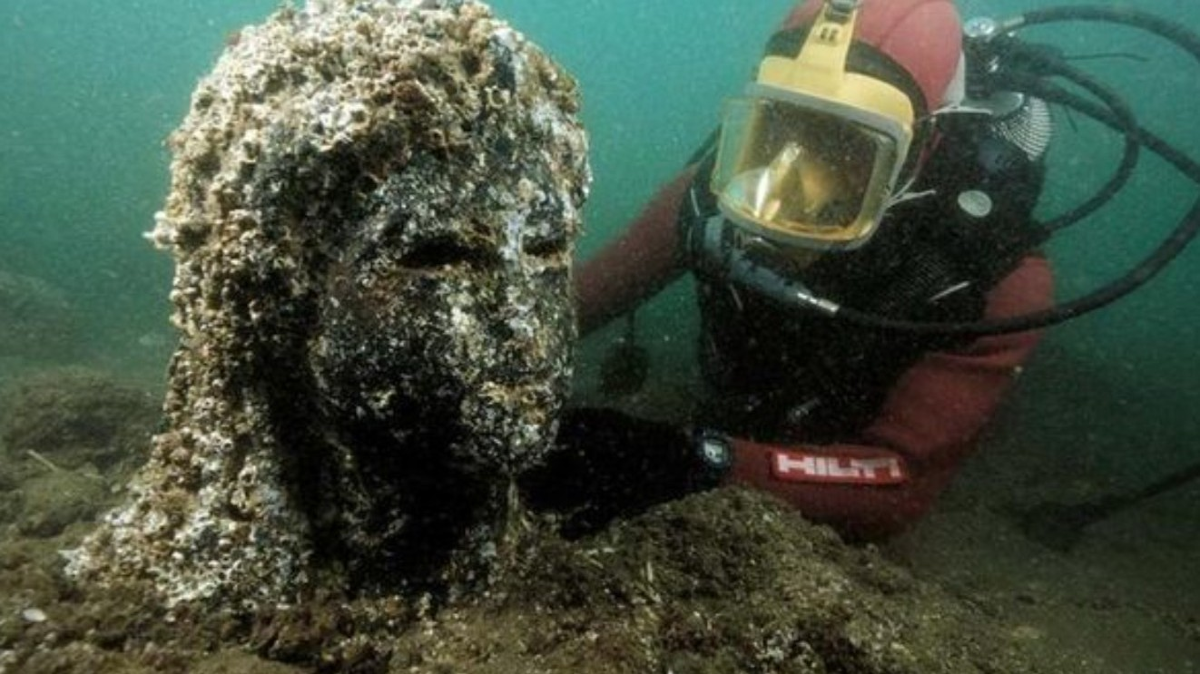
For over a millennium, this bustling metropolis existed only as a legend in the texts of historians like Herodotus and Strabo. Once famous as the primary port of Egypt, it vanished beneath the waves of Abu Qir Bay in the 8th century AD. It remained hidden from the world until 2000, when archaeologist Franck Goddio and the IEASM located the ruins 6.5 kilometres off the coast of Alexandria, bringing the “Egyptian Atlantis” back to light.
Solving Centuries Of Old Historical Riddle
This breakthrough did more than just rediscovering a lost city; it settled a long-standing academic debate. For years, scholars argued whether “Thonis” and “Heracleoin” were two separate locations. However, the discovery of a perfectly preserved black granite stele confirmed that they were the same location, known as Thonis to the Egyptians and as Heracleoin to the Greeks. Before the foundation of Alexandria in 331 BC, this city was the mandatory port of entry for all Greek ships, serving as both a wealthy customs hub and also known as a major religious sanctuary.
Also Read: 5 reasons on why erechtheion is the real masterpiece of acropolis
Sunken Treasures And Recent Discoveries
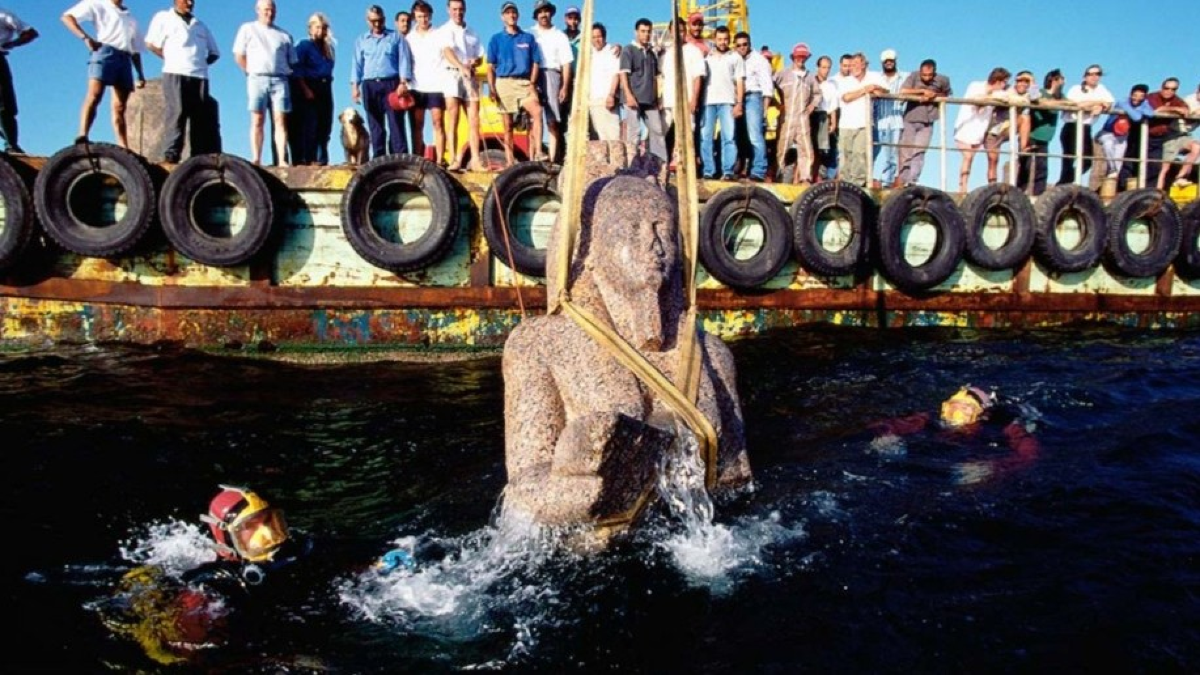
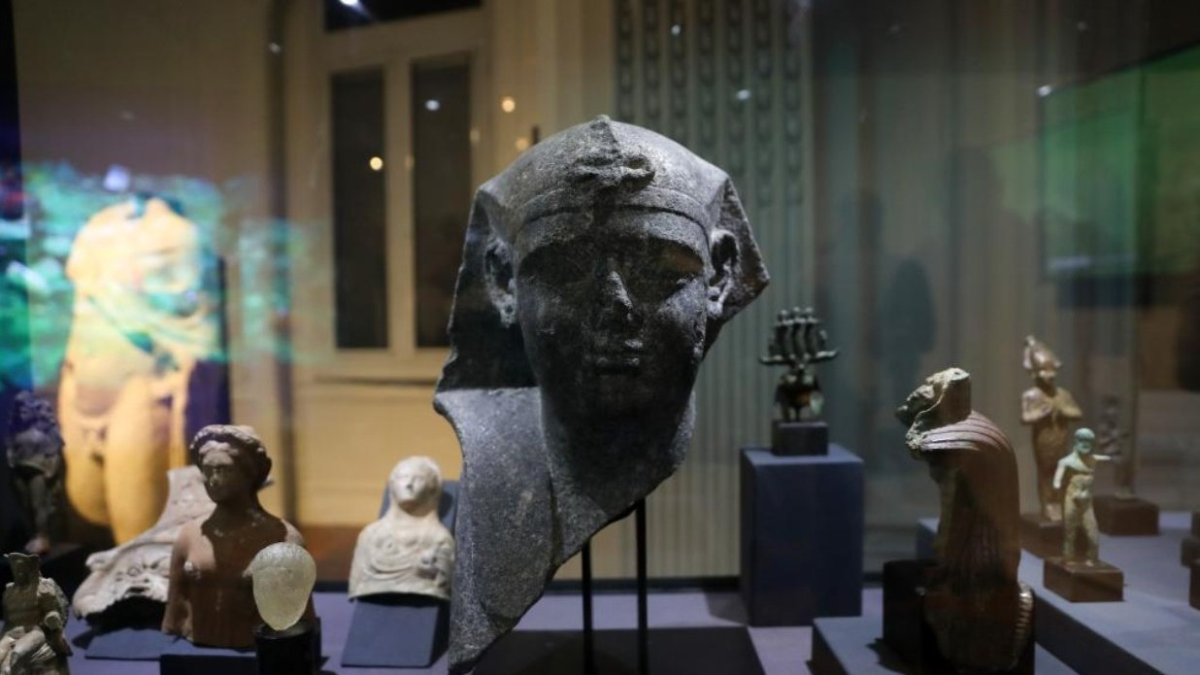
As the city was rapidly buried under layers of protective silt, its artefacts remained frozen in time for 1,200 years. Although only about 5% of the site has been documented, the findings are staggering. Recent excavations have uncovered silver ritual instruments, gold jewellery and even 2,200 year old wicker baskets still filled with fruit. Alongside these delicate items are colossal 16-foot granite statues and the world’s largest ship graveyard, containing over 64 ancient vessels and 700 anchors.
Digital Preservation Of This Ancient History
The continuous work at Thonis-Heracleoin is now entering a high-tech phase. Researchers are using advanced geophysical prospecting and AI to create a “digital twin,” if the city, allowing for virtual exploration without disturbing the fragile seabed. Today, many of these recovered treasures are on display at the Grand Egyptian Museum in Cairo, where they continue to reshape our view of the ancient world.
Comments (0)
Log in to share your thoughts
No comments yet
Be the first to share your thoughts!