In a competitive world, where we run after carbon-neutral materials, AI-integrated infrastructure and hyper-loop transport, the blueprint for the modern metropolis is being re-written by a man who lived around 2,500 years ago.
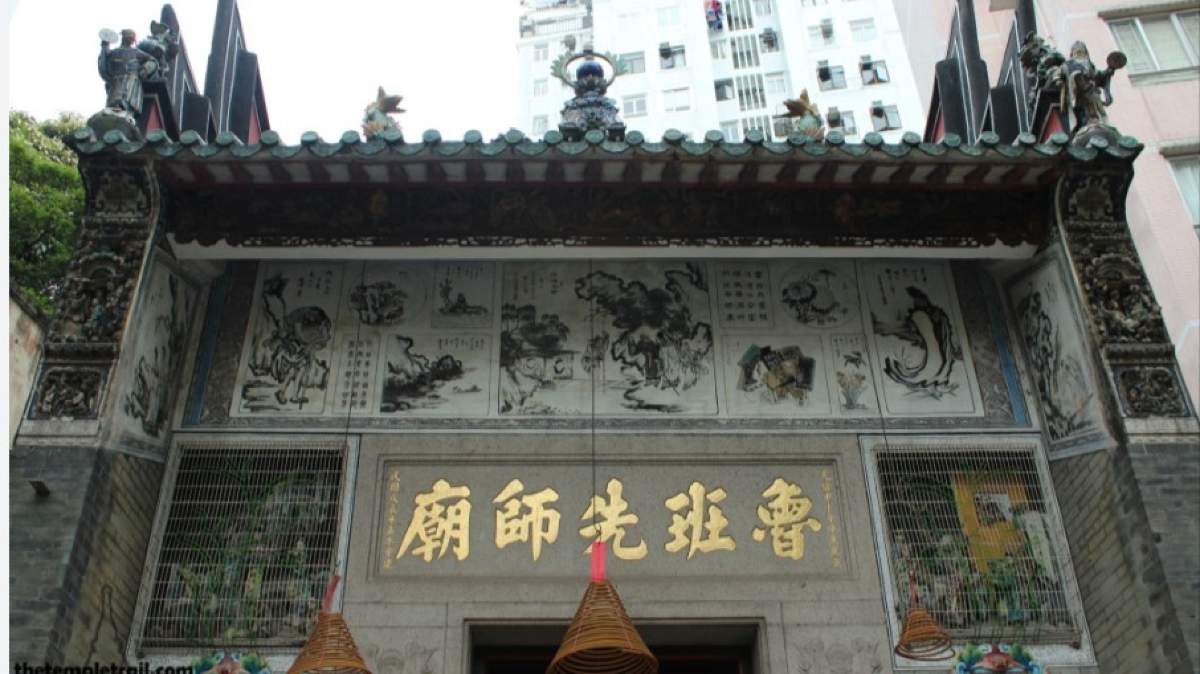
Lo Pan, a legendary patron saint of builders, isn't just a figure who was in the past, his principles of geometry, harmony and precision are often the silent engines driving one of the most sophisticated urban landscapes on Earth.
Let's talk more briefly about how Lo Pan's centuries of wisdom is redefining the modern metropolis.
Who was Lo Pan
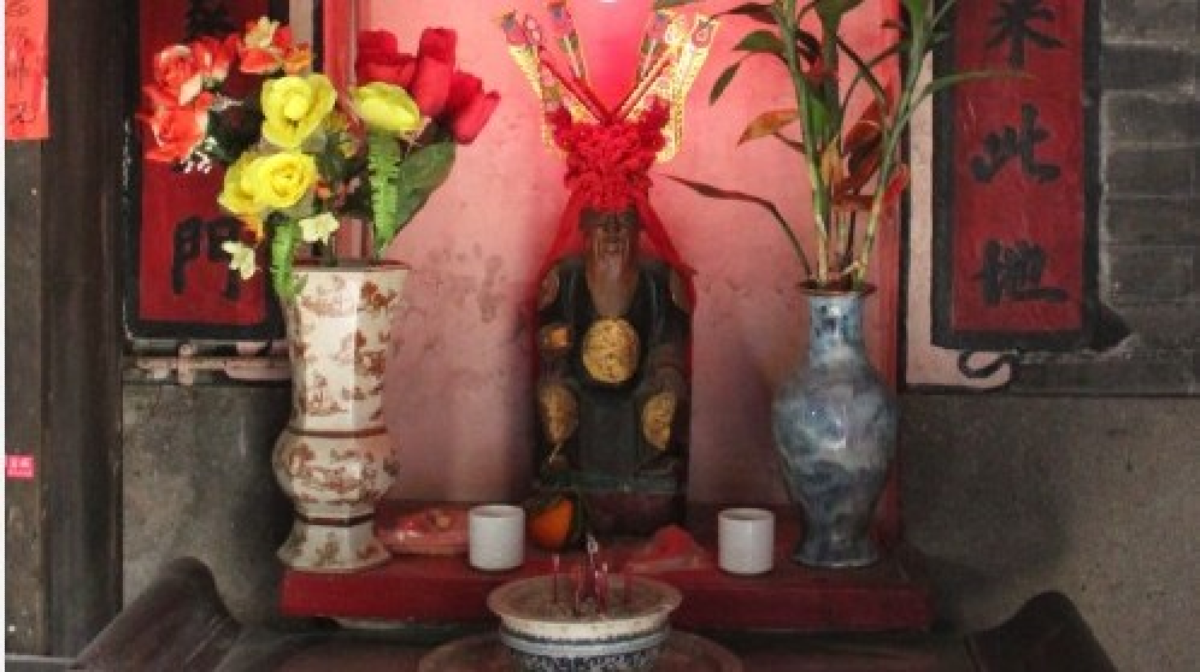
Often known as “God of Builders,” Lo Pan was a master in carpenter and innovations from the Zhou Dynasty, whose influence remains as an invisible backbone of one of the world's most advanced cities.
In Hong Kong, from a smallest apartment to the tallest skyscraper, Lo Pan’s mathematical principles of geometry ensures that the city doesn't just stand, but thrives.
The Lo Pan Toolkit
One can wonder that how come a 2,500 year old philosophy dictate the design of 100 storey of glass tower, so let us discuss the two specific applications used by an architect:
The Mathematical Precision Of The Lo Pan Ruler
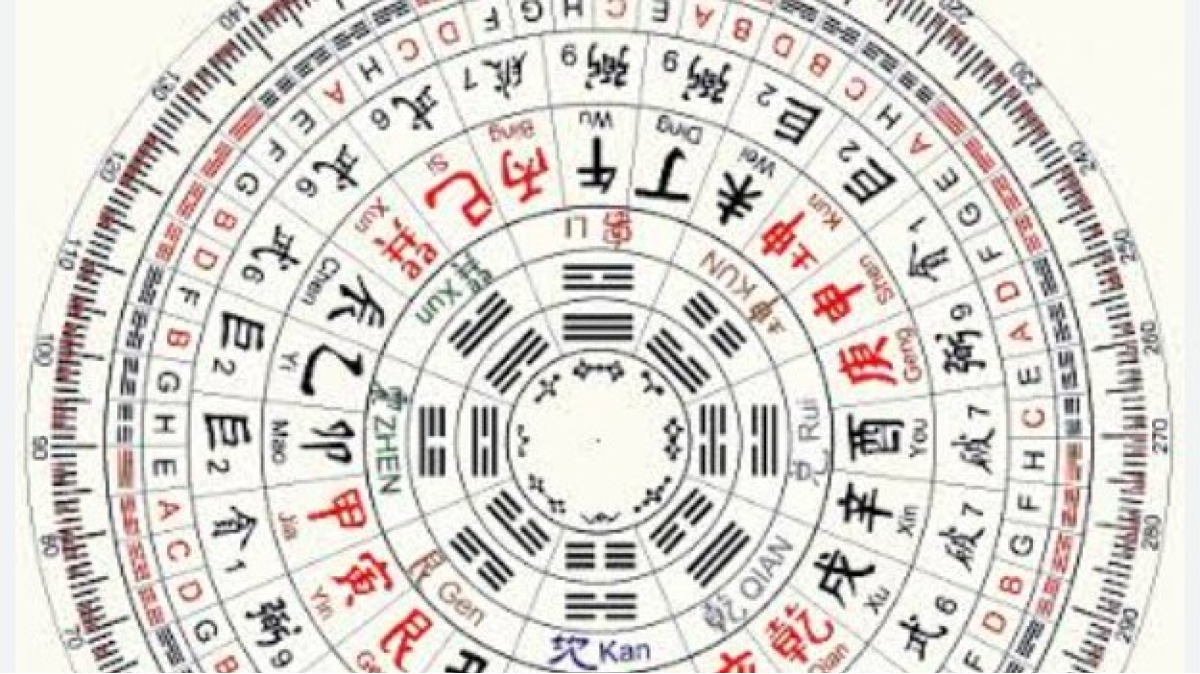
A unique mathematical feature of the Lo Pan is its dual-coordinate system. While modern geometry applies a 360-degree circle, many traditional rings are calibrated to the Chinese solar year, dividing the circle into 365.25 units.
What makes the Lo Pan's philosophy useful in modern day architecture is the way it dictates the internal geometry of a structure. The rings on the compass correlate to the "Five Elements"(wood, fire, earth, metal and water), which the architect it to carefully select the materials and colors for specific sectors of the floor plan.
The “Dragon Gates” And Airflow
The most well known visual of Lo Pan influenced urbanism as the massive hole in the middle of a skyscraper, like the “Repulse Bay Complex.”
Legends say that these holes allow dragons to fly from the mountains and arrive at the sea. The modern metropolis benefits by this because they mitigate the “Urban Heat Island” effect, which allows the wind to pass through buildings of any height, rather than just creating a stagnant air pockets, significantly reducing the city’s overall energy consumption.
The Culture Infrastructure
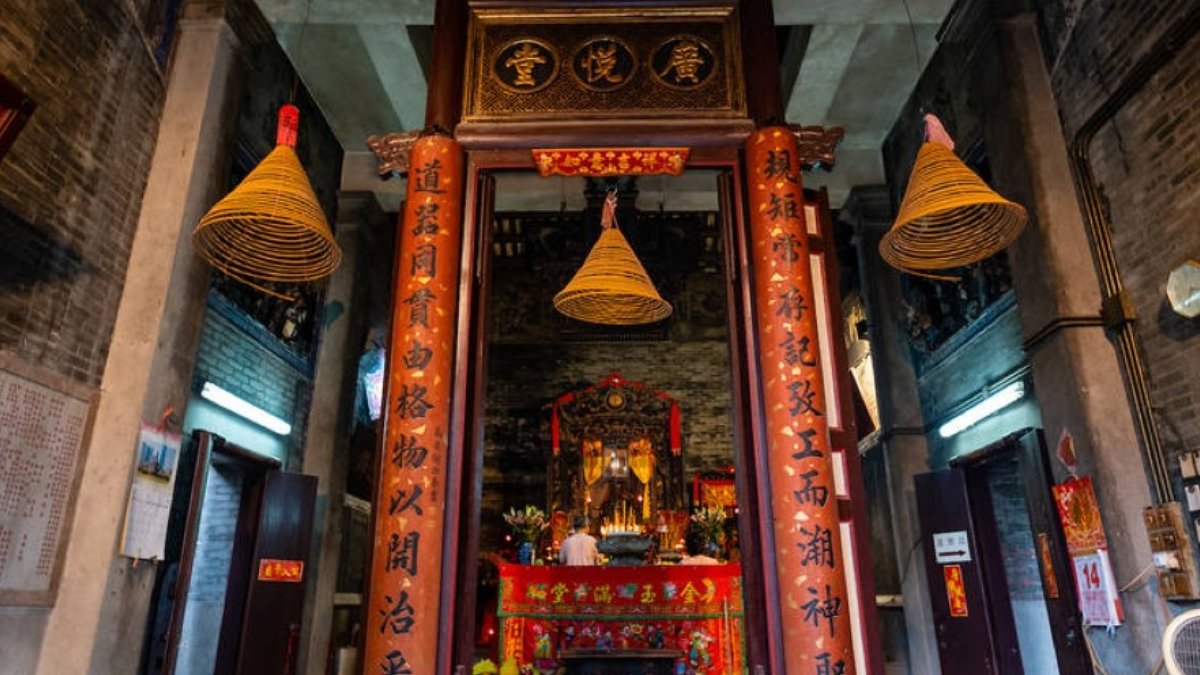
In a modern metropolis, the real strength of the infrastructure is often measured by the quality of its labor and the cohesion of its community. Lo Pan’s legacy in Hong Kong creates a different labor culture, blending spritual mindfulness with industrial safety. This starts with the “Bai Sun”(worship) ceremonies held at construction sites; before a single crane moves, workers as well as developers pay respects to Lo Pan to ensure the site’s safety. This kind of practice does more than just an honor tradition, fostering a high level of cultural mindfulness and collective responsibility, a major factor in managing the high-risk environment of skyscraper construction.
How Lo Pan’s Wisdom Is Helpful For Future Urbanism
Hong Kong proves the fact that a modern metropolis doesn't have to choose between heritage and high-tech. By associating Lo Pan’s techniques, the city is successful in achieving:
Power Of Resilience: Bulidings are designed with natural flow, helpful in surviving the elements more effectively.
Property Value: “Gold Feng Shui”, aligned with Lo Pan’s theory of wisdom, is a massive market driver in Hong Kong real estate.
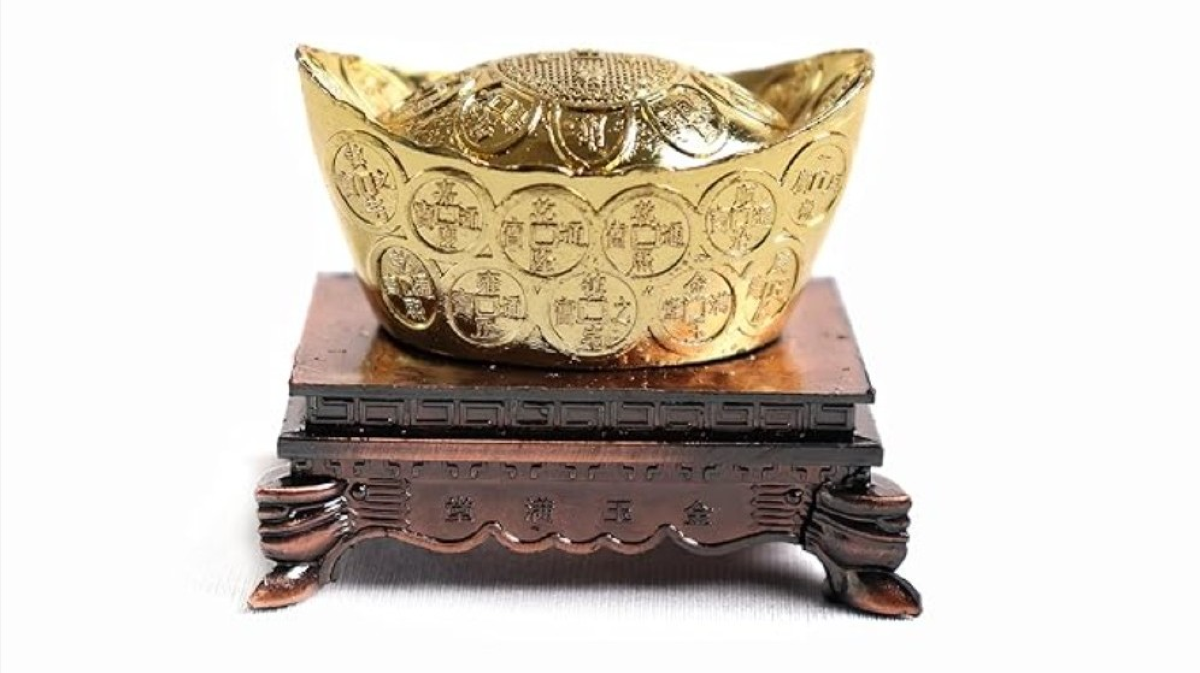
Maintaining Cultural Identity: The city is successful to maintain a distinct cultural identity in an era of generic global architecture.