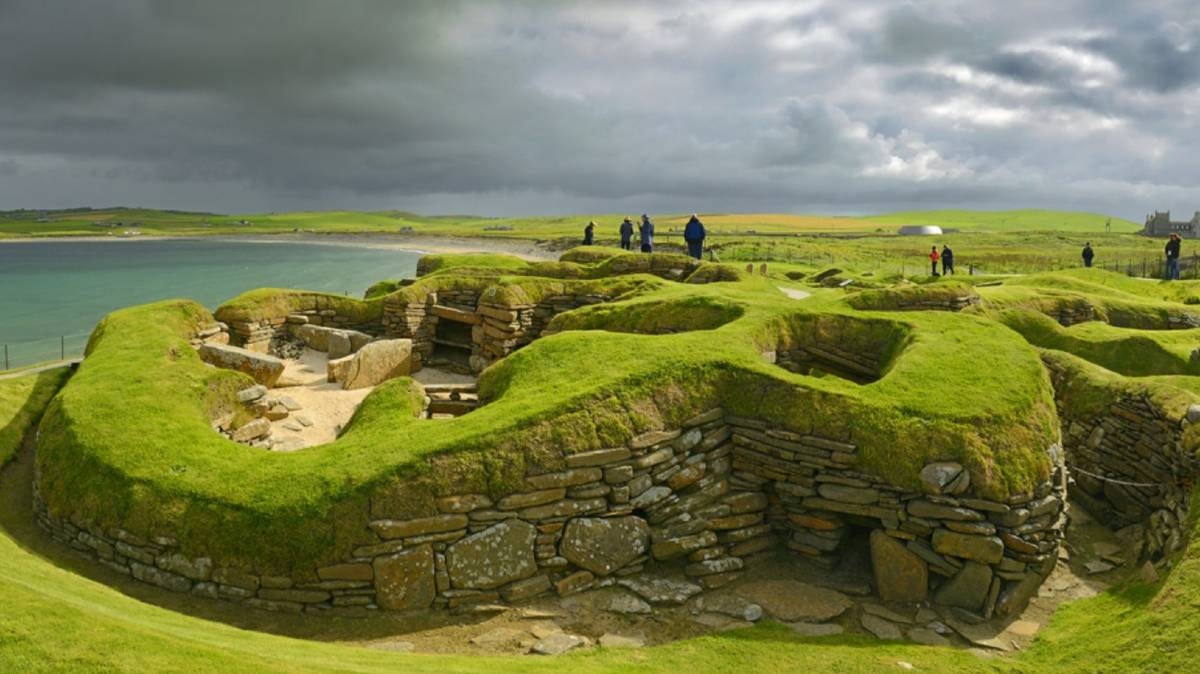
Known as the “Scottish Pompeii,” this Neolithic settlement offers an unparalleled glimpse into ancient domestic life, featuring stone-built houses and collections of furniture that have successfully survived intact for millennia.
Ancient Than Pyramids And Stonehenge
One of the most mind-blowing facts about Skara Brae is its old age. Inhabited between approximately 3180 BC and 2500 BC, it predates both the Great Pyramids of Giza and Stonehenge. While those famous monuments were built either for the dead or for the gods, it was primarily built for the living, providing a rare window into the daily routines of our Neolithic ancestors.
A Village Built Of Stone
The survival of Skara Brae is due to its unique construction and a bit of luck and blessing from nature.
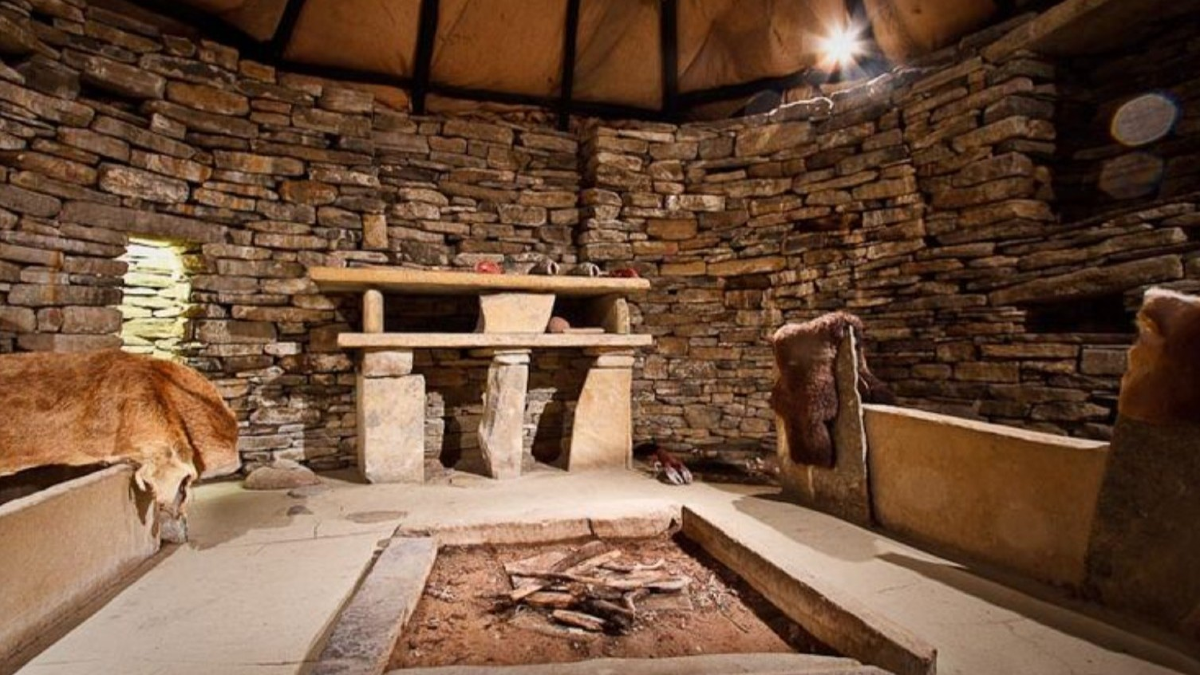
In order to combat Orkney’s harsh and treeless environment, the houses were deliberately built into mounds of “modern,” a mixture of domestic refuse, shells and ash that acted as natural insulation. Due to the scarcity of wood, the villagers decided to craft everything with stone. As a result, every house features a standard layout:
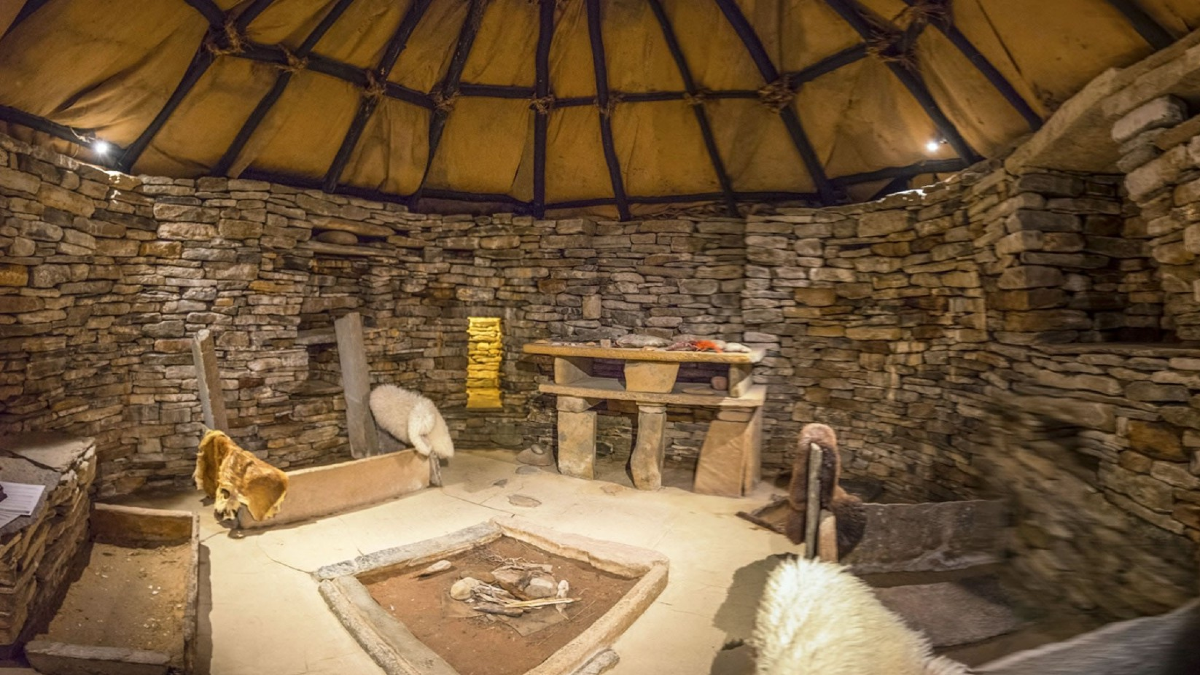
Stone Dresses: These were “fitted” cupboards, placed opposite the entrance and were likely used to display prized possessions.
Box Beds: These were large stone frames that would have been filled with heather or straw to provide comfort.
Central Hearths: Fireplaces were used to provide warmth, light and cooking.
The most remarkable feature of the village was a primitive sewer system with stone-lined drains and “toilets” in each house of the village.
A Peaceful, Egalitarian Society
According to the archaeological findings, there was a close-knit peaceful community.
Excavations have uncovered tools, pottery and jewelry, such as beads and pendants, but couldn't find any weapons of war. Also, almost all the houses that were discovered were identical in size and design, suggesting a society where no single person held significantly more power or wealth than others.
It was also discovered that the houses were interconnected; allowing the residents to visit one another while staying protected.
Why was It Abandoned?
Around 2500 BC, the village was finally deserted. While early theories suggested a “standstorm apocalypse,” forcing a sudden flight, modern researchers believe that the abandonment was more gradual. Factors likely includes:
Climate Change: A shift towards colder, wetter weather made life on the coast increasingly difficult.
Coastal Erosion: The sea, which was much further away when the village was built, started to encroach closer.
Social Shifts: Changes in agricultural needs or social structure might have led families to move to individual farmsteads.
The Dramatic Discovery
For nearly thousands of years, Skara Brae lay hidden under the sand dunes, known only as a mound called “Skerrbra.” During the year of 1850, a massive storm hit the coast, stripping away the grass and sand, revealing the stone walls of the village. Shortly after this incident, a local laird, William Watt started excavating the site, continued by archaeologist V. Gordon Childe in the 1920s and helped to define its global significance.
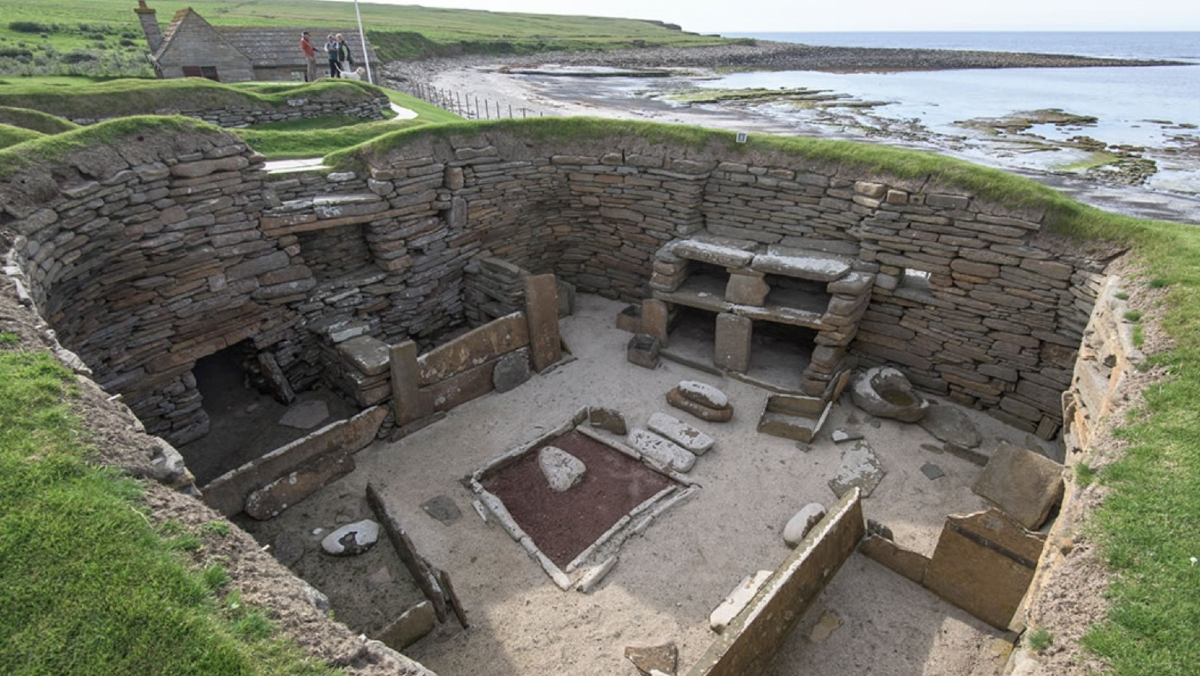
Planning Your Visit To The Heart Of Neolithic Orkney
Recently, Skara Brae is a UNESCO World Heritage Site and considered as one of Scotland's most visited historical attractions. Visitors can walk the ancient paths and view a replica house that brings the Neolithic experience to life.
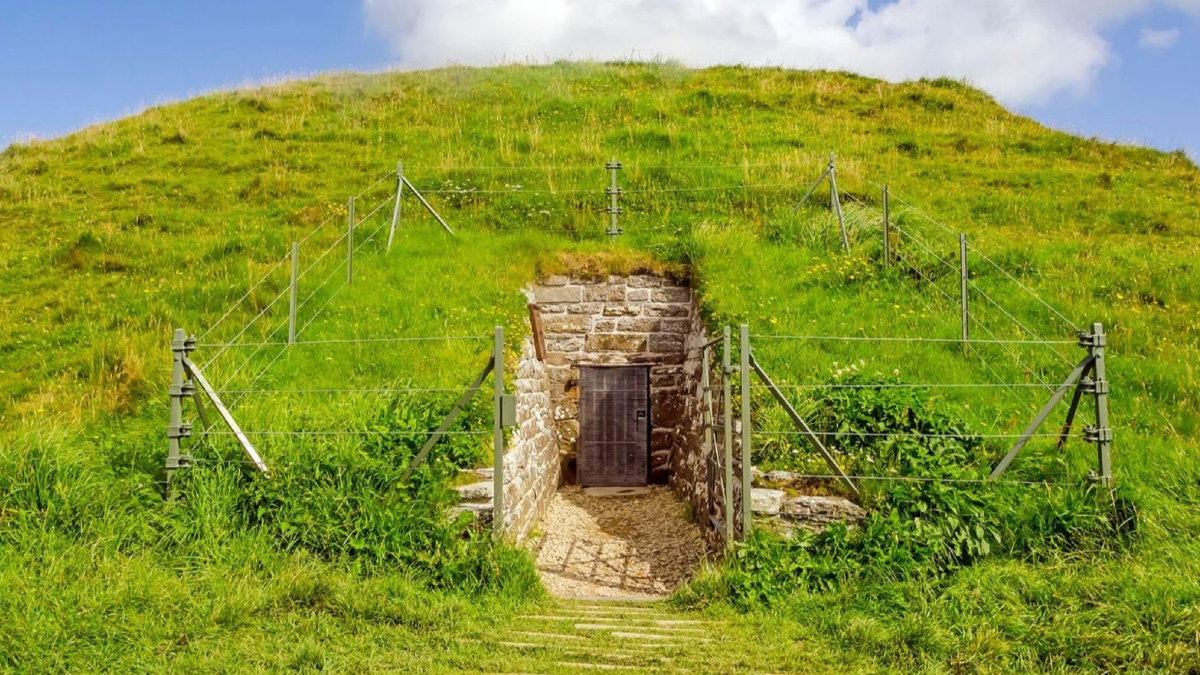
It is located at Orkney Islands and managed by Historic Environment Scotland. The nearby attractions are the Ring of Brodgar, the Stones of Stenness and Maeshowe. One can definitely try visiting these attractions, offering a glimpse of the ancient life that once existed.
Comments (0)
Log in to share your thoughts
No comments yet
Be the first to share your thoughts!