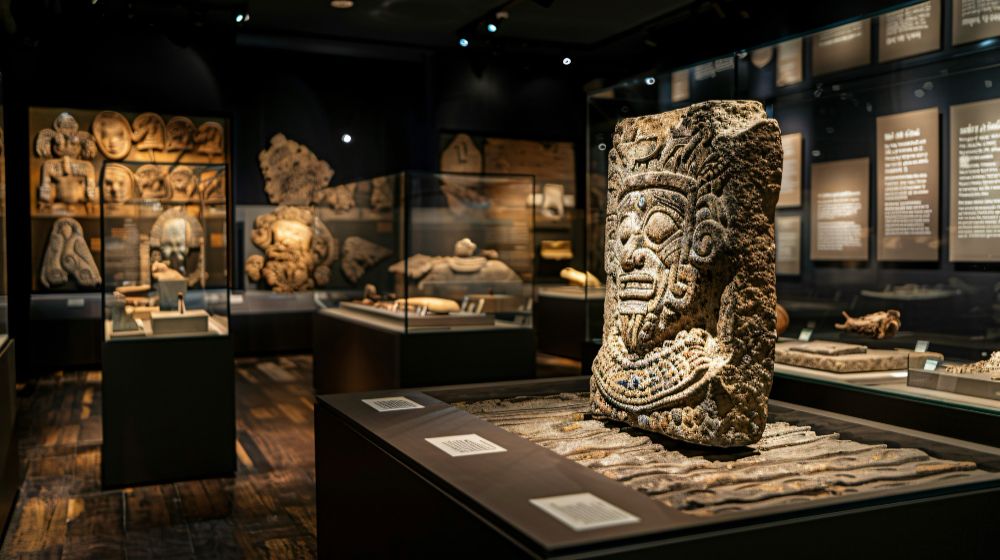
The world's most prestigious galleries are currently undergoing a quiet but profound revolution. For decades, it was common to gain knowledge with the presence of the ancient sculptures from Africa, Southeast Asia,etc. in Western museums. But in the modern times, the narrative has changed altogether, the return of the looted sculptures, often called “repatriation,” is no longer just a legal debate going on; it's a moral imperative reshaping the global art market in 2026.
Real Examples Of Repatriation
The last few years have been a significant witness to the unprecedented action from the major institutions worldwide. The real examples of repatriations around the world are discussed:
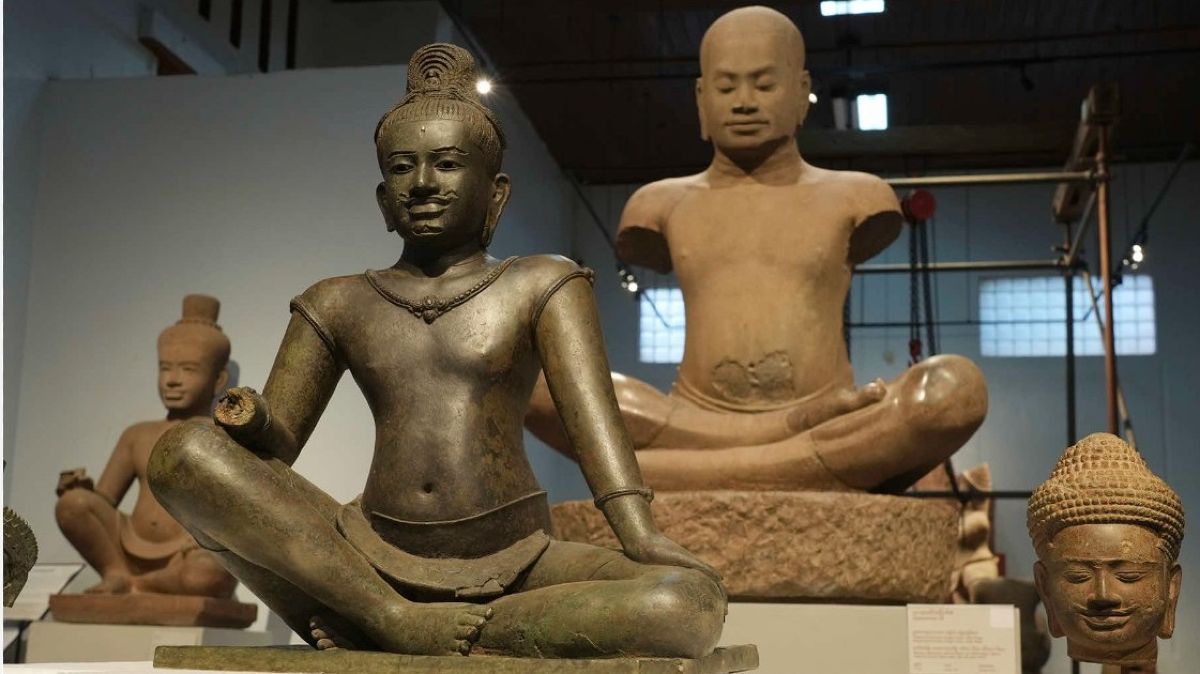
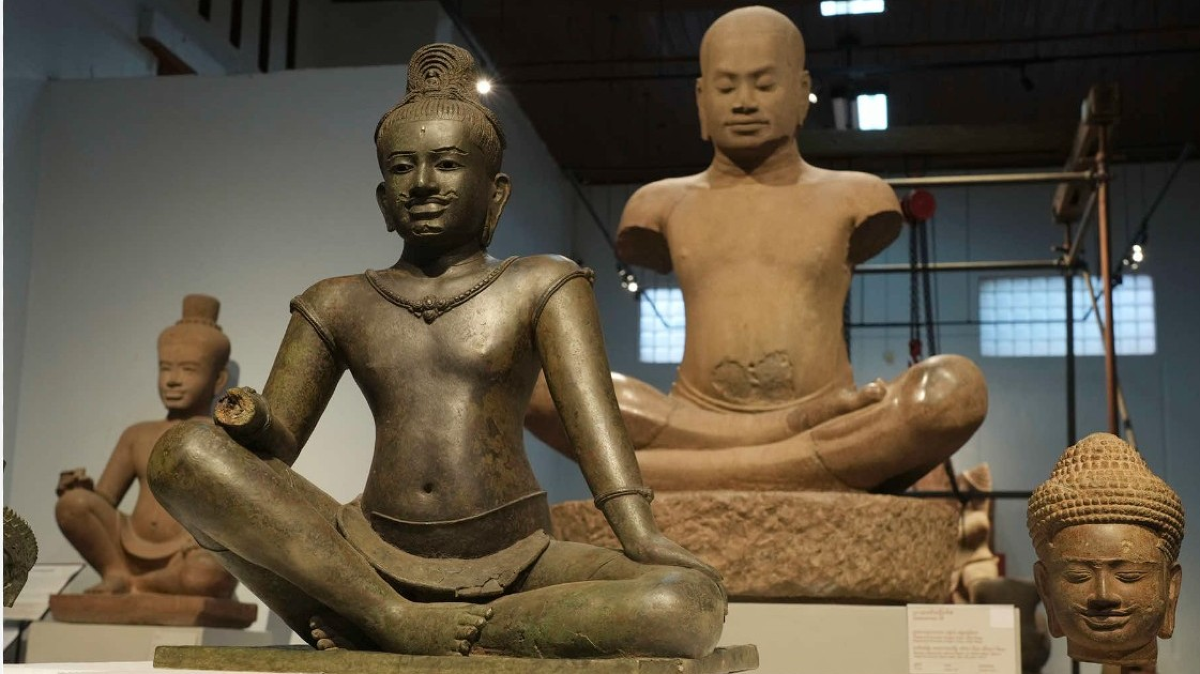
• Cambodia’s “Stolen Souls” Return: In late 2025, the Smithsonian’s National Museum of Asian Art returned the three significant Khmer sculptures to Cambodia. These pieces, including a 10th century head of “Harihara” and a statue of the goddess “Uma,” were stolen during the country's struggle of civil war. As of February 2026, the United Kingdom is in the process of repatriating for at least 70 additional Khmer masterpieces, a move that the Cambodian Ministry of Culture described as “healing the wounds of the past.”
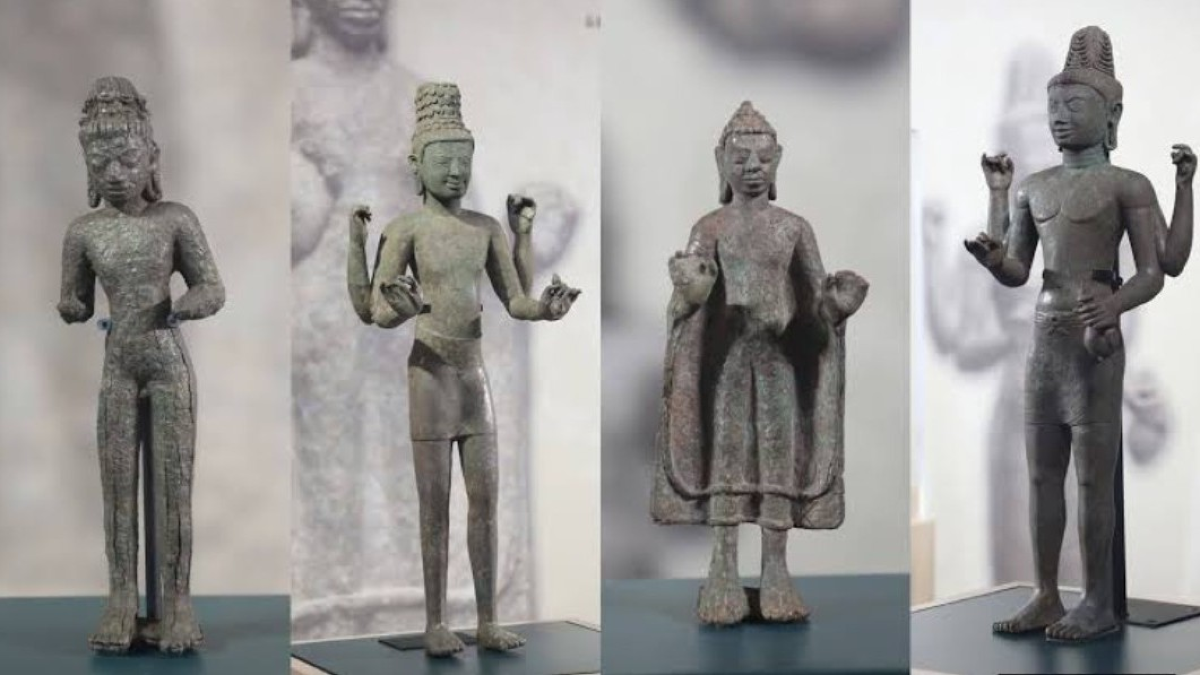
• Thailand’s Bronze Treasures: In December 2025, the Asian Art Museum of San Francisco, formally returned four ancient bronze sculptures to Thailand. These artifacts, dating back to the 7th and 9th centuries, were a part of the famous “Prakhon Chai hoard” looted in the 1960s. The return of these artefacts to their original place follows a multi-year investigation by U.S. Homeland Security and Thai researchers.
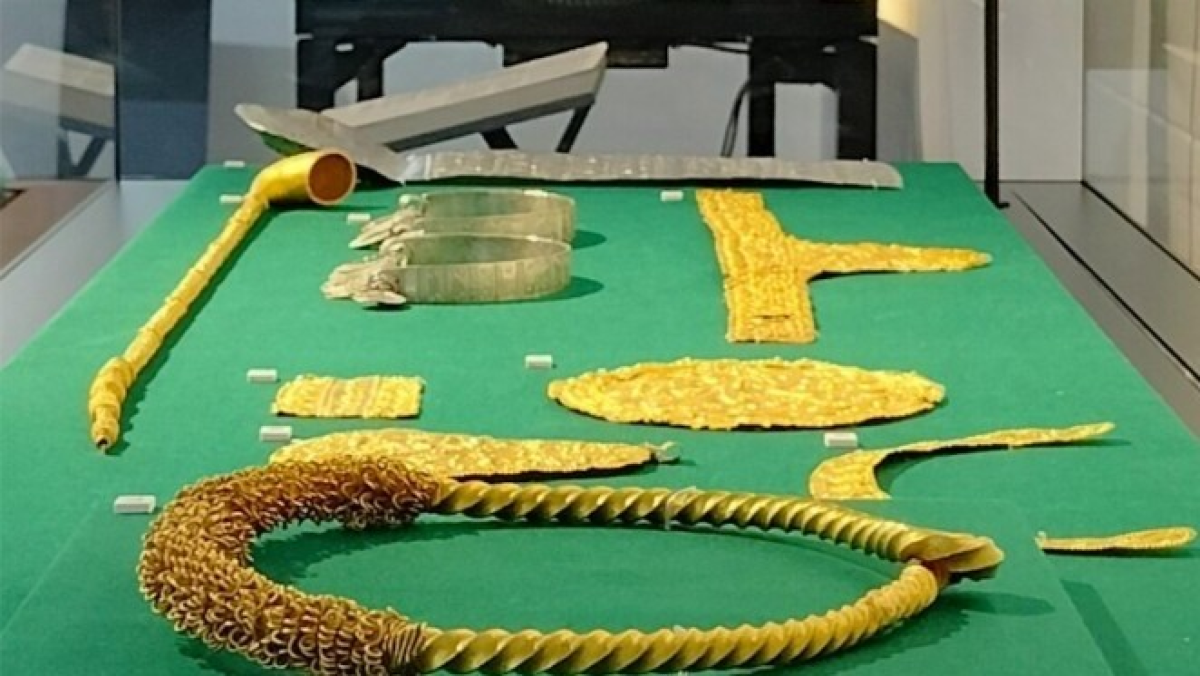
• Ghana’s Royal Regalia: In November 2025, around 130 gold and bronze artefacts were returned to the Asantehene (the King of the Asante) in Ghana. These items included “ceremonial drums” and “royal gold weights,” which were looted by British forces during the Anglo-Asante wars of the 1870s. This repatriation involved a mix of permanent returns and long term loans from the UK and South Africa.
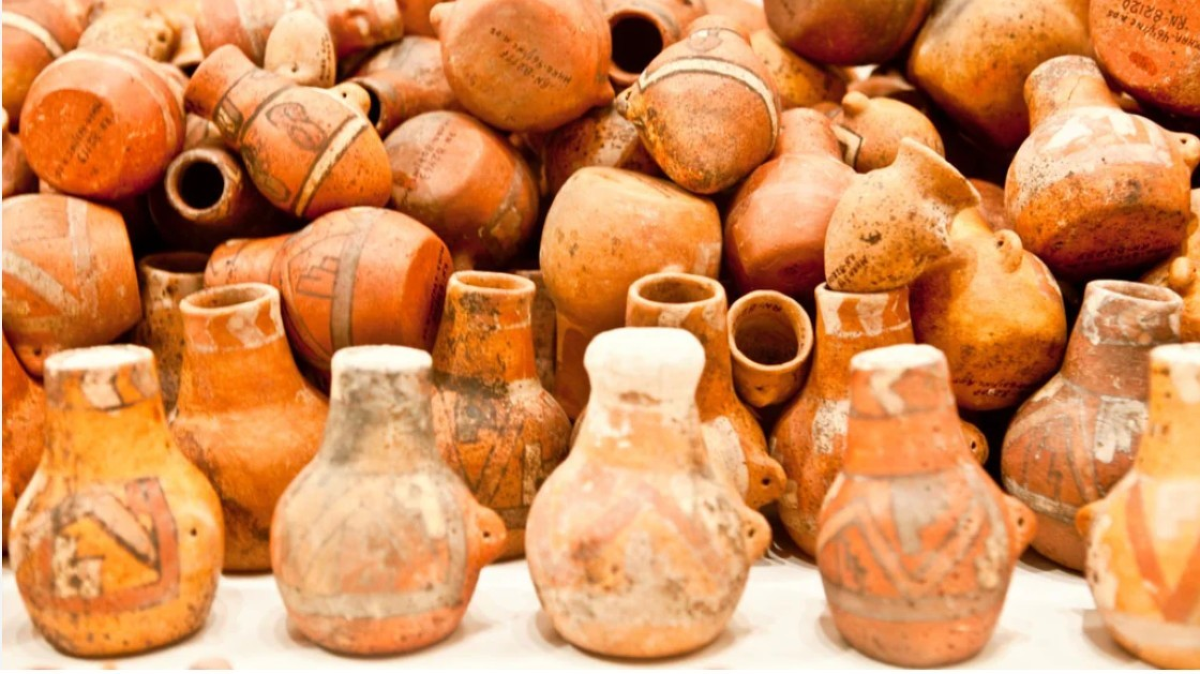
• Peru’s Ancestral Ceramics: In July 2025, the government of Chile repatriated 19 archaeological objects to Peru. These included ceramics and textiles from the Chanchay and Wari cultures, some dating back as far as 600 AD. The artifacts had been illegally excavated and sold through online platforms before being intercepted by authorities.
The Ethical Argument And “Historical Healing”
At the heart of the debate is the concept of “provenance,” the documented history of an object's ownership. Modern investigative techniques as well as the digital archives have revealed a darker reality. Many masterpieces were taken during the colonial wars or through illicit trafficking networks fueled by poverty and conflict.
By returning the sculptures and other architectural artefacts, institutions participate in the historical healing process. This allows the source countries to reclaim their back their historical treasures. For instance, the return of the “Moai Tau” , a sacred basalt statue, from the Chilean mainland to Eastern Island (Rapa Nui), has been celebrated as a vital step in spiritual restoration for the local indigenous community.
Challenges And The New Collaboration Model
Despite having the moral clarity, the process is not that simple as it seems. Some institutions are restricted by national laws that prevent from permanently deaccessioning items. This has led to the rise of the “Collaboration and Loan Model.”
In this 2026 landscape, we see more “title transfers” where ownership is legally returned to the country of origin, but the physical object remains on long-term loan at the museum. This allows for global accessibility while acknowledging the rightful ownership of the artefacts. One of the notable examples is of the 13 Khmer artworks whose ownership was transferred to Cambodia by the Asian Art Museum in 2025, but which remained in San Francisco under a two year loan agreement for better education of the public.