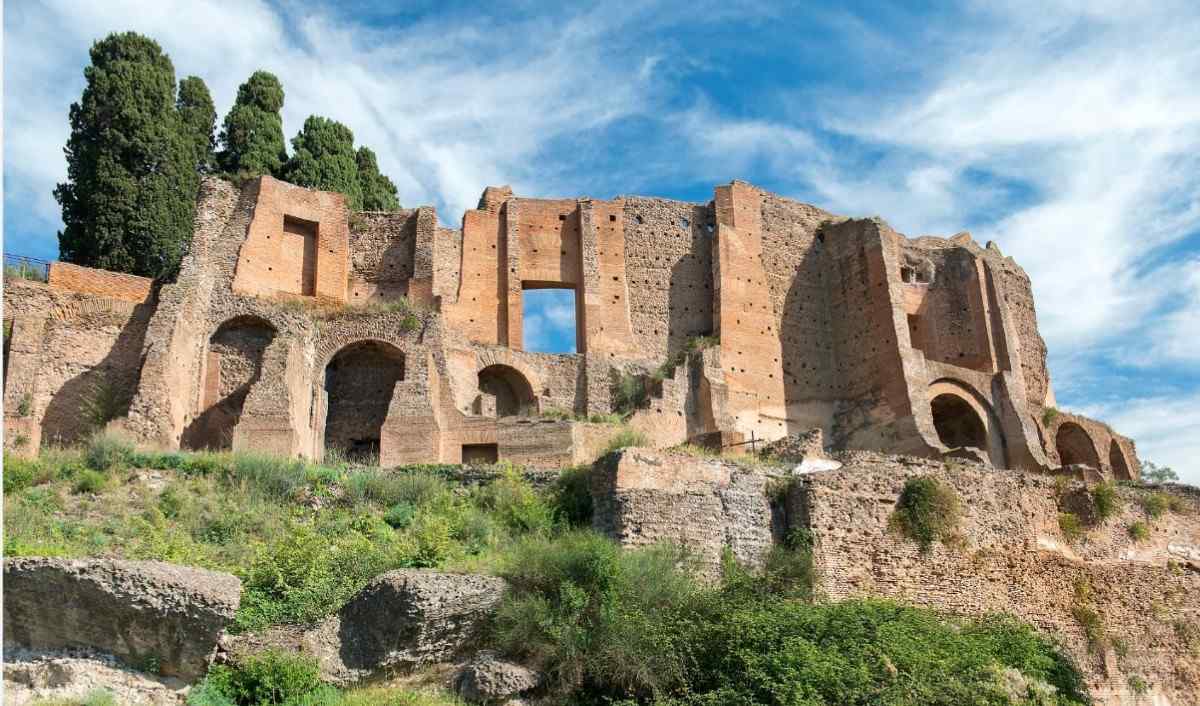
If you want to see where Rome actually started, skip the crowds at the Colosseum for a moment and climb up to Palatine Hill. It's the center of the city's famous seven hills and the spot where a small group of shepherds built the village that eventually ruled the world.
The Legend Of The Twins
According to Roman mythology, Palatine Hill is the site of the Lupercal cave, where the twin brothers Romulus and Remus were discovered and raised by a she-wolf.
Traditionally, it is believed that Rome’s founding date is around 753 BC. Several Archaeological evidences have confirmed that Iron Age huts existed here as far back as 1000 BC, supporting the legend of the “Hut of Romulus.”
Popular legends suggest that Romulus killed his own brother Remus after a dispute happened between them over where to build the new city, choosing the Palatine for its strategic and defensible height.
Also Read: 5 Reasons On Why Erechtheion Is The Real Masterpiece Of Acropolis!
From Humble Huts To Imperial Palaces
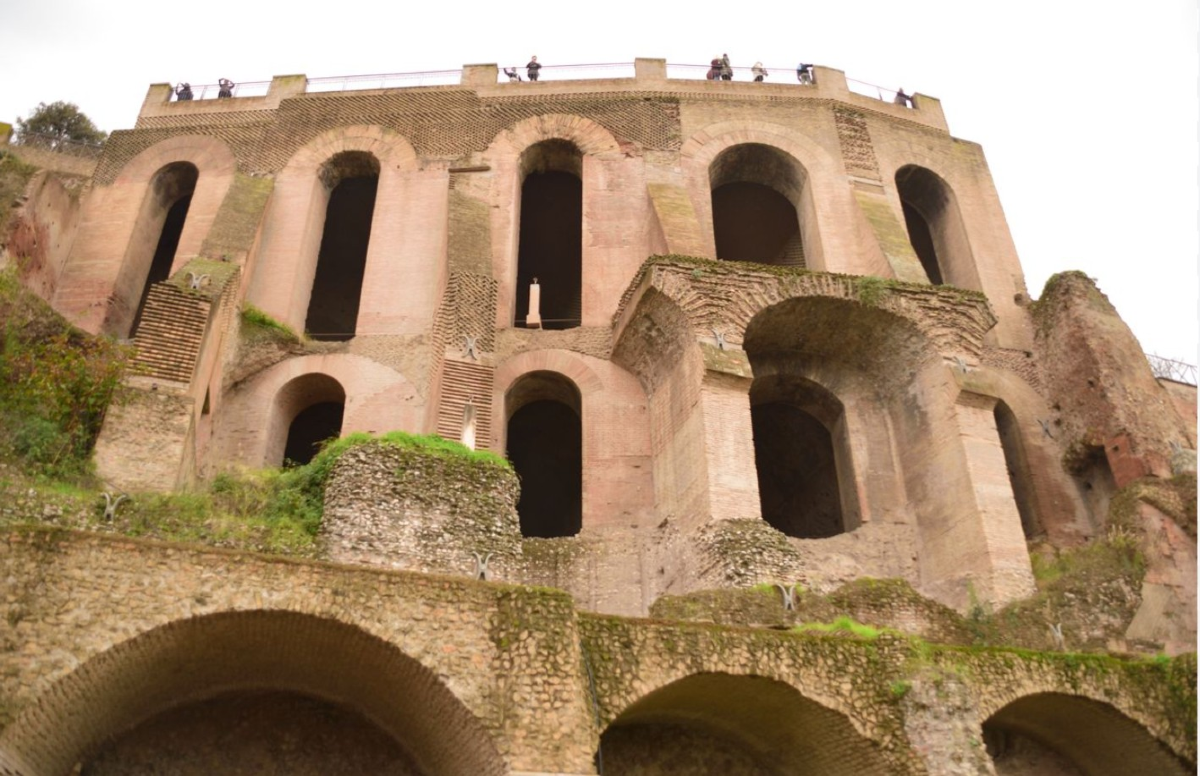
The Hill's prestigious reputation made it the most in-demand address in the city. By the imperial era, it was the most exclusive domain of Rome’s rulers. In fact, our modern word ‘palace,’ has derived directly from the Hill's Latin name, ‘Palatium.’
Also Read: Top Things To Do In Corinth: The Temple Of Apollo & More!
Key Sights To See
House Of Augustus: The surprisingly modest residence of Rome’s first emperor, famous for its well-preserved, elegant frescoes.
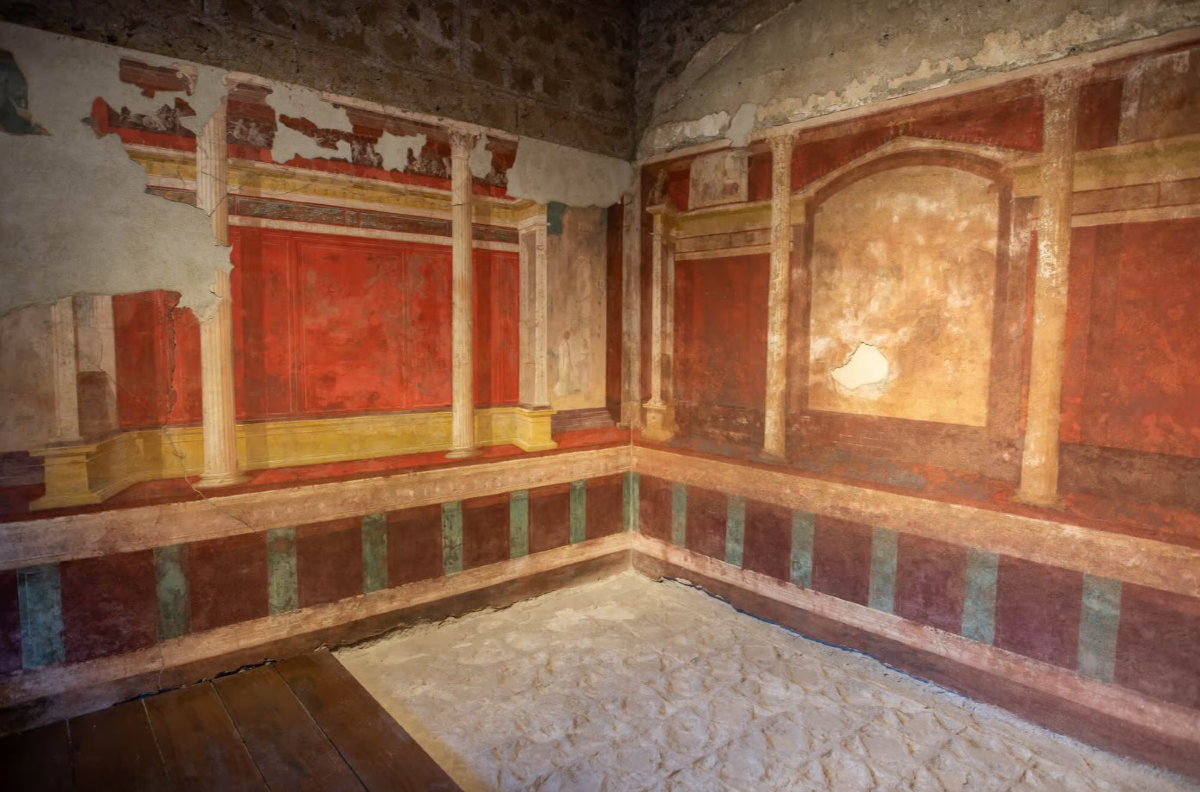
House Of Livia On Palatine Hill: This place is believed to belong to Augustus’s wife, this site contains some of the finest examples of ancient Roman wall painting.
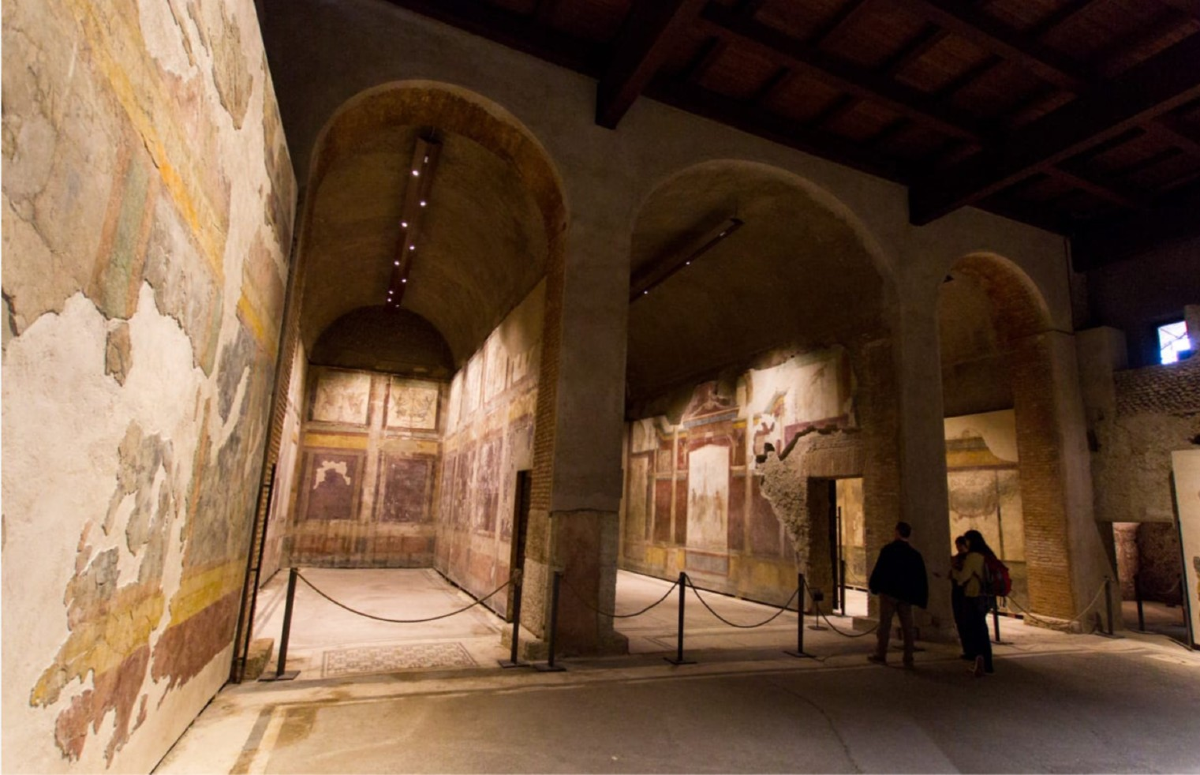
Palace Of Domitian: It is a massive complex divided into public, “Domus Flavia” and private, "Domus Augustana” wings, showcasing the true scale of imperial power.
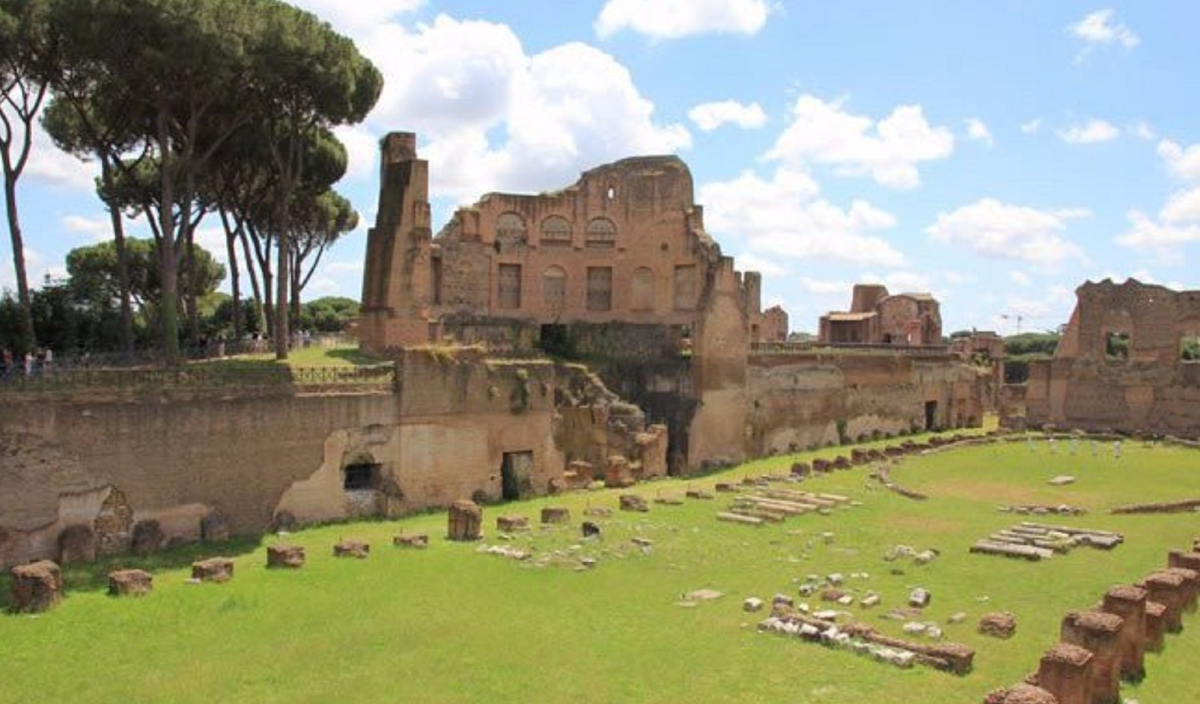
Stadium Of Domitian: An elongated sunken garden, often mistaken for a chariot racecourse, likely used as a private imperial garden.
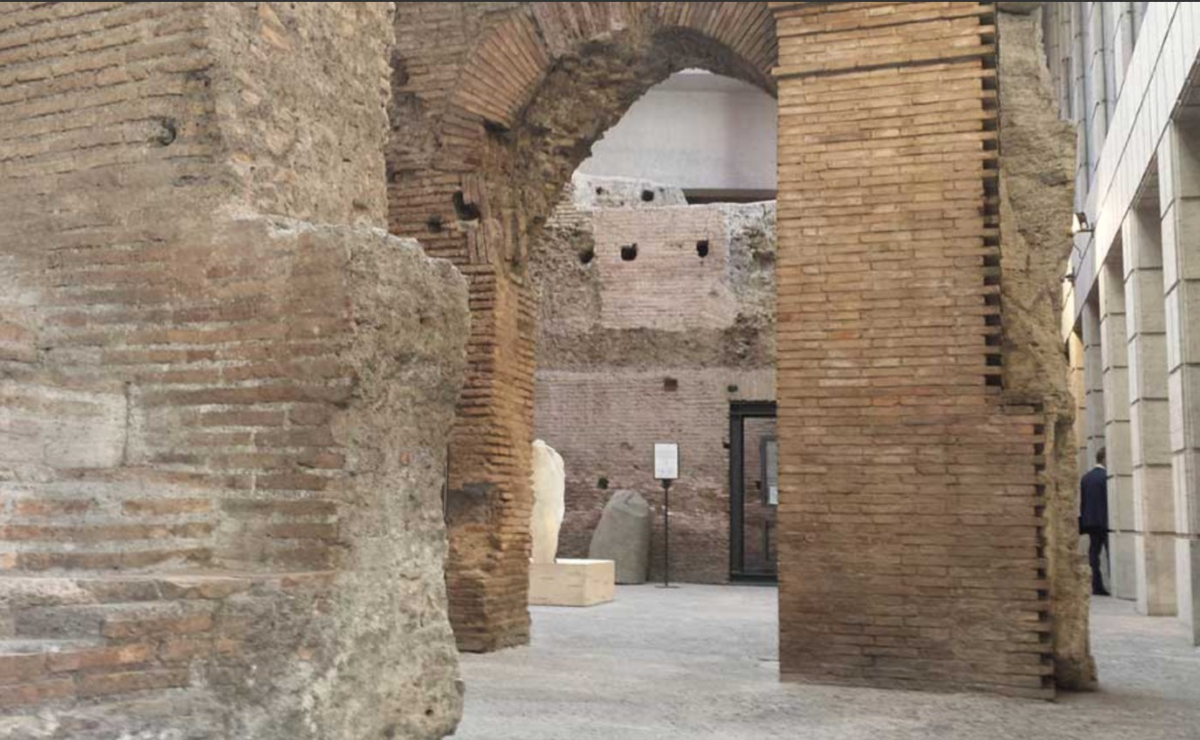
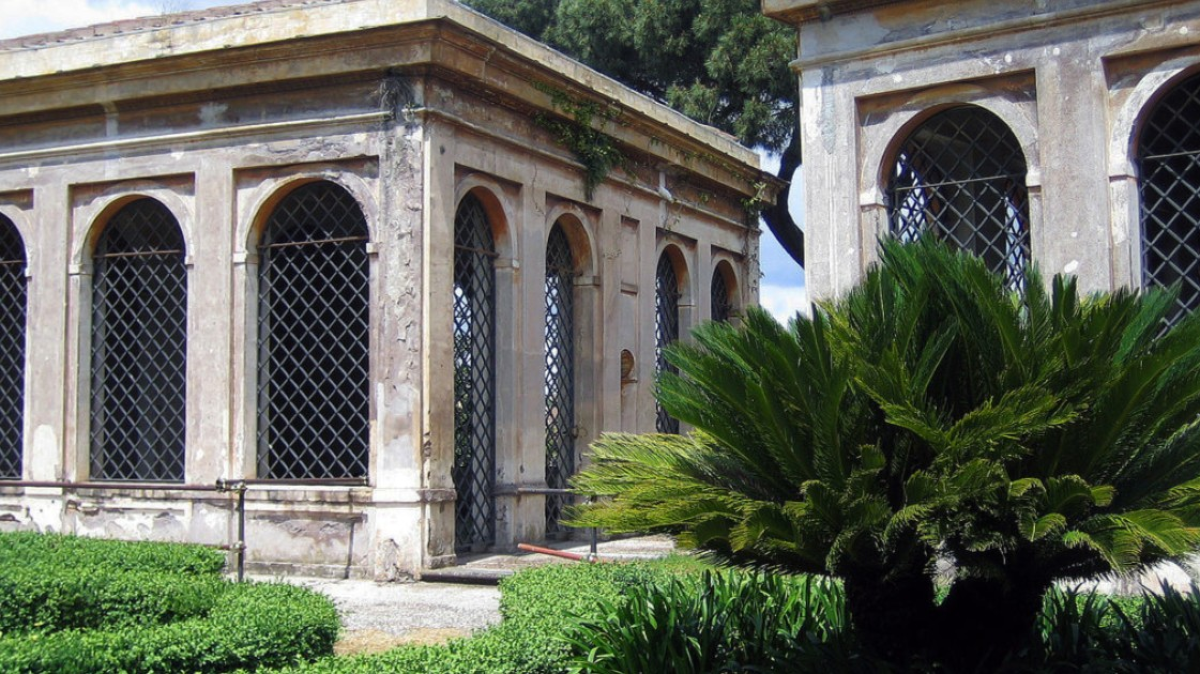
Farnese Gardens: Built in the 16th century, these are among the first botanical gardens in Europe, constructed directly over the ruins of earlier palaces.
Also Read: Why Pula's Roman Colosseum Is A Must-Visit In Istria!
Palatine Hill remains as one of the most significant archaeological sites in the world, offering a quiet, green retreat where you can walk in the footsteps of emperors.
Comments (0)
Log in to share your thoughts
No comments yet
Be the first to share your thoughts!