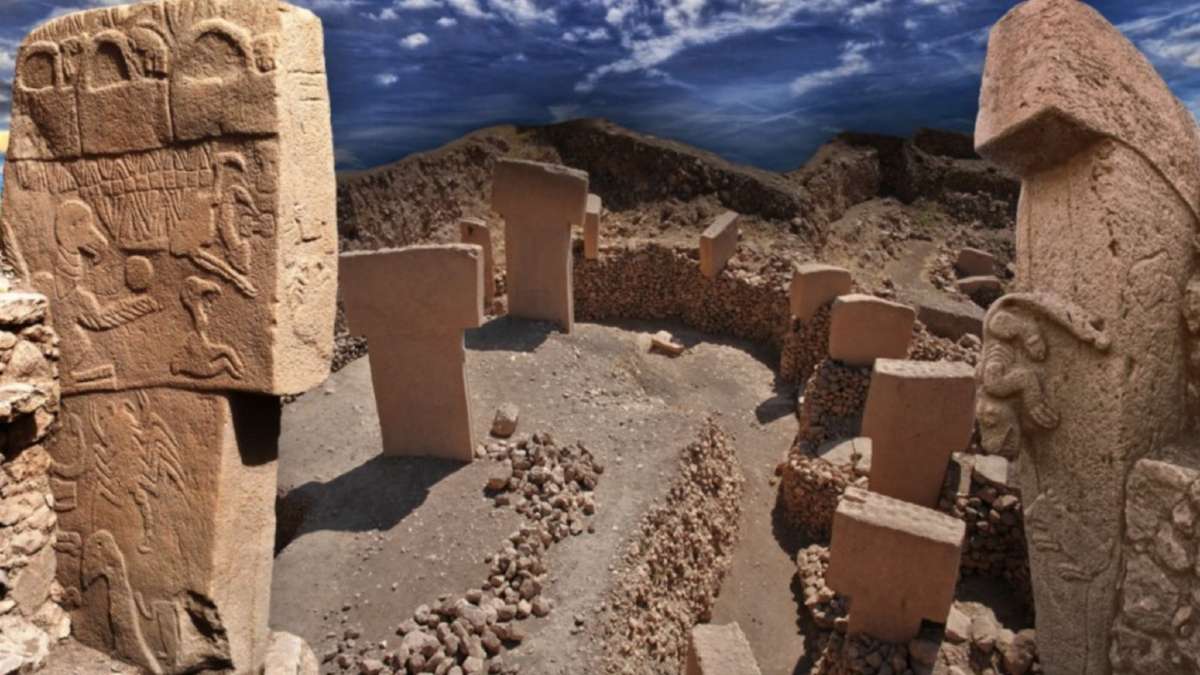
Göbekli Tepe is an amazing historical site in Turkey. It is about 12,000 years old, making it much older than the “Great Pyramids” in Egypt or “Stonehenge” in England. For a long time, historians thought that people only constructed buildings after they learned how to farm. However, this historical temple in Turkey shows us that the ancient people used to build huge and beautiful temples while they were still hunting and gathering their food.
Also Read: Topkapi Palace: 5 Reasons It Ruled An Empire For 400 Years!
Giant Stones And Animal Carvings
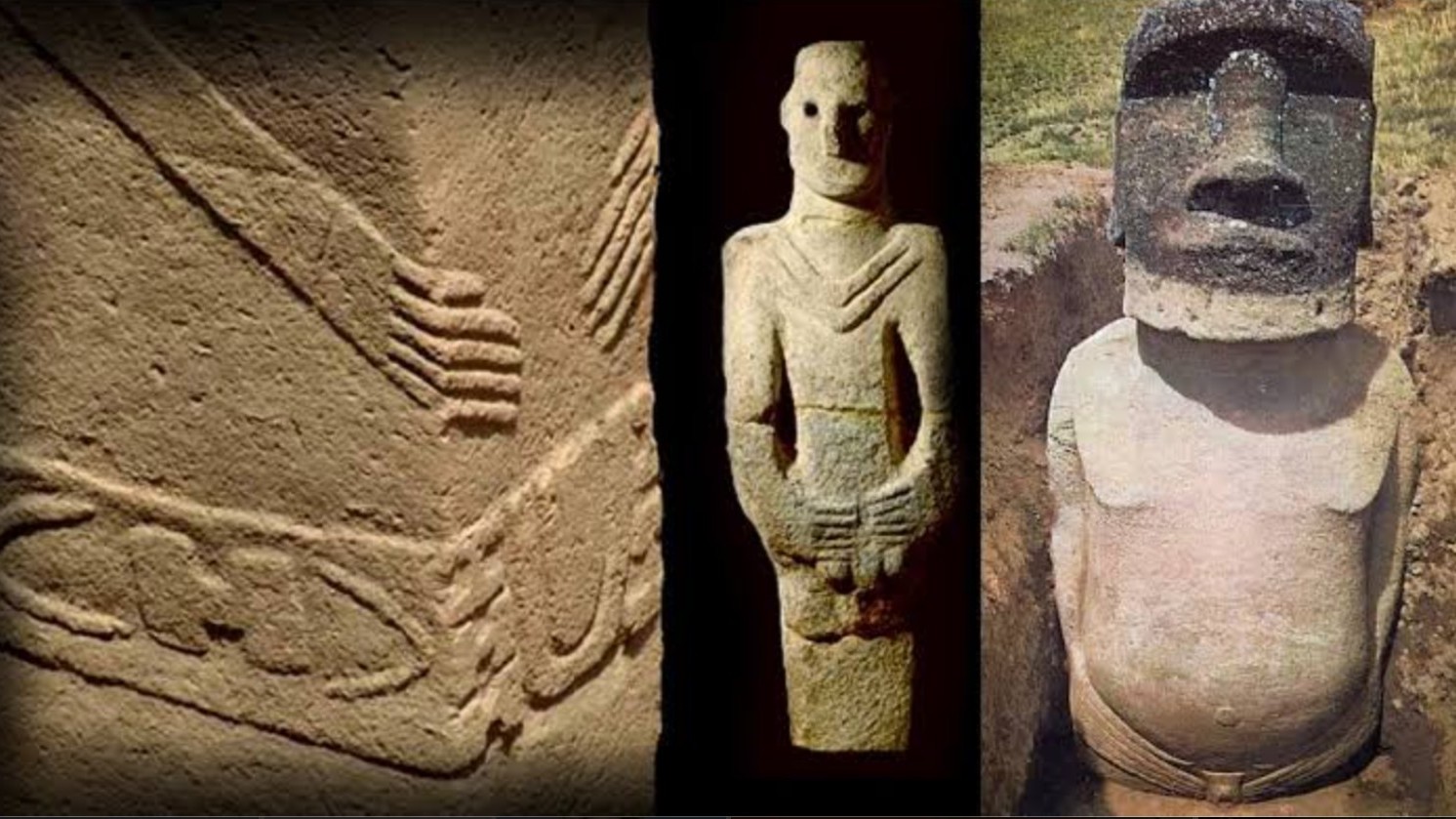
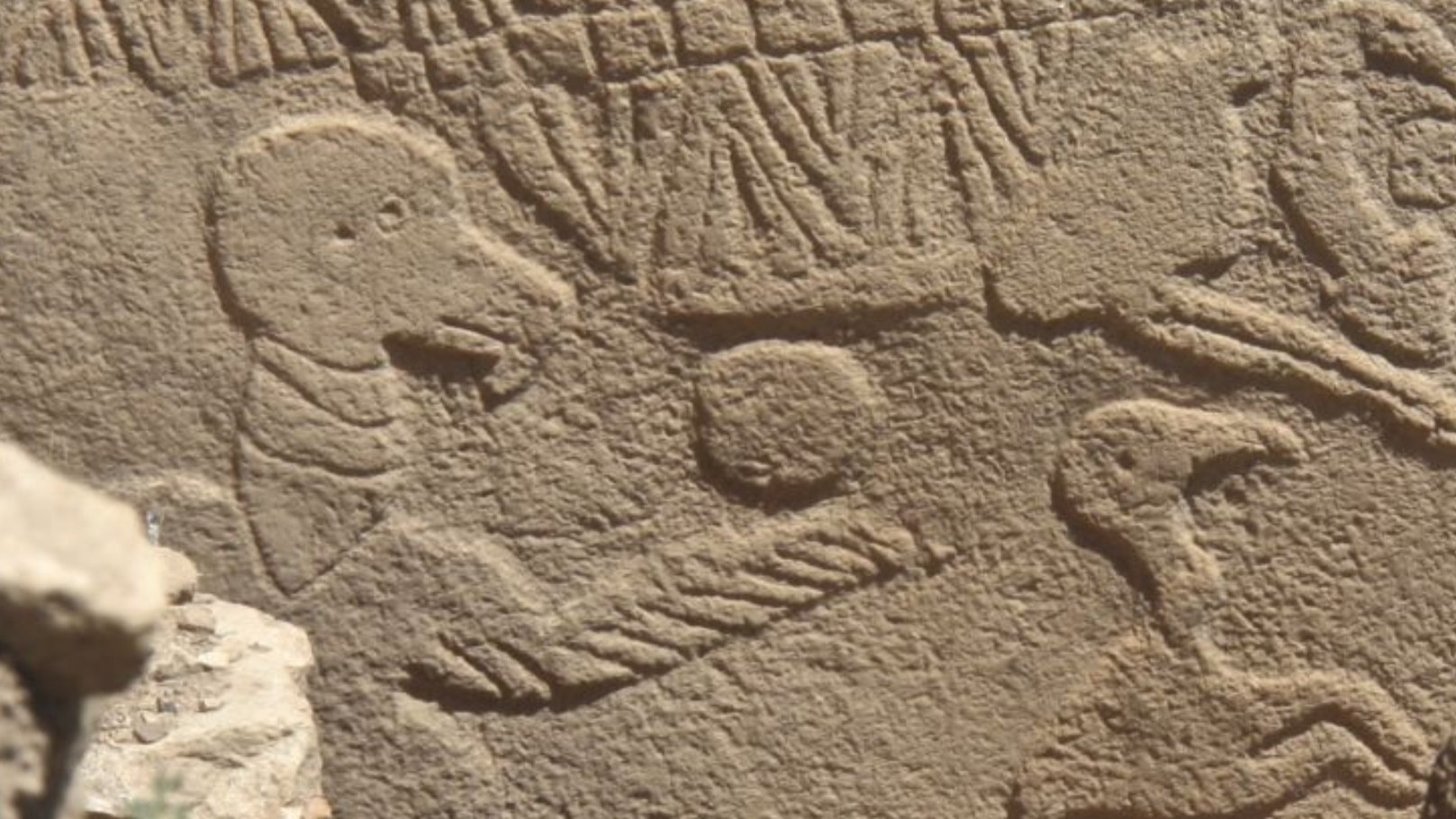
The historical temple is made of giant stone pillars shaped like the letter “T.” Some of these stones are very heavy, as much as 10 elephants! Ancient people used to carve pictures of wild animals into the stones, like lions, foxes and snakes. It is a mystery how they moved and carved such bricks without using metal tools or wheels. This proves that these early humans were much smarter and better to collaborate than we once thought.
Why Does Göbekli Tepe Matters?
For decades, the prevailing “Neolithic Revolution” theory suggested that humans first mastered the art of farming, which resulted in permanent settlements and eventually, the construction of temples and cities.
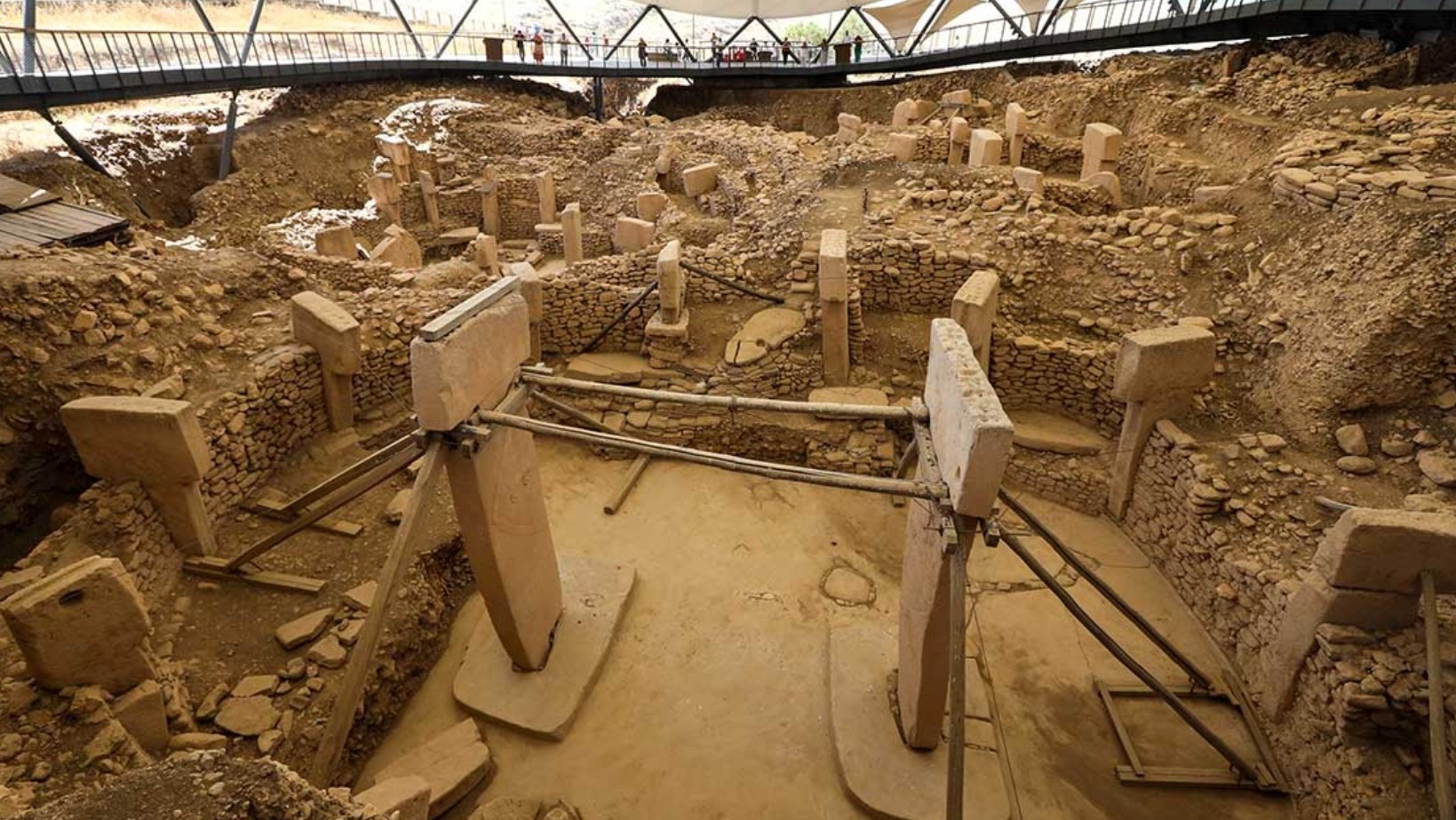
Excavation led by Klaus Schmidt in the mid 1990s revealed that no signs of domesticated plants or permanent housing in the earliest layers. This implies that the nomadic groups used to travel from great distances to this secret hilltop for ritualistic purposes. It appears that the social coordination required to build such a massive site eventually necessitated more stable food sources, thereby giving rise to the birth of agriculture in the nearby fertile lands.
Also Read: One Dome, Three Faiths--The Story Of Hagia Sophia
Visiting The Site
Today, Göbekli Tepe is a famous place that people from all over the world comes to visit. It is protected by UNESCO owing to its uniqueness. While visiting here, you can notice a big roof over the ruins to keep them safe from the weather. Also, you can see the massive stones for yourself and start imagining what life was like at the very beginning of human civilization.
Comments (0)
Log in to share your thoughts
No comments yet
Be the first to share your thoughts!