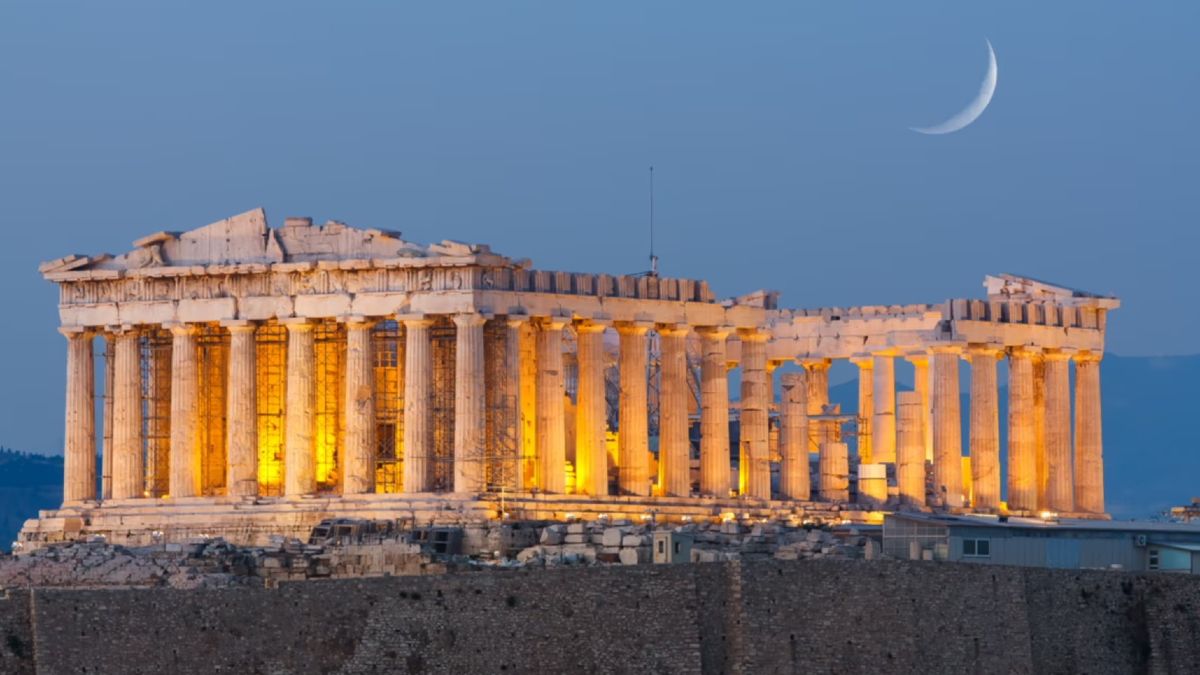
Above: Parthenon In Athens, Greece.
The Parthenon stands as the ultimate symbol of Ancient Greek civilization. Built between 447 and 432 BC during the peak of the Athenian Empire, this former temple was dedicated to goddess Athena Parthenon. Presently, it remains as one of the world's most significant cultural monuments, attracting millions of visitors to witness the birthplace and Western philosophy.
A Journey Through Timeless History
This unique architectural site constructed under the visionary leadership of the statesman Pericles, the Parthenon was designed by architects Ictinus and Callicrates, with the legendary sculptor Phidias overseeing the artistic details. Throughout the millennia, the structure has undergone massive transformations, serving as a Greek temple, a Christian church and an Ottoman mosque. However, its most tragic turning point occurred in 1687, when a Venetian bombardment ignited gunpowder stored inside, causing the massive structural damage seen by modern travellers.
Architectural Brilliance
The Parthenon is the definitive example of Doric order architecture, renowned for its perfect proportions and sophisticated engineering. Surprisingly, the building contains almost no straight lines; architects employed entasis, a minor swelling of the columns and slightly curved the base to counteract visual distortions. All these “optical refinements” ensure that the temple appears perfect and straight to the human eye even from a distance. This unique architectural feature showcases the Greek’s advanced understanding of geometry.
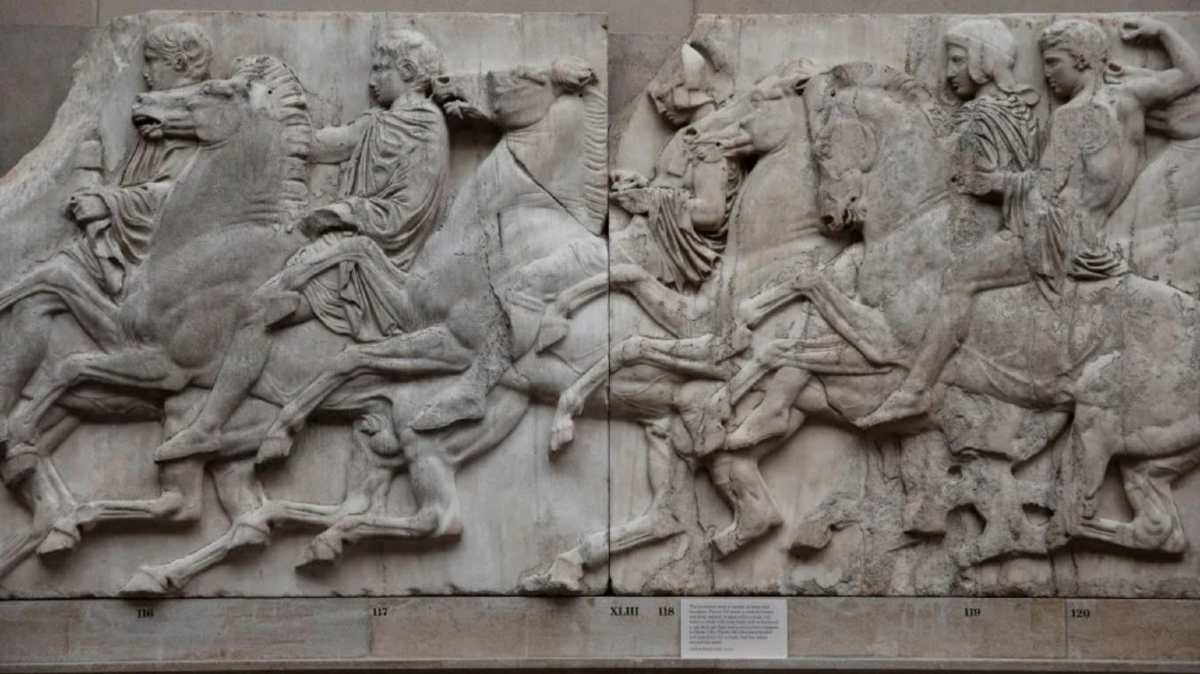
Essential Elements: Metopes & Friezes
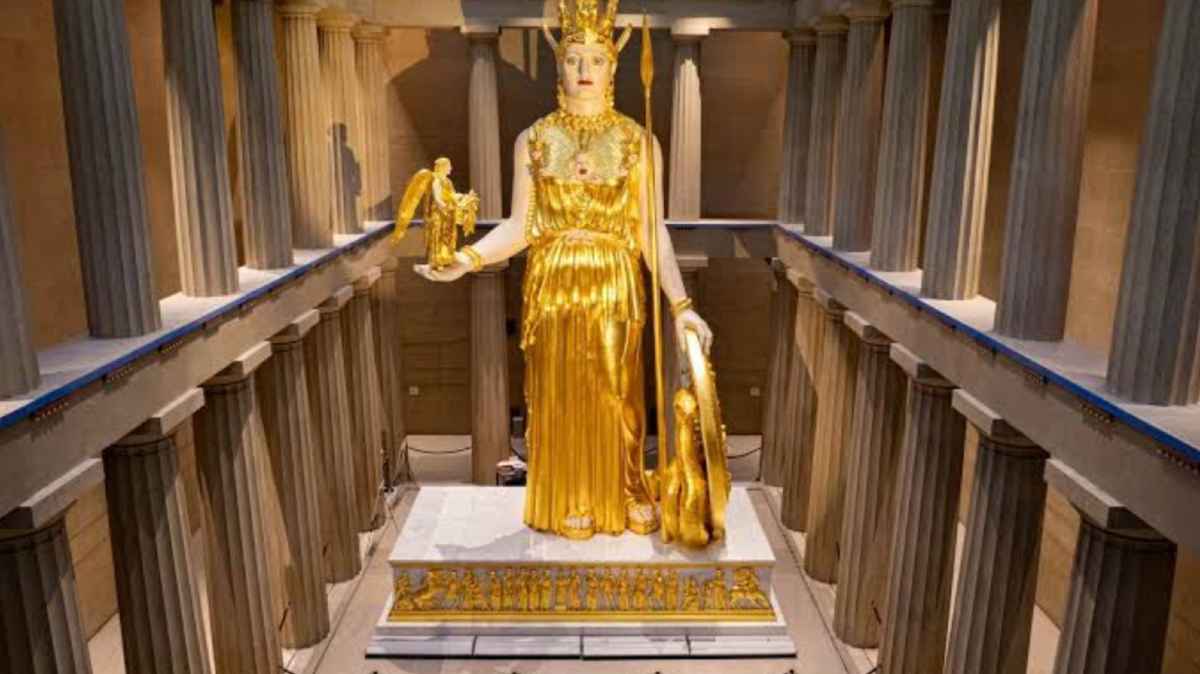
The temple’s artistic grandeur is largely defined by its intricate marble carvings, specifically the Metopes, the pediments and the famous “Parthenon Frieze.” These beautiful sculptures depicted vivid scenes from Greek mythology, including the battle between Lapiths and Centaurs and the Panathenaic procession. While many of the original “Elgin Marbles” are currently placed in the British Museum, the Acropolis Museum in Athens displays the remaining sections alongside the stunning recreations that tells the full story of the temple’s decorative program.
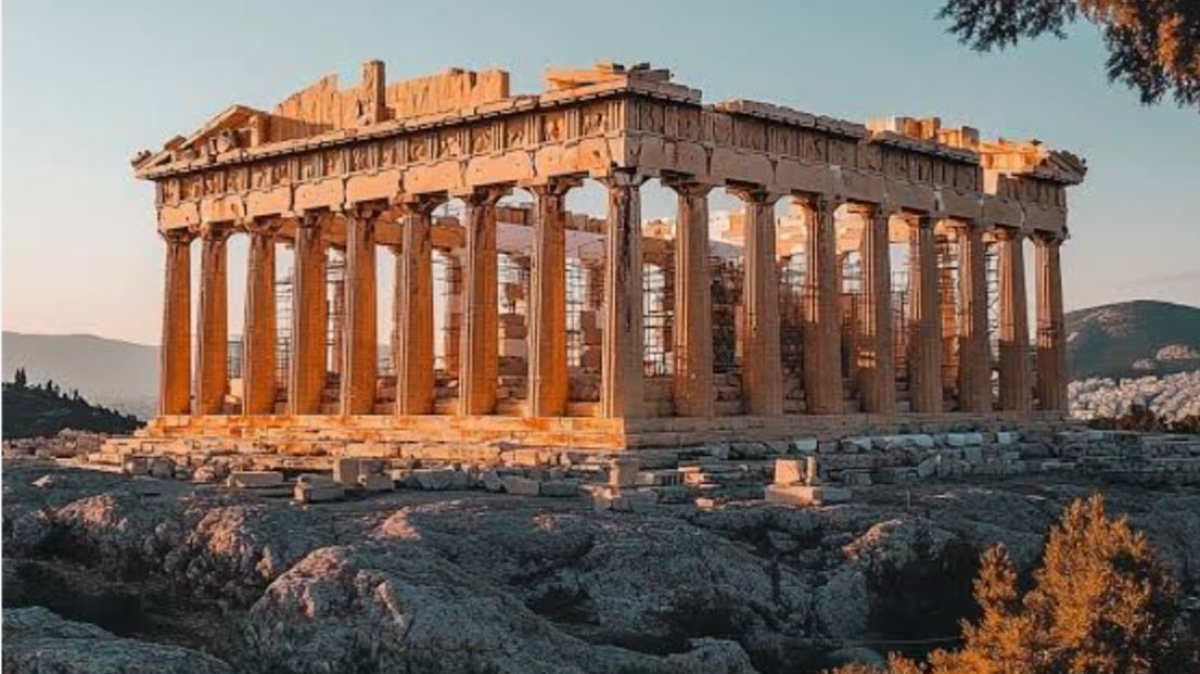
Best Moments For Photography
To capture the best moments of your time in Parthenon in its most breathtaking light, aim for the “Golden Hour,” the period that falls shortly after sunrise or just before sunset. During these moments, the Pentelic marble glows with a warm and honey-hued radiance against the deep blue Attic sky. If you want to get a unique perspective without the crowds, you can head towards “Philoppapos Hill” at dusk; the elevation gives a panoramic view of the illuminated temple as the city lights of Athens start to flicker below.