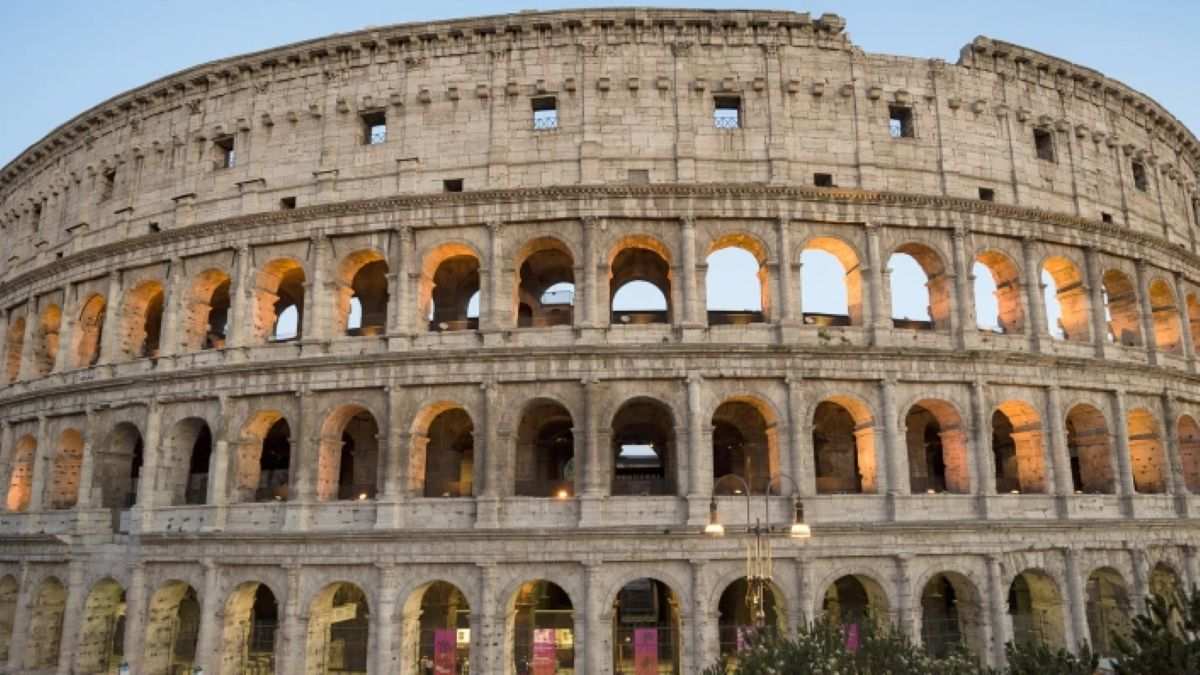
Above: Colosseum, Italy.
The Colosseum in Italy stands as the quintessential icon of ancient Rome and remains the most remarkable architectural ruin till date. This is the reason it continuously draws millions of visitors every year who marvel at its massive limestone arches and imagine the echoes of gladiatorial combat. However, there are certain facts surrounding this iconic ruin that reveals a sophisticated world of the Roman Empire.
1. Built On An Artificial Lake
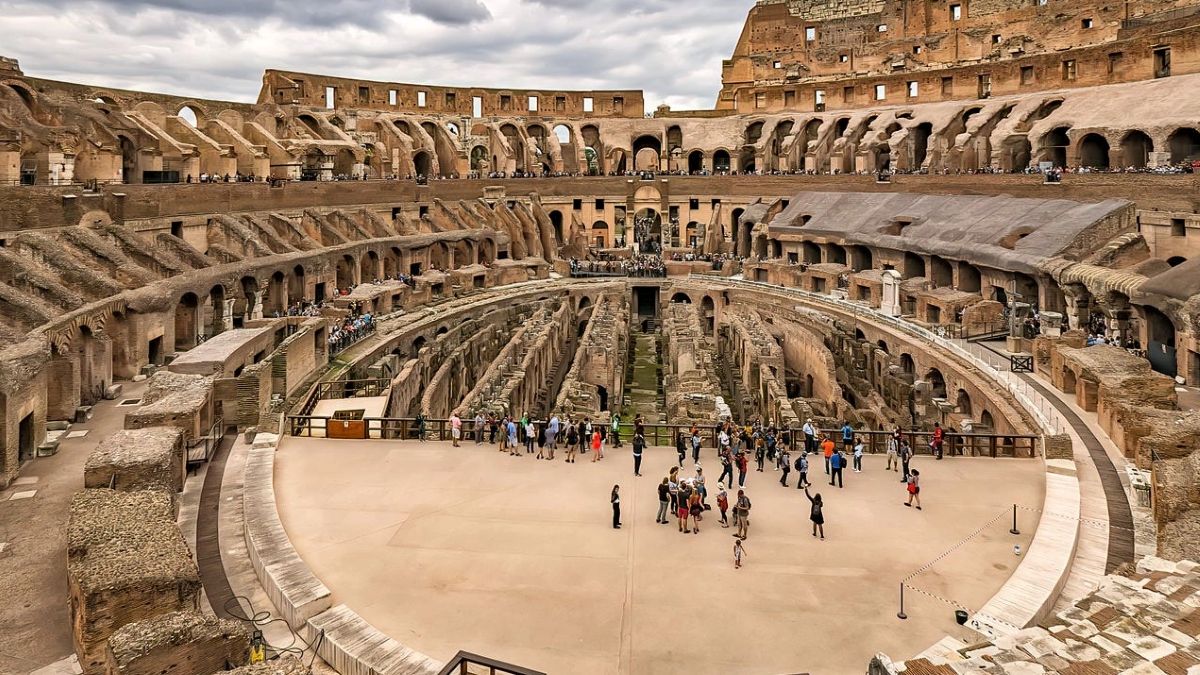
The site where the Colosseum is built was originally used as a massive artificial lake belonging to Emperor Nero’s extravagant private palace, the "Domus Aurea." After Emperor Nero passed away, Emperor Vespasian ascended the throne and he decided to drain the lake to build a public amphitheater in its place, symbolically returning the land back to the people of Rome. This drastic change from a tyrant’s private playground to a center for public entertainment helped the new "Flavian dynasty" to solidify its legitimacy and gain favor with the Roman population.
2. A Flooded Floor For Mock Naval Battles
During its early phase, the Colosseum featured a sophisticated hydraulic operation that enabled the engineers to rapidly flood the arena floor to stage "Naumachiae," or mock naval battle. These involved the flat-bottomed ships and thousands of participants replaying the famous maritime conflicts, requiring a specialized network of aqueducts and drainage pipes to manage the water. Hence, this aquatic display remains a major testament to the incredible versatility of Roman architectural planning.
3. Free Tickets, Segregated Seats
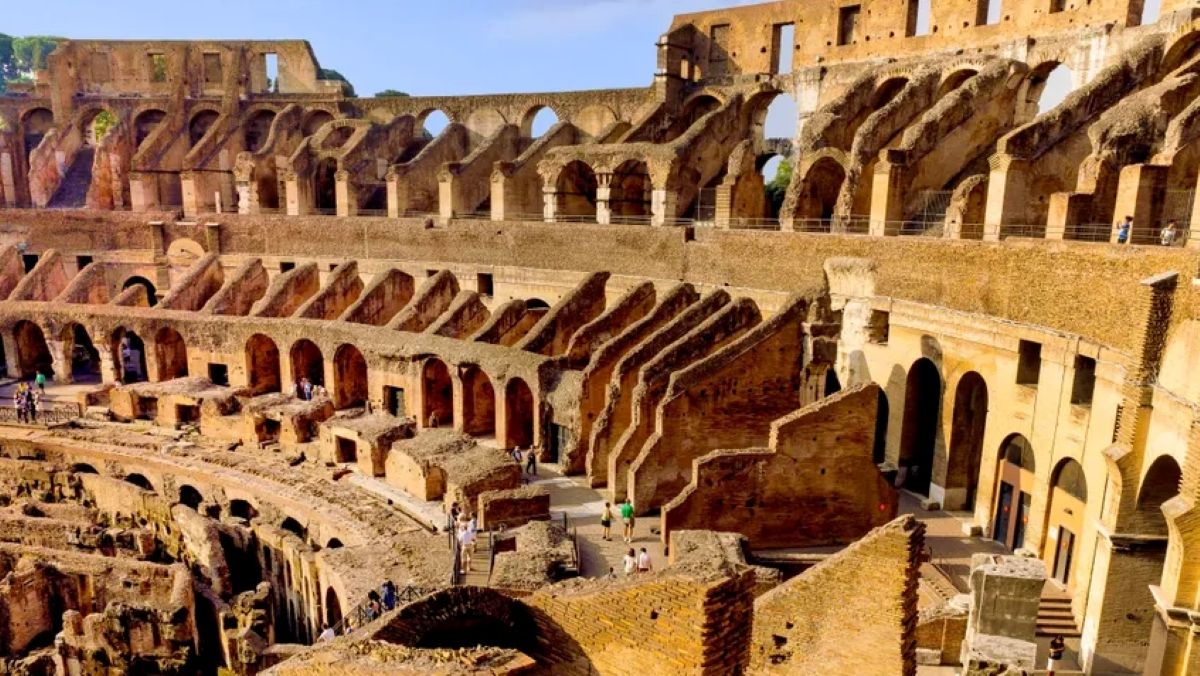
While entry inside the Colosseum was made free for Roman citizens, the seating arrangement was a perfect example of the rigid class hierarchy of Rome. For high-profile citizens like Senators and officials from Imperial court, the best views were reserved for them. And, for the women along with the poorest citizens were allowed to watch only from the very top gallery. This system of seating arrangement was made to ensure that the arena’s layout maintained the social order during every social event.
4. Gladiatorial Combat & Referees
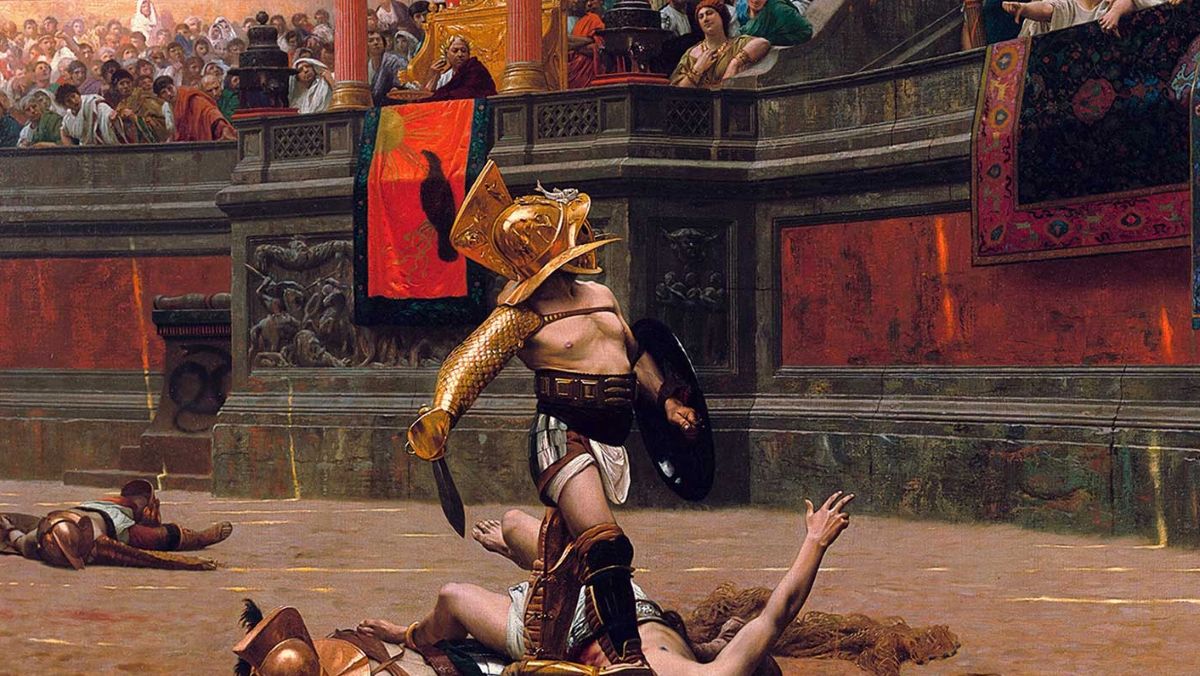
Gladiatorial matches were a highly regulated affair that was often overseen by a professional referee who was known as "Summa Rudis." Gladiators were an expensive asset of the Roman Empire, who were trained in specialized schools and their fighting skills were developed by following a specific technical style and code of conduct to make sure that they showcase their unique skills rather than immediate slaughtering of the other fighter. The Roman crowds who gathered there, used a variety of specific hand signals to communicate their judgement on a fighter’s bravery and fate.
5. Massive Complex For More Than 400 Years
The Colosseum remained an active center for entertainment purposes for over four centuries, surviving lightning strikes, earthquakes and the shifting politics of the Roman Empire from its opening in 80AD until the mid-6th century. Following the fall of Rome, it served as a fortified castle, a quarry for building materials and even a temporary housing complex for local residents. It wasn’t until the 18th century that the process of preservation as a historical monument actually began.