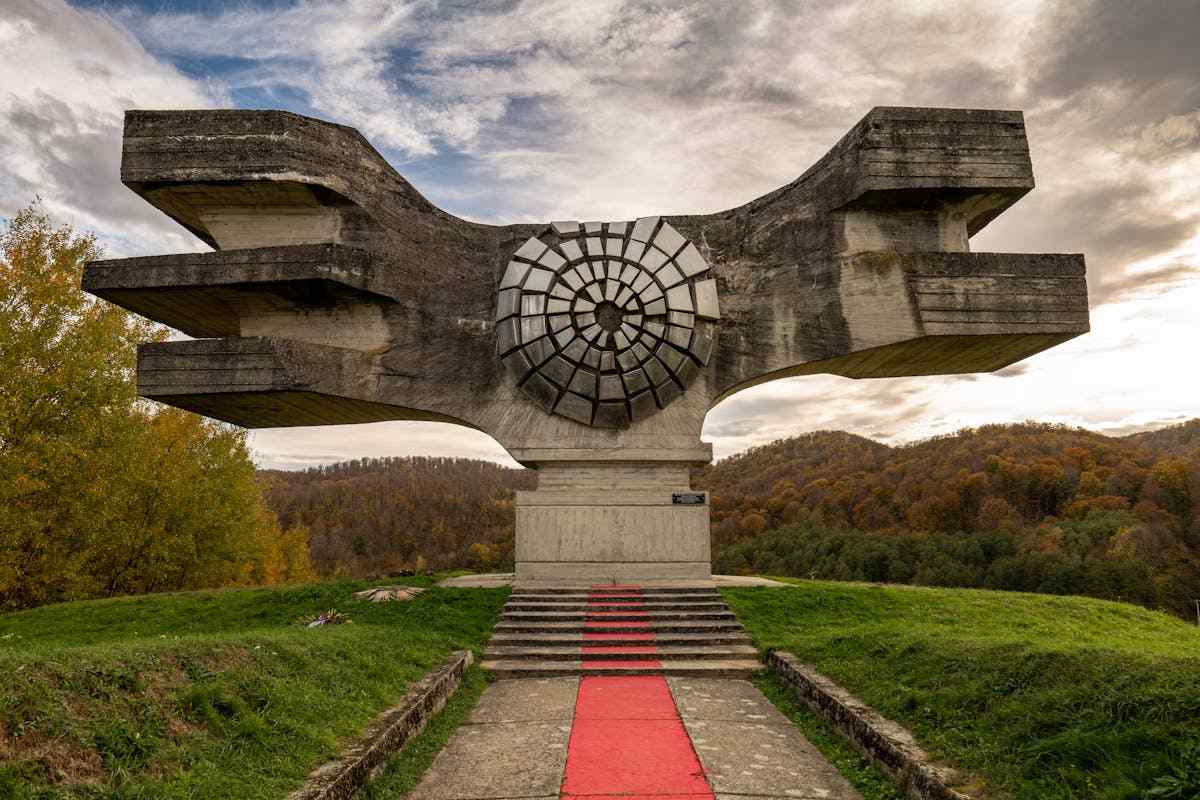
Do you ever see a massive concrete building with exceptional utility but unconventional design? For many people, that's Brutalist architecture. Loved by some, hated by many, Brutalist architecture stands out for its bold shapes, raw concrete structures, and unapologetic presence. Some feel that Brutalist architecture symbolises institutional neglect or social failure, while others say it was never meant to be decorative but rather highly pragmatic.
Brutalism is an architectural concept from the mid-20th century. It is named after the French term béton brut, which means “raw concrete.” It was the material famously used by renowned architect Le Corbusier that helped popularise this style. Beyond raw concrete, Brutalist architecture used bricks, steel, and glass in their natural, unfinished state to make the structures look functional and visible, rather than hiding behind decorative facades.
In case you were thinking, Brutalism has nothing to do with its imposing nature, massive sizes, or unapologetic designs. It simply stems from the French word for “raw,” and the term was adopted and formalised by British critics and architects such as Reyner Banham, Alison Smithson, and Peter Smithson.
Also read || 10 Best Cities for Architects to Visit in 2026
How did post-war economic conditions shape the Brutalist movement?
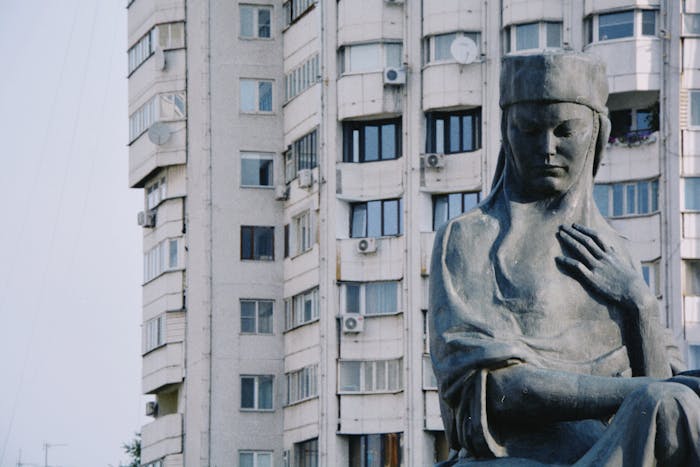
Many modern designers and architects have criticised Brutalist architecture, making it one of the most debated styles in contemporary architecture. But if you understand the history behind it, you will know why it is the way it is. What were the economic realities behind it? And how did it all begin after World War II in Europe?
When Europe was severely damaged and urgently needed rebuilding, Brutalist architecture emerged as one of the most feasible choices. Countries were short of money, housing demand was rising rapidly, budgets were limited, and population growth intensified the crisis. Concrete became the material of choice not only for its affordability but also for its wide availability and structural strength. The goal of Brutalist architecture was to shelter people efficiently rather than decorate homes.
Also read || 5 Things Your Architecture School Won't Teach You (But Will Make You a Pro)
Above all, there was economic pressure to make buildings functional. Whether it was schools, housing blocks, government offices, or civic centres, Brutalist designs were created to serve the public, especially the working classes. Ornamentation and aesthetic excess were seen as unnecessary in societies focused on recovery and stability. Brutalist architects did not hide construction elements; instead, they deliberately exposed them.
The strong social ideal behind the Brutalist movement was to create collective spaces and foster community life. Large housing estates and public complexes were designed as “cities within cities,” where people could live, work, and socialise. While not all of these ambitions were successfully realised, they explain why Brutalism feels monumental and profound. It reflects a time when architecture was seen as a tool for rebuilding society, not just shaping skylines.
Why do people love and hate Brutalist architecture?
%20%20Photo%20by%20cottonbro%20studio%20on%20Pexels.jpg)
Beauty lies in the eye of the beholder, and Brutalism is a perfect example. Many people feel that Brutalist buildings are cold, heavy, and intimidating. Sharp angles, massive concrete forms, muted colours, and rough surfaces can appear unwelcoming, especially when maintenance is neglected. Examples of both preservation and decay can be seen in cities like Berlin, London, São Paulo, and Skopje. In parts of Eastern Europe, concrete architecture often reflects broader historical and political narratives rather than Brutalism alone.
If you support Brutalism, the experience feels entirely different. Many admirers appreciate the rawness of Brutalist architecture. The architect is not trying to decorate or impress. You see precisely what it is—a building. In a world dominated by glass towers and surface-level aesthetics, Brutalist buildings stand out by embracing reality. That honesty is what gives this architecture its lasting power.
Also read || From Da Vinci to Rembrandt: Famous Museum Heists Through History
Is Brutalist architecture making a comeback?
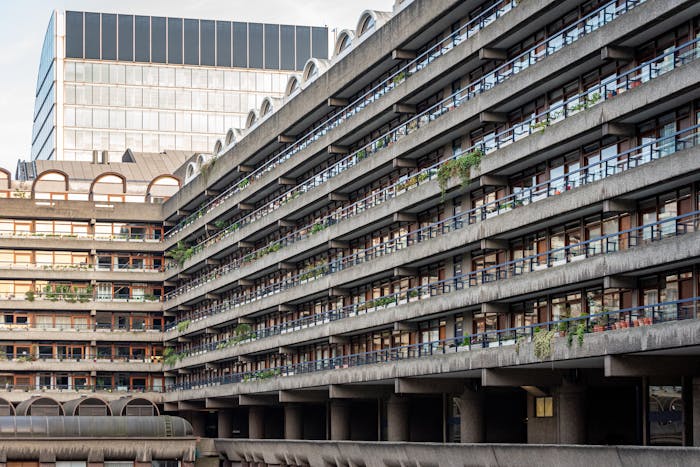
In recent years, Brutalist architecture has quietly re-entered cultural conversation. Designers, photographers, and architecture enthusiasts have rediscovered these buildings, often through travel, exhibitions, and social media. Platforms like Instagram have played a role in this renewed interest, turning Brutalist structures into striking visual subjects. Their strong geometry, dramatic shadows, and monumental presence stand out in a digital world defined by polished, curated visuals.
Does this mean Brutalism is returning in its original form? The short answer is no. Cities are unlikely to revive large-scale concrete housing estates built purely out of post-war necessity. However, Brutalism’s ideas are returning. Architects and designers continue to draw from its principles of honesty, structure, and purpose rather than copying its forms directly. While the designs have evolved, the influence of the Brutalist movement remains present and relevant.