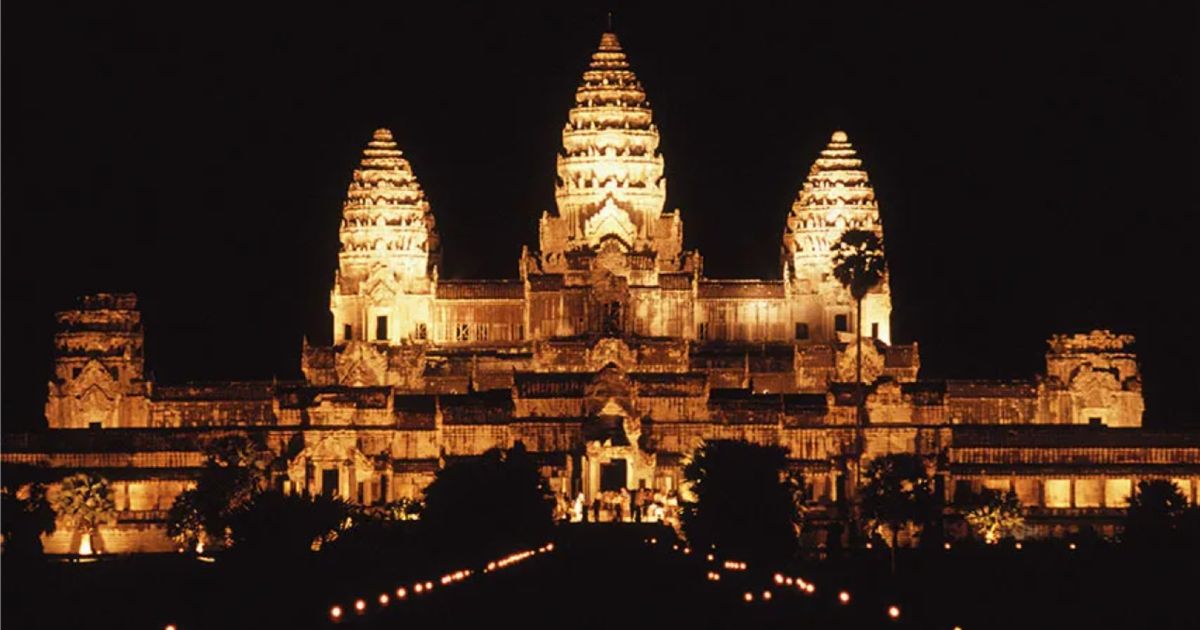
Above: Angkor Wat Temple, Cambodia.
Angkor Wat is more than just a temple; it is regarded as a masterclass in ancient engineering and symbolic design. Constructed in the early 12th century by King Suryavarman II, this UNESCO World Heritage site located in Cambodia, was originally dedicated to the Hindu god “Vishnu" before transitioning into a Buddhist sanctuary.
The element that makes Angkor Wat truly spectacular in appearance is its “temple mountain” design, an architectural style meant to represent Mount Meru, the sacred home of the gods in Hindu and Buddhist cosmology. The five central towers surrounding the temple mimic the mountain’s leaks, on the other hand, the massive mound surrounding the complex represents the cosmic ocean. This extraordinary alignment of physical stone with spiritual belief creates a serene atmosphere of divinity that continues to capture the attention of millions of tourists even today!
The Visionary Mind Behind This Architecture
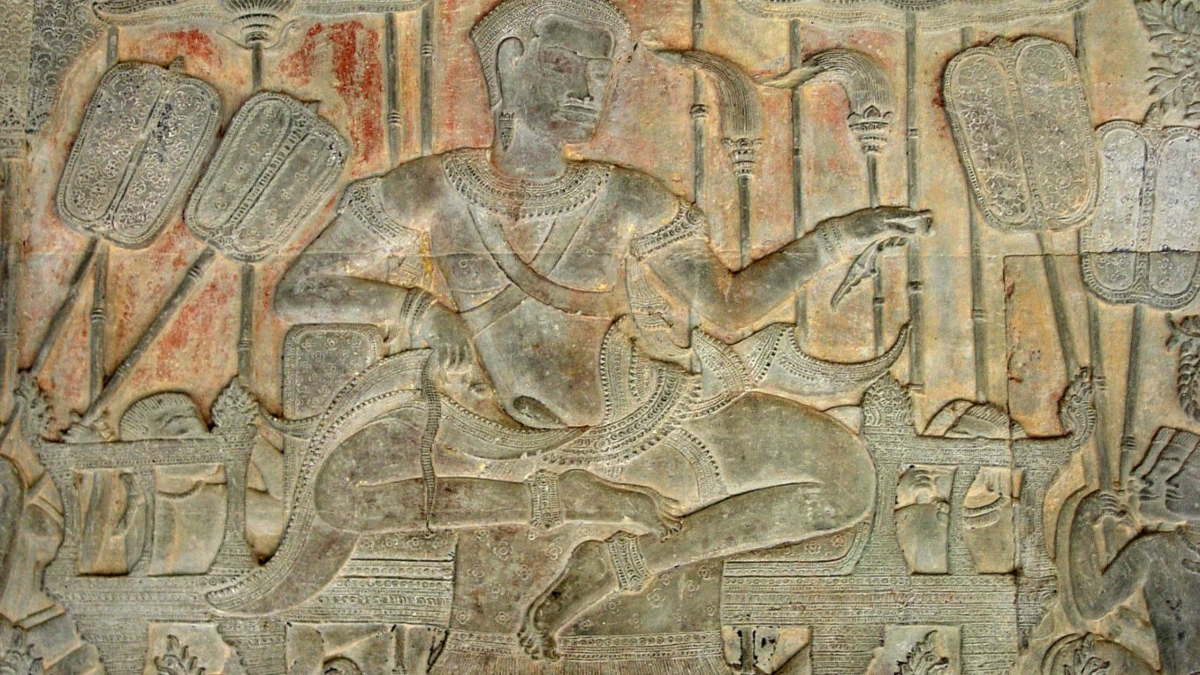
To truly understand the significance of this ancient temple, you must first know about the man who envisioned it: King Suryavarman II. He acquired the throne in 1123 AD and was a brave military leader as well as an ardent devotee of god Vishnu, an Hindu god. He broke up from his family tradition of worshipping Lord Shiva and dedicated this grand project of his life to Lord Vishnu, intending it to serve as both a state temple and eventually, his own funerary monument.
Engineering Marvels Of The Khmer Empire
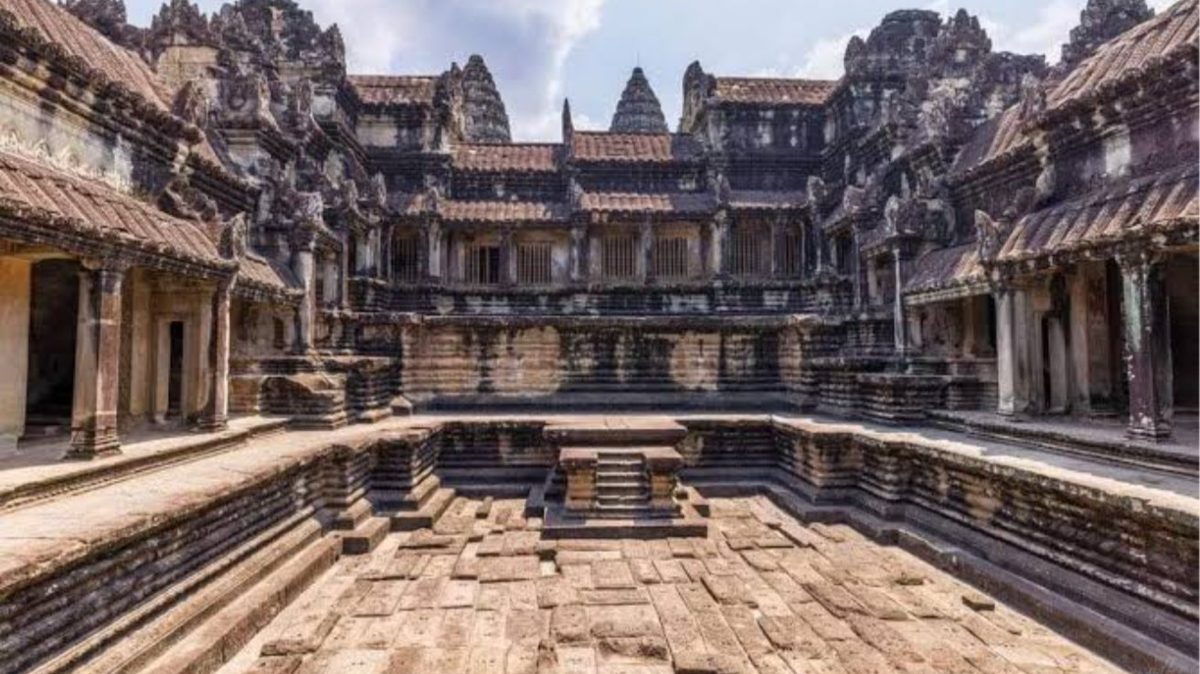
Building Angkor Wat was a giant puzzle that required moving over five million tons of heavy stone. Workers who were involved in the construction brought these stones from a place which was 25 miles away. The builders were so skilled that they cut the stones to fit together perfectly without using any glue or cement.
The most wonderful characteristic feature of this architecture is its water management. The massive moat acts as a “giant stabilizer.” It prevents the sandy soil beneath the temple from shifting during Cambodia’s heavy monsoon seasons, to make sure that the massive stone weight remains stable for centuries.
Changes In Culture
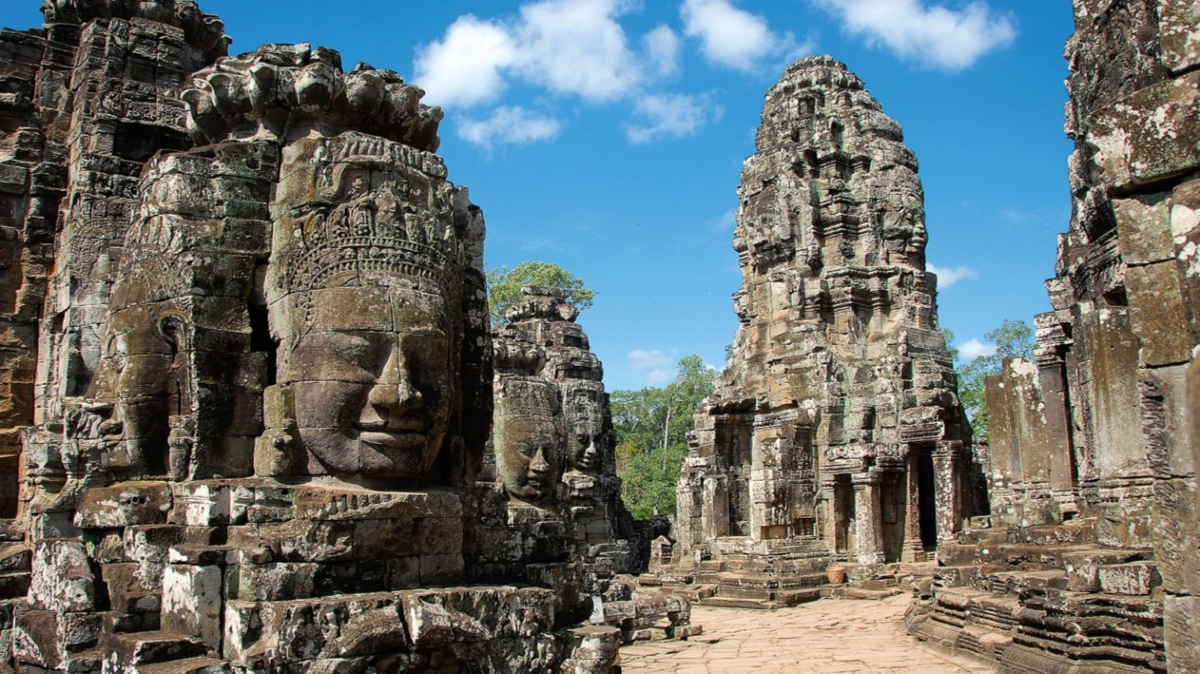
Even though Angkor Wat started as a Hindu temple, its history changed entirely as the people of Cambodia shifted towards a different culture. During the late 1200s, the country started following Buddhism, as a result, the temple which was once a Hindu temple was transformed into a Buddhist site. When you visit this temple, you can still see this mix of history today, with statues of the Buddha sitting next to ancient carvings of Hindu legends. Angkor Wat temple was never truly abandoned because monks continued to live there and care for it.
Beautiful Art On Every Wall
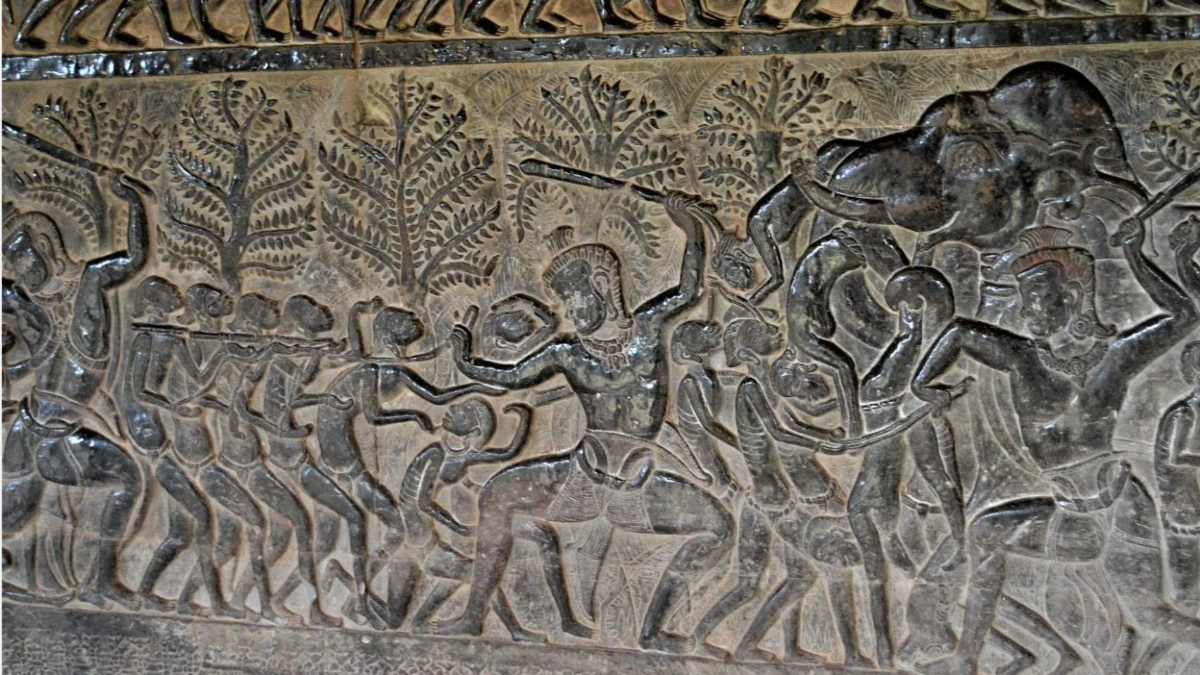
The walls of Angkor Wat are covered in miles of beautiful stone carvings known as “bas-relief.” These carvings tell exciting stories of ancient battles, kings and gods, acting like a “giant history book,” made of stone. One of the most famous parts shows thousands of “Apsaras,” or heavenly dancers, each with different hair and jewellery. In 2026, people still travel from all over the world to see how the morning sun lines up perfectly with these towers, a living proof that the ancient Khmer people were truly master in art and science!
A Travel Experience To Remember
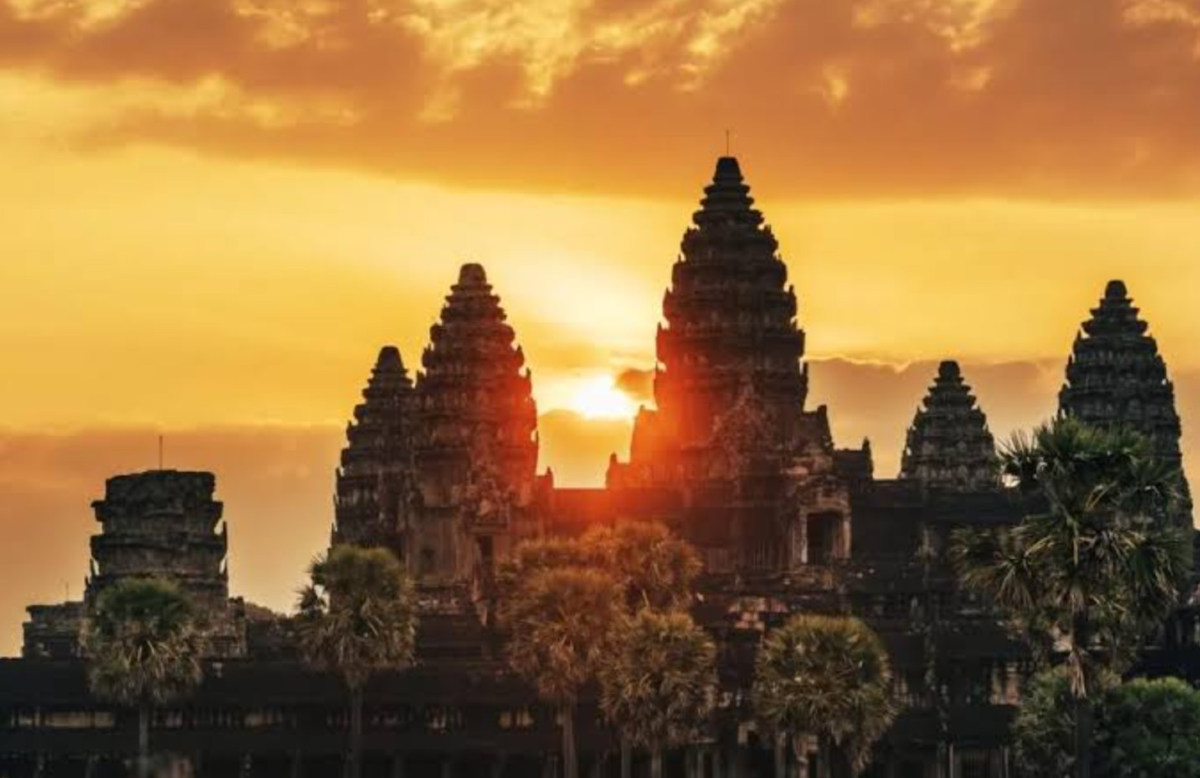
Visiting Angkor Wat is a lifetime experience that stays with you forever, especially when you arrive there after sunrise or sunset. By standing by the edge of the lily ponds at 5:00 AM, you wait for the sky to turn from deep purple to a glowing orange shade. Noticing the silhouette of the five towers reflects perfectly in the water is purely a magical moment, it feels like you are stepping back in time. As you walk through the cool and dark stone hallways, you will feel that the incense from local shrines fills the air, a powerful reminder of why still this religious place has been at the center of the spiritual heart.