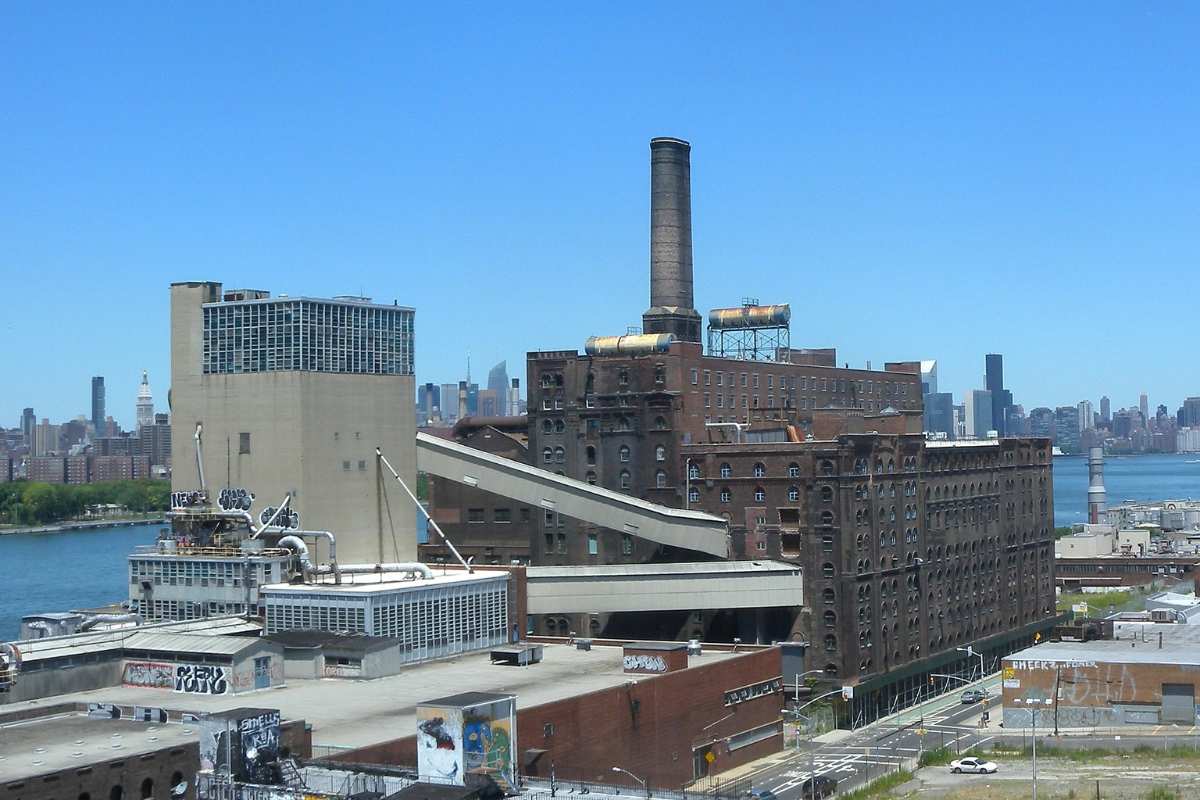
Have you ever noticed how some old buildings speak for themselves without any hype, publicity, or people going wild over them? While most people love aesthetics, modern design, and beautiful colours, some people value innovation, sustainability, urban connectivity, and preservation of "embodied carbon, and that's what adaptive reuse is all about.
Modern-day architects are using their creativity to repurpose existing structures for uses different from their original intent. So, you keep the historic landmarks and, instead of demolishing them, use them to meet the demands of 2026: a low-carbon footprint, reduced pollution, and sustainable architecture. The new construction means more cost, more pollution, and the demolition of the history of that place. Thanks to adaptive reuse, the buildings remain resilient, and the culture does not die.
Also read || Brutalist Architecture: Why the World Still Loves, Hates, and Reconsiders Raw Concrete
From Industrial Hubs to Modern Social Centers
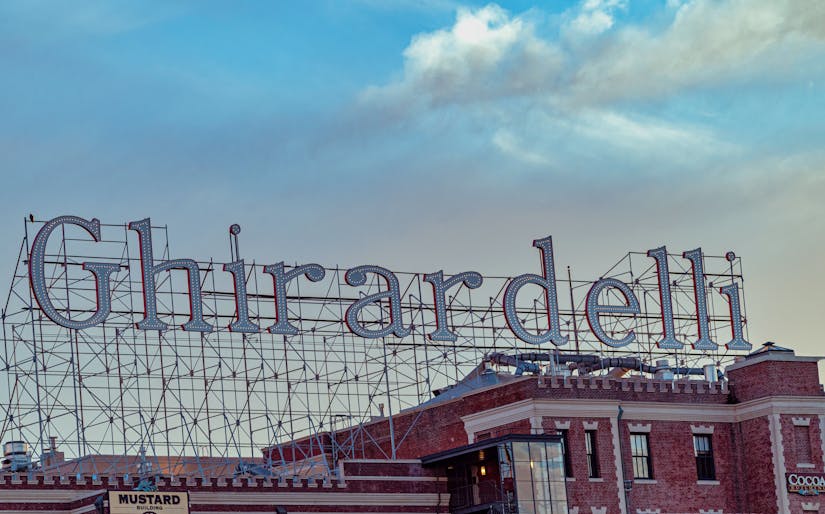
If you are in San Francisco, there are plenty of places to visit. But have you been to Ghirardelli Square? A chocolate factory that was supposed to be demolished in the 1960s still stands tall, and is now a vibrant retail and dining destination for many San Franciscans. The best thing about this place is its iconic red brick facade and the famous neon sign. To this day, it is a bustling hub that proves how history blends with current needs.
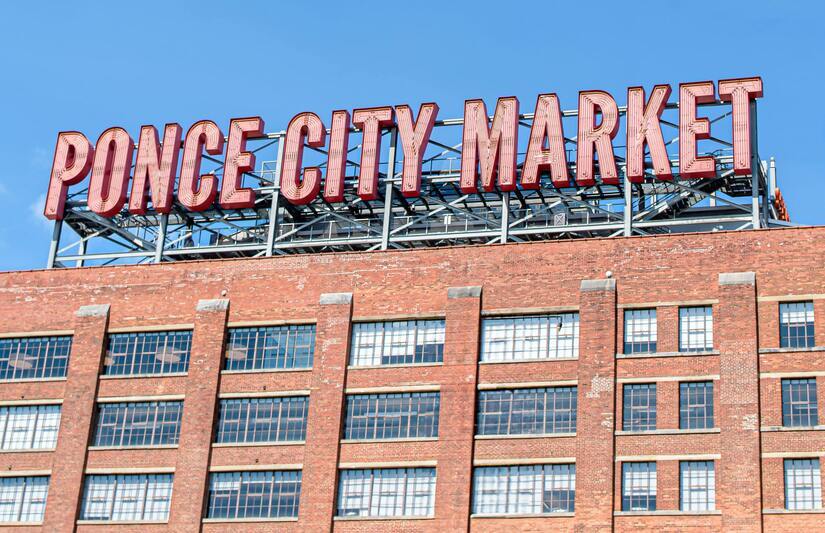
Similarly, Ponce City Market in Atlanta, Georgia, is a great place to chill out. It has undergone a similar transformation. Who could have imagined that a warehouse couldcould be a thriving place to get food, work, and live? Ponce was once a Sears, Roebuck & Co. Warehouse, but it was not demolished. Rather, the project retained the original steel-frame windows and expansive floor plans, and combined modern luxury with an antique warehouse aesthetic.
Also read || The Art Of Warm Minimalism!
Elevating Coastal Heritage and Infrastructure
.%20Photo%20by%20Dietmar%20Rabich%20(CC%20BY-SA%204.0)%20on%20Wikimedia%20Commons%20.jpg)
The weather is not the only reason to love the West Coast. If you are in San Francisco, the Ferry Building is one of the key highlights to experience. When the famous earthquake hit San Francisco in 1989, it led to the removal of the Embarcadero Freeway. Now, the historic terminal has been restored to its glory and functions as a world-class artisan food market. The purpose of restoring the ferry terminal was to prove how old buildings can adapt to modern commercial needs without losing their purpose.
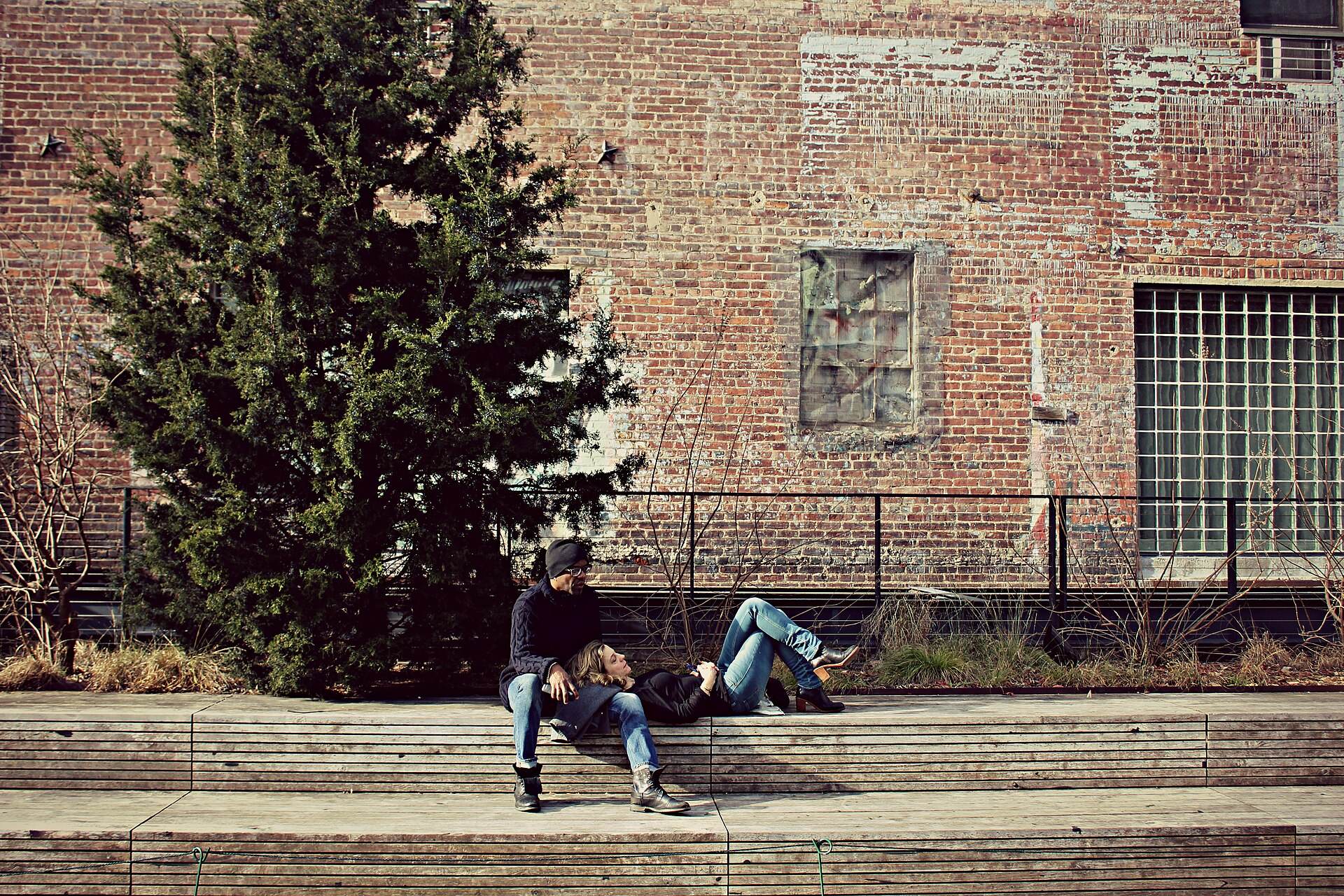
Besides, New Yorkers can visit the High Line to see what transforming infrastructure into a public asset looks like. It was once an abandoned elevated freight rail, but now floats above Manhattan's busy streets. The 1.45-mile-long stretch got transformed into a lush linear park, and inspires cities across the world to rethink their "dead industrial zones". The coolest thing about this place is its clever integration of native plantings and original rail tracks, which give it a retro vibe while promoting biodiversity and local tourism.
Also read || Meet Frida Escobedo! Breaking The Glass Ceiling At The Met!
Transforming Power and Education for the Future
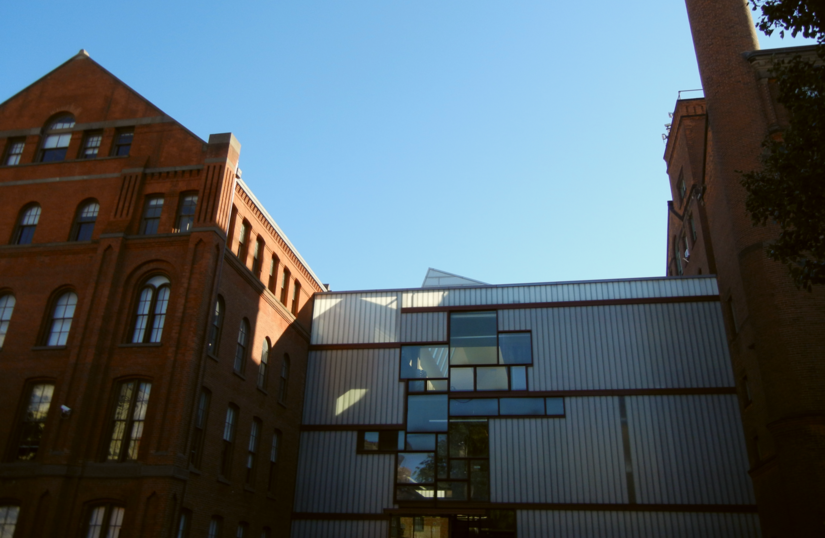
When in Brooklyn, you must visit Pratt Institute’s Higgins Hall, which is a perfect example of how educational spaces should embrace old architecture. They have connected two 19th-century landmarked brick buildings with a modern glass "insertion". An architecture project that allowed historic masonry to breathe while providing the high-tech studio space required today. Today, it serves as a living classroom, teaching future architects.
%20on%20Wikimedia%20Commons%20.jpg)
Finally, if you are in the live music capital of the world, the Seaholm Power Plant in Austin is reborn as one of the most iconic buildings. This industrial icon was once the city's powerhouse, but now it houses modern offices, shops, and a massive public plaza, while maintaining its iconic "Power plant" signage. It is a perfect example of honouring history while fostering sustainable growth.