Architecture is often judged by bold shapes, large buildings, and stylish interiors. But the spaces we remember most are usually shaped by small details. These details affect how we live, move, and feel every day. This is where micro-architecture becomes important.
Micro-architecture focuses on small design choices rather than big statements. These choices may seem simple, but they have a strong and lasting effect. They work in homes of all sizes and often decide whether a space feels calm and natural or uncomfortable and forced. Instead of following trends, micro-architecture creates spaces that feel right even as styles change.
This article looks at nine simple architectural ideas that quietly improve everyday living.
Natural Light as a Design Choice
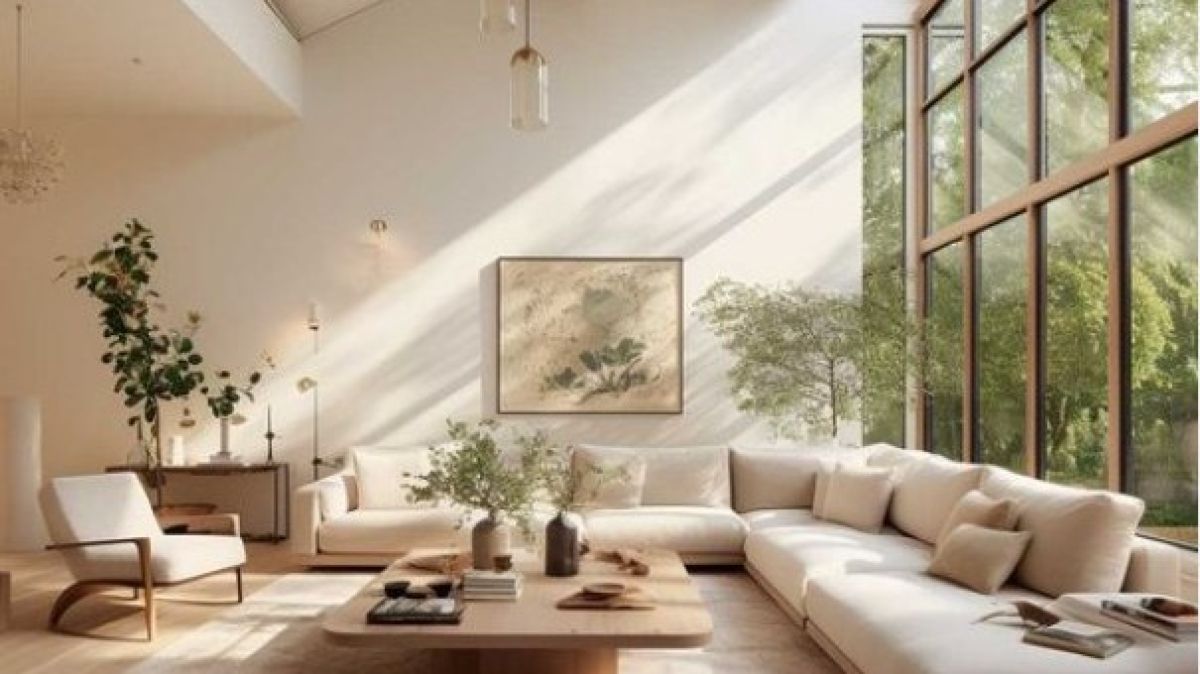
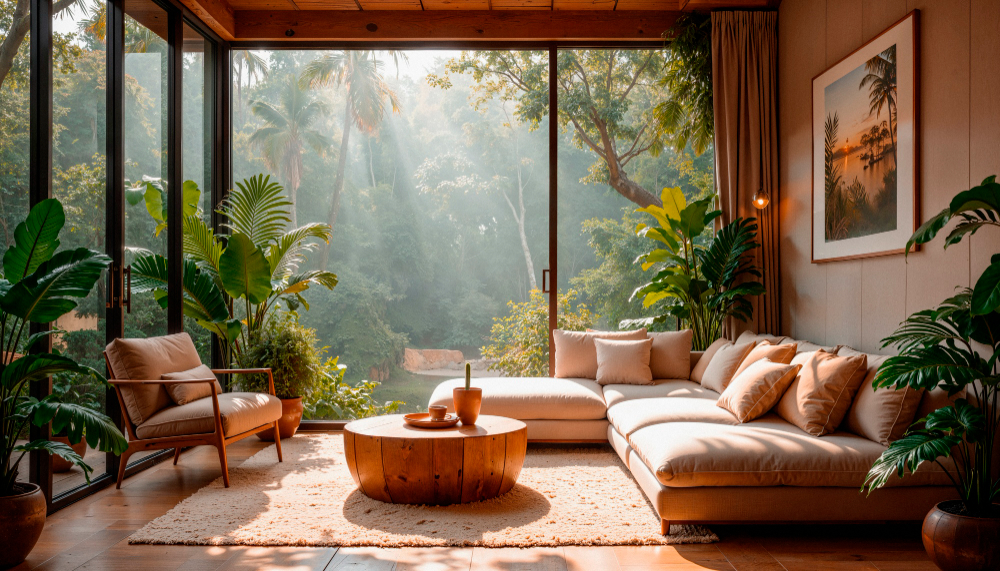
Every home has natural light, but how it is used makes a big difference. Today, architects plan light carefully instead of letting it enter randomly. They use windows, screens, courtyards, and skylights to control where light goes.
Rather than making all spaces equally bright, they allow light and shadow to exist together. As the day changes, the spaces change too. Light helps people move through a home and notice different areas. It becomes part of how the home is experienced, not just a way to see.
Curves That Help Movement
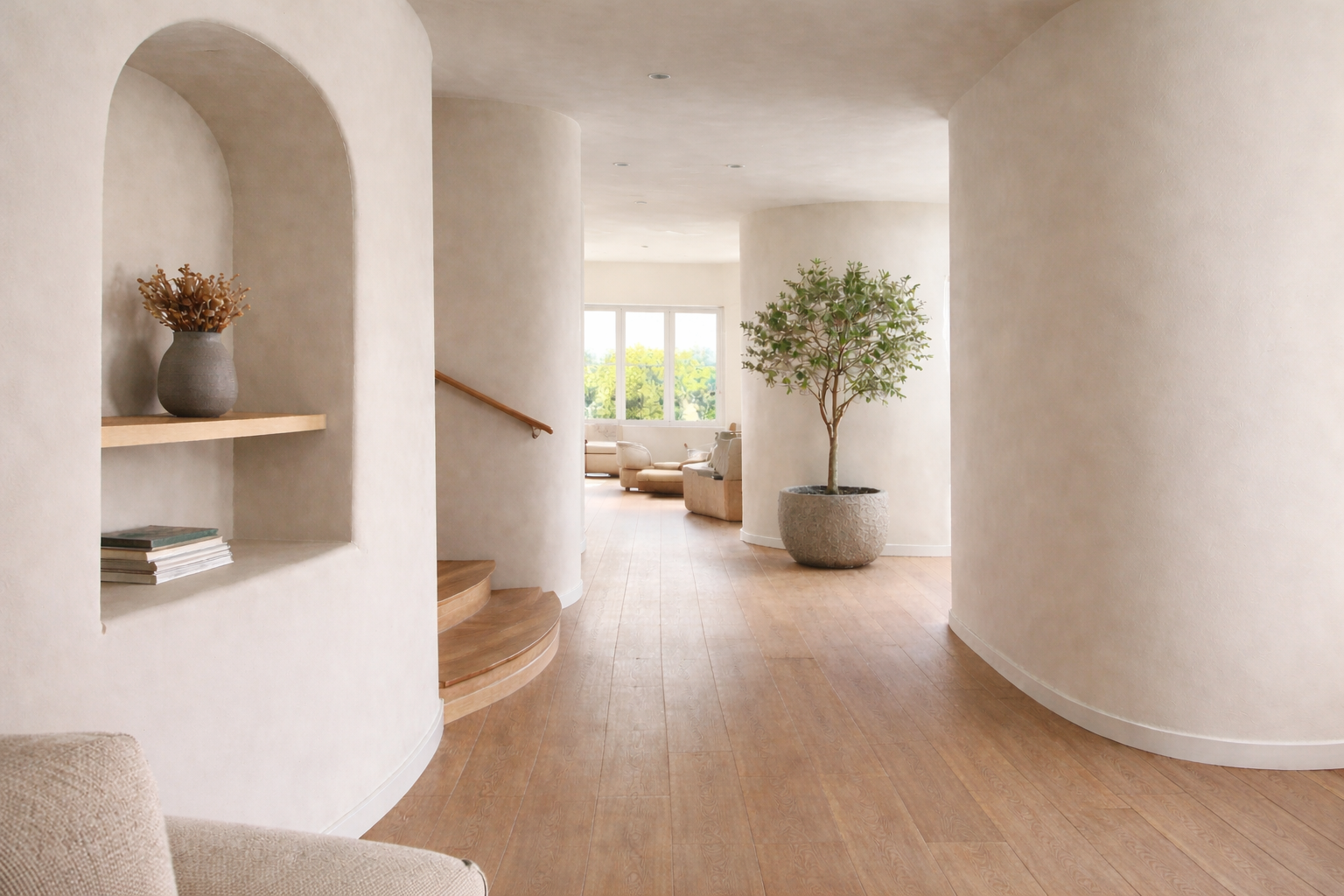
Curves are not just for decoration. They change how a space feels and how people move through it. Curved walls and edges guide the eye, soften corners, and make movement smoother.
Unlike sharp angles, curves open views and slow people down naturally. Even small curved elements can make a space feel more comfortable over time. Homes feel more welcoming and better suited to natural movement.
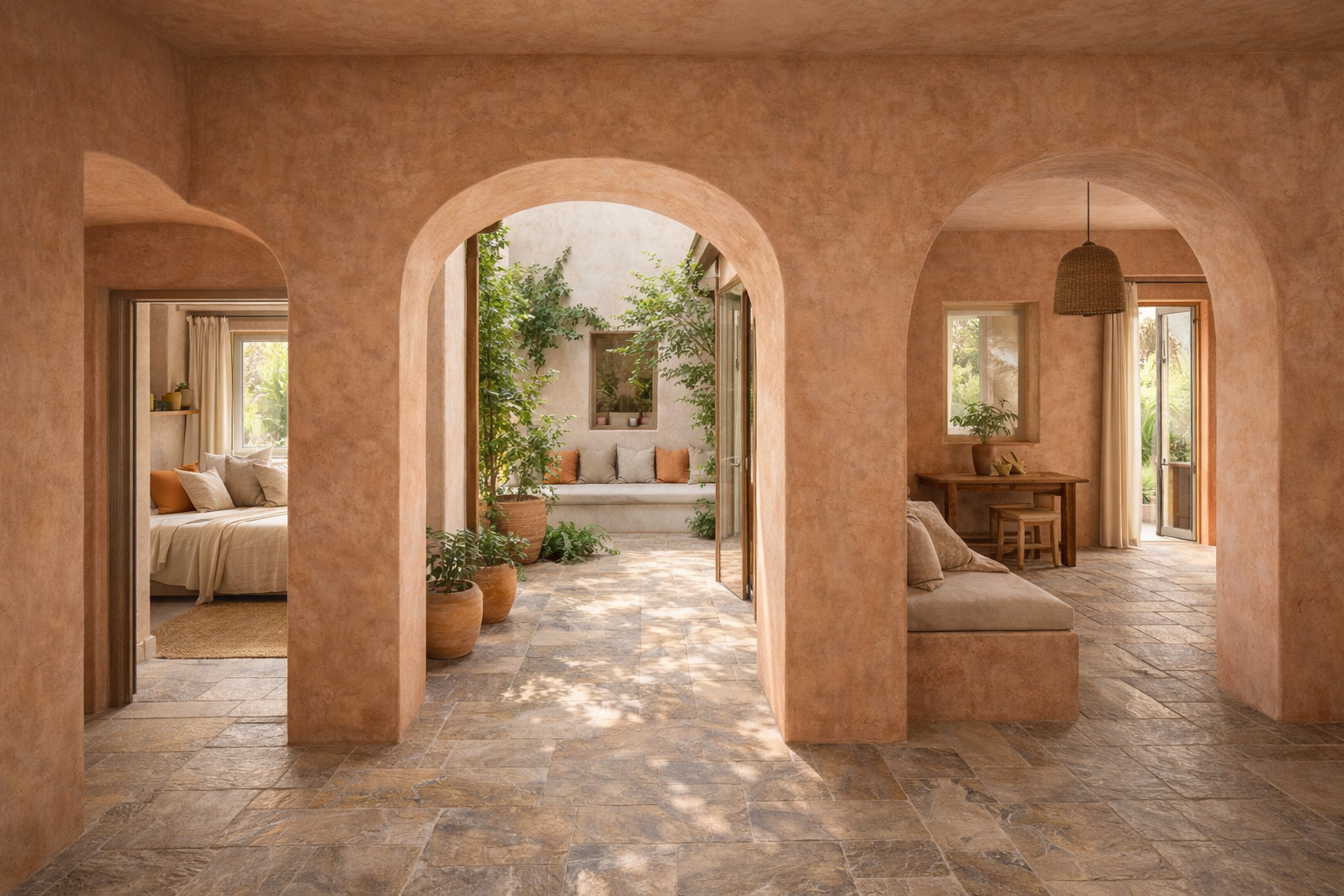
Smooth Transitions Between Spaces
Transitions between spaces are often ignored, but they matter. A doorway or entrance can signal a change in activity or mood. When designed well, these moments feel gentle rather than sudden.
Architects now focus on the spaces between indoors and outdoors, and between rooms. These areas create a sense of arrival. They guide movement, allow flexible use, and help organize the home without breaking visual flow.
A Sense of Importance in Small Spaces
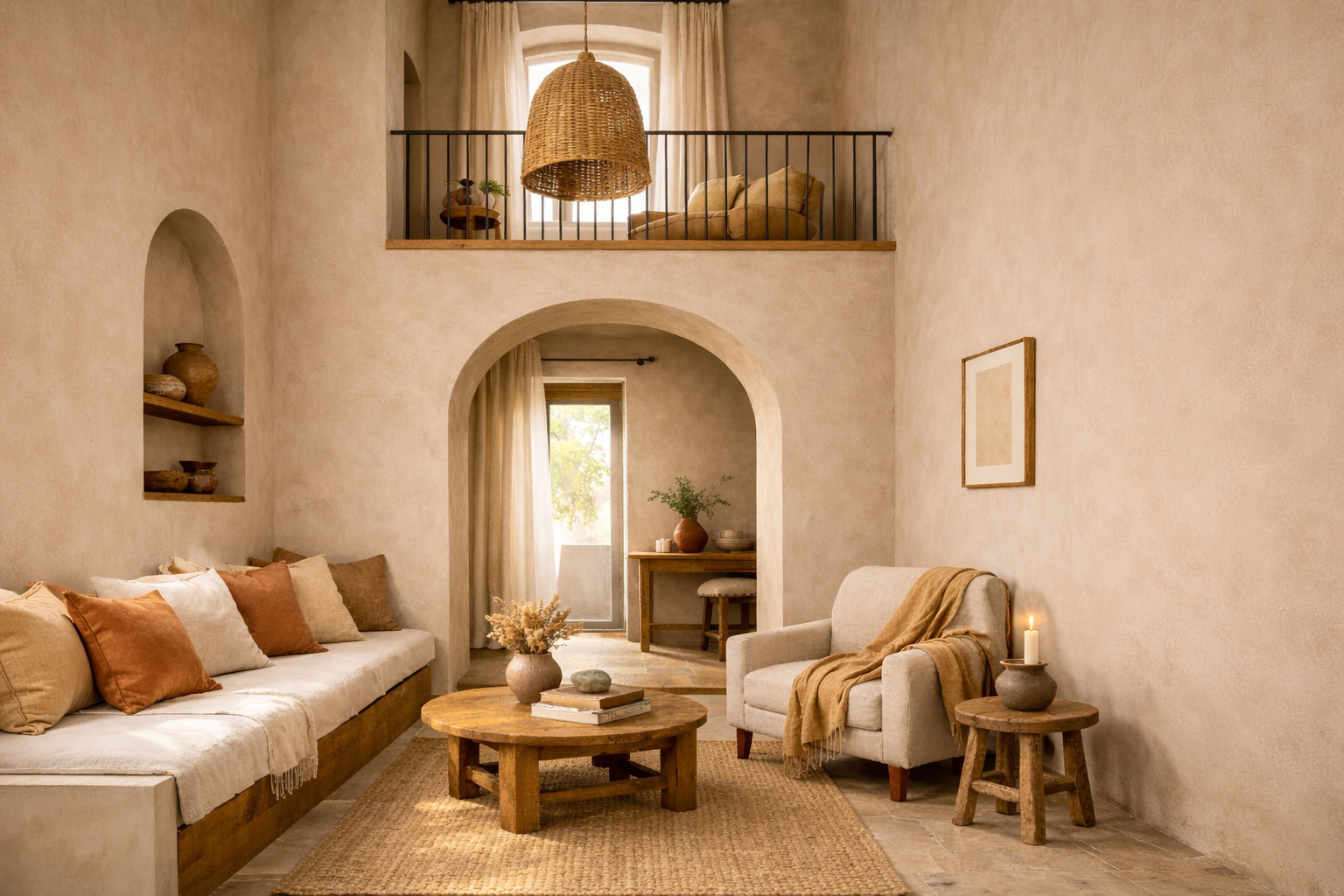
A space does not need to be large to feel special. Simple features like a tall opening, a wide arch, or a double-height area can create a strong feeling.
These elements bring a sense of calm and balance into homes. They take ideas from public buildings and adapt them for daily life, making ordinary spaces feel meaningful and grounded.
Honest Use of Materials
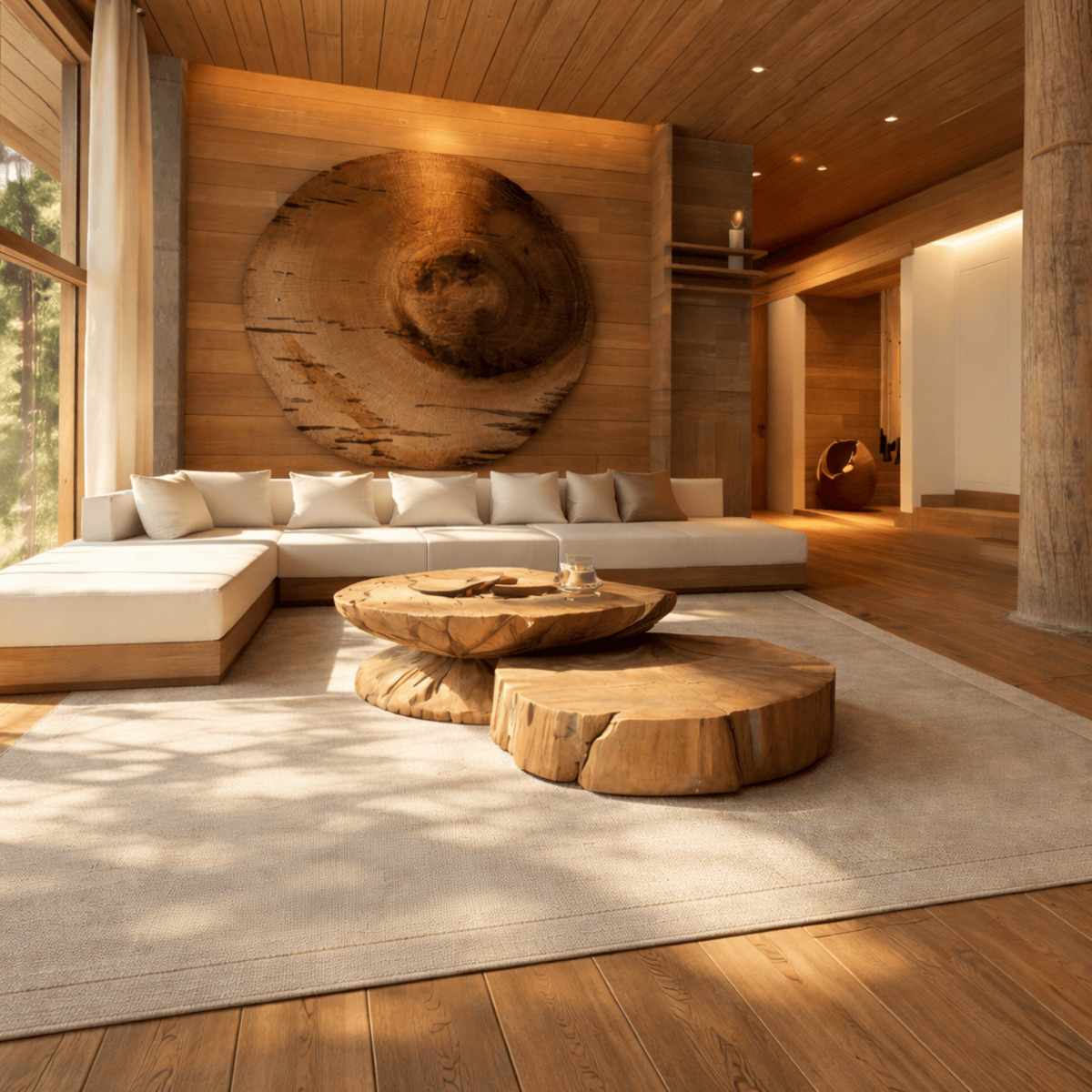
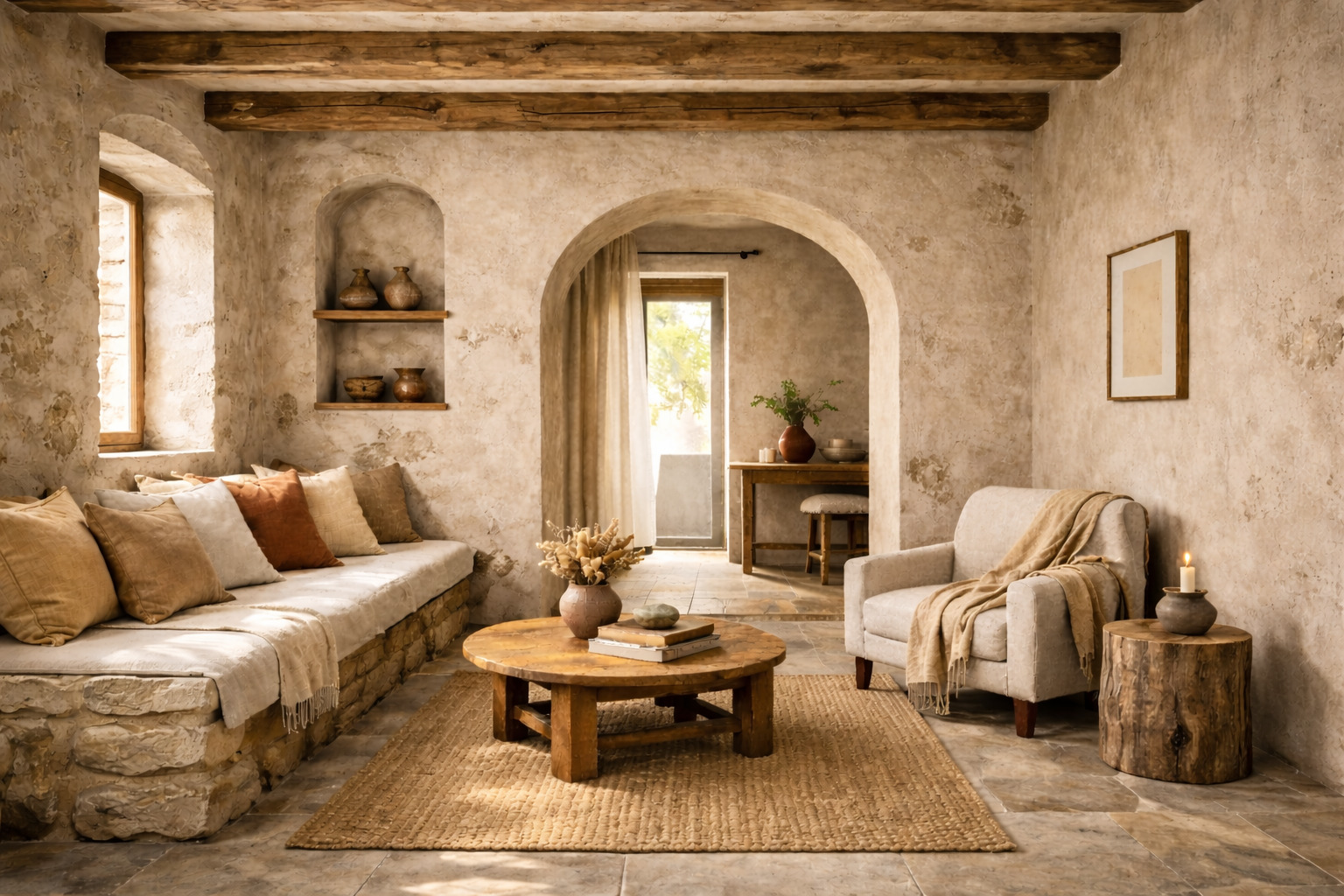
Materials feel strongest when they show their natural look. Visible concrete marks, uneven plaster, and rough stone surfaces add character and depth.
These finishes feel real and natural. They avoid the overly perfect look often seen online. Instead, they show time, effort, and everyday use, which helps spaces age well.
Staircases as More Than Pathways
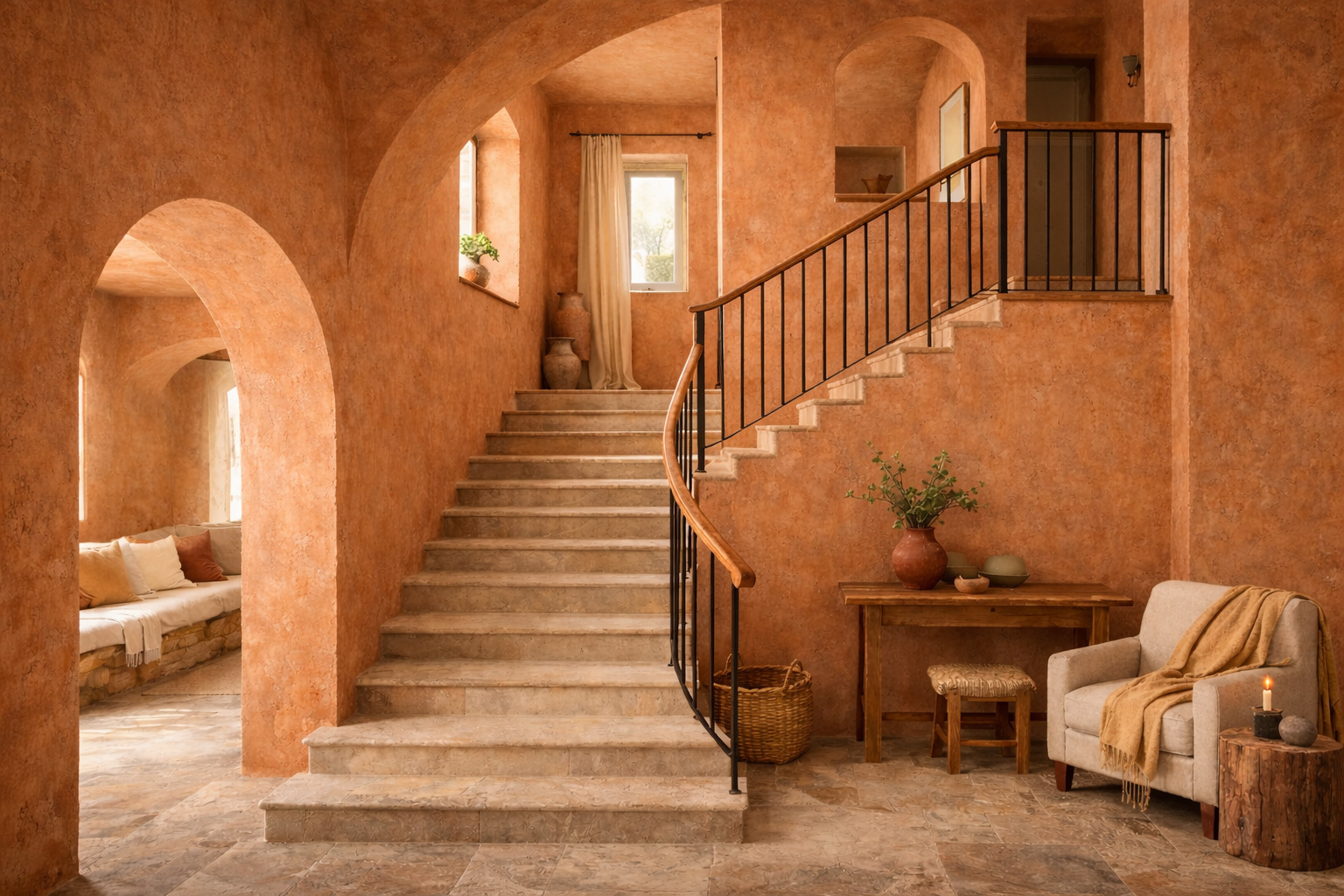
Staircases do more than connect floors. When designed with care, they become an important part of the home.
They open views between levels, divide spaces gently, and guide movement. Landings and turns create moments to pause. A well-designed staircase adds experience, not just function.
Bathrooms Designed for Daily Routines
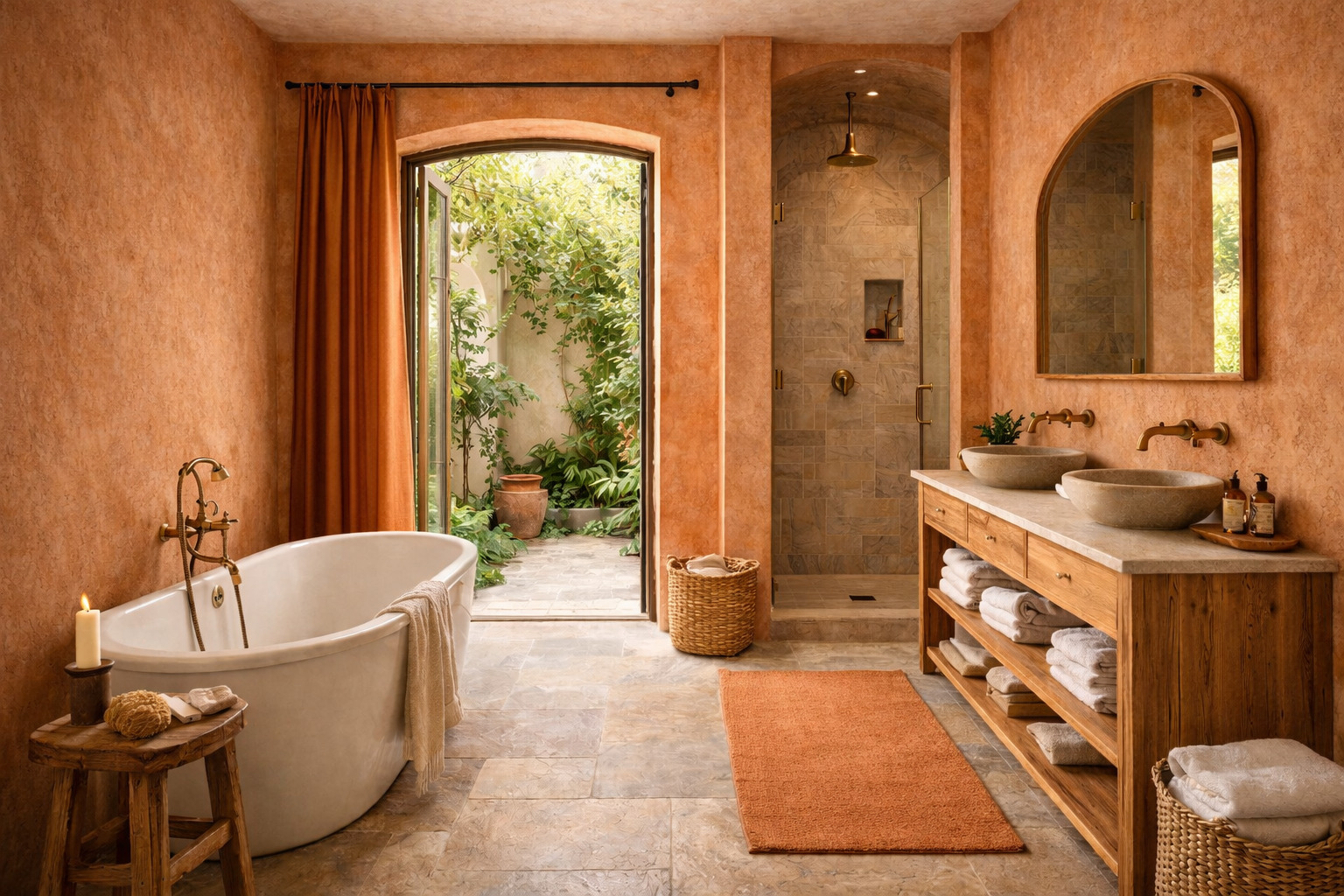
Bathrooms work best when planned around daily habits, not just basic use. Washing, bathing, drying, and dressing all need different levels of comfort and privacy.
When these areas are planned well, bathrooms feel calm and relaxing. Openings to gardens, courtyards, or light wells can bring in fresh air and daylight, making daily routines more pleasant.
Architecture That Replaces Furniture
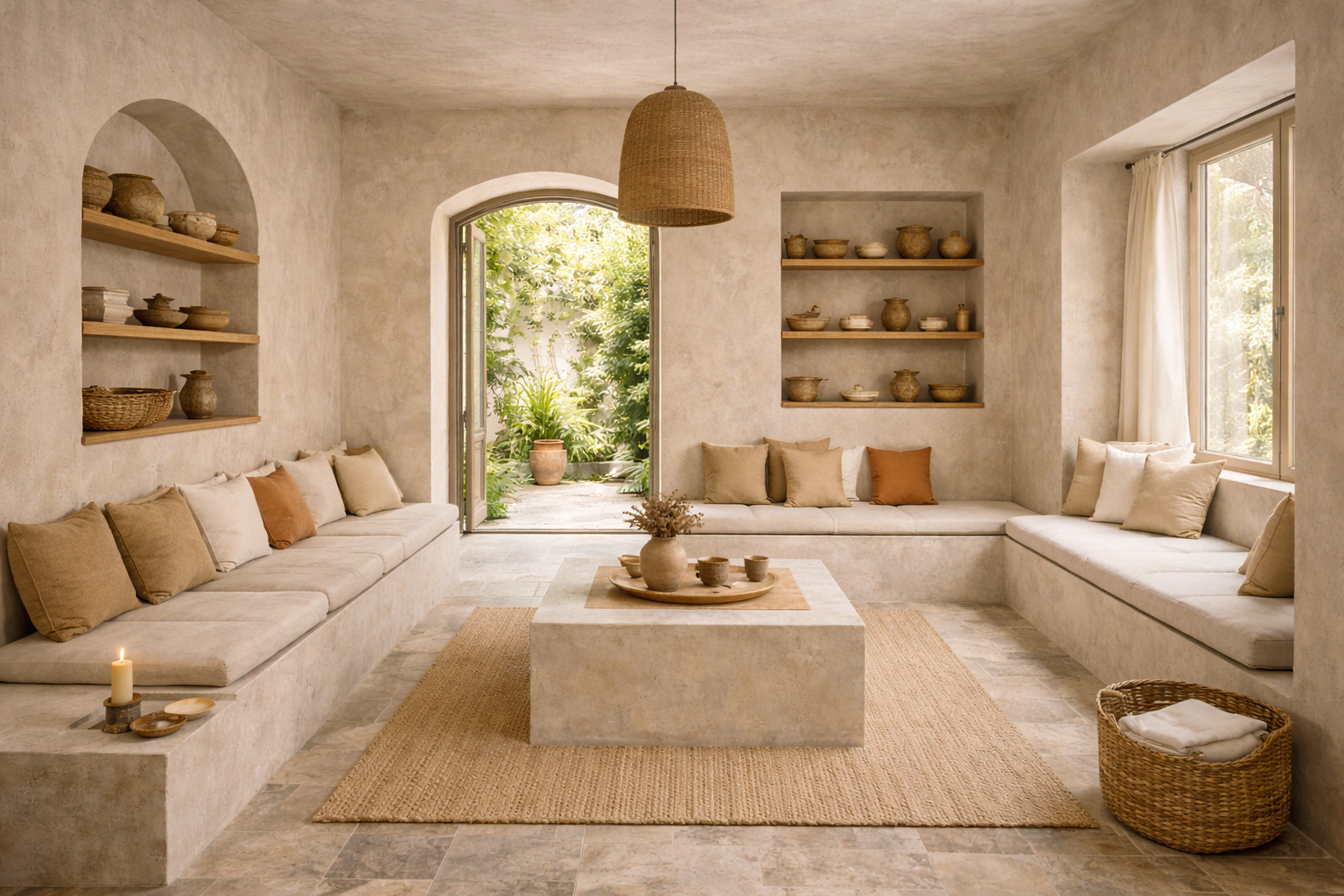
Built-in elements can reduce the need for furniture. Raised platforms can be used for sitting, deep window edges can become seats, and thick walls can hold storage.
These features reduce clutter and make spaces feel clean and organized. Homes feel more unified instead of filled with separate objects.
Designing Floors and Ceilings
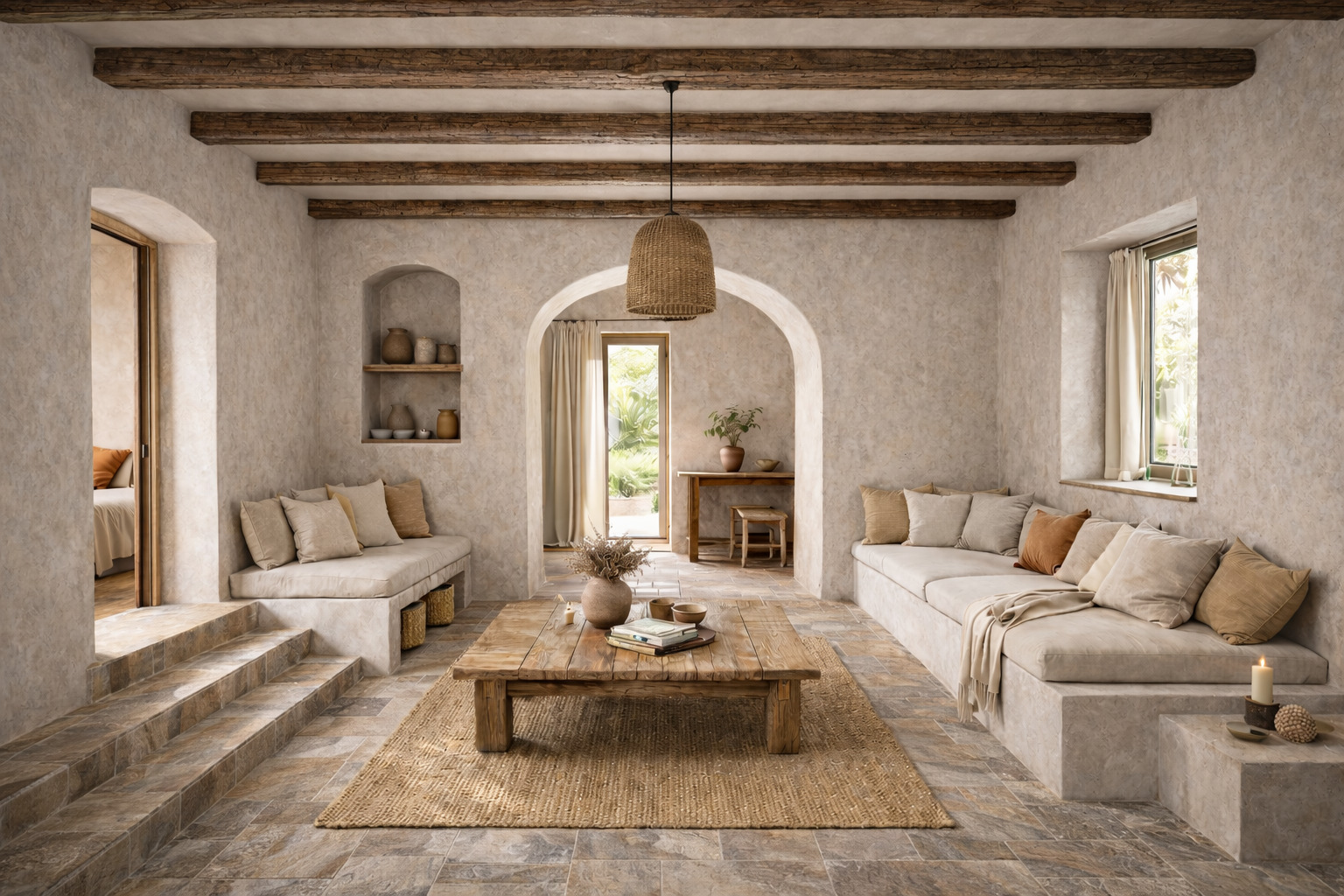
Floors and ceilings are often ignored, but they shape how a space feels. Ceiling height, beams, and patterns can change how a room is experienced.
Floor materials and layouts guide movement and show where one space ends and another begins. These details are quiet and subtle, but they are felt before they are noticed.
Conclusion
Good architecture is not about trends or decoration. It is about small, thoughtful choices that improve daily life. Micro-architecture focuses on these details.
By paying attention to light, movement, materials, and transitions, homes become calm, balanced, and long-lasting. These simple design moments may be small, but they create spaces that feel comfortable, meaningful, and timeless.