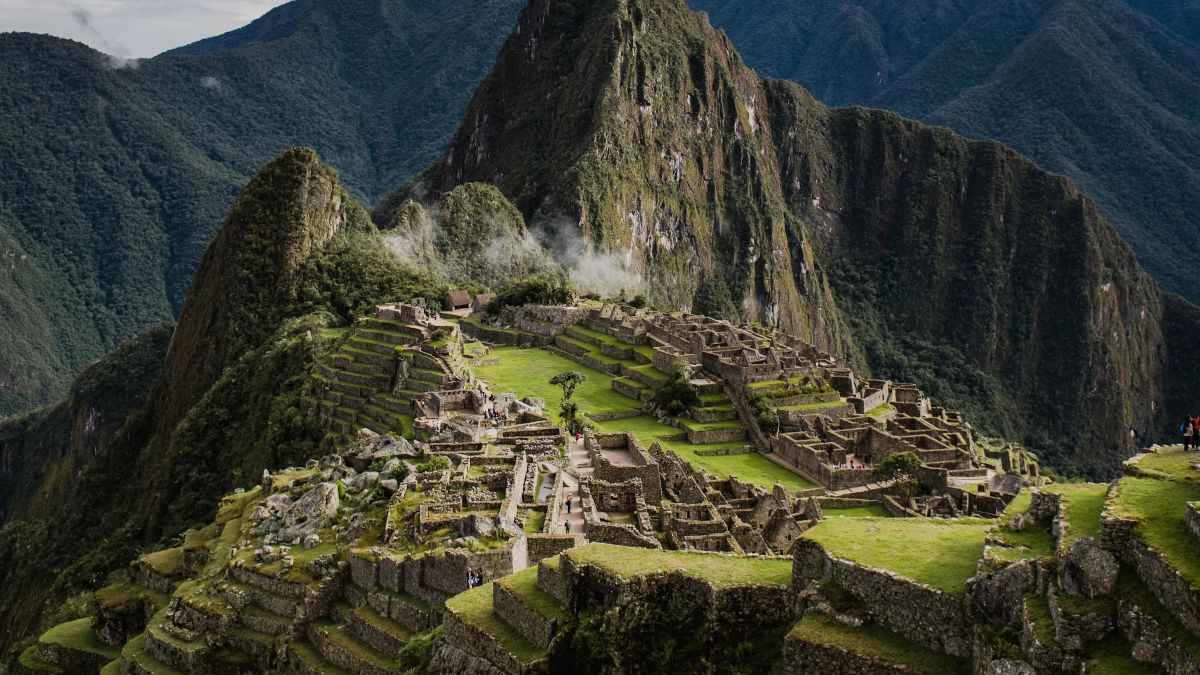
Above: Machu Picchu, Peru.
Machu Picchu is the most well-known historical site in the entire Peru. Also, this historical site is present in every globetrotter’s bucket list of travel destinations. But, we are not much aware about the history of this site, let's know some facts that will throw light on the mystery and intrigue surrounding Peru’s greatest archaeological treasure.
1. Not Much Old
Archaeological scholars believe that the construction was started around 1450 AD under the reign of Emperor Pachauti Inca Yupanqui, who ruled the Inca Empire from 1438 to 1471 AD. This is a full millennium period after the fall of the Roman Empire and less than a century before the Spanish conquerors arrived in Peru.
2. It is Earthquake Proof
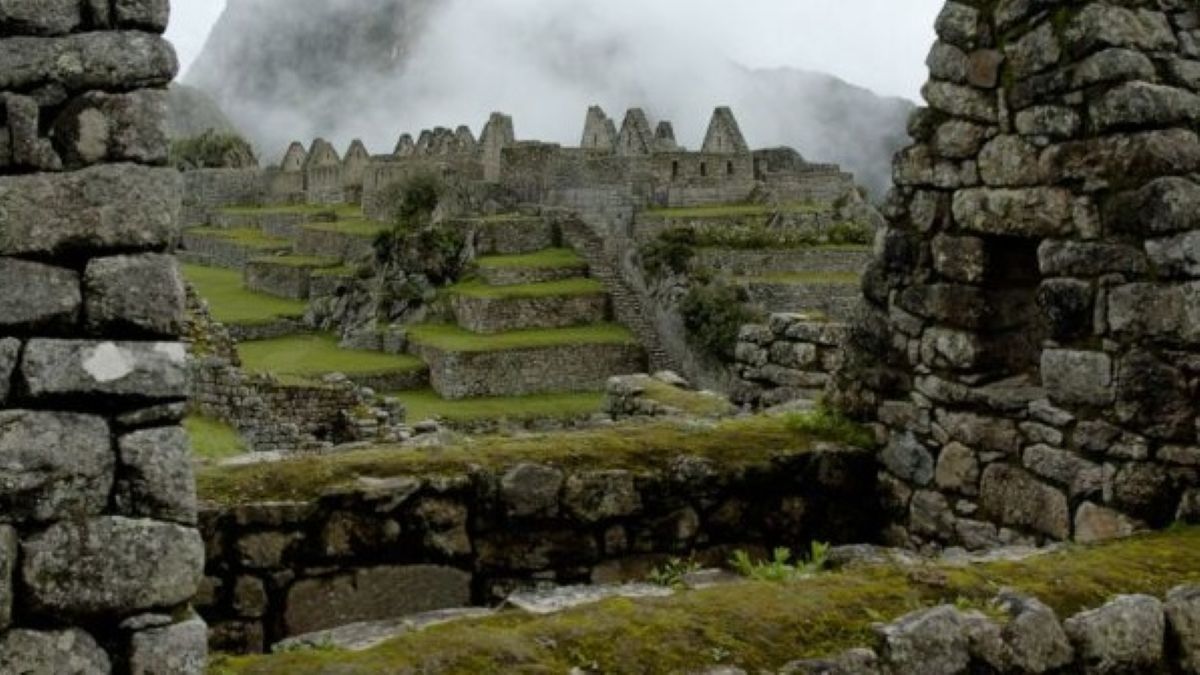
Generally, Peru is known to have high-seismic activity and Machu Picchu itself is located near two fault lines. Knowing this, the Incas used various techniques to make their buildings resistant to earthquakes. These included the “ashlar technique,” which involved cutting of stones so precisely that they lay on top of one another. Also, there was the usage of trapezoidal-shaped doors and windows, inward inclining walls and bracing blocks.
3. Machu Picchu Means “Old Mountain”
Although the conquerors introduced the Spanish language in the 16th century, many Andean people in Peru still speak a local language called “Quechua,” a group of languages. The word “Machu” in Quechua means “old” or “old person.” Whereas, the word “Picchu” means a conical-shaped solid structure and due to this, the combination of “Machu Picchu” has been interpreted as “mountain.”
4. Located In a Cloud Forest
Due to its location on the edge of the Andes and the Amazon rainforest, Machu Picchu has a very unique climate. In contrast to Cusco’s relatively dry weather and barefaced mountains, it is lush and green, often encompassed by low hanging clouds and mist. If you visit here, you can see a variety of subtropical species of brightly colored birds and flowers.
5. Internationally Recognized
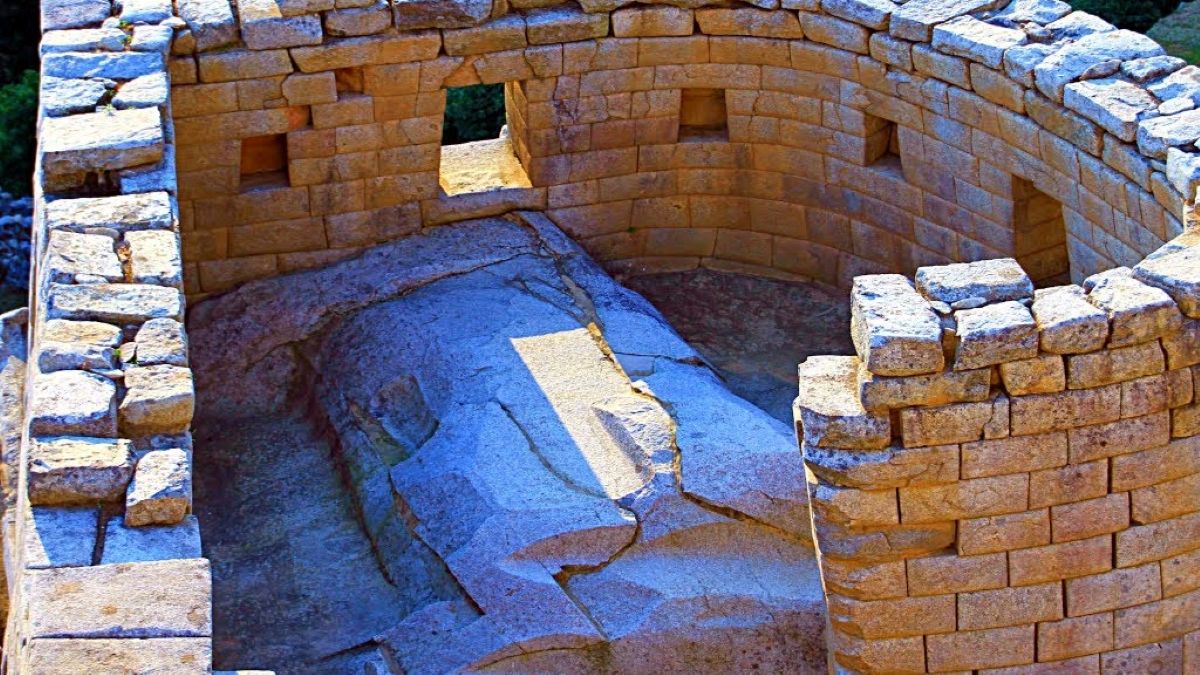
In 1981, the Peruvian government named Machu Picchu a historical sanctuary. Just after two years in 1983, UNESCO declared it as a “World Heritage Site.” An internet poll conducted in 2007 gave Machu Picchu a new international title as one of the “New Seven Wonders of the World.”
6. Only Two Ways To Get-In
As Machu Picchu is situated in the remote location in the mountainous cloud forest of Peru, there are only two ways to access the site. The first and the most common way is to board a train from Cusco, which drops you off in Aguas Calientes, also known as “Machu Picchu Pueblo,” at the base of the mountain. Upon reaching there, you can either take a bus or walk up till the destination. Other than this, the second way is to hike along the Inca Trail.
7. Sun Gate Was The Main Entrance
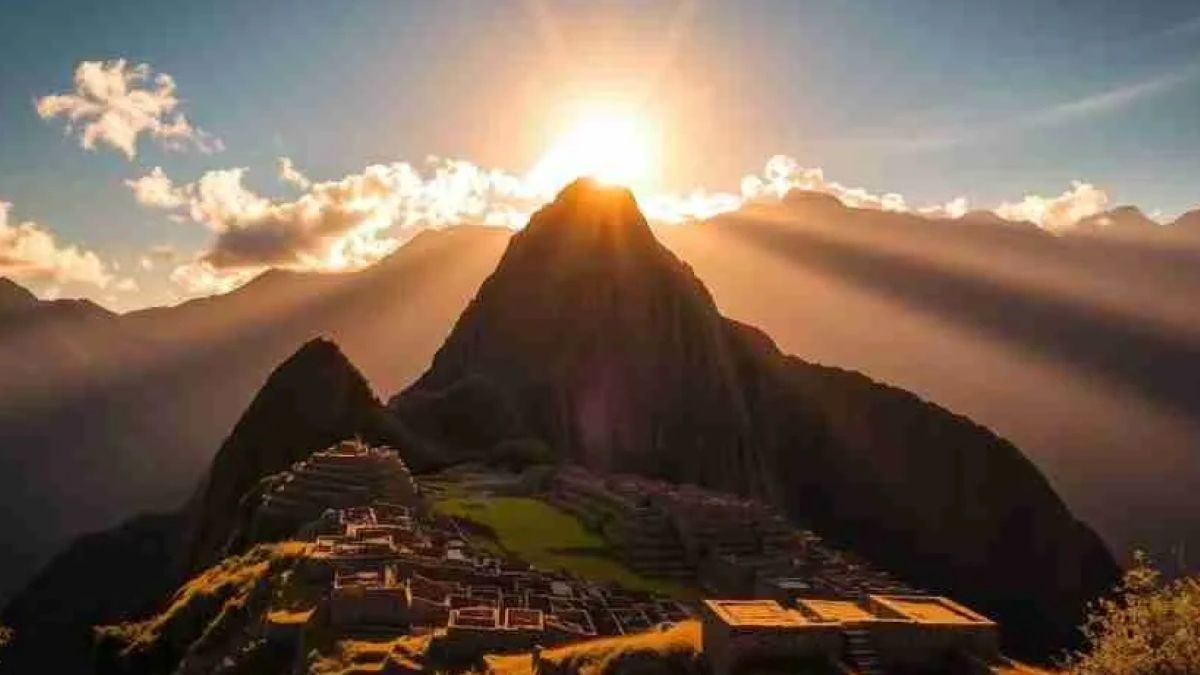
In ancient times, The Incas used “Inti Punku” or the “Sun Gate” as the main entrance to Machu Picchu. The gate had significant religious meaning since the sun passed directly through it every year on the summer solstice. At present, tourists enter through turnstiles near the main terraces of the ruins.